Plizio Visual Lab
Chacocente Wildlife Refuge

Weather…
Water temperature…
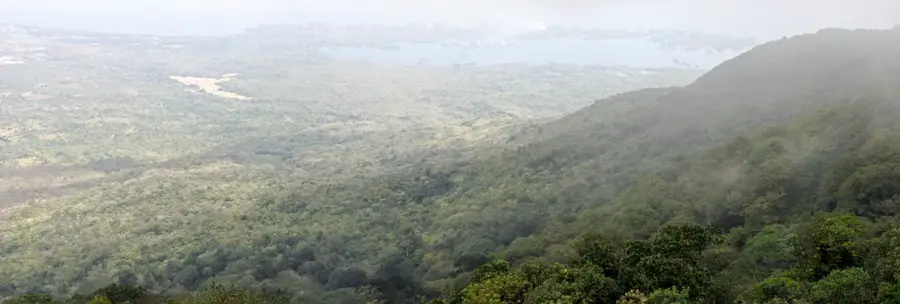
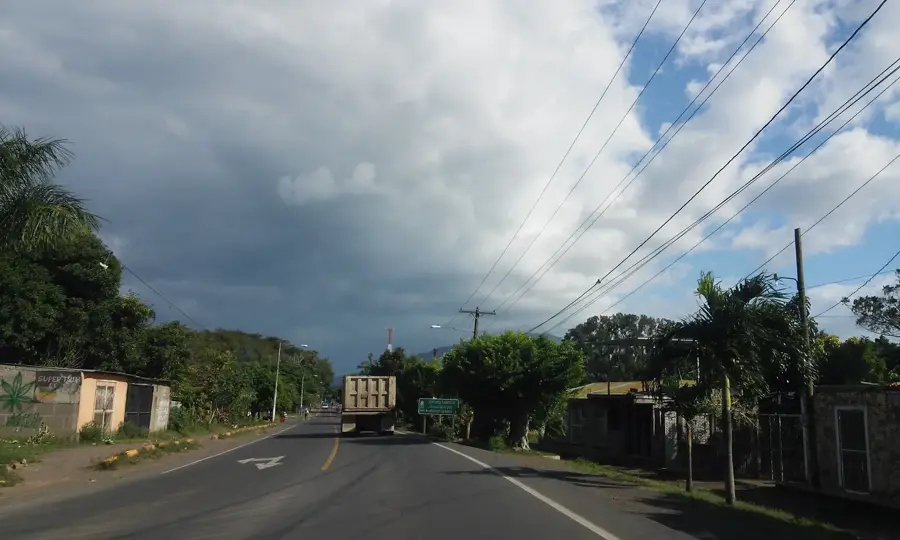
The Rio Escalante-Chacocente Wildlife Refuge is one of the most critical conservation areas on Nicaragua's Pacific coast. Spanning the departments of Carazo and Rivas, it protects one of the few remaining examples of tropical dry forest in Central America. The refuge is globally renowned as one of the very few sites where the mass nesting of Olive Ridley sea turtles (locally known as Paslama) occurs, an event called 'Arribada.' During these periods, thousands of turtles emerge from the ocean simultaneously to lay their eggs on the beach. Beyond its importance for marine life, the refuge supports a diverse range of terrestrial animals, including howler monkeys, iguanas, and over 80 species of birds. Safeguarding this ecosystem is vital for maintaining regional biodiversity and preventing the extinction of sensitive species. Rangers from the Ministry of the Environment (MARENA) and local communities work together to protect nests from poaching and environmental threats. Public access to the nesting beaches is strictly controlled during peak seasons to minimize human impact. For naturalists and eco-tourists, Chacocente gives an unparalleled chance to witness profound ecological events in a pristine coastal setting.
Explore on the map
How well do you know Nicaragua?
Find cities, landscapes and regions in 10 varied challenges on the interactive map.
Your journey, your memory
A postcard from Chacocente Wildlife Refuge
Turn your own photo into a personal postcard with a local stamp. Free and no sign-up required.
Create a postcard- Location: Nicaragua
- Nearby: Popoyo (10 km)
Best time to visit & climate
The most pleasant time to visit is Jan, Feb, Dec.
| Jan | Feb | Mar | Apr | May | Jun | Jul | Aug | Sep | Oct | Nov | Dec | |
|---|---|---|---|---|---|---|---|---|---|---|---|---|
| Avg °C | 27 | 28 | 28 | 29 | 29 | 28 | 28 | 28 | 28 | 27 | 27 | 27 |
| Rain mm | 1 | 1 | 4 | 24 | 201 | 199 | 119 | 181 | 286 | 322 | 137 | 8 |
📋 Practical info
Geography
Facts
- Chacocente is one of only nine locations in the world to host 'Arribada' events.
- The refuge covers a terrestrial area of approximately 4,600 hectares.
- The primary nesting season for Olive Ridley turtles runs from July to January.
- The critically endangered Leatherback turtle (Tora) also nests at this site.
- The protected shoreline extends for about 11.5 kilometers along the Pacific.
- The dry forest within the refuge contains rare tree species like mahogany and cedar.
Explore nearby
Notable places around
Route planner — Car & Motorhome
Where do you start? We build the route here, with stops and country notes along the way.
© OpenStreetMap contributors · OpenRouteService
Sights nearby
Frequently asked questions
Best time of the year?
Do I need a guide?
Are there accommodation options?
How is the infrastructure?
Can I camp there?
Chacocente Wildlife Refuge: where is it located?
Chacocente Wildlife Refuge: when is the best time to visit?
Chacocente Wildlife Refuge: why is it worth visiting?

Nearby cities






History & landmarks


Nature
More places