Plizio Visual Lab
Bijelo Polje
ℹ️Practical info — Bijelo Polje
▾
🌤 Weather — 5 days
📍 Nearby
Sights nearby
💡 Tips
- Bijelo Polje is a major stop on the Belgrade-Bar railway; take the train for a spectacular scenic ride through the mountains.
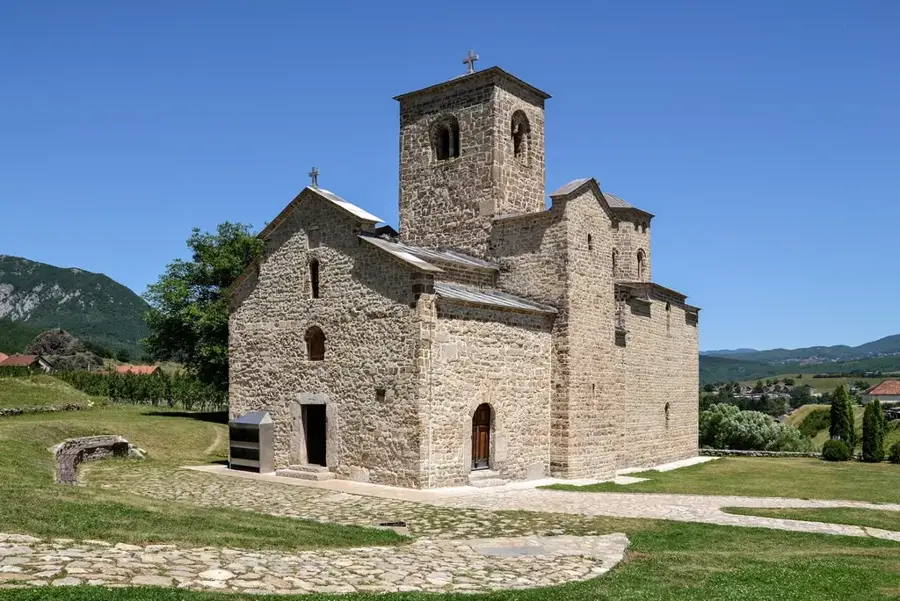
- Visit the 12th-century St. Peter's Church, where the famous Miroslav Gospel was originally written.
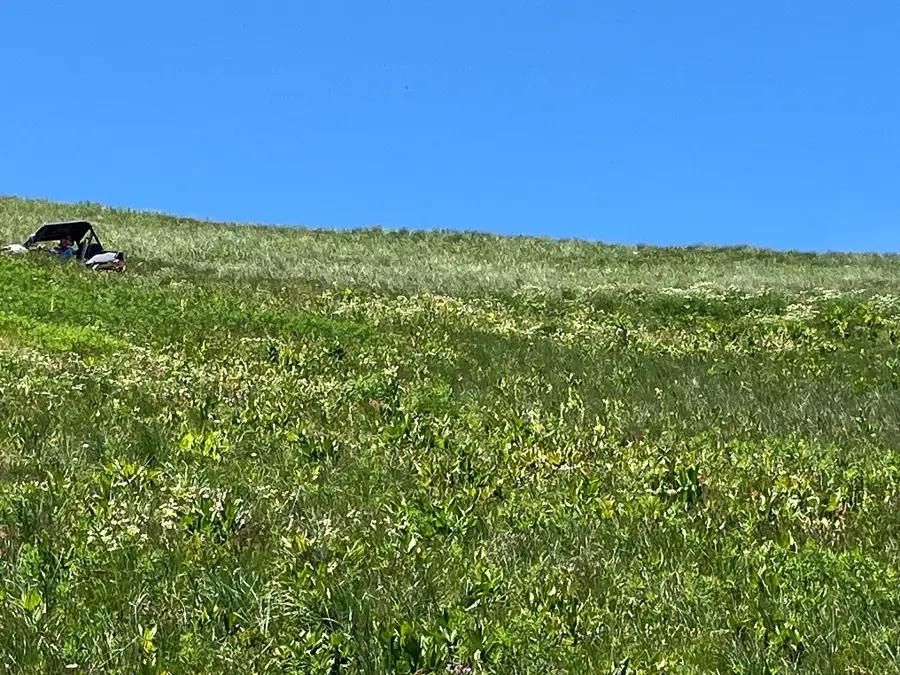
- The name means 'White Field', in spring, you can still see the white wildflower meadows that gave the city its name.
- Use the town as a base for hiking in the Bjelasica mountains or visiting the impressive Đalovića Cave.
- Park in the designated areas in the center; the town is compact and best explored on foot.
🍽 Food
Try the creamy Sjenički-style cheese at the local green market (Pijaca).
Freshly caught fish, best enjoyed in the restaurants along the riverbank.
Small dough balls filled with meat, often served with yogurt; find them in local bakeries.
🛍 Shopping · 🧘 Quiet spots
The best place to buy forest honey, homemade ajvar, and mountain herbal teas.
Look for traditional wool socks and hand-woven rugs typical of Northern Montenegro.
A peaceful path along the river, excellent for a relaxing evening stroll.
A green oasis in the center with old trees and plenty of shaded benches.
Water temperature…
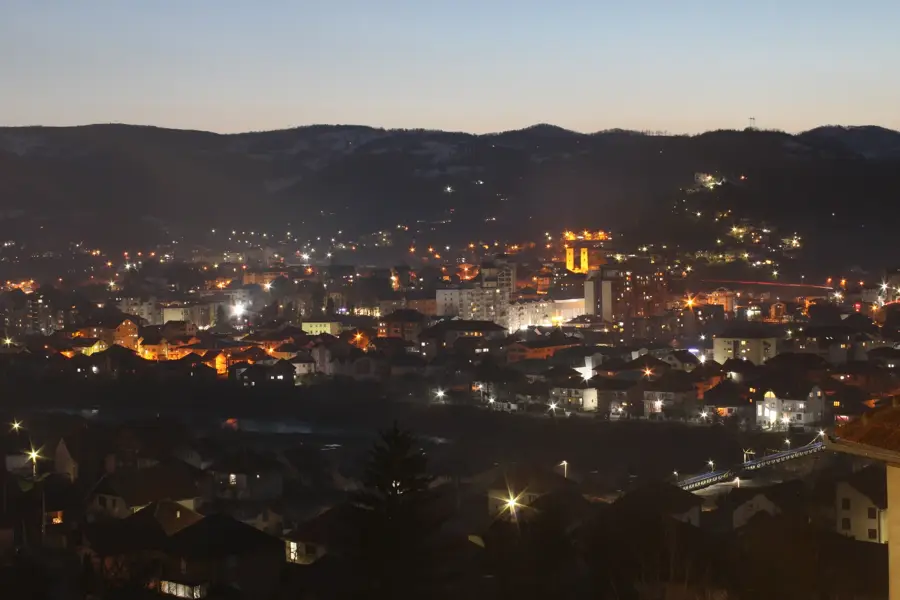
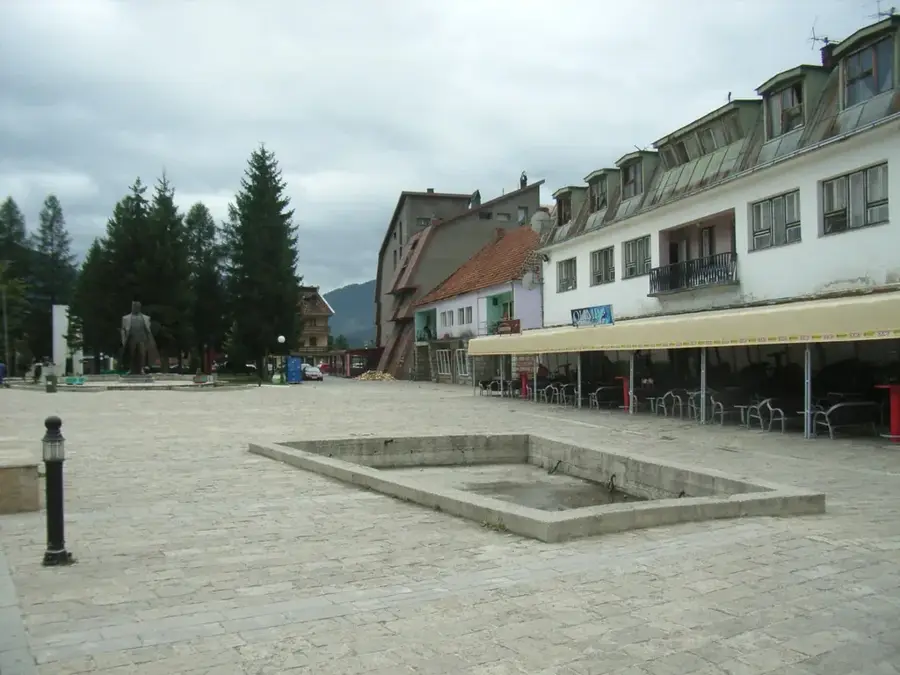
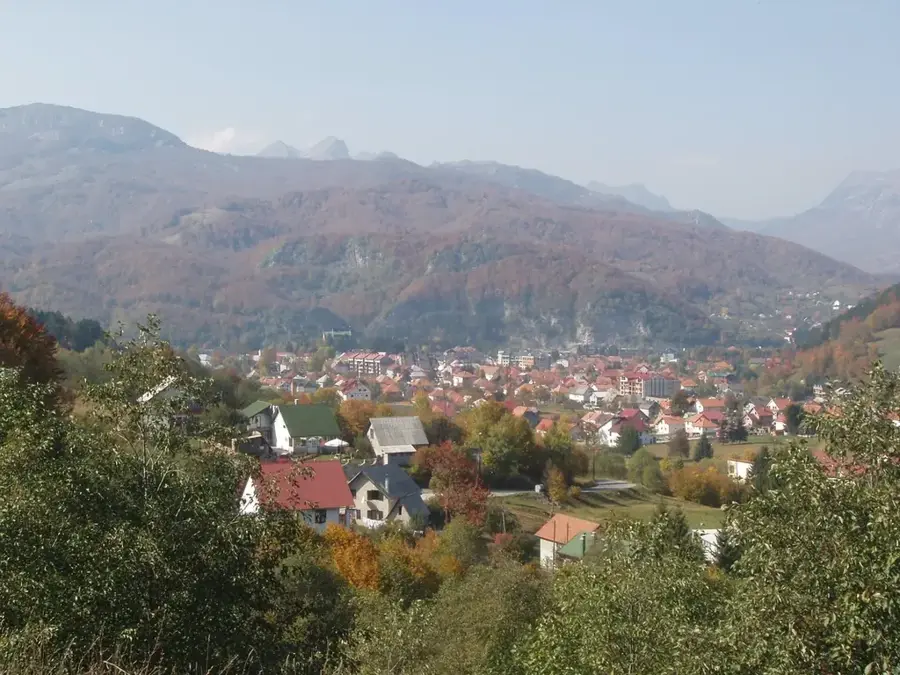
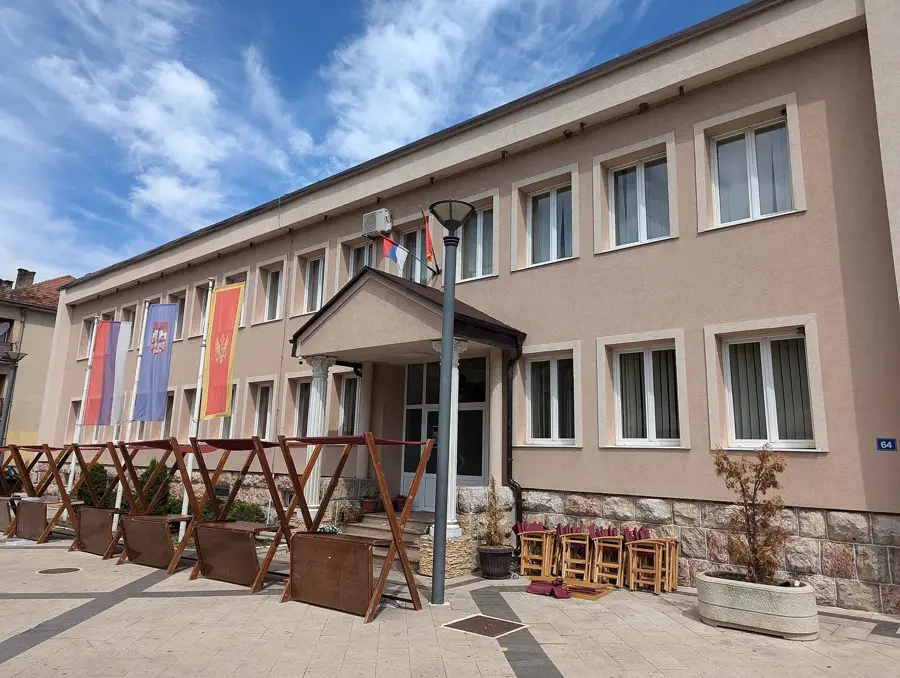
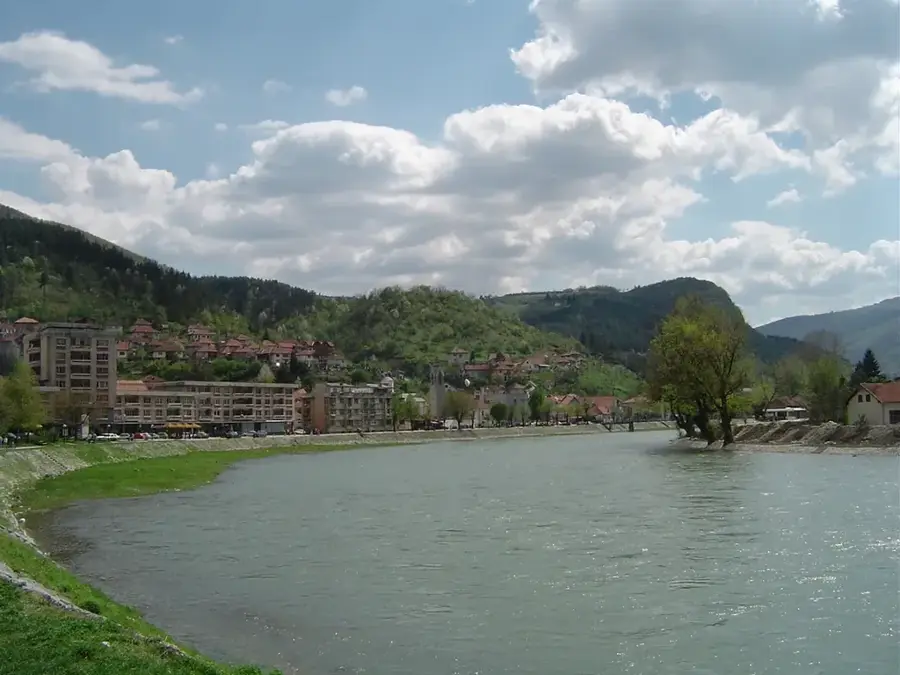
Bijelo Polje, which translates to 'White Field', is a major city in northeastern Montenegro, situated in the fertile valley of the Lim River. Its name is derived from the expansive fields of white flowers that blanket the valley each spring. The city serves as a vital transportation hub on the Belgrade-Bar railway line and acts as the administrative center for the region. Historically known as Akova during the Ottoman period, it played a key role as a commercial center. One of its most significant cultural assets is St. Peter's Church, where the famous Miroslav Gospel, one of the oldest surviving Slavic manuscripts, was once housed. Today, Bijelo Polje is renowned for its cultural festivities, including the international festival of tamburitza orchestras. The local economy is built on agriculture, woodworking, and increasingly on tourism, supported by nearby caves and mountain ranges. The cityscape merges modern architecture with historical monuments reflecting various eras of Montenegro's complex history.
Explore on the map
How well do you know Montenegro?
Find cities, landscapes and regions in 10 varied challenges on the interactive map.
Your journey, your memory
A postcard from Bijelo Polje
Turn your own photo into a personal postcard with a local stamp. Free and no sign-up required.
Create a postcard- Location: Montenegro
- Highlights: Gradski muzej · Džafića brdo · Cokotin
- Nearby: Mojkovac (16 km)
- Population: ~15.400
Best time to visit & climate
The most pleasant time to visit is Jun–Aug.
| Jan | Feb | Mar | Apr | May | Jun | Jul | Aug | Sep | Oct | Nov | Dec | |
|---|---|---|---|---|---|---|---|---|---|---|---|---|
| Avg °C | -4 | -3 | 1 | 6 | 10 | 14 | 17 | 17 | 12 | 8 | 3 | -2 |
| Rain mm | 114 | 109 | 110 | 87 | 95 | 92 | 64 | 56 | 97 | 114 | 146 | 129 |
Geography
Facts
- The name Bijelo Polje literally means 'White Field'.
- The city is a key stop on the Belgrade-Bar railway line.
- During Ottoman rule, the city was known as Akova.
- The Miroslav Gospel was written in the town's St. Peter's Church.
- The city hosts an annual international tamburitza festival.
- Bijelo Polje is situated along the banks of the Lim River.
Explore nearby
Notable places around
Route planner — Car & Motorhome
Where do you start? We build the route here, with stops and country notes along the way.
© OpenStreetMap contributors · OpenRouteService
Sights in the town Bijelo Polje (5)
Frequently asked questions
What is Bijelo Polje known for?
What does the city's name mean?
Which famous book was created here?
Are there festivals there?
How do you get to Bijelo Polje?
Bijelo Polje: where is it located?
Bijelo Polje: what is there to see?
Bijelo Polje: when is the best time to visit?
Bijelo Polje: why is it worth visiting?
Nearby cities
History & landmarks
Nature
More places