Plizio Visual Lab
Puebla
ℹ️Practical info — Puebla
▾
🌤 Weather — 5 days
📍 Nearby
Sights nearby
💡 Tips
- The Zócalo is bustling at all times; visit early morning for photos of the Cathedral without crowds.
- Talavera pottery is authentic only if it has a certification hologram; buy from reputable workshops.
- Dress in layers; mornings and evenings can be surprisingly cool due to the high altitude.
- The Estrella Roja bus has comfortable, direct transfers right from the Mexico City airport.
🍽 Food
The city's famous complex sauce, best enjoyed in traditional restaurants in the historic center.
A seasonal dish (usually Aug-Sep) representing the Mexican flag's colors.
A local sandwich on a sesame seed roll, available at food markets like Mercado del Carmen.
🛍 Shopping · 🧘 Quiet spots
The traditional handicraft market, well-suited for souvenirs, textiles, and smaller ceramics.
A whole street dedicated to traditional Puebla sweets like camotes and tortitas de Santa Clara.
Historic forts offering a calm green space and great panoramic city views.
A tranquil neighborhood with a small square to stroll and watch local artists at work.
Water temperature…
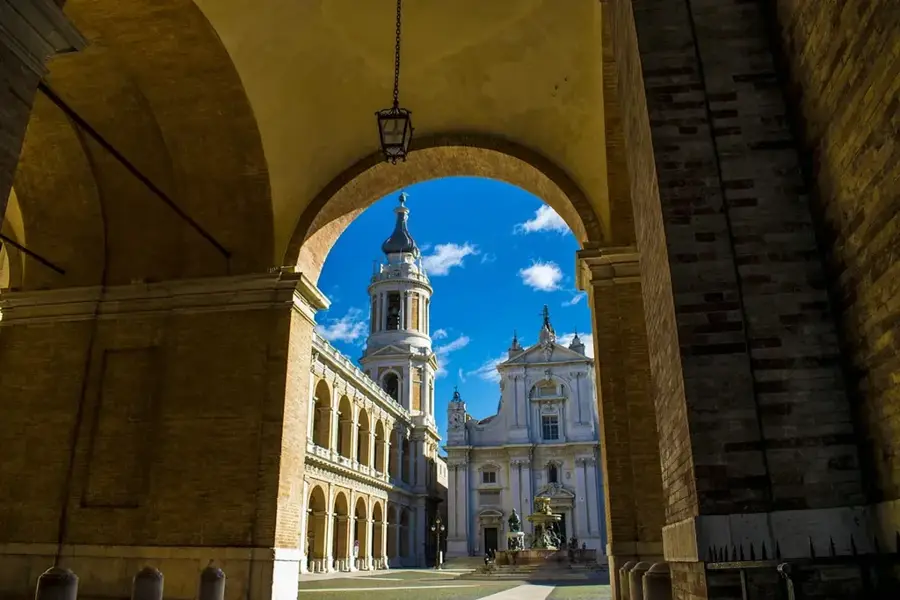
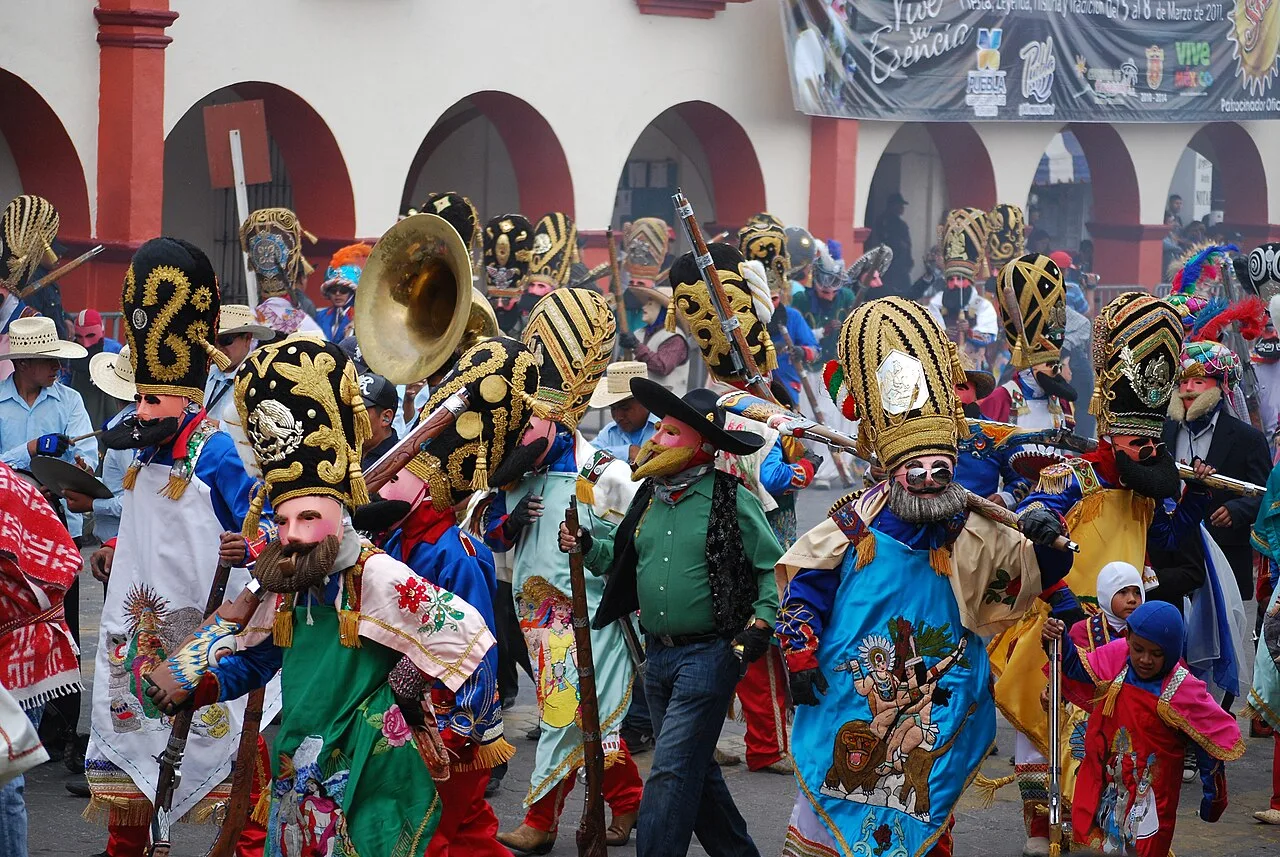
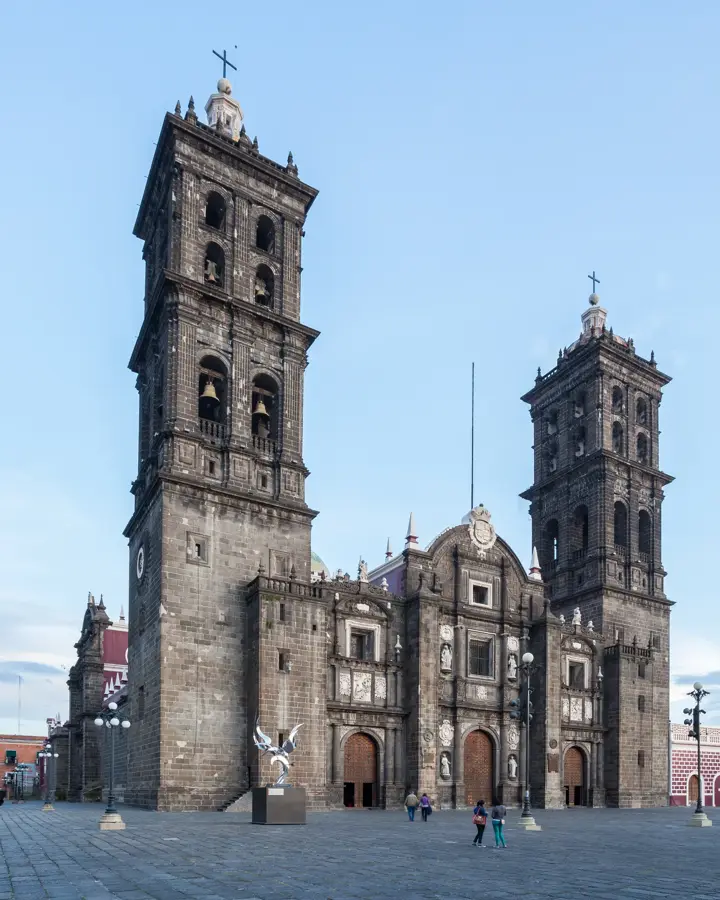
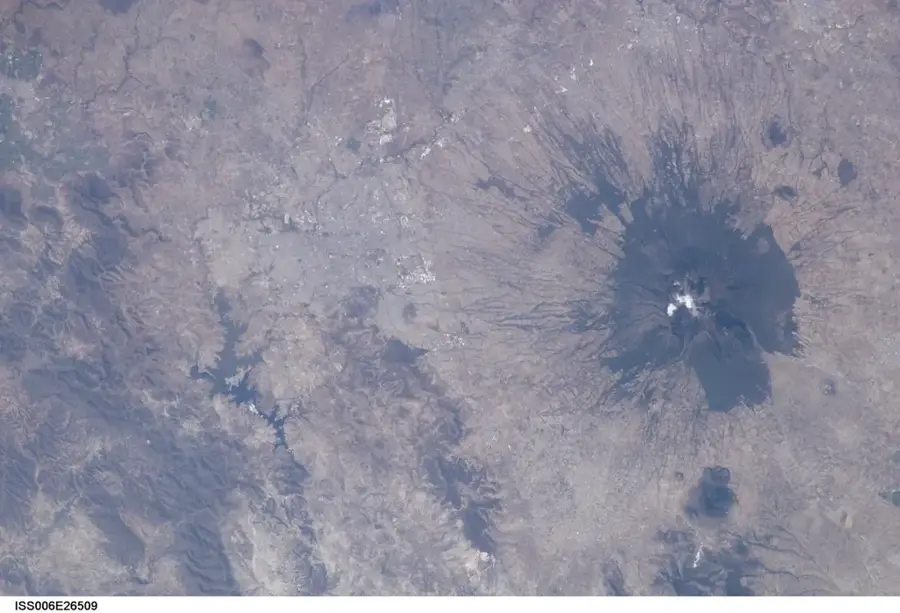
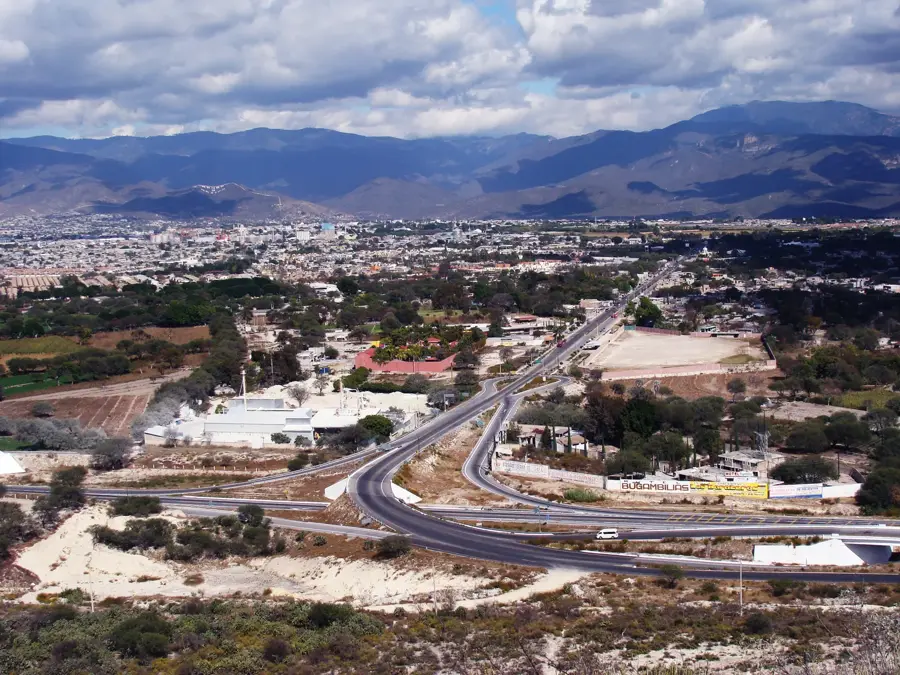
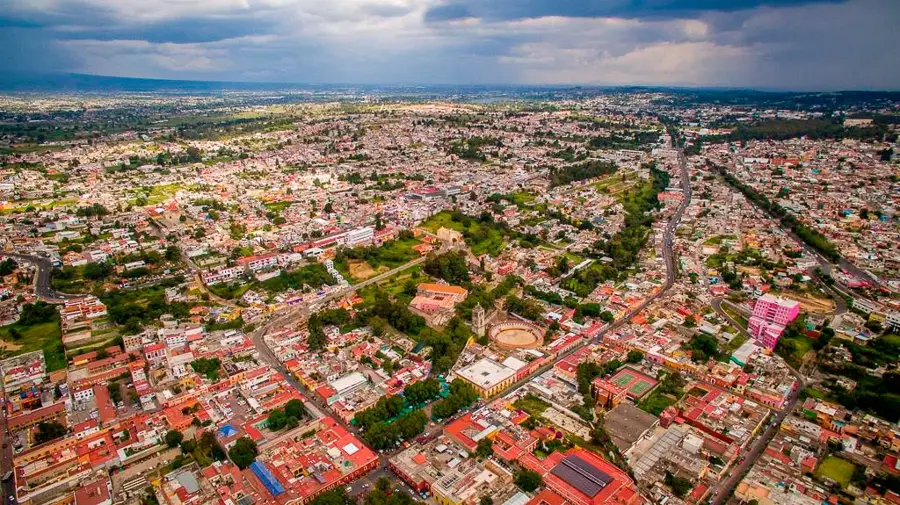
Puebla, formally known as Heroica Puebla de Zaragoza, is Mexico’s fourth-largest city and a magnificent bastion of colonial history and industrial innovation. Located south of Mexico City at an altitude of 2,135 meters, it sits in a fertile valley surrounded by some of the country’s most iconic volcanoes. Founded in 1531, it was the first city in central Mexico built specifically for Spanish settlers, bypassing existing indigenous centers to create a strategic link between the capital and the coast. This heritage is visible in its UNESCO-listed historic center, which is home to over 2,600 historic buildings adorned with the city’s signature Talavera tiles, a craft tradition that remains a protected designation of origin. The city’s history is defined by the pivotal Battle of Puebla on May 5, 1862, where a smaller Mexican force defeated the invading French army, an event celebrated globally as Cinco de Mayo. Architecturally, the city is a treasure trove of Spanish Baroque, highlighted by the majestic Puebla Cathedral and the incredibly ornate Rosary Chapel in the Church of Santo Domingo. Economically, Puebla is an industrial powerhouse, hosting the Volkswagen de México plant, one of the company’s largest production facilities in the world, along with a growing aerospace sector. The city is also the gastronomic capital of Mexico, famous for inventing Mole Poblano, a complex sauce that represents the ultimate syncretism of cultures, and Chiles en Nogada, a dish symbolizing the national flag. Today, Puebla is a bustling educational hub with a high concentration of universities, fostering a creative and youthful atmosphere. Modern developments like the Angelópolis district, featuring the International Museum of the Baroque and the Estrella de Puebla observation wheel, showcase the city’s forward-looking spirit. From its traditional pottery markets like El Parian to its high-tech factories, Puebla gives a unique blend of centuries-old tradition and 21st-century progress.
Explore on the map
How well do you know Mexico?
Find cities, landscapes and regions in 10 varied challenges on the interactive map.
Your journey, your memory
A postcard from Puebla
Turn your own photo into a personal postcard with a local stamp. Free and no sign-up required.
Create a postcard- Location: Mexico
- Highlights: Performance Puebla Academia · que pez · Automobile Museum Puebla
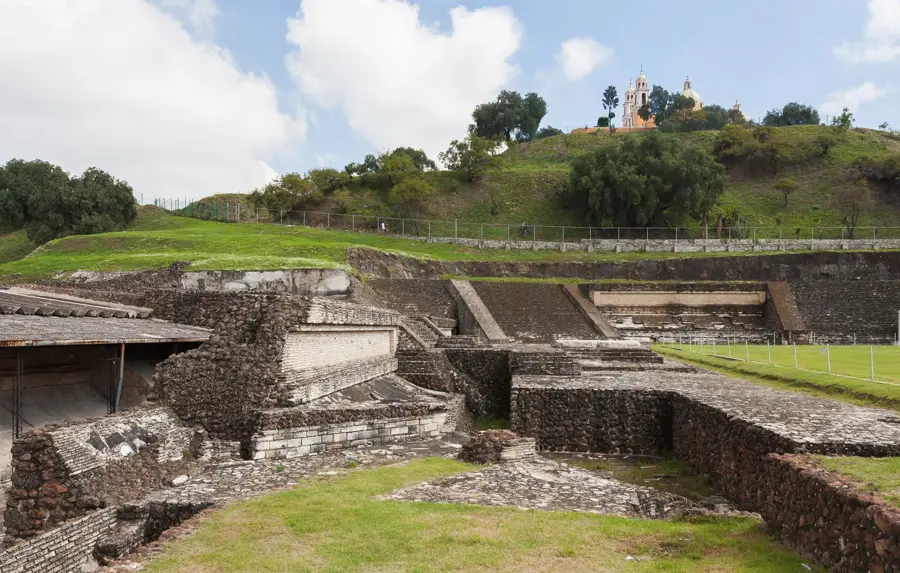
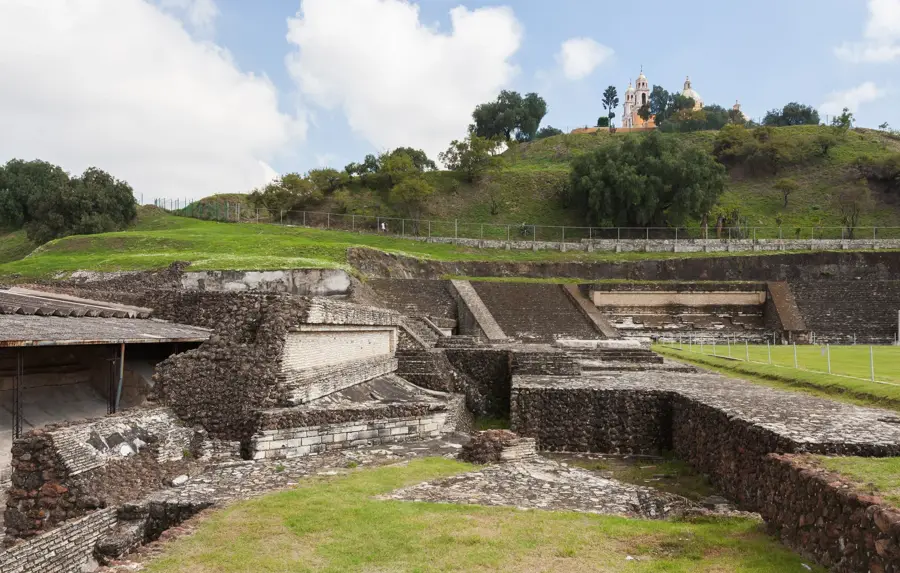
- Nearby: Cholula (10 km)
- Population: ~1.692.181 (2026)
Best time to visit & climate
The most pleasant time to visit is Mar–May.
| Jan | Feb | Mar | Apr | May | Jun | Jul | Aug | Sep | Oct | Nov | Dec | |
|---|---|---|---|---|---|---|---|---|---|---|---|---|
| Avg °C | 14 | 15 | 17 | 20 | 20 | 19 | 17 | 17 | 17 | 16 | 15 | 14 |
| Rain mm | 12 | 11 | 19 | 29 | 67 | 160 | 142 | 159 | 169 | 79 | 22 | 9 |
Geography
Facts
- Puebla was founded in 1531 as a strategic town between Mexico City and Veracruz.
- The city's historic center was designated a UNESCO World Heritage site in 1987.
- The Estrella de Puebla is one of the largest portable observation wheels in the world.
- General Ignacio Zaragoza led the Mexican army to victory here in 1862.
- Puebla's Talavera pottery received a protected status of origin in 1995.
- The city is famous for its culinary invention, the chocolate-based Mole Poblano.
- Puebla Cathedral features some of the tallest bell towers in Latin America.
- The International Museum of the Baroque was designed by architect Toyo Ito.
Explore nearby
Notable places around
Route planner — Car & Motorhome
Where do you start? We build the route here, with stops and country notes along the way.
© OpenStreetMap contributors · OpenRouteService
Morning begins with the intricate artistry of traditional Talavera pottery, setting a creative tone. Midday shifts to exploring national military history and walking past significant independence monuments. The afternoon features more iconic statues in the bustling city streets. Evening concludes with a nostalgic journey through a classic automobile museum, capping off a day of diverse discoveries.
Museo Talavera Casa Uriarte
Museo del Ejercito y Fuerza Aérea Mexicanos
Monumento a la Independencia
La Estatua de Benito Juárez
Automobile Museum Puebla
In the morning, we start at the Talavera workshop, admiring crafts under a solid roof. At noon, the thick museum walls provide shelter from the tropical downpour. Afternoon monuments are seen under umbrellas before we head to the indoor car museum. In the evening, city lights reflect on wet streets while we enjoy a warm drink in a cozy café, safe from the damp weather.
Museo Talavera Casa Uriarte
Museo del Ejercito y Fuerza Aérea Mexicanos
Monumento a la Independencia
La Estatua de Benito Juárez
Automobile Museum Puebla
A crisp morning greets us, but the colors of Talavera ceramics warm the soul. At noon, the sun is pleasant but weak, so layering is key for the military museum visit. In the afternoon, sunset arrives early around 5 PM as we reach the car museum. In the evening, city lights flicker on, and we retreat for a hot chocolate in the center to escape the biting winter air.
Museo Talavera Casa Uriarte
Museo del Ejercito y Fuerza Aérea Mexicanos
Monumento a la Independencia
La Estatua de Benito Juárez
Automobile Museum Puebla
Start the day marveling at local ceramics before cycling to uncover military heritage. Midday brings you past historic statues honoring Mexico's great leaders. Afternoon riding takes you around iconic fountains and key constitutional landmarks. Evening winds down near a lively university auditorium, blending history with a youthful atmosphere.
Museo Talavera Casa Uriarte
Museo del Ejercito y Fuerza Aérea Mexicanos
La Estatua de Benito Juárez
Fuente de los Frailes
Constitución De Apatzingan 1814
Auditorio Julio Glockner
We set off on a rainy morning, with the Talavera courtyard providing cover from the drizzle. At noon, roads toward the museum get slippery; pedal carefully with mudguards. In the afternoon, after visiting the statues, we head to the Glockner Auditorium to rest in the dry. In the evening, visibility on wet roads is crucial, so we finish the day near a sheltered bike rack.
Museo Talavera Casa Uriarte
Museo del Ejercito y Fuerza Aérea Mexicanos
La Estatua de Benito Juárez
Fuente de los Frailes
Constitución De Apatzingan 1814
Auditorio Julio Glockner
We set off with gloves in the morning chill toward the Talavera house; the movement helps maintain body heat. At noon, cycling in the sun is pleasant, but the wind remains cool. In the afternoon, we reach the fountain before the early 5 PM sunset. In the evening, we ride through the freezing air to the auditorium, where bikes stay safe while we stay indoors.
Museo Talavera Casa Uriarte
Museo del Ejercito y Fuerza Aérea Mexicanos
La Estatua de Benito Juárez
Fuente de los Frailes
Constitución De Apatzingan 1814
Auditorio Julio Glockner
Morning kicks off at a massive historic textile mill transformed into a cultural hub. Midday driving takes you to revolutionary monuments and the heart of Talavera pottery production. The afternoon is reserved for a deep dive into vintage automotive history. The day reaches its grand finale at the spectacular International Museum of the Baroque.
La Constancia luz obrera
Monumento a los Hermanos Serdan
Museo Talavera Casa Uriarte
Automobile Museum Puebla
Museo del Barroco
In the morning, we watch the rain from the car window while driving dry to the historic La Constancia factory. At noon, watch for puddles when parking; the vehicle is the perfect shelter between museums. In the afternoon, traffic slows on wet roads, but the modern Baroque Museum makes up for the gloom. In the evening, city lights shimmer on the water; we finish the day comfortably, sheltered from the rain.
La Constancia luz obrera
Monumento a los Hermanos Serdan
Museo Talavera Casa Uriarte
Automobile Museum Puebla
Museo del Barroco
The winter day starts in a heated car; our first stop is the factory building where thick walls hold the warmth. At noon, despite the sun, the air is crisp, so we spend only a short time at the monuments. In the afternoon, it’s already getting dark by the time we reach the modern museum, with early dusk lending a special vibe. At night, we drive through lit-up Puebla; the panorama is stunning even in the cold.
La Constancia luz obrera
Monumento a los Hermanos Serdan
Museo Talavera Casa Uriarte
Automobile Museum Puebla
Museo del Barroco
Sights in the town Puebla (14)
Automobile Museum Puebla🏛 museum
Automobile museum in Puebla with a collection of over 50 vintage cars.
Museo del Ejercito y Fuerza Aérea Mexicanos🏛 museum
Museum in Puebla showcasing the history of the Mexican Army and Air Force.
Frequently asked questions
What culinary specialties does Puebla offer?
What is the best way to get to Puebla?
Is the city safe?
What is the best season for a visit?
Are Spanish skills needed?
Puebla: where is it located?
Puebla: what is there to see?
Puebla: when is the best time to visit?
Puebla: why is it worth visiting?

Nearby cities
More places