Plizio Visual Lab
Tlaxcala
ℹ️Practical info — Tlaxcala
▾
🌤 Weather — 5 days
📍 Nearby
Sights nearby
💡 Tips
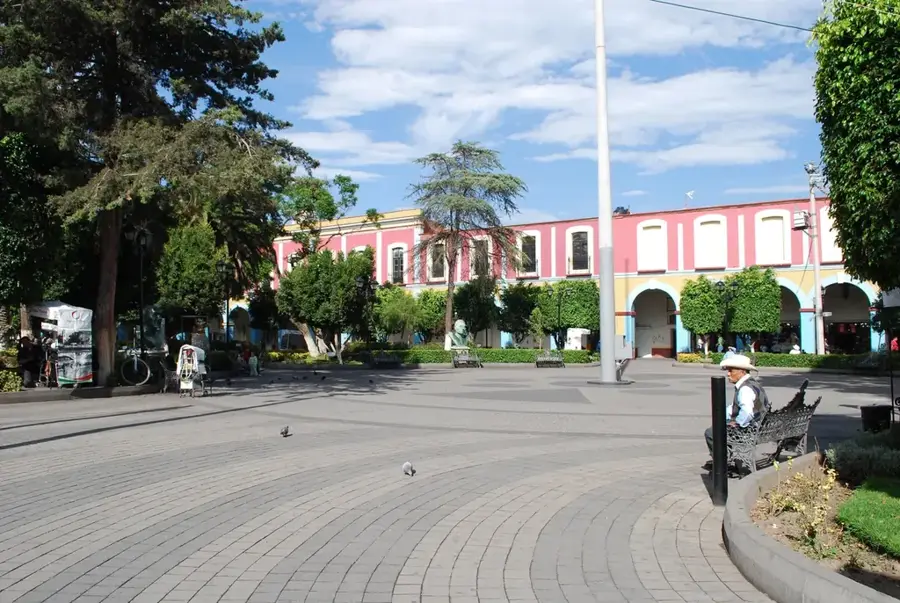
- The historic center is compact and best explored on foot; start your walk at the beautiful Plaza de la Constitución.
- Try Pulque, a traditional fermented agave drink, available in local pulquerías, but start with a small sip as it's an acquired taste.
- Visit the Ex-Convent of San Francisco in the morning for the best natural light highlighting its beautiful wooden ceiling.
- Weekends are lively with local tourists; visit on a weekday for a quieter and more relaxed experience.
🍽 Food
A rich bean soup with tortillas, cheese, and avocado, served in traditional downtown restaurants.
Meat pit-barbecued in maguey leaves, often found in local eateries near the market.
A thick, fermented agave drink; try the fruit-flavored versions (curados) in an authentic pulquería.
🛍 Shopping · 🧘 Quiet spots
The bustling central market, first-rate for fresh local produce and authentic street food.
Look for Talavera pottery, textiles, and carved wood from the surrounding region at weekend craft stalls.
A peaceful botanical garden outside the main center, good for a quiet afternoon stroll.
A serene historical space offering tranquility just steps from the main square.
Water temperature…
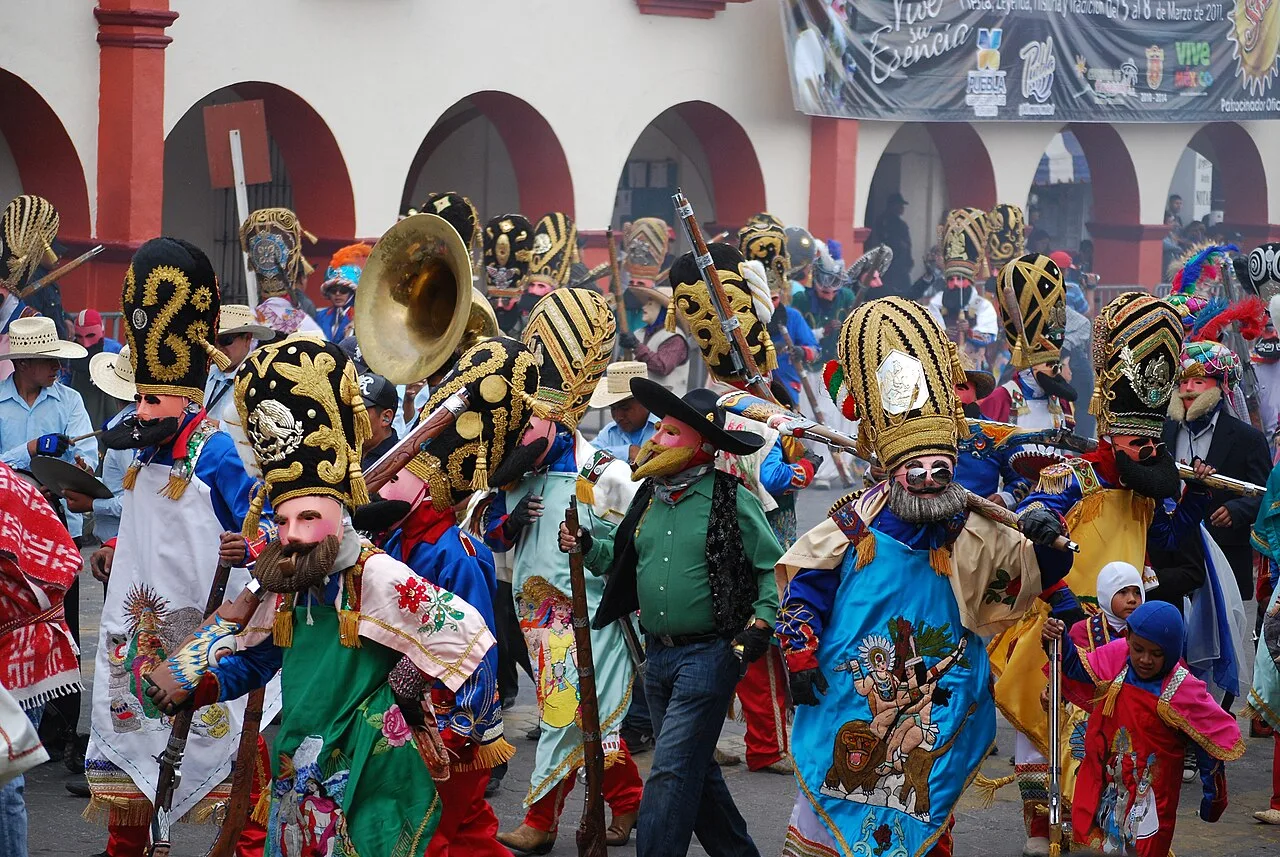
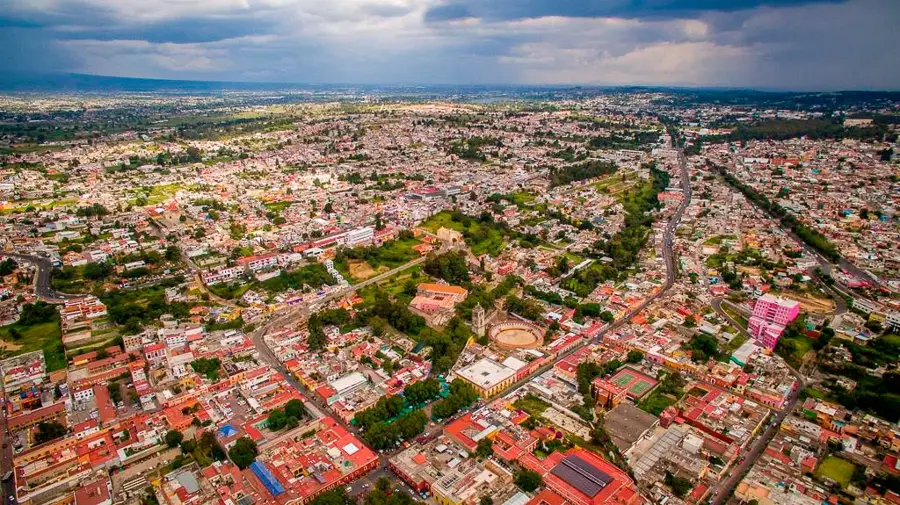
Tlaxcala de Xicohténcatl, the capital of Mexico's smallest state, is a city of profound historical significance located in the central highlands at an altitude of approximately 2,230 meters. Often overlooked by international travelers, it serves as a cornerstone of Mexican history due to the Tlaxcalans' strategic alliance with Hernán Cortés, a move that fundamentally altered the course of the Spanish Conquest. This unique historical trajectory granted the city special status during the colonial era, resulting in the preservation of some of the earliest European structures in the Americas. The centerpiece of the city is the Plaza de la Constitución, a serene square surrounded by historic buildings like the Government Palace, which features sweeping murals by Desiderio Hernández Xochitiotzin depicting the region's complex past. The former Convent of San Francisco, now the Cathedral of Our Lady of the Assumption, is a UNESCO World Heritage site known for its exquisite 16th-century Mudéjar wooden ceiling, one of the few remaining examples of its kind. Beyond its colonial architecture, Tlaxcala is a hub for regional culture and education, home to the Autonomous University of Tlaxcala. The local economy is driven by a mix of light industry, commerce, and traditional crafts, particularly textiles and pottery. The city’s geography is influenced by its proximity to the Malintzin volcano, providing a dramatic backdrop and fertile lands that support the cultivation of maize and agave. Tlaxcala's culinary scene is a highlight, famous for 'sopa de tlaxcala' and the traditional production of pulque. The city maintains a tranquil, provincial atmosphere with clean streets, lush parks, and a strong sense of community. Its demographic profile reflects a blend of indigenous heritage and modern Mexican life, making it an essential destination for those seeking to understand the deep roots of the nation's identity away from the bustle of larger metropolitan areas.
Explore on the map
How well do you know Mexico?
Find cities, landscapes and regions in 10 varied challenges on the interactive map.
Your journey, your memory
A postcard from Tlaxcala
Turn your own photo into a personal postcard with a local stamp. Free and no sign-up required.
Create a postcard- Location: Mexico
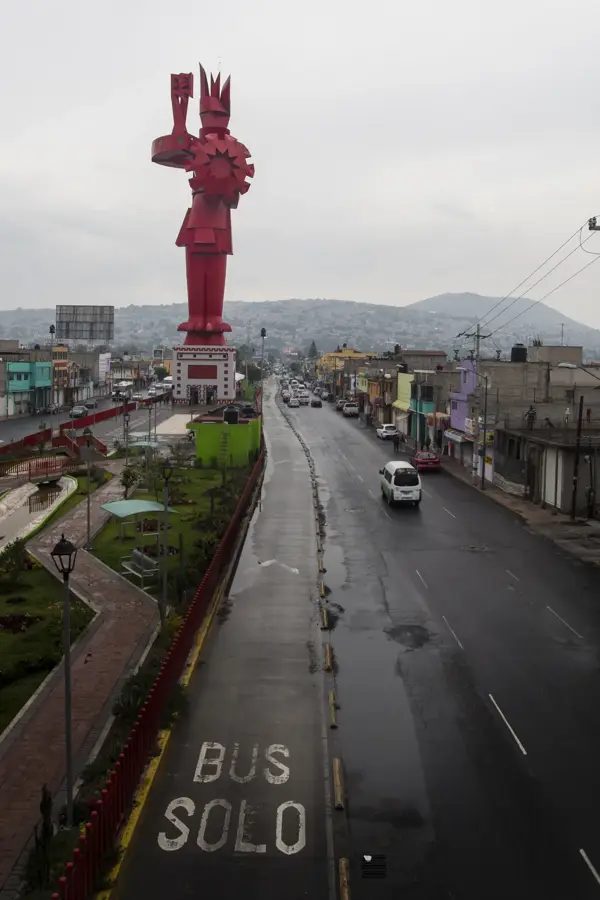
- Highlights: Mirador Temetzontla · La Persignada · Faro de la Sabiduría
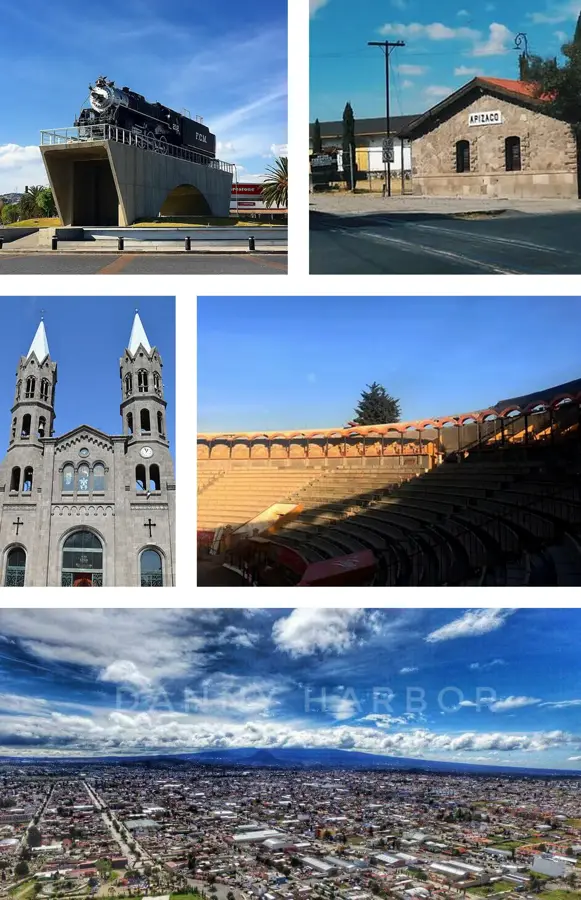
- Nearby: Apizaco (15 km)
- Population: ~84.670 (2026)
Best time to visit & climate
The most pleasant time to visit is Mar–May.
| Jan | Feb | Mar | Apr | May | Jun | Jul | Aug | Sep | Oct | Nov | Dec | |
|---|---|---|---|---|---|---|---|---|---|---|---|---|
| Avg °C | 11 | 12 | 14 | 17 | 17 | 16 | 15 | 15 | 14 | 13 | 11 | 11 |
| Rain mm | 18 | 15 | 25 | 35 | 63 | 146 | 138 | 148 | 168 | 96 | 34 | 14 |
Geography
Facts
- Tlaxcala sits at an elevation of 2,230 meters (7,316 feet) above sea level.
- The city's name means 'Place of Tortillas' in the indigenous Nahuatl language.
- The Cathedral of Our Lady of the Assumption features a unique Mudéjar-style ceiling.
- Tlaxcala was the first place in the Americas to receive a royal coat of arms from Spain.
- The Xicoténcatl Theater is a prominent late 19th-century cultural landmark.
- The city serves as the administrative heart of Mexico's smallest state.
- The murals in the Government Palace were painted by Desiderio Hernández Xochitiotzin.
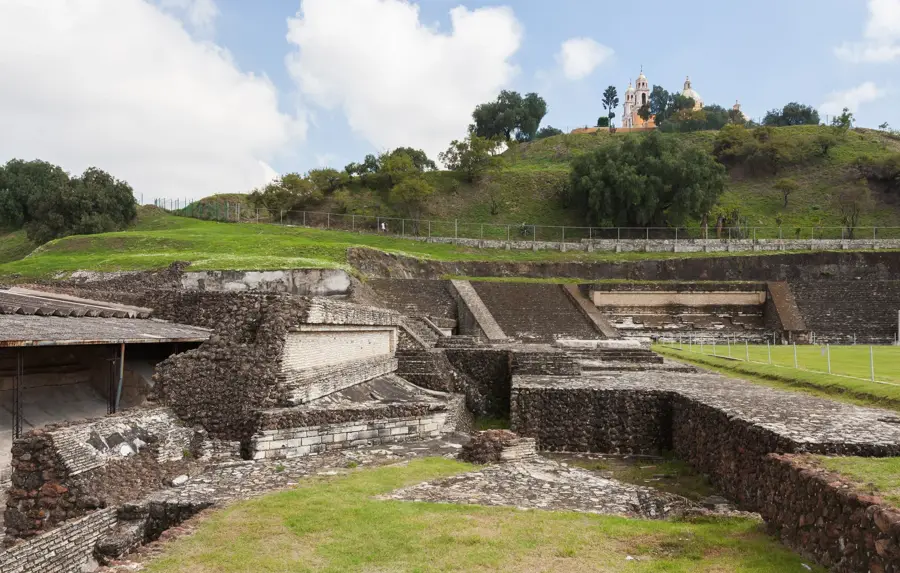
- Nearby Cacaxtla and Xochitécatl are major archaeological sites related to the city.
Explore nearby
Notable places around
Route planner — Car & Motorhome
Where do you start? We build the route here, with stops and country notes along the way.
© OpenStreetMap contributors · OpenRouteService
Start your morning exploring the historic open-air chapel and the scenic stairs. Midday invites you to dive into regional history at the Memory Museum. In the afternoon, soak up the vibrant colonial atmosphere at the Portal Hidalgo arcades. Conclude your day admiring world-class fine art at the Museum of Art.
Capilla Abierta del Ex-convento
Escalinatas de El Ben Vecino
Museo de la Memoria
Portal Hidalgo
Museo de Arte de Tlaxcala
In the morning, explore the Capilla Abierta under the convent's shelter as rain deepens the red hues of the stone. At noon, the city's museums provide a dry sanctuary from heavy downpours. In the afternoon, stroll through the covered arcades of Portal Hidalgo to stay dry. By evening, the wet cobblestones reflect the streetlights, creating a romantic atmosphere in the square.
Capilla Abierta del Ex-convento
Escalinatas de El Ben Vecino
Museo de la Memoria
Portal Hidalgo
Museo de Arte de Tlaxcala
In the morning, a crisp breeze blows from the Malintzi volcano, though the sun quickly warms the historic facades. Noon is ideal for walking under clear, sapphire skies. By late afternoon, temperatures drop noticeably as the sun sets early around 17:00. In the evening, the heated cafes in the center offer a cozy escape from the chilly night air.
Capilla Abierta del Ex-convento
Escalinatas de El Ben Vecino
Museo de la Memoria
Portal Hidalgo
Museo de Arte de Tlaxcala
Kick off your ride at the symbolic Faro de la Sabiduría before pedaling to the historic Ex-convento. Spend midday soaking up the local vibe at Portal Hidalgo and viewing fine art. The afternoon takes you further out to the Community Museum. End your active day at the fascinating Tepeticpac ruins.
Faro de la Sabiduría
Capilla Abierta del Ex-convento
Portal Hidalgo
Museo de Arte de Tlaxcala
Museo Comunitario de la Antigua República de Tlaxcallan
Zona Arqueológica de Tepeticpac
In the morning, cycle quickly to the lighthouse before the first clouds gather. At noon, the ride to the convent requires extra caution on the wet cobblestones. In the afternoon, use gaps in the rain to sprint between the downtown museums. By evening, a bike is practical for moving fast between covered highlights while the street puddles glisten.
Faro de la Sabiduría
Capilla Abierta del Ex-convento
Portal Hidalgo
Museo de Arte de Tlaxcala
Museo Comunitario de la Antigua República de Tlaxcallan
Zona Arqueológica de Tepeticpac
In the morning, the air is bitingly cold, making the ride to the lighthouse very invigorating. At noon, the sun warms up significantly, ideal for longer routes across town. In the afternoon, aim to head back to the center by 16:00 before the frosty winds start. In the evening, cycling is only advised with gloves and a headband as temperatures plunge.
Faro de la Sabiduría
Capilla Abierta del Ex-convento
Portal Hidalgo
Museo de Arte de Tlaxcala
Museo Comunitario de la Antigua República de Tlaxcallan
Zona Arqueológica de Tepeticpac
Begin the day centrally at the iconic Ex-convento, followed by short walks to Portal Hidalgo and the Art Museum. In the afternoon, drive up to explore the Tepeticpac archaeological zone and the grand Santuario. Conclude your road trip enjoying nature at La Persignada and the breathtaking Mirador Temetzontla.
Capilla Abierta del Ex-convento
Portal Hidalgo
Museo de Arte de Tlaxcala
Zona Arqueológica de Tepeticpac
Santuario
La Persignada
Mirador Temetzontla
In the morning, arrive comfortably at the convent by car without getting wet. At noon, the car is the perfect sanctuary during heavy showers between stops. In the afternoon, drive to the higher viewpoints where the rain often creates fascinating mist formations. By evening, enjoy driving through the illuminated, rain-slicked streets of Tlaxcala from the warmth of your vehicle.
Capilla Abierta del Ex-convento
Portal Hidalgo
Museo de Arte de Tlaxcala
Zona Arqueológica de Tepeticpac
Santuario
La Persignada
Mirador Temetzontla
In the morning, enjoy the car's heater as you drive up to the convent hill. At noon, the sunny but cool weather offers the best long-distance views through the car windows. In the afternoon, the drive to the Santuario is especially scenic as the light softens. By evening, your vehicle protects you from the sharp temperature drop after the 17:00 sunset.
Capilla Abierta del Ex-convento
Portal Hidalgo
Museo de Arte de Tlaxcala
Zona Arqueológica de Tepeticpac
Santuario
La Persignada
Mirador Temetzontla
Sights in the town Tlaxcala (17)
Frequently asked questions
Is Tlaxcala worth a visit?
What is the highlight in Tlaxcala?
What is the best way to get to Tlaxcala?
Is the food in Tlaxcala special?
Are there many museums in Tlaxcala?
Tlaxcala: where is it located?
Tlaxcala: what is there to see?
Tlaxcala: when is the best time to visit?
Tlaxcala: why is it worth visiting?

Nearby cities
More places