Plizio Visual Lab
San Cristóbal de las Casas
ℹ️Practical info — San Cristóbal de las Casas
▾
🌤 Weather — 5 days
📍 Nearby
Sights nearby
💡 Tips
- Dress in layers; the evenings in the highlands can get very chilly.
- Always ask for permission before taking photos of local people or inside churches.
- Explore the city on foot through the cobblestone pedestrian streets of Real de Guadalupe.
- Try Pox, a traditional Mayan spirit made from corn, sugarcane, and wheat.
🍽 Food
A hearty bread soup that is a signature dish of San Cristóbal's colonial cuisine.
Visit cafes like Frontera or Carajillo for the best locally produced organic coffee.
A local cheese specialty from Ocosingo, which you can find at the municipal market.
🛍 Shopping · 🧘 Quiet spots
Famous for exquisite textiles, embroidery, and jewelry made from local amber.
A lively local market for spices, traditional foods, and everyday goods.
Climb the steps to the church for a quiet panoramic view over the city.
A nature park with limestone arches and pine forests, just a few kilometers outside the city.
Water temperature…
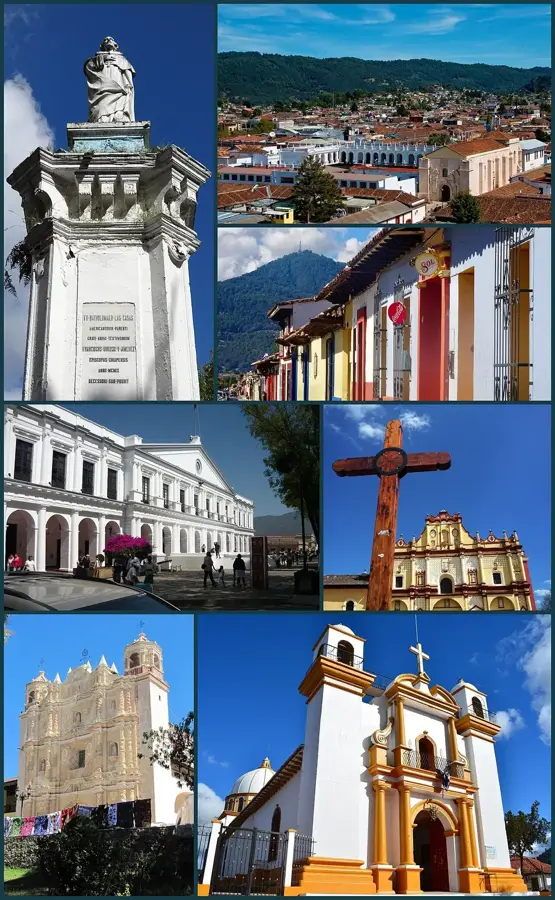
San Cristóbal de las Casas is a high-altitude colonial city tucked away in the Jovel Valley of Chiapas, known for its well-preserved Spanish architecture and spirited indigenous culture. Established in 1528 by Diego de Mazariegos, it served as the capital of Chiapas until 1892 and remains the state's cultural heart today. The city is famous for its narrow cobblestone streets, red-tiled roofs, and ornate churches like the yellow-fronted Cathedral and the Templo de Santo Domingo. It is surrounded by Tzotzil and Tzeltal Mayan villages, whose residents frequent the local markets to sell traditional textiles, amber, and handicrafts. In 1994, the city gained international attention as a primary site of the Zapatista Army of National Liberation (EZLN) uprising. Its cool mountain climate and bohemian atmosphere attract thousands of tourists, scholars, and artists interested in Mesoamerican history and social movements. The city is recognized as a 'Pueblo Mágico' for its immense historical and cultural significance.
Explore on the map
How well do you know Mexico?
Find cities, landscapes and regions in 10 varied challenges on the interactive map.
Your journey, your memory
A postcard from San Cristóbal de las Casas
Turn your own photo into a personal postcard with a local stamp. Free and no sign-up required.
Create a postcard- Location: Mexico
- Highlights: Museum of Amber · Teatro Hermanos Dominguez · Na Bolom
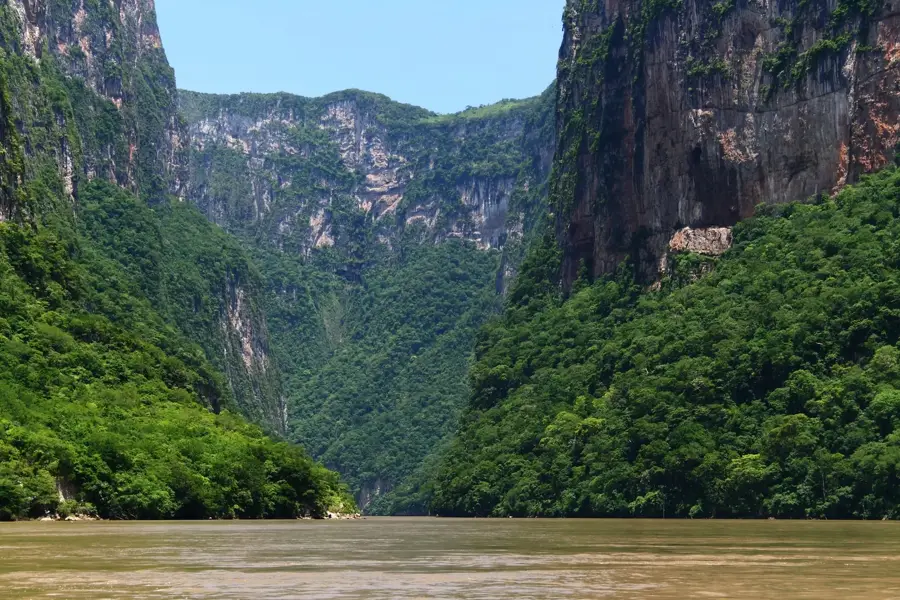
- Nearby: Sumidero Canyon (50 km)
- Population: ~215.874 (2025)
Best time to visit & climate
The most pleasant time to visit is Feb–Apr.
| Jan | Feb | Mar | Apr | May | Jun | Jul | Aug | Sep | Oct | Nov | Dec | |
|---|---|---|---|---|---|---|---|---|---|---|---|---|
| Avg °C | 16 | 18 | 20 | 22 | 22 | 20 | 20 | 20 | 19 | 19 | 17 | 16 |
| Rain mm | 21 | 18 | 19 | 37 | 140 | 245 | 166 | 219 | 269 | 165 | 47 | 27 |
Geography
Facts
- San Cristóbal was founded on March 31, 1528, by Diego de Mazariegos.
- The city sits at an average altitude of approximately 2,200 meters.
- San Cristóbal served as the capital of Chiapas until the year 1892.
- The Zapatista (EZLN) uprising began in the city on January 1, 1994.
- The city's population was approximately 215,000 according to the 2020 census.
- The Na Bolom museum and research center was founded in 1950.
Explore nearby
Notable places around
Route planner — Car & Motorhome
Where do you start? We build the route here, with stops and country notes along the way.
© OpenStreetMap contributors · OpenRouteService
Morning begins in the vibrant heart of the city, admiring the historic monument and the elegant architecture of the Zebadúa Theater. By midday, delve into local heritage with an aromatic visit to the coffee museum followed by intricate jade artifacts. The afternoon is dedicated to the brilliant colors and patterns of Mayan textiles. As evening falls, you explore the glowing fossilized treasures within the amber museum's ancient convent walls.
Monumento al Dr. Manuel Velasco Suárez
Teatro Zebadúa
Cafemuseo cafe
Museo Mesoamericano del Jade
Museo textiles de mundo maya
Museum of Amber
Morning starts at the monument, where an umbrella helps against the first drops. At noon, Teatro Zebadúa offers a dry, historic sanctuary from the downpour. The afternoon is spent exploring the Jade and Textile museums, a perfect escape from the wet streets. In the evening, the Amber Museum glows warmly while the rain patters on the cobblestone alleys outside.
Monumento al Dr. Manuel Velasco Suárez
Teatro Zebadúa
Cafemuseo cafe
Museo Mesoamericano del Jade
Museo textiles de mundo maya
Museum of Amber
The highland winter morning is crisp and cold, perfect for seeing the monument in the early light. At noon, the theater and a hot drink at the cafe provide warmth. Museums offer shelter from the cooling breeze in the afternoon. With sunset around 17:00, we finish at the Amber Museum before the frosty night air takes over.
Monumento al Dr. Manuel Velasco Suárez
Teatro Zebadúa
Cafemuseo cafe
Museo Mesoamericano del Jade
Museo textiles de mundo maya
Museum of Amber
Start your cycling journey at Na Bolom to discover fascinating tales of jungle explorers. Midday brings you back to the center to unearth Mesoamerican jade secrets and savor local coffee history. In the afternoon, you gently pedal past a central monument towards the graceful fine arts hall. The evening ride concludes at a grand modern theater, perfectly capping off a day filled with cultural highlights.
Na Bolom
Museo Mesoamericano del Jade
Cafemuseo cafe
Monumento al Dr. Manuel Velasco Suárez
Sala De Bellas Artes
Teatro Hermanos Dominguez
Cycling in the rain demands caution on the slippery cobblestones. In the morning, Na Bolom's gardens look mystical in the wet. At noon, we take refuge in museums to dry our clothes and check the brakes. In the afternoon, we pedal carefully to the monument through puddles. The day ends at the theater, with the bike parked safely under a roof.
Na Bolom
Museo Mesoamericano del Jade
Cafemuseo cafe
Monumento al Dr. Manuel Velasco Suárez
Sala De Bellas Artes
Teatro Hermanos Dominguez
Winter cycling in the highlands requires gloves and warm clothing. In the morning, the wind is biting near Na Bolom. At noon, the sun warms up a bit by the Jade Museum. In the afternoon, the ride to the monument is refreshing, but shadows are already cold. Since it gets dark at 17:00, we finish quickly at the theater before our fingers freeze.
Na Bolom
Museo Mesoamericano del Jade
Cafemuseo cafe
Monumento al Dr. Manuel Velasco Suárez
Sala De Bellas Artes
Teatro Hermanos Dominguez
Your drive begins in the northern ecological reserve, breathing in the fresh air of the cloud forest trails. Midday invites you to explore profound indigenous traditions at the Mayan medicine and textile museums. In the afternoon, descend to the city center to admire beautifully preserved amber inclusions and regional fine arts. The day winds down with a peaceful evening at the mountain wetlands, watching local bird species in the fading light.
Reserva Ecológica Moxviquil
Museo de la Medicina Maya
Museo textiles de mundo maya
Museum of Amber
Sala De Bellas Artes
Zona Sujeta a Conservación Ecológica Humedales de Montaña La Kisst
By car, the rain is no obstacle to exploring San Cristóbal. In the morning, we visit the misty Moxviquil reserve. At noon, the Medicine Museum provides a dry roof over our heads. In the afternoon, we visit the Textile and Amber museums, where the car drops us right at the door. In the evening, the La Kisst wetlands feel particularly alive and mysterious in the rain.
Reserva Ecológica Moxviquil
Museo de la Medicina Maya
Museo textiles de mundo maya
Museum of Amber
Sala De Bellas Artes
Zona Sujeta a Conservación Ecológica Humedales de Montaña La Kisst
In winter, the car's heater provides comfort between stops. In the morning, frost often covers the Moxviquil landscape. At noon, we explore the museums in the pleasant midday sun. In the afternoon, we visit the cultural highlights as shadows lengthen. Around 17:00, we watch the early sunset at La Kisst before retreating to the warm car.
Reserva Ecológica Moxviquil
Museo de la Medicina Maya
Museo textiles de mundo maya
Museum of Amber
Sala De Bellas Artes
Zona Sujeta a Conservación Ecológica Humedales de Montaña La Kisst
Sights in the town San Cristóbal de las Casas (13)
Frequently asked questions
Why is San Cristóbal so popular?
How is the weather?
Are there good markets?
Is it safe?
How long to stay?
San Cristóbal de las Casas: where is it located?
San Cristóbal de las Casas: what is there to see?
San Cristóbal de las Casas: when is the best time to visit?
San Cristóbal de las Casas: why is it worth visiting?

Nearby cities
History & landmarks
More places