Feast of Santa Marija (Assumption)
Malta's biggest summer feast on 15 August around the Mosta Rotunda, with High Mass by the Archbishop, a procession with the titular statue and spectacular ground fireworks.
PlizioGo
Savory flaky pastries filled with ricotta or mushy peas. Grab a few from the small, hole-in-the-wall pastizzerias near the dome.
Malta's national dish. Look for traditional family-run restaurants in the streets branching off the main square.
A traditional Maltese ring-shaped bread, usually served heavily filled. Great for a quick lunch at cafes in the town center.
A traditional sweet treat. Look for it in local sweet shops or at street stalls if you visit during a village festa.
The small souvenir shops directly surrounding the church often carry traditional Maltese lace and glasswork.
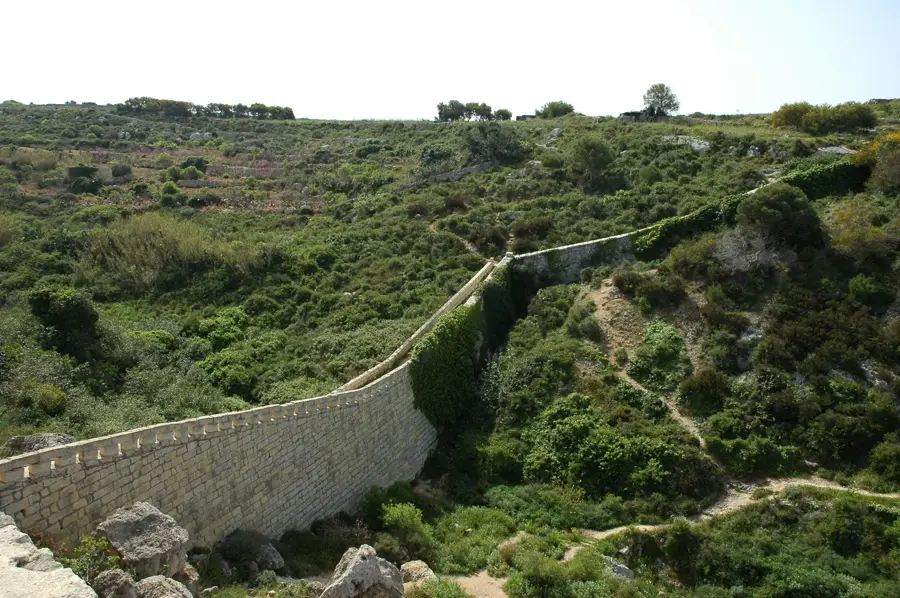
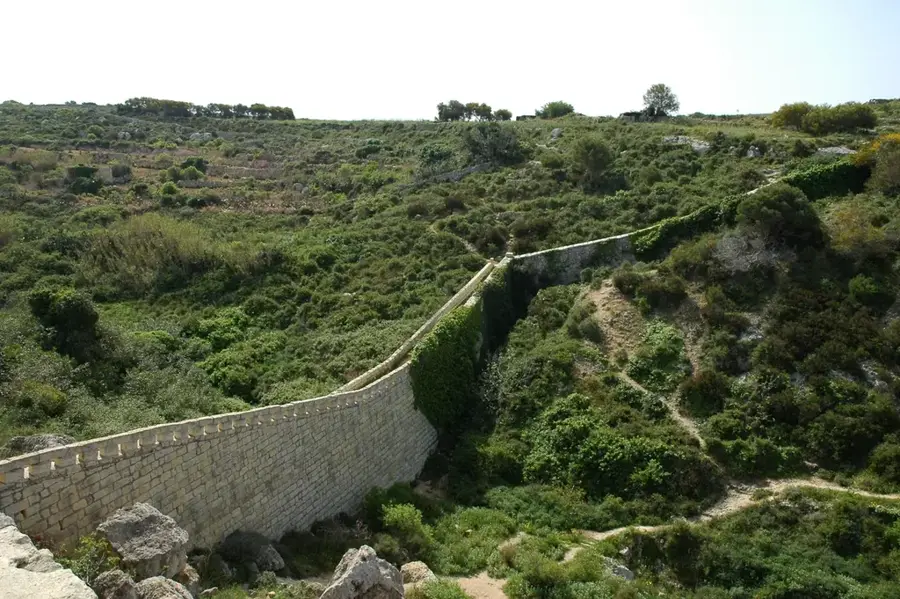
A peaceful natural valley walking path just a short stroll away from the busy town center.
A short bus ride away, offering expansive green spaces and quiet picnic areas away from the urban noise.
Water temperature…
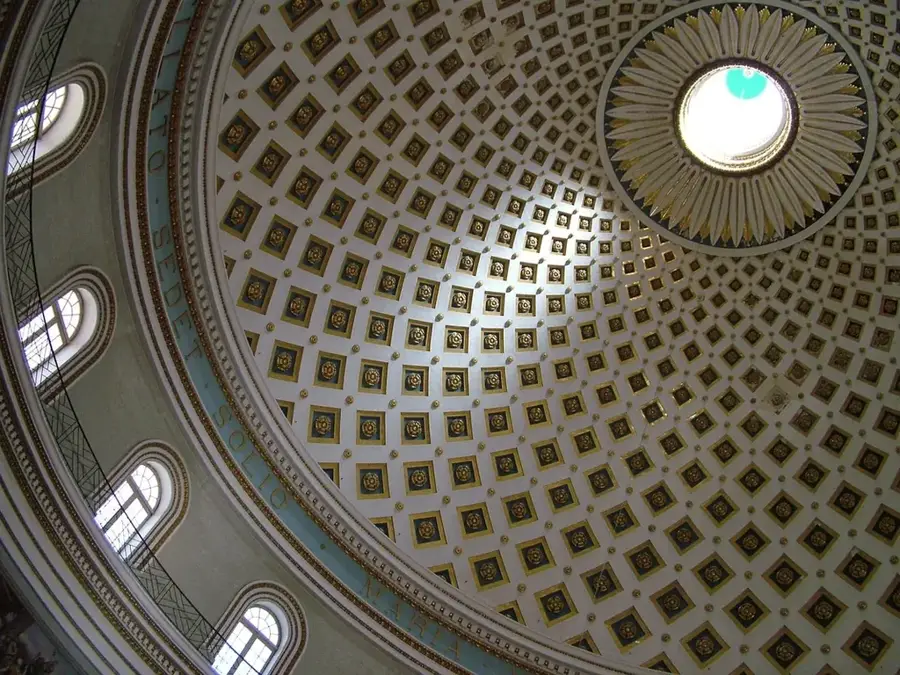
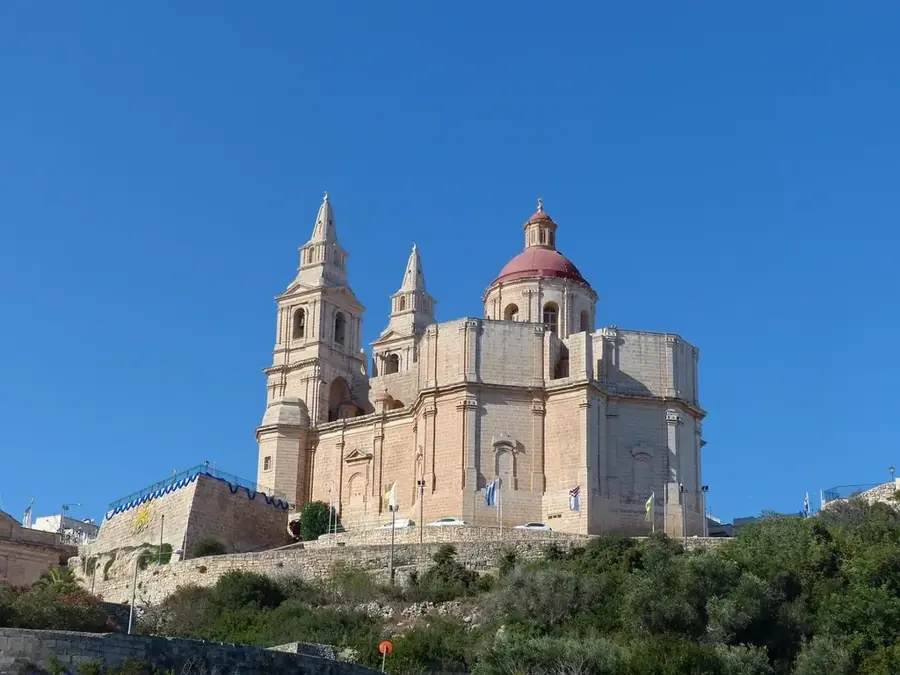
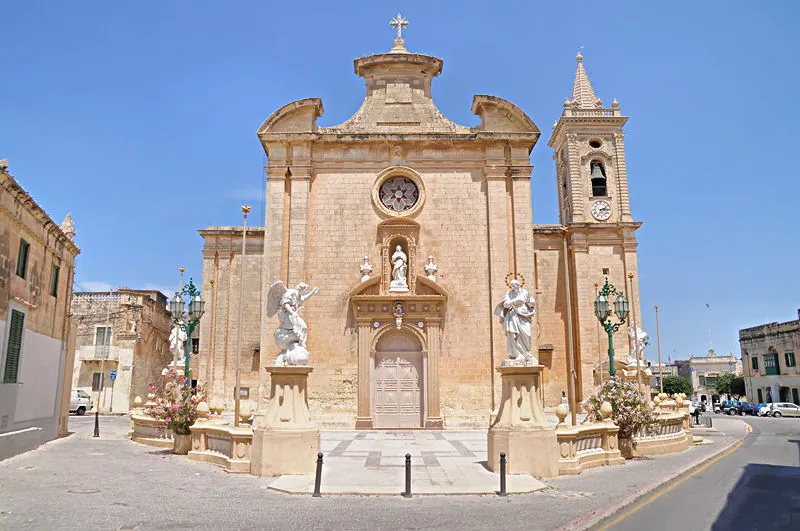
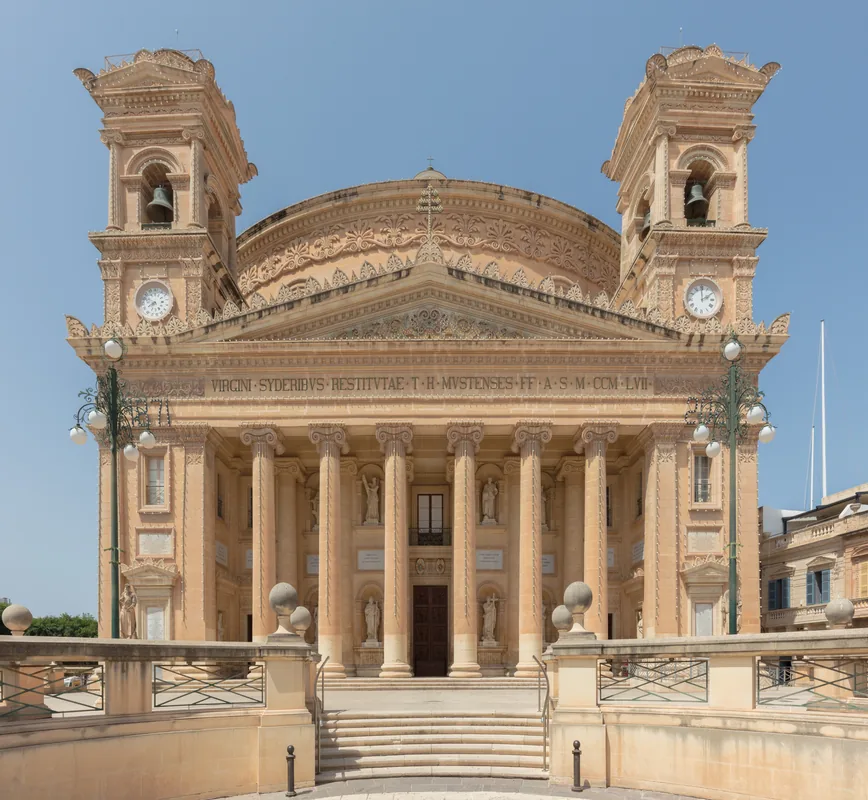
The Mosta Dome, officially the Basilica of the Assumption of Our Lady, is one of Malta's most famous landmarks and a masterpiece of neoclassical architecture. Built between 1833 and 1860, it was designed by the architect Giorgio Grognet de Vassé, who drew inspiration from the Pantheon in Rome. The basilica is renowned for its massive dome, which has an internal diameter of 37.2 meters, making it one of the largest unsupported domes in the world. A defining moment in its history occurred on April 9, 1942, during World War II, when a 200kg German aerial bomb pierced the dome and landed among a congregation of over 300 people but failed to explode. This event is widely regarded as the 'Miracle of Mosta,' and a replica of the bomb is preserved in the church's sacristy. The interior features remarkable marble floors and intricate paintings by the Maltese artist Giuseppe Calì. The Mosta Rotunda remains a focal point of Maltese religious life, especially during the grand feast of the Assumption on August 15th.
Explore on the map
Find cities, landscapes and regions in 10 varied challenges on the interactive map.
Your journey, your memory
Turn your own photo into a personal postcard with a local stamp. Free and no sign-up required.
Create a postcardThe most pleasant time to visit is May–Jul.
| Jan | Feb | Mar | Apr | May | Jun | Jul | Aug | Sep | Oct | Nov | Dec | |
|---|---|---|---|---|---|---|---|---|---|---|---|---|
| Avg °C | 15 | 14 | 15 | 16 | 19 | 23 | 26 | 27 | 25 | 23 | 20 | 16 |
| Rain mm | 74 | 65 | 51 | 33 | 17 | 11 | 4 | 10 | 63 | 82 | 95 | 82 |
Notable places around
Where do you start? We build the route here, with stops and country notes along the way.
© OpenStreetMap contributors · OpenRouteService
Your day in Mosta begins in the heart of the city at the impressive Rotunda. After exploring its history and the nearby war shelters, a walk takes you to the ancient Ta' Bistra Catacombs. In the afternoon, enjoy the tranquility of the Wied il-Għasel valley, home to the legendary Speranza Chapel. The day concludes with a relaxing stroll through Mosta Gardens, providing a peaceful end to your visit.
Start your day in the majestic Rotunda, where the massive dome provides safe shelter from the rain. At noon, head underground to the WWII shelters and catacombs – perfect for staying dry. The afternoon leads to the valley, where paths can be slippery, so watch your step. End the day peacefully in Mosta Garden, enjoying the fresh scent of rain among the lush greenery.
Malta's mild winter sun illuminates the Rotunda beautifully in the morning. Without the summer heat, exploring the catacombs and shelters is very pleasant. At noon, enjoy the quiet atmosphere of the old town with a warm pastizz. As the sun sets around 17:00, the Wied il-Għasel valley offers magical light before the day ends in the cool garden.
Hop on your bike to explore Mosta on two wheels. After the mandatory visit to the Rotunda, you'll pedal to the historic catacombs and down into the picturesque Wied il-Għasel valley. The day's challenge is the climb to Fort Mosta, rewarded with stunning views. After lunch, a gentler ride takes you past Cumbo Tower, ending in the tranquil Mosta Garden.
Cycling in the rain requires extra caution on Mosta's streets. Start at the Rotunda, where you can park briefly under cover. The ride to the catacombs and valley involves some slippery asphalt. A stop at Fort Mosta offers wide, albeit grey, views. Warm up in a café at lunch before carefully finishing the tour at the garden.
Winter cycling in Mosta offers crisp air and mild temperatures. The Rotunda shines in the low sun as you roll towards the Ta' Bistra catacombs. The Wied il-Għasel valley shows its greenest side in winter. After a detour to the windy Fort Mosta, a warm lunch invites you for a break before the tour ends at Cumbo Tower and the quiet garden.
With a car, you have the flexibility to explore Mosta in clusters. Park in the centre and discover the Rotunda, war shelters, and catacombs on foot. Then, drive to the scenic Wied il-Għasel valley for lunch, followed by an exploration of Speranza Chapel and the impressive Fort Mosta. Your day concludes with a short drive back into town to relax in Mosta Garden.
By car, Mosta is easy to explore even in the rain. Park near the Rotunda for a dry start. The drive to the WWII shelter and Ta' Bistra catacombs keeps you away from the showers. At noon, reach Fort Mosta and Wied il-Għasel, where you can enjoy the views partly from the car before the day ends at Mosta Garden.
Explore Mosta in winter by car, enjoying the clear visibility and mild air. Start in the historic centre at the Rotunda before driving to the shelters and catacombs. The mild weather is ideal for the trip to Wied il-Għasel and Fort Mosta, where the landscape is now lush and green. Finish your tour at Mosta Garden before the cool evening air sets in.