Plizio Visual Lab
Żebbuġ, Malta
ℹ️Practical info — Żebbuġ, Malta
▾
🌤 Weather — 5 days
📍 Nearby
Sights nearby
💡 Tips
- Walk through the old district known as Città Rohan to see grand archways and ornate facades.
- The feast of St. Philip in June is world-renowned for its incredible fireworks displays.
- Visit the local band clubs in the main square to experience the heart of Maltese village life.
- Look for the traditional niche statues of saints on the corners of many old houses.
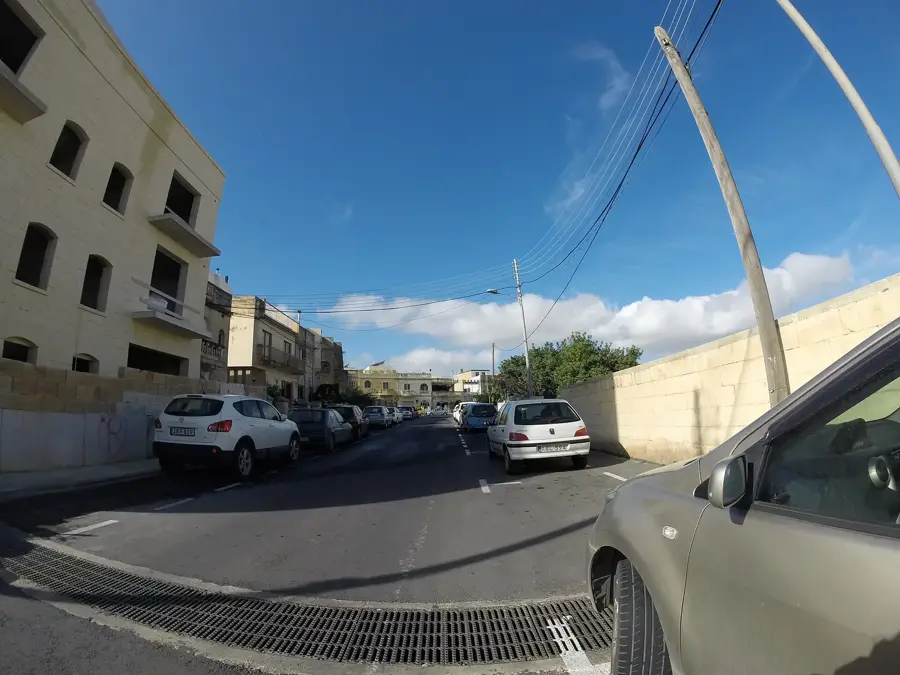
- Park on the outskirts, as the central streets are among the narrowest and most winding on the island.
🍽 Food
Snails in a spicy garlic sauce, a classic local delicacy often enjoyed in village band clubs.
A traditional rabbit feast, which is a specialty of several long-standing restaurants in town.
Grab a quick snack from the small 'pastizzerias' near the square for a truly local experience.
🛍 Shopping · 🧘 Quiet spots
Buy sweet Maltese pastries and biscuits from the family-run shops in the narrow side streets.
Look for small workshops where artisans still create traditional Maltese silver filigree by hand.
A peaceful valley on the outskirts of town, well-suited for nature lovers and quiet walks.
A secluded and quiet square in the old part of town, away from the main road activity.
Water temperature…
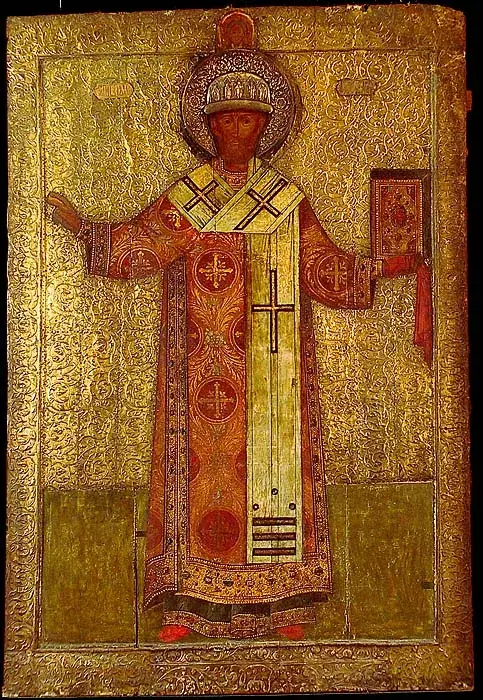
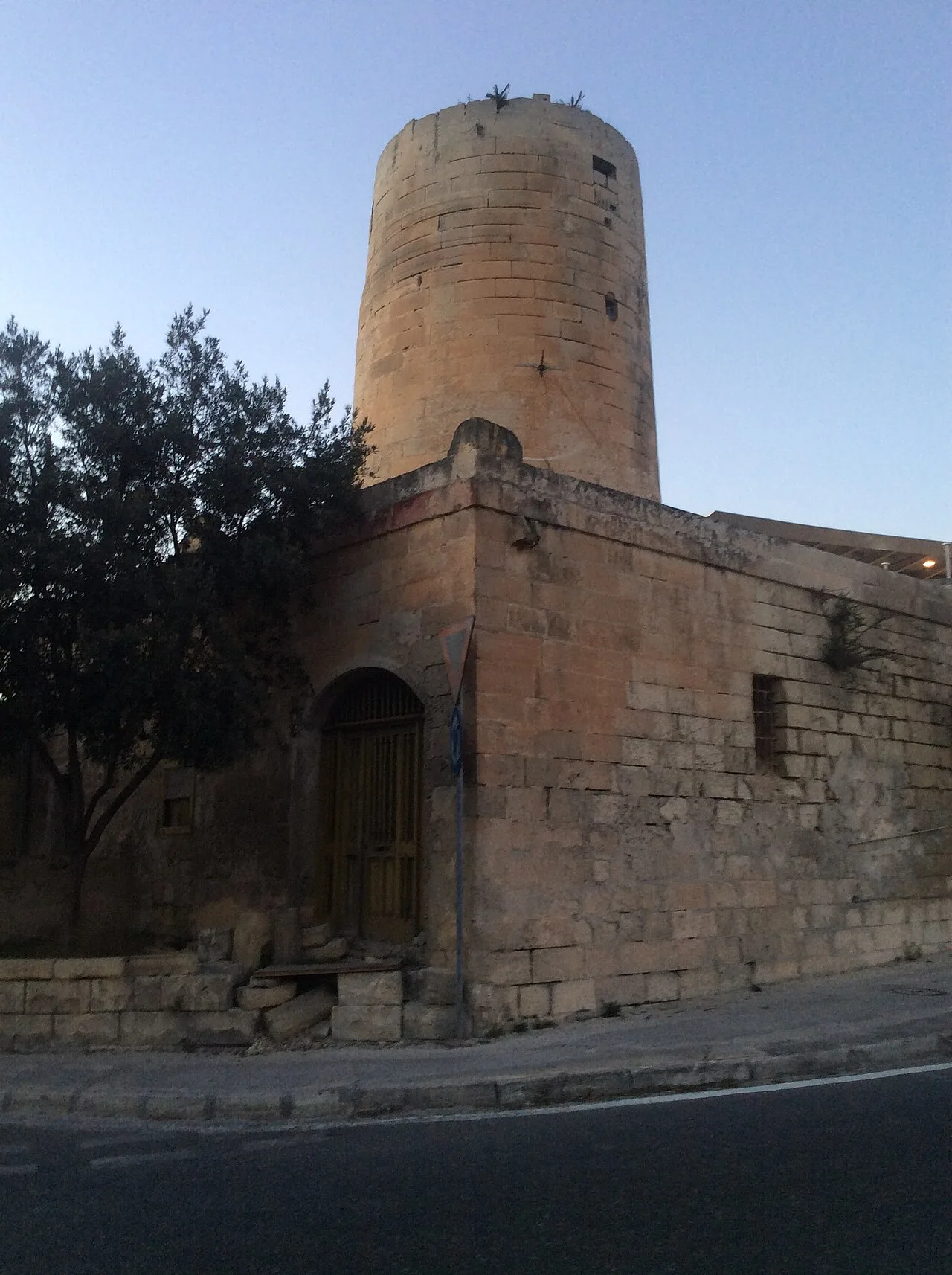
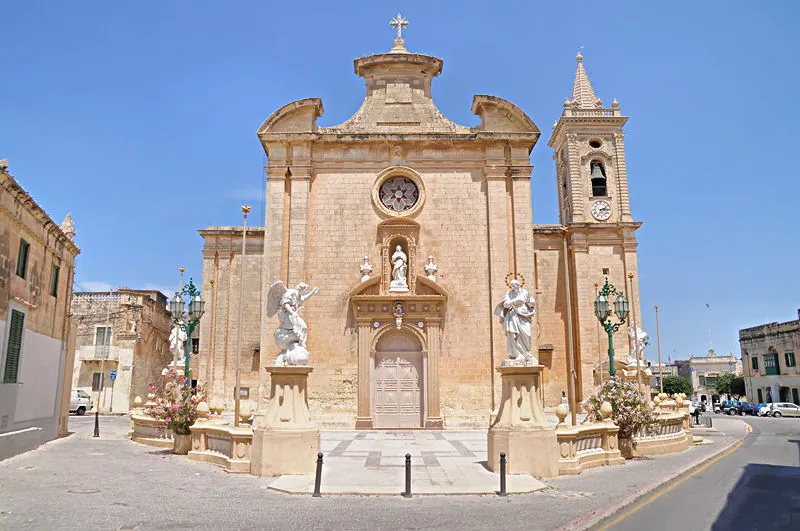
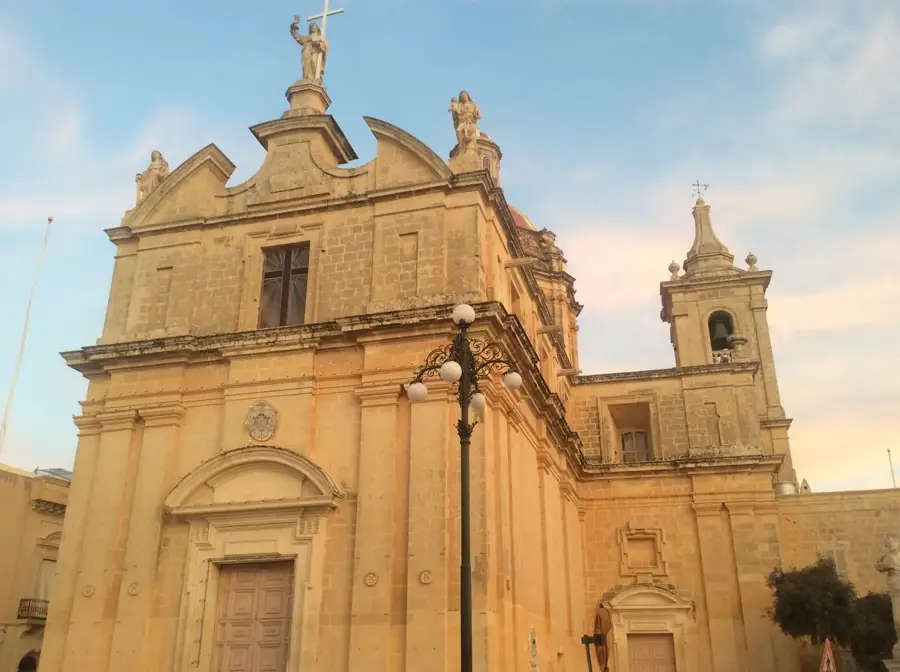
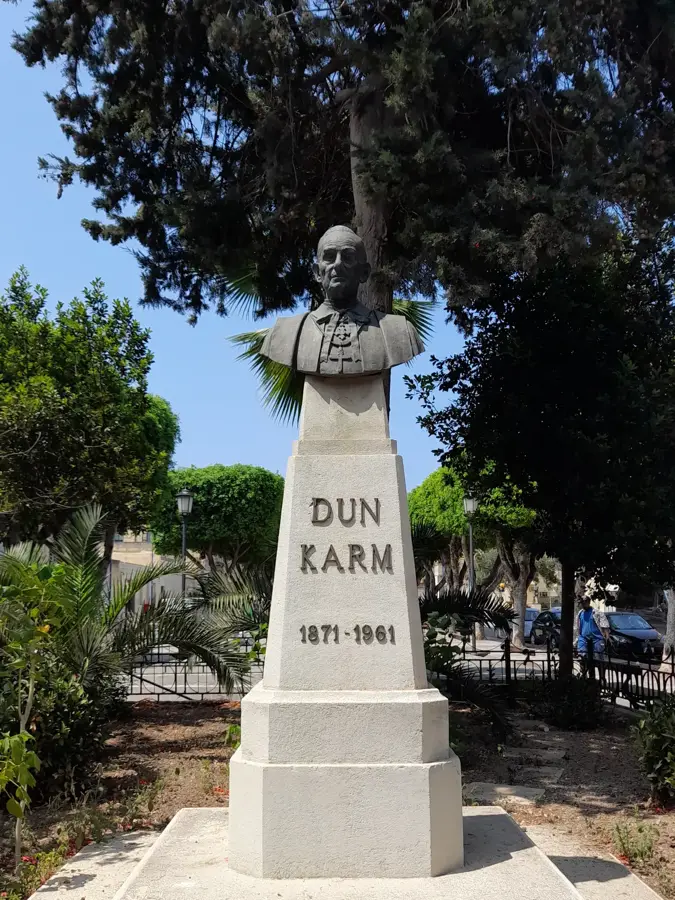
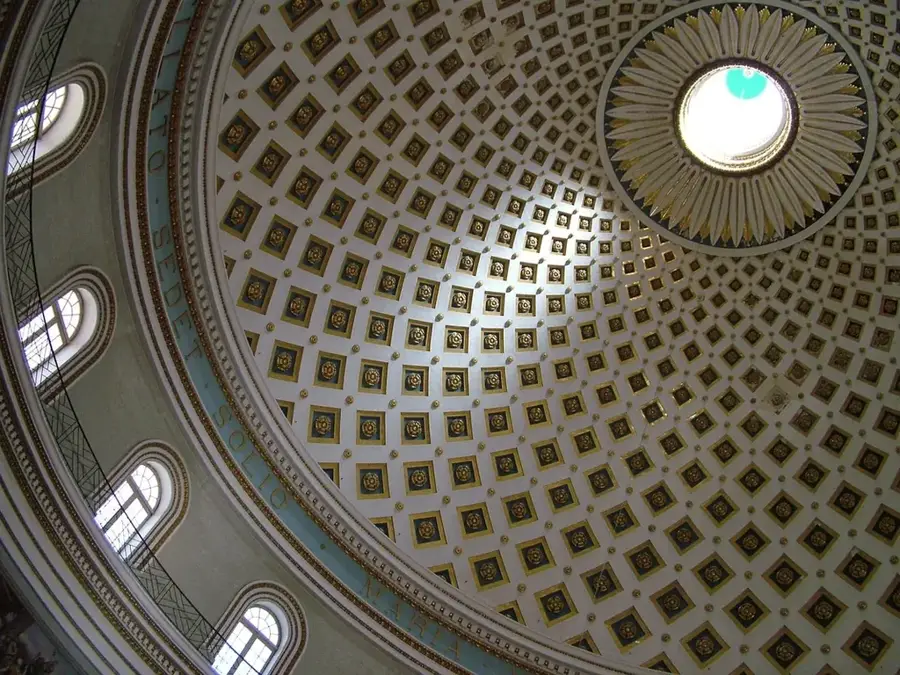
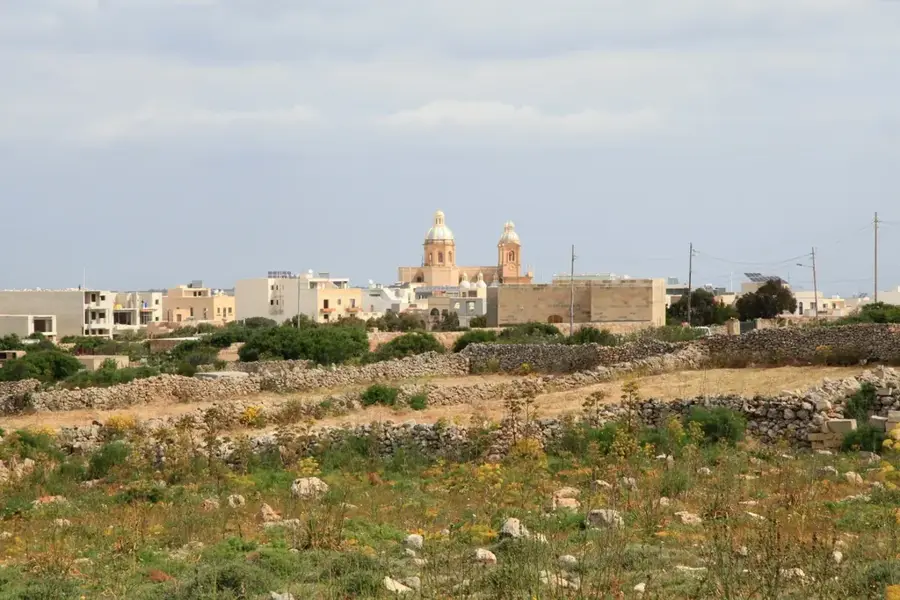
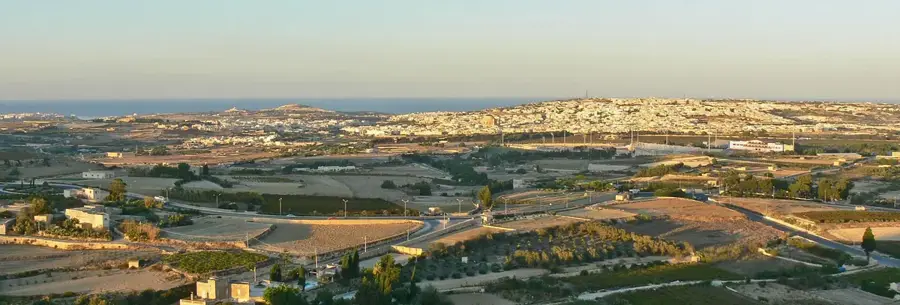
Żebbuġ, also known as Città Rohan, is one of the oldest and most significant settlements in Malta, located in the central part of the island. The city's name is derived from the Maltese word for olives, reflecting the historical economic importance of olive groves in the surrounding region. In 1777, Grand Master Emmanuel de Rohan-Polduc elevated the village to the status of a city, leading to the construction of the De Rohan Arch at its entrance. The architectural heart of the town is the monumental Parish Church of St. Philip of Agira, completed in the 17th century in Baroque style and housing a precious silver statue of the saint. Żebbuġ is also the birthplace of Malta's national poet, Dun Karm Psaila, who wrote the lyrics for the country's national anthem. The city is renowned for its deep-rooted traditions, particularly its grand festivities in honor of Saint Philip, featuring elaborate fireworks and processions. The historic alleys and well-preserved structures from the era of the Knights make Żebbuġ a living testament to Maltese history and culture.
Explore on the map
How well do you know Malta?
Find cities, landscapes and regions in 10 varied challenges on the interactive map.
Your journey, your memory
A postcard from Żebbuġ, Malta
Turn your own photo into a personal postcard with a local stamp. Free and no sign-up required.
Create a postcard- Location: Malta
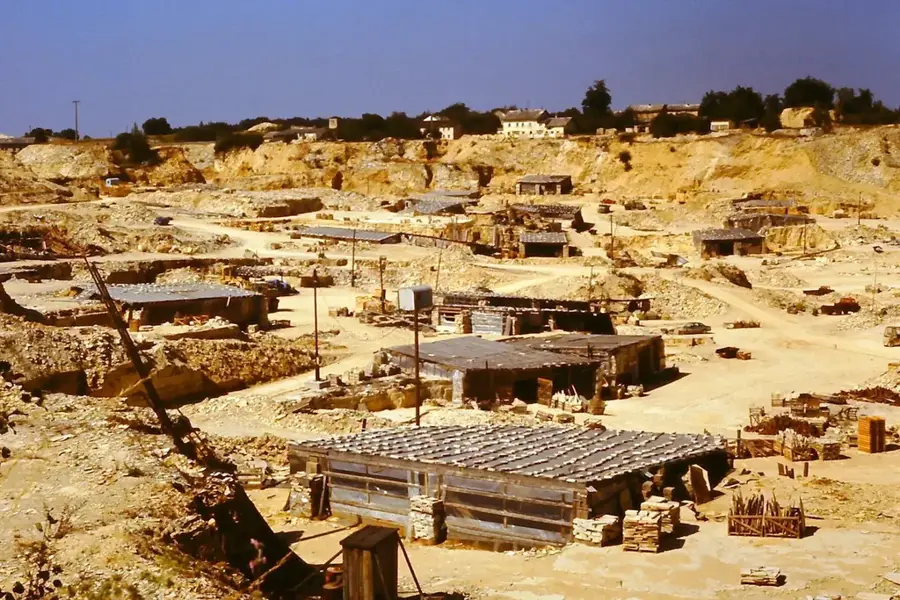
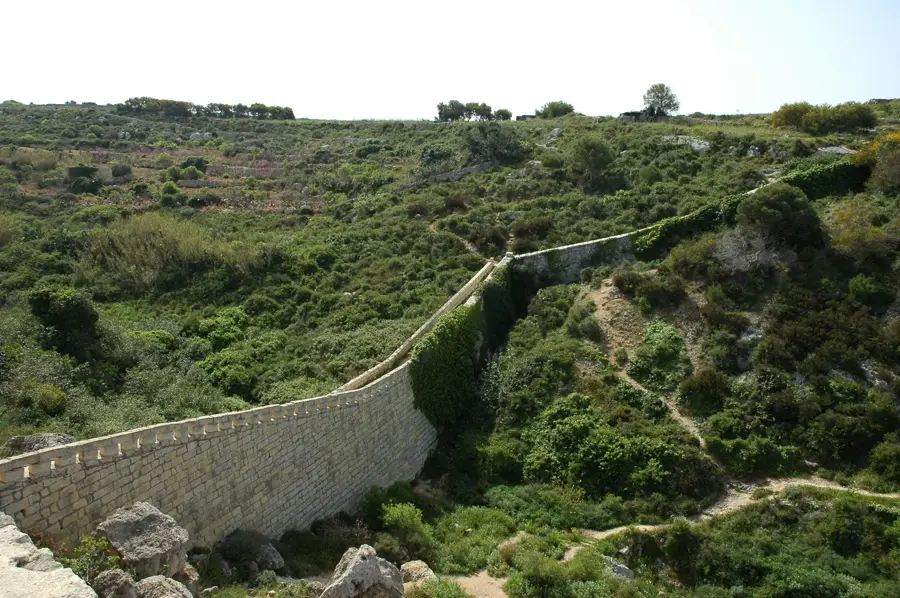
- Highlights: The Limestone Heritage Park and Gardens · Wignacourt Aqueduct · Knisja tal-Lunzjata
- Nearby: Mqabba (4 km)
- Population: ~11.079
Best time to visit & climate
The most pleasant time to visit is May–Jul.
| Jan | Feb | Mar | Apr | May | Jun | Jul | Aug | Sep | Oct | Nov | Dec | |
|---|---|---|---|---|---|---|---|---|---|---|---|---|
| Avg °C | 15 | 14 | 15 | 16 | 19 | 23 | 26 | 27 | 25 | 23 | 20 | 16 |
| Rain mm | 74 | 65 | 51 | 33 | 17 | 11 | 4 | 10 | 63 | 82 | 95 | 82 |
Geography
Facts
- Żebbuġ was elevated to city status in 1777 by Grand Master de Rohan.
- The town is the birthplace of the national poet Dun Karm Psaila.
- St. Philip's Church houses a statue made from 1.5 tons of silver.
- The name of the city translates to 'olives' in the Maltese language.
- The De Rohan Arch was erected to commemorate the granting of city status.
- The parish is one of the ten original administrative parishes of Malta.
Explore nearby
Notable places around
Route planner — Car & Motorhome
Where do you start? We build the route here, with stops and country notes along the way.
© OpenStreetMap contributors · OpenRouteService
Sights in the town Żebbuġ, Malta (5)
Frequently asked questions
What does the name Żebbuġ mean?
What is the Rohan Arch?
Is the town feast worth seeing?
Are there historical houses there?
Can you reach Valletta easily?
Żebbuġ, Malta: where is it located?
Żebbuġ, Malta: what is there to see?
Żebbuġ, Malta: when is the best time to visit?
Żebbuġ, Malta: why is it worth visiting?

Nearby cities
History & landmarks

Nature
More places