Lifting of traffic restrictions during bridge construction
Traffic restrictions between Ipari Road and Mezőszél Street have been lifted following the completion of utility relocation works. This progress is a key part of the infrastructure project supporting the construction of the new Danube Bridge.
Political shift with Tisza Party victory in Mohács
For the first time since 1998, the political landscape shifted as the Tisza Party gained significant ground in this former government stronghold. This electoral result marks a major change in the local political representation of Mohács and its surroundings.
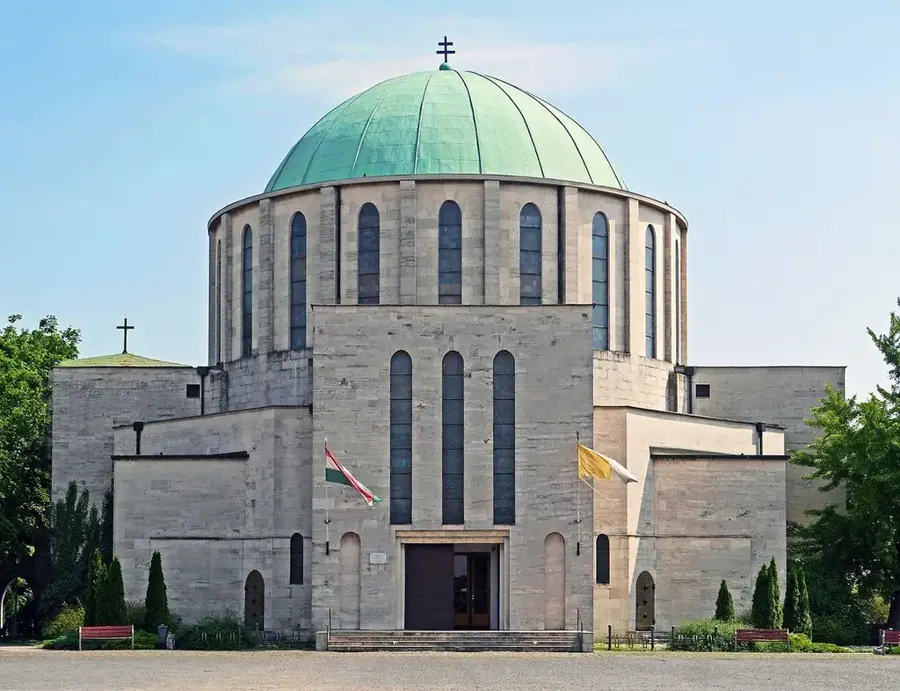
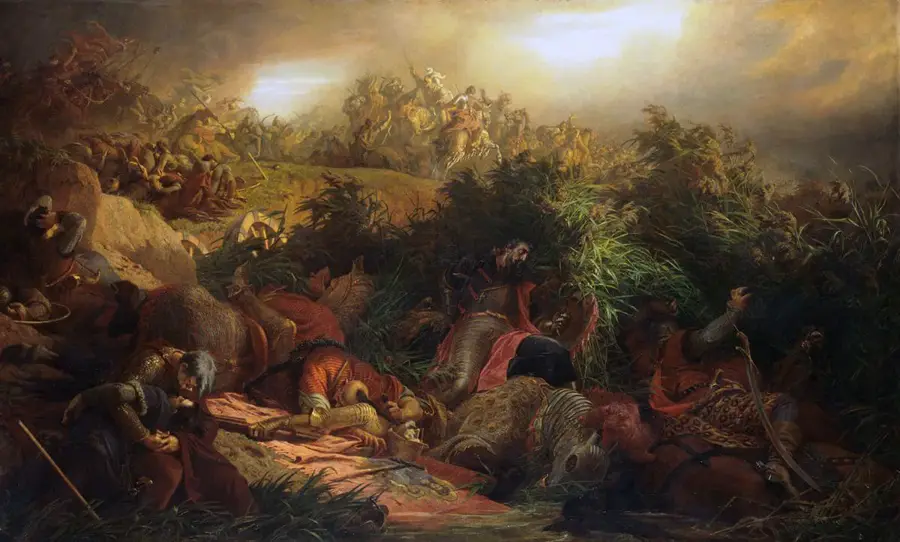
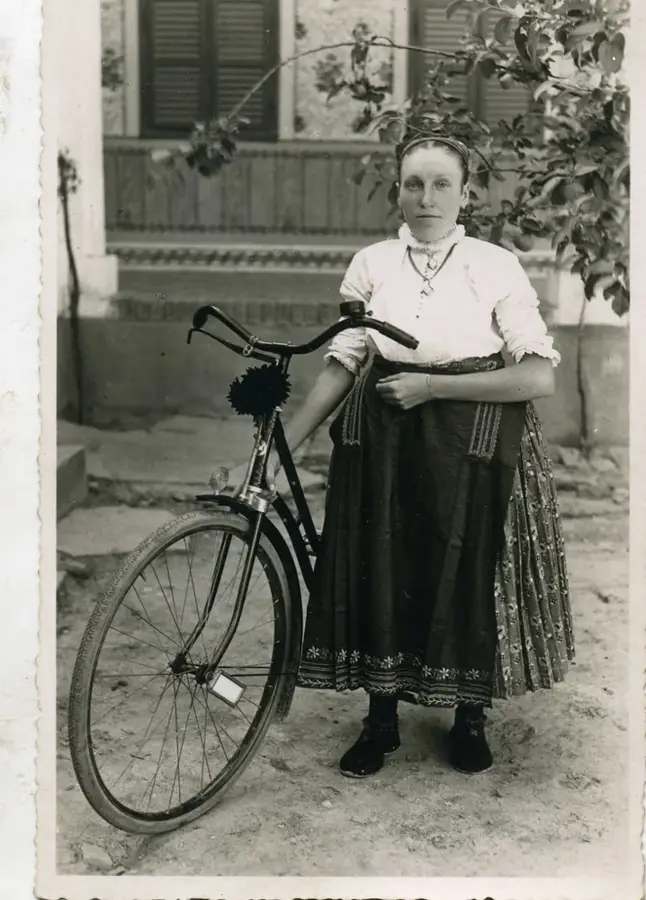
Mohács is a significant port city on the Danube in southern Hungary, etched into European history by two decisive battles. The tragic battle of 1526 marked the beginning of nearly 150 years of Ottoman rule in Hungary, while the second battle of Mohács in 1687 initiated the end of that era. The Mohács National Memorial site has a moving tribute to the fallen soldiers of these historic events. Internationally, the city is best known for the Busójárás, a traditional end-of-winter mask festival that is part of the UNESCO Intangible Cultural Heritage list. During this folk celebration, men dressed in frightening costumes parade through the streets to drive away winter and commemorate the legend of expelling the Turks. The city's skyline is defined by the massive Votive Memorial Church, built to mark the 400th anniversary of the first battle. As a major Danube port, Mohács remains a vital center for river trade and tourism. The city prides itself on its multicultural heritage, harmoniously blending Hungarian, Croatian, and German traditions.
Explore on the map
How well do you know Hungary?
Find cities, landscapes and regions in 10 varied challenges on the interactive map.
Pick weather + travel mode, get a concrete day plan.
09:00→15:162 km walk6 places0/6
Day budget: ≈ 19–25 €Entries 22€ · Transport 0€
Your walk through Mohács begins in the bustling Széchenyi Square, the heart of the city. In the morning, you'll explore the architectural gems around the square, including the magnificent Town Hall and the poignant Votive Church, which commemorates the famous battle.
Midday is dedicated to the region's rich culture. You'll dive into the fascinating world of the Busójárás tradition at the Busó Yard and deepen your knowledge of local history at the Dorottya Kanizsai Museum. Plan for a traditional lunch at one of the nearby restaurants.
In the afternoon, the focus shifts to relaxation and nature. A leisurely stroll will take you to the Danube Promenade. Here you can enjoy the peaceful atmosphere of the river, watch the ships, and breathe in the fresh air.
End your day with dinner at a restaurant overlooking the Danube. Be sure to try the local fish soup while watching the sunset over the water. It's the perfect conclusion to a day filled with history and culture.
← swipe for more places →
📍
09:10 · 47'
Széchenyi Square
Start your day here with a coffee and watch the city life unfold.
Start your morning at Széchenyi Square, where the wet pavement reflects the historic facades. The Town Hall arcades offer a quick escape from the showers. At noon, dive into the folk traditions at the Busó Yard, a perfect indoor activity. Spend the afternoon exploring the Dorottya Kanizsai Museum. End the day with a brisk walk along the Danube promenade under your umbrella.
← swipe for more places →
📍
09:10 · 47'
Széchenyi Square
The cafes around the square offer cozy spots to warm up from the rain.
Begin a frosty morning at Széchenyi Square, with mist often hanging over the Danube. The Town Hall looks majestic in the winter silence. At noon, the Votive Church offers a quiet place for reflection. At the Busó Yard, learn about the winter-scaring traditions, which feel especially authentic in the cold. Enjoy the crisp air at the Danube promenade before the early sunset.
← swipe for more places →
📍
09:10 · 47'
Széchenyi Square
Warm clothing is essential as the wind often picks up in the square.
Hop on your bike and start from Széchenyi Square. In the morning, you'll cycle to the central historical sites like the Votive Church and the Busó Yard. The short distances are ideal for getting familiar with the city.
At midday, a longer but rewarding tour takes you to the Historical Memorial Park south of the city. This ride gives you a feel for the landscape that was the scene of the famous battle. Take time to explore the vast site before continuing to the St. Nicholas Watermill, a hidden technical gem.
In the afternoon, you'll return to the city center to visit the Dorottya Kanizsai Museum. The tour concludes with a relaxing ride along the Danube Promenade, where you can stretch your legs and enjoy the riverside atmosphere.
At the end of the day, enjoy a well-deserved meal at one of the city's csárdas. The bike tour has surely made you hungry, and a hearty Hungarian meal is just the thing.
← swipe for more places →
📍
09:10 · 47'
Széchenyi Square
The handy starting point for your bike tour of the city.
Brave the rain on two wheels. In the morning, explore the center before cycling to the Memorial Park, where the wet earth adds to the gravity of the site. At noon, St. Nicholas Watermill provides a cozy, dry stop. Return to the center for museum visits in the afternoon. End the day with a quick ride along the rainy Danube.
← swipe for more places →
📍
09:10 · 47'
Széchenyi Square
Be careful on the wet cobblestones when starting your ride.
A refreshing winter tour through Mohács. In the morning, cycle through the quiet center to the Votive Church. The ride to the Memorial Park offers vast views of the winter landscape. At noon, warm up at the watermill. The afternoon is for the city's museums. Finish the tour on the promenade as the sun sets early over the horizon.
← swipe for more places →
📍
09:10 · 47'
Széchenyi Square
Watch out for frosty, slippery surfaces in the early morning hours.
By car, you'll explore Mohács in two clusters. First, you park in the center and dedicate the morning to the cultural heart of the city. On foot, you'll discover the Busó Yard, the Dorottya Kanizsai Museum, and then stroll to Széchenyi Square with the Votive Church.
After lunch downtown, you drive to the region's most important historical site, the Historical Memorial Park south of the city. The short drive gives you the flexibility to explore this vast and moving place at your own pace.
The afternoon belongs to the Danube. You drive to the riverbank, park again, and enjoy the relaxed atmosphere of the promenade. A long walk by the water is the perfect end to a day that combines urban culture with significant history.
The day ends when you decide whether to have dinner at one of the city's many csárdas or start the short drive home. The car gives you the freedom to plan your evening flexibly.
← swipe for more places →
📍
09:10 · 47'
City Center Parking
Park here and explore the first part of the city on foot.
A comfortable rainy day in Mohács. Park in the center and visit the Busó Yard and museums without getting soaked. At noon, see Széchenyi Square and the Votive Church. The short drive to the Memorial Park allows you to visit even in bad weather. Close the day with a view of the rainy Danube, perhaps from the comfort of your car.
← swipe for more places →
📍
09:10 · 47'
City Center Parking
Central parking lot, a handy starting point in the rain.
Explore Mohács in winter by car. Start in the center and enjoy the warmth of your vehicle between cultural stops at the Busó Yard and museums. Visit the majestic Votive Church and then drive to the Memorial Park, which radiates a special atmosphere in winter light. End the day comfortably at the Danube promenade before the evening chill sets in.
← swipe for more places →
📍
09:10 · 47'
City Center Parking
Parking surfaces can be slippery in freezing weather; be careful when exiting.
An interactive exhibition space dedicated to the UNESCO-recognized Busójárás carnival, showcasing traditional masks and costumes.
Votive Church🏺 historical
A monumental domed church on the main square, built to commemorate the 400th anniversary of the Battle of Mohács.
Mohács Town Hall🏙 civic
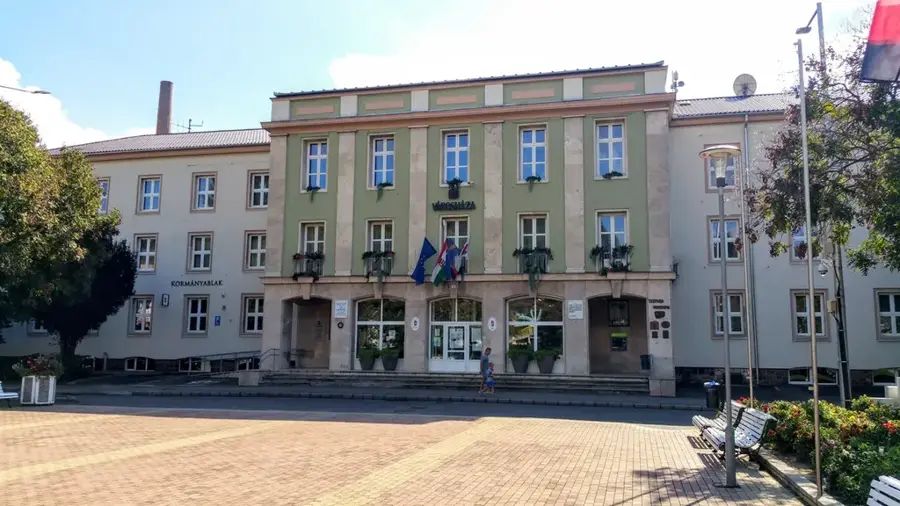
A unique building with Oriental architectural elements located on Széchenyi Square, serving as the city's administrative center.
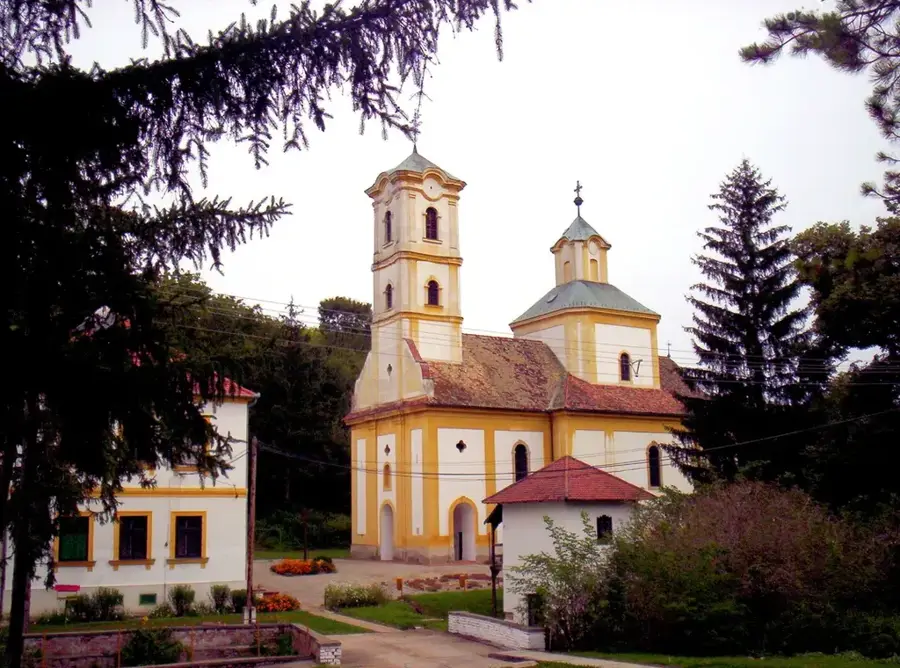
Serbian Orthodox Church🏺 historical
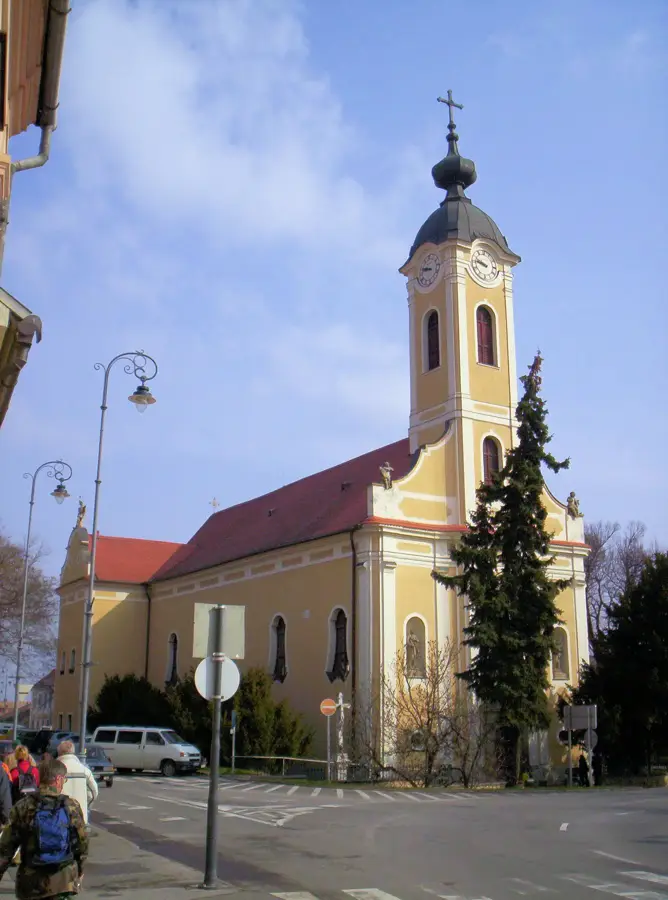
An important religious monument that reflects the heritage of the local Serbian community in Mohács.
Mohács Ferry Port🏙 civic
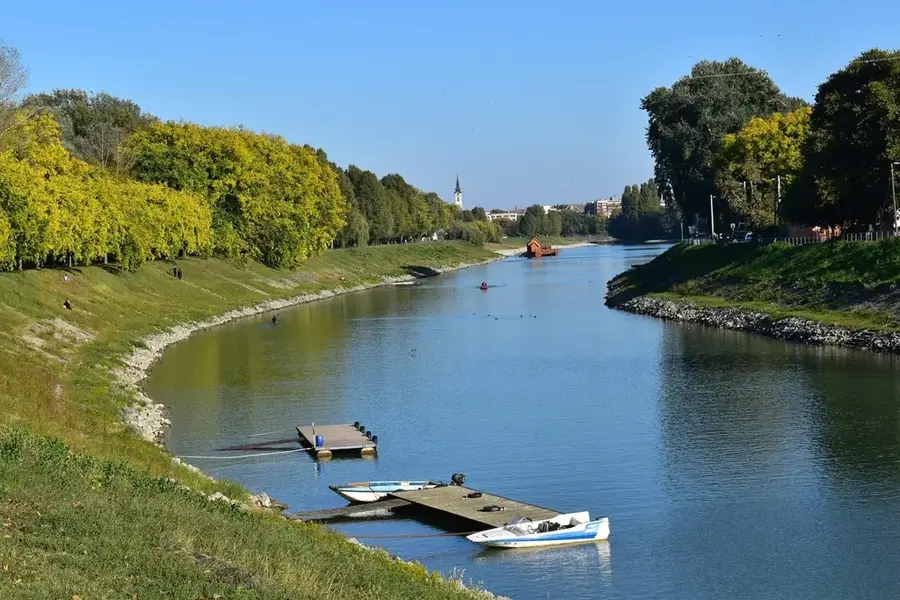
The busy port connects the city with the Mohács Island on the opposite bank. It is a lively spot on the Danube with views of the river traffic.
Széchenyi Youth Center🏙 civic
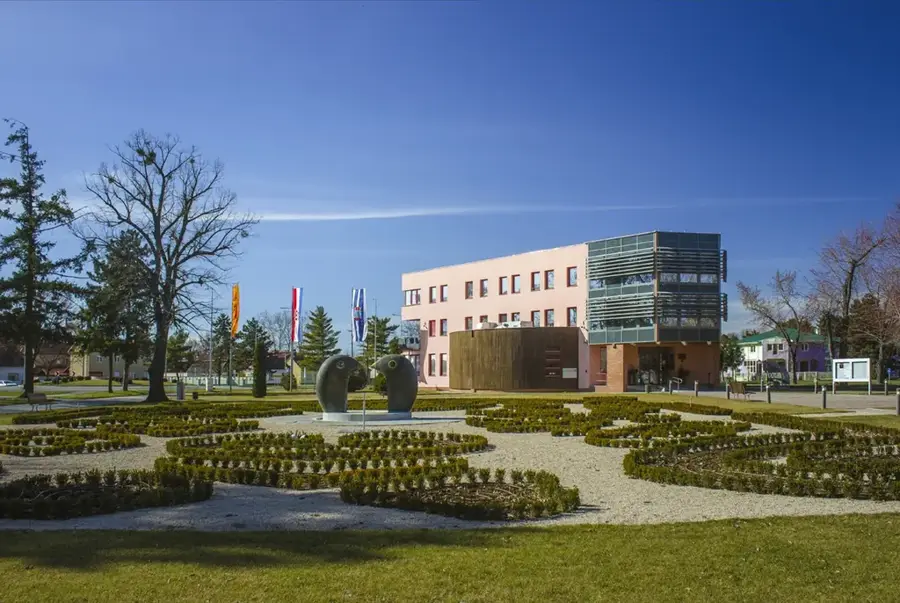
This modern multi-purpose building serves as a cultural hub for exhibitions and conferences. it features a large hall and hosts regular community programs.
Mohács Ship Mill🎭 culture
A faithful reconstruction of an old mill on the Danube, grinding grain using the river's current.
Mohács Water Tower🎭 culture
A prominent industrial landmark that towers over the city, often used for local exhibitions.
Frequently asked questions
When is the Busójárás festival?
The festival is held every year in late February or early March during the carnival season to chase away winter.
What is the Mohács Historical Memorial Site?
A memorial park and cemetery outside the city, commemorating the fateful battle against the Ottomans in 1526.
Is there a museum about the Busós in Mohács?
Yes, the Busó Court (Busóudvar) displays traditional masks and costumes and explains the history of this UNESCO heritage.
What is the typical food in Mohács?
Try the Mohács fish soup (halászlé), often prepared with fresh fish from the Danube.
How can you cross the Danube in Mohács?
There is a regular car ferry connecting the city center with Mohács Island on the opposite bank.
Mohács: where is it located?
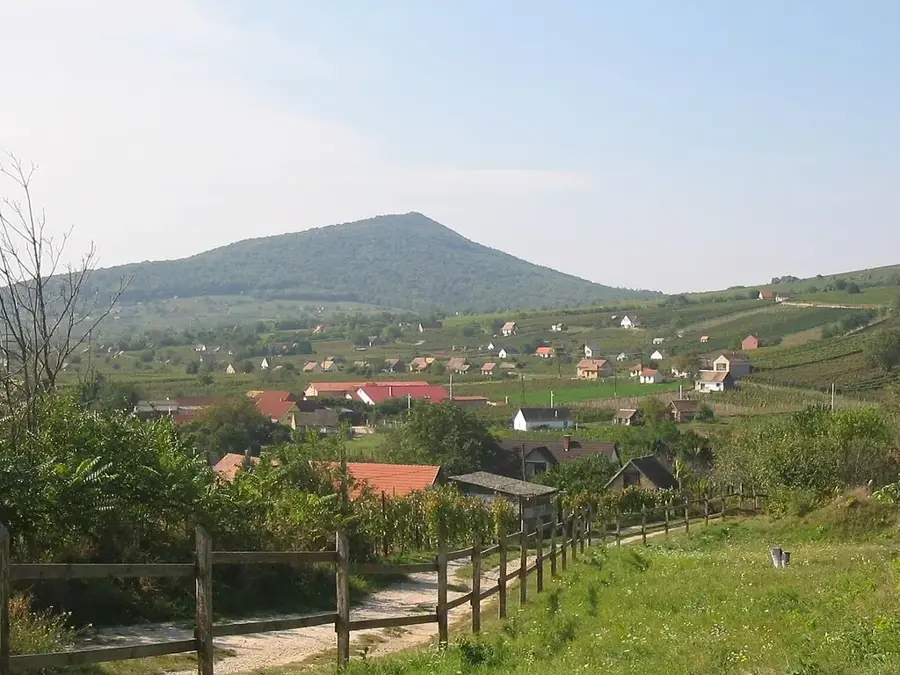
Mohács is located in Baranya, Hungary.
Mohács: what is there to see?
Highlights include Busó Yard (Busóudvar), Votive Church, Mohács Town Hall.
Mohács: when is the best time to visit?
The most pleasant time to visit is Jun, Aug, Sep.
Mohács: why is it worth visiting?
Mohács is a significant port city on the Danube in southern Hungary, etched into European history by two decisive battles.