Plizio Visual Lab

Saale (Saxony-Anhalt)

Plizio editorial teamData Sources
River
—°11
Saale (Saxony-Anhalt) (Germany)

Weather…

Highlights of 2026

1

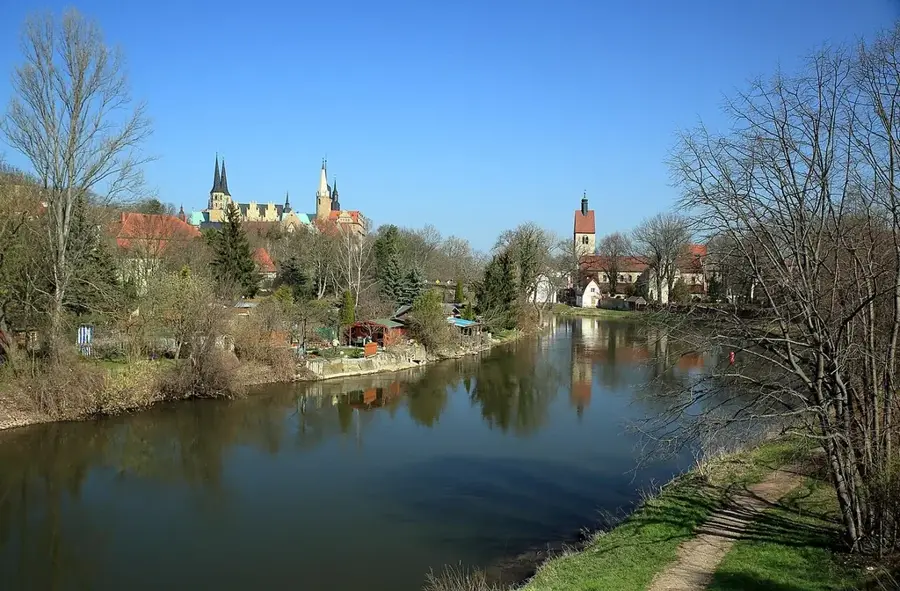
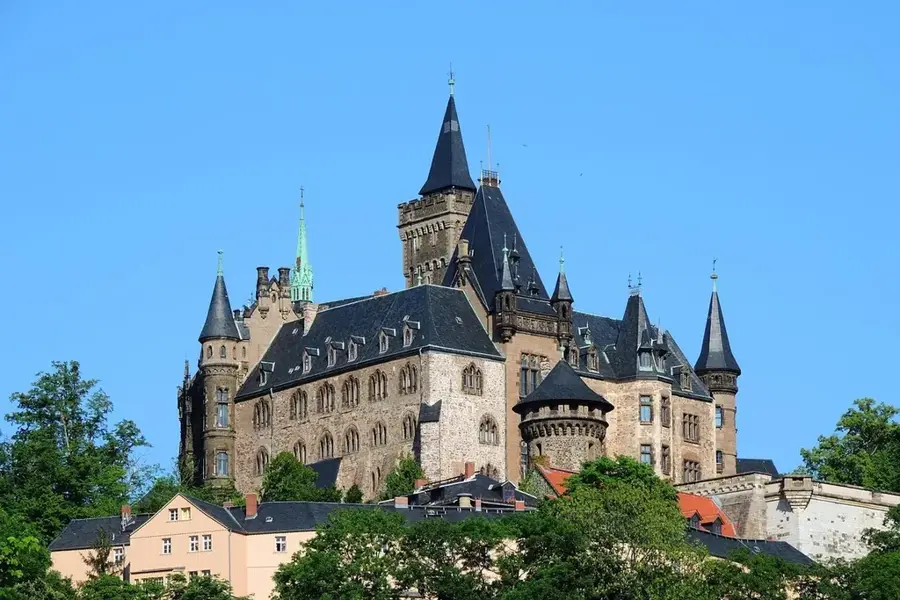
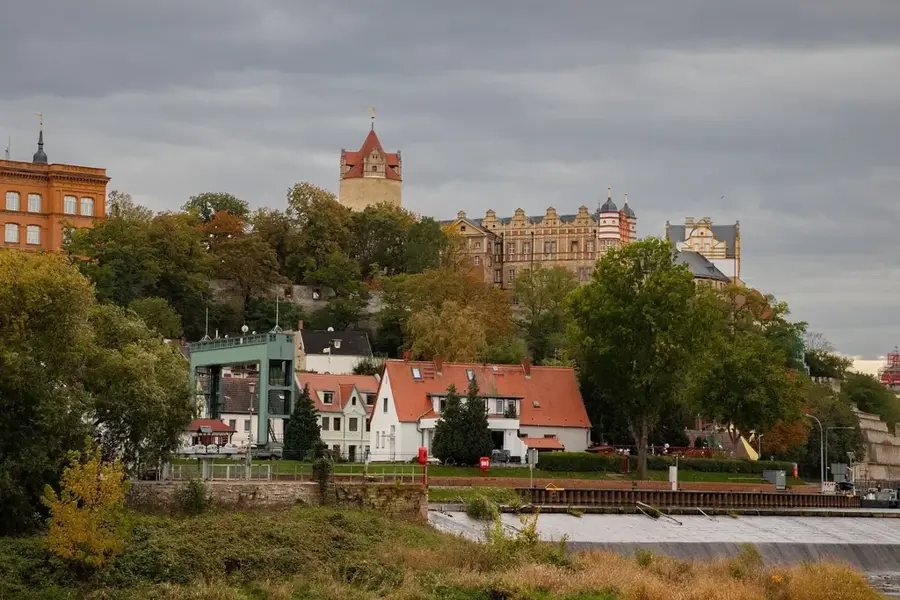
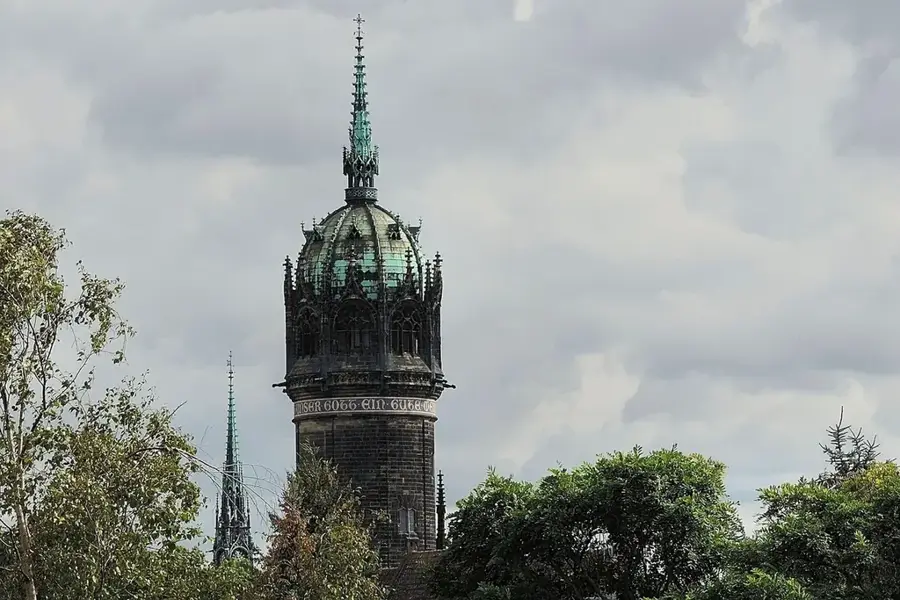
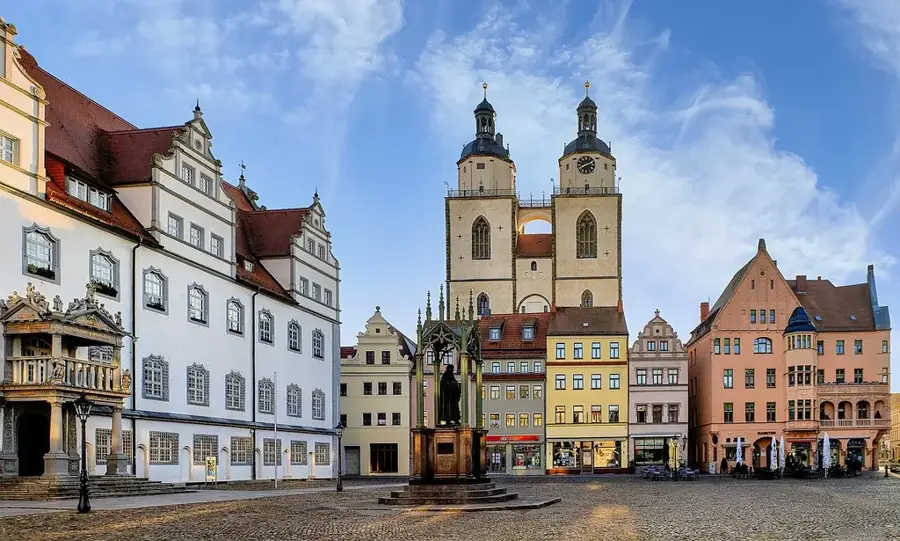
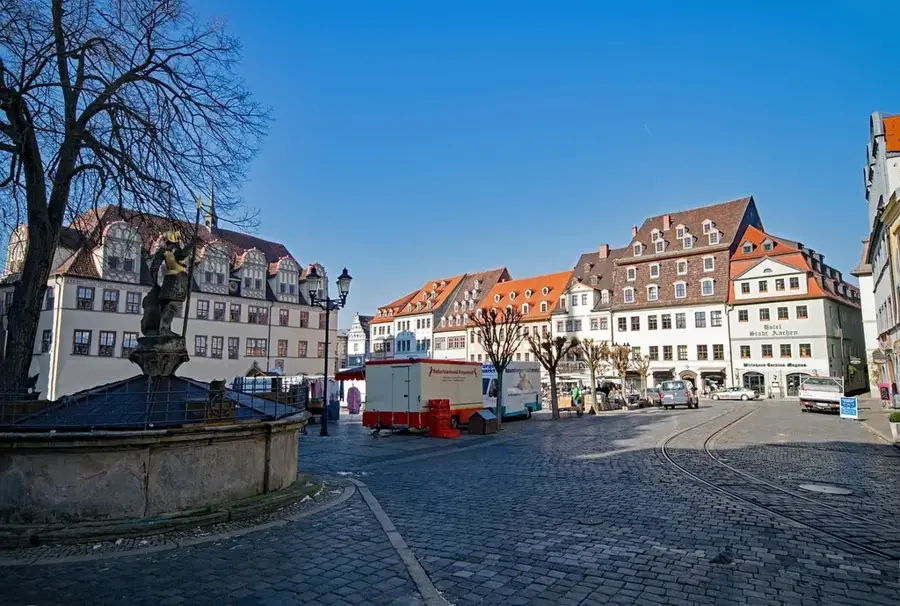
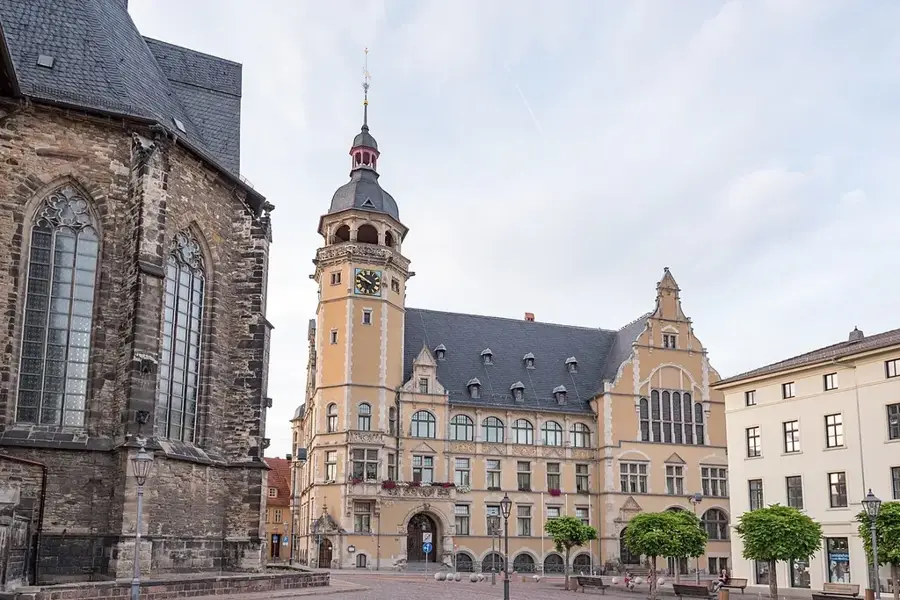
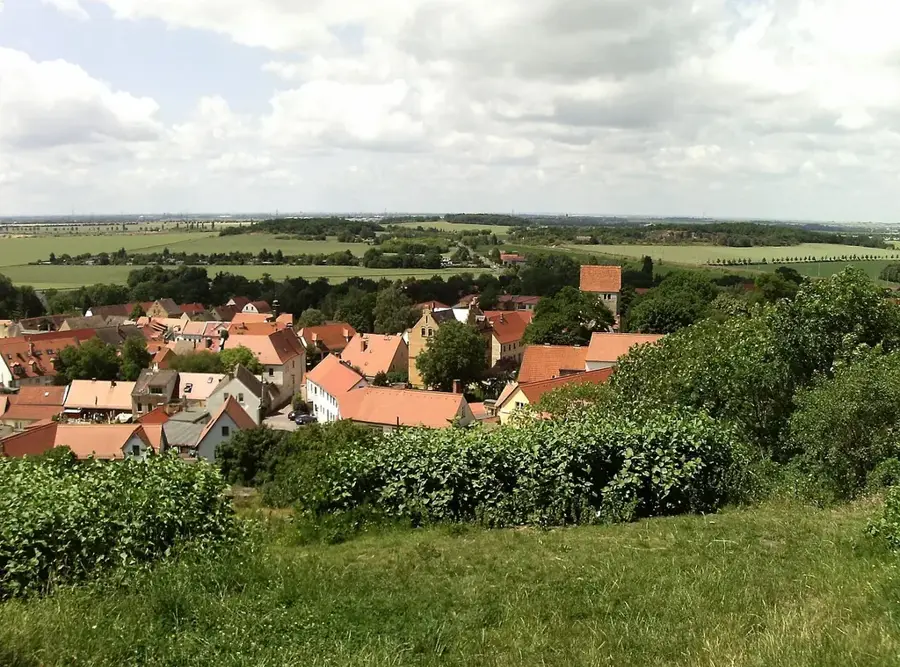
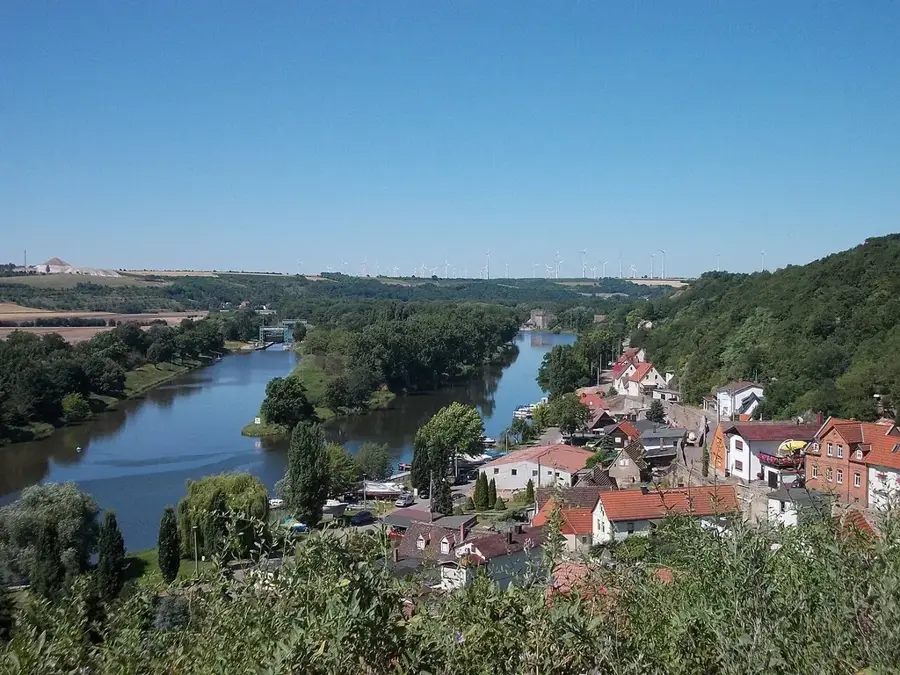
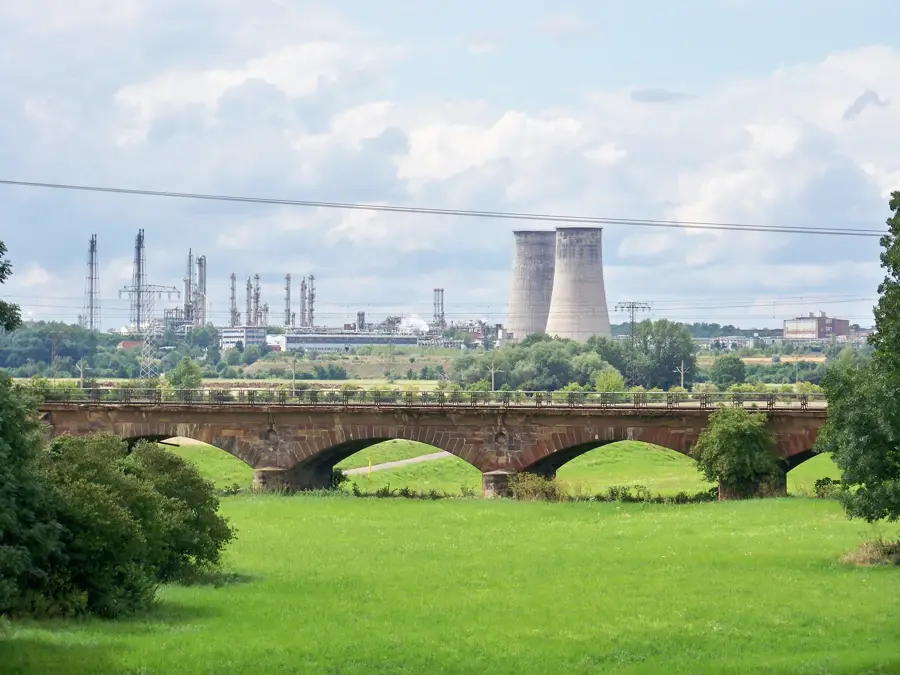
The Saale, with a length of 413 kilometers, is the most significant tributary of the Elbe and a defining feature of southern and eastern Saxony-Anhalt. Originating in the Fichtel Mountains, the river flows through deep-cut valleys and broad floodplains before joining the Elbe near Barby. In Saxony-Anhalt, the Saale passes through a rich cultural landscape characterized by numerous castles, fortresses, and historic cities such as Naumburg, Merseburg, and Halle. The lower Saale valley is particularly famous for the Saale-Unstrut wine region, Germany's northernmost quality wine-growing area. During the Middle Ages, the Saale was a vital trade route, while today it is a favorite destination for water-based tourism, including canoeing and river cruises. Ecologically, the Saale floodplains provide essential habitats for rare species like the beaver and the kingfisher. The river landscape is also easily explored via the Saale Cycle Route, which is regarded as one of Germany's most diverse long-distance biking paths.

Best time to visit & climate

The most pleasant time to visit is Jun–Aug.

JanFebMarAprMayJunJulAugSepOctNovDec
Avg °C014914182019151051
Rain mm483341325954766054455047

📋 Practical info

🧭
Getting there
The river is easily accessed from regional cities like Halle and Naumburg. The well-marked Saale Cycle Route provides excellent pathways, and regional local trains connect the main towns along the scenic river valley seamlessly.
📅
Best season
May through September is universally the most pleasant time to visit, consistently offering the best weather for cycling, leisurely boat tours, and exploring the surrounding historic vineyards and impressive castles along the valley.
⛰️
Terrain & paths
The landscape delightfully features a diverse mix of flat riverside meadows and striking, steep limestone cliffs adorned with old vineyards, all connected by well-maintained, predominantly paved and accessible cycling and walking trails.
🎒
What to bring
Comfortable walking or cycling shoes are essential for moving around. If you actively plan to hike up to the castles or hillside vineyard viewpoints, sturdy footwear, effective sun protection, and a camera are highly recommended.
🅿️
Parking
Parking is usually readily available in the designated towns along the river, near major historic castles, and at designated starting points for the cycle route, though weekends in mid-summer can predictably get quite busy.
⚠️
Safety
The paved riverside paths are generally very safe and highly family-friendly. However, appropriate care should be gently taken when cycling on shared paths, and all visitors should respectfully observe the private property of the vineyards.
⏱️
Time needed
Visitors often happily spend a full day exploring a particular section of the river, visiting a city like Naumburg, and perhaps taking a short boat trip, while dedicated cyclists might intentionally spend several days continuously on the route.

Geography

Coordinates
51.50000, 11.97000

Facts

  • The Saale rises at an elevation of 728 meters in the Fichtel Mountains of Bavaria.
  • During the Middle Ages, the river marked the boundary between Germanic and Slavic territories for centuries.
  • The river's total drainage basin covers an area of approximately 24,100 square kilometers.
  • In the city of Halle, the Saale splits into several branches, forming an extensive river island system.
  • The Saale-Unstrut region has a wine-making tradition that dates back over 1,000 years.
  • The river is navigable for larger ships only on its lower course near the Elbe confluence.

Explore nearby

Notable places around

Route planner — Car & Motorhome

Where do you start? We build the route here, with stops and country notes along the way.

Vehicle
Only stops with (optional):

© OpenStreetMap contributors · OpenRouteService
Sights in the town Saale (Saxony-Anhalt) (1)

Saalestrand Ziegelwiese🎡 recreation

The Saalestrand at Ziegelwiese is located directly on the Saale river.

Sights nearby

Frequently asked questions

What is the Lower Saale Valley known for?
The region is famous for viticulture (Saale-Unstrut), numerous castles like the Rudelsburg, and its steep limestone cliffs.
Can you go canoeing on the Saale?
Yes, the Saale is a popular area for water hikers with many rental stations between Naumburg and Halle.
Does the Saale flow through the city of Halle?
Yes, the river splits into several branches in Halle and shapes the green cityscape with the Peißnitz Island.
Is there a Saale Cycle Path?
Yes, the cycle path extends from the source in the Fichtelgebirge to its confluence with the Elbe near Barby.
Where are the most beautiful vineyards found?
The most impressive terraced vineyards are located in the Naumburg and Freyburg area, where winemaking has a 1000-year tradition.
Saale (Saxony-Anhalt): where is it located?
Saale (Saxony-Anhalt) is located in Saxony-Anhalt, Germany.
Saale (Saxony-Anhalt): when is the best time to visit?
The most pleasant time to visit is Jun, Aug.
Saale (Saxony-Anhalt): why is it worth visiting?
The Saale, with a length of 413 kilometers, is the most significant tributary of the Elbe and a defining feature of southern and eastern Saxony-Anhalt.
View on map → The Top 50 Attractions → OpenStreetMap →
Europe
Explore with Plizio Discover more places in Europe
More places in Germany →

Nearby cities