Plizio Visual Lab
Elbe (Saxony-Anhalt)

Weather…
Water temperature…
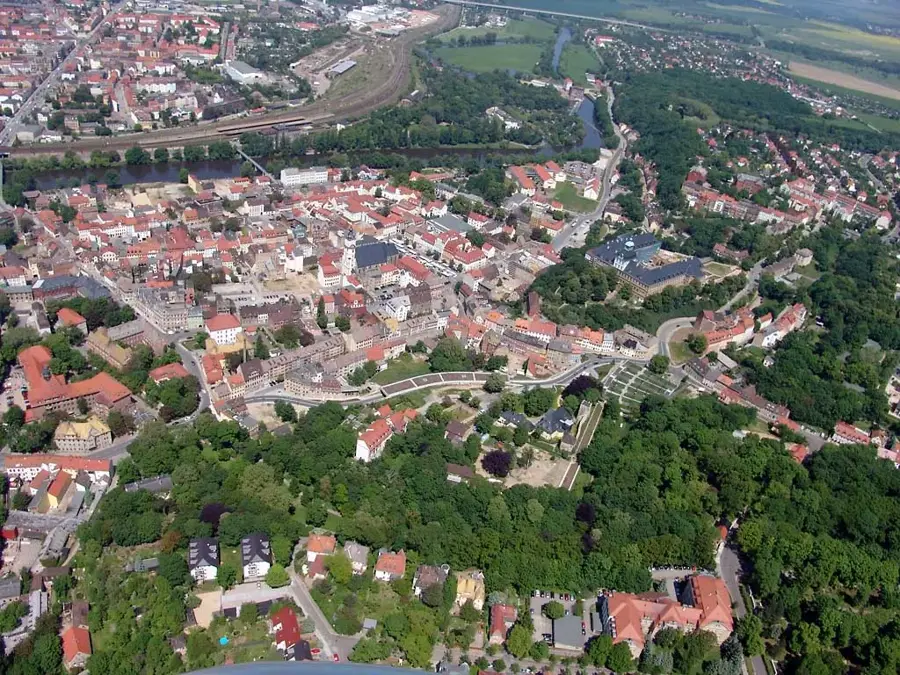
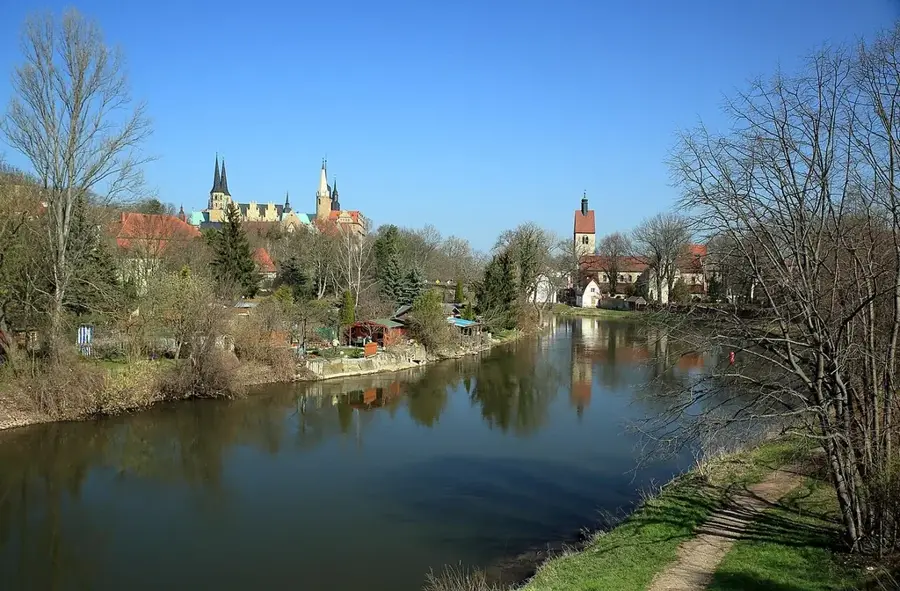
The Elbe is one of the most significant rivers in Central Europe, flowing for over 300 kilometers through the state of Saxony-Anhalt. Within this region, the river winds through the Middle Elbe Biosphere Reserve, a UNESCO-protected site that preserves some of the last near-natural floodplain landscapes in Europe. For millennia, the Elbe has served as a vital trade route connecting the Czech interior with the North Sea at Hamburg. Historically, the river often functioned as a political boundary, while today it is primarily known for inland shipping and tourism, particularly the popular Elbe Cycle Route. Key historical cities like Magdeburg, Wittenberg, and Dessau are situated along its banks, their growth historically fueled by the river's transport potential and water resources. The Elbe is characterized by its dynamic water levels, with seasonal flooding being essential for the health of its ecologically rich meadows and forests. Despite extensive human management such as levee construction, the Saxony-Anhalt section maintains a high degree of biodiversity and natural beauty.
Explore on the map
How well do you know Germany?
Find cities, landscapes and regions in 10 varied challenges on the interactive map.
Your journey, your memory
A postcard from Elbe (Saxony-Anhalt)
Turn your own photo into a personal postcard with a local stamp. Free and no sign-up required.
Create a postcard- Location: Saxony-Anhalt, Germany
- Highlights: Dornburger Mosaik · Strand · Elbebrücke bei Barby
- Nearby: Gommern (10 km)
Best time to visit & climate
The most pleasant time to visit is Jun–Aug.
| Jan | Feb | Mar | Apr | May | Jun | Jul | Aug | Sep | Oct | Nov | Dec | |
|---|---|---|---|---|---|---|---|---|---|---|---|---|
| Avg °C | 0 | 1 | 4 | 9 | 14 | 18 | 20 | 20 | 15 | 10 | 5 | 1 |
| Rain mm | 51 | 34 | 39 | 30 | 57 | 52 | 77 | 58 | 51 | 46 | 48 | 48 |
📋 Practical info
Geography
Facts
- The Elbe has a total length of 1,094 kilometers, starting in the Giant Mountains of Czechia.
- The Middle Elbe Biosphere Reserve was established in 1979 and is a key UNESCO sanctuary.
- The river's drainage basin covers approximately 148,268 square kilometers across four countries.
- In Magdeburg, the Mittelland Canal crosses over the Elbe via a massive 918-meter water bridge.
- The Elbe is Germany's third-largest river by discharge, after the Rhine and the Danube.
- The floodplain forests along the Saxony-Anhalt section are home to a large population of Elbe beavers.
Explore nearby
Notable places around

Route planner — Car & Motorhome
Where do you start? We build the route here, with stops and country notes along the way.
© OpenStreetMap contributors · OpenRouteService
Sights in the town Elbe (Saxony-Anhalt) (3)
Sights nearby
Frequently asked questions
Can you go cycling along the Elbe banks?
Which major cities lie on the Elbe in Saxony-Anhalt?
Are there boat trips on the Elbe?
What is the Middle Elbe Biosphere Reserve?
When is the best time for a bike tour?
Elbe (Saxony-Anhalt): where is it located?
Elbe (Saxony-Anhalt): what is there to see?
Elbe (Saxony-Anhalt): when is the best time to visit?
Elbe (Saxony-Anhalt): why is it worth visiting?
Nearby cities