Plizio Visual Lab
Ruhr Area
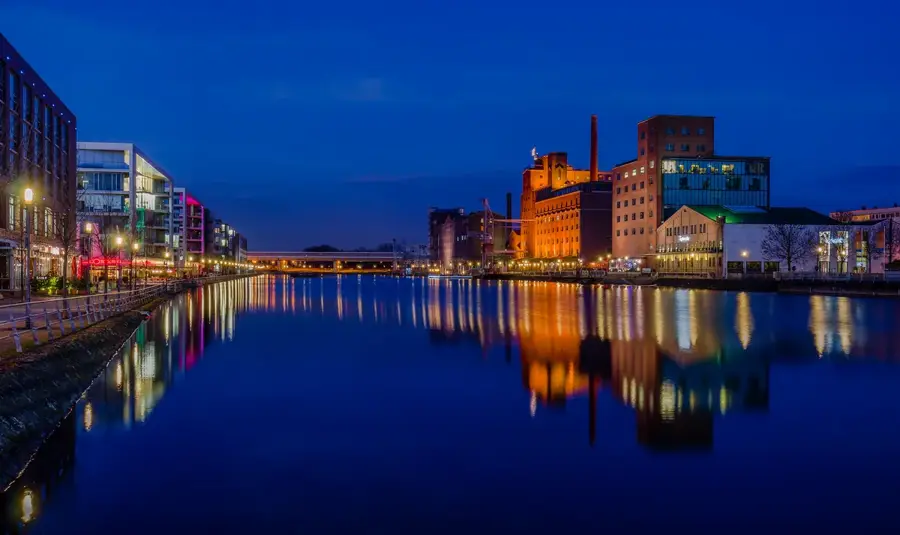
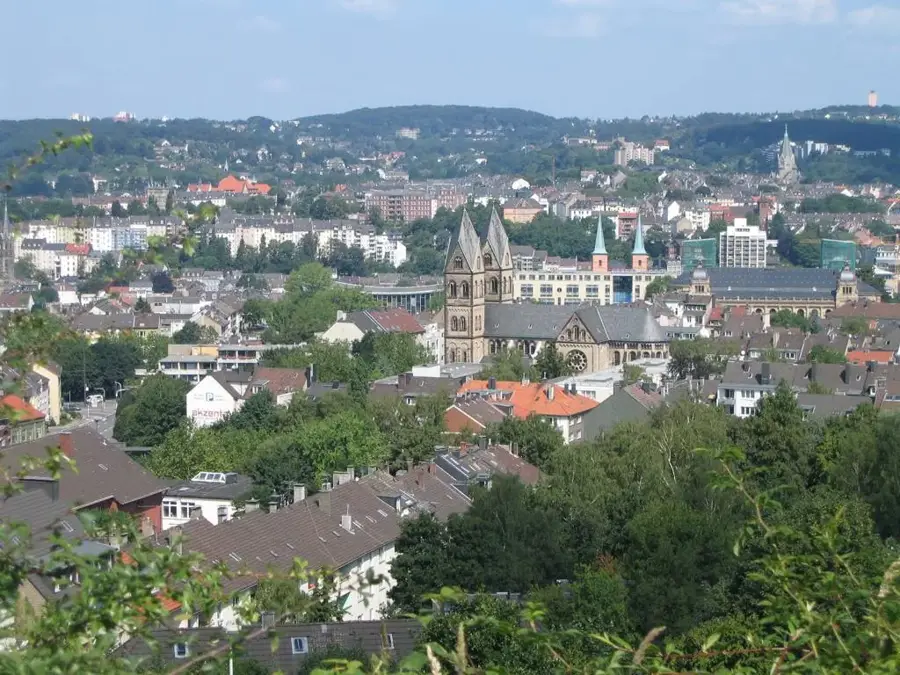
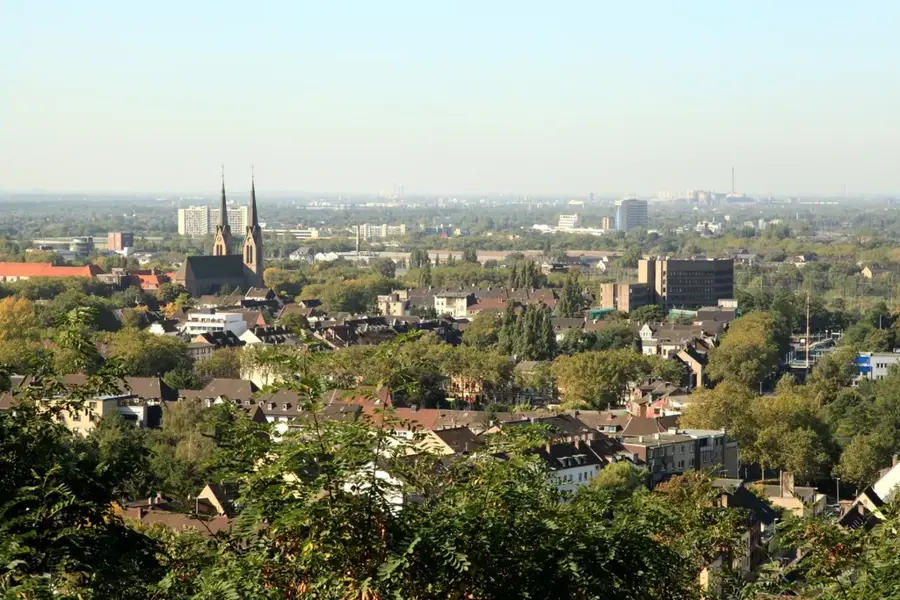
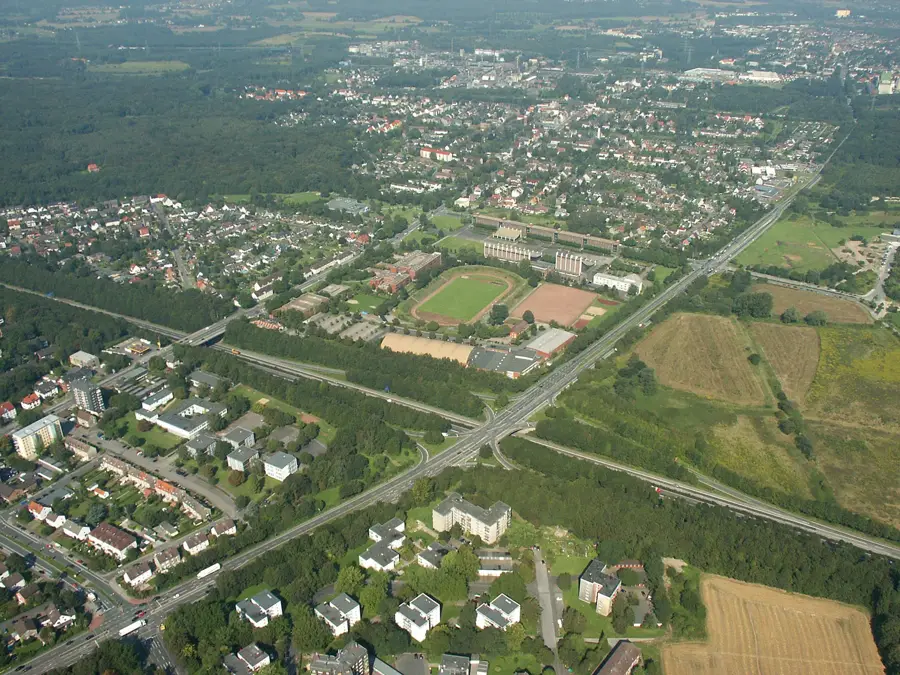
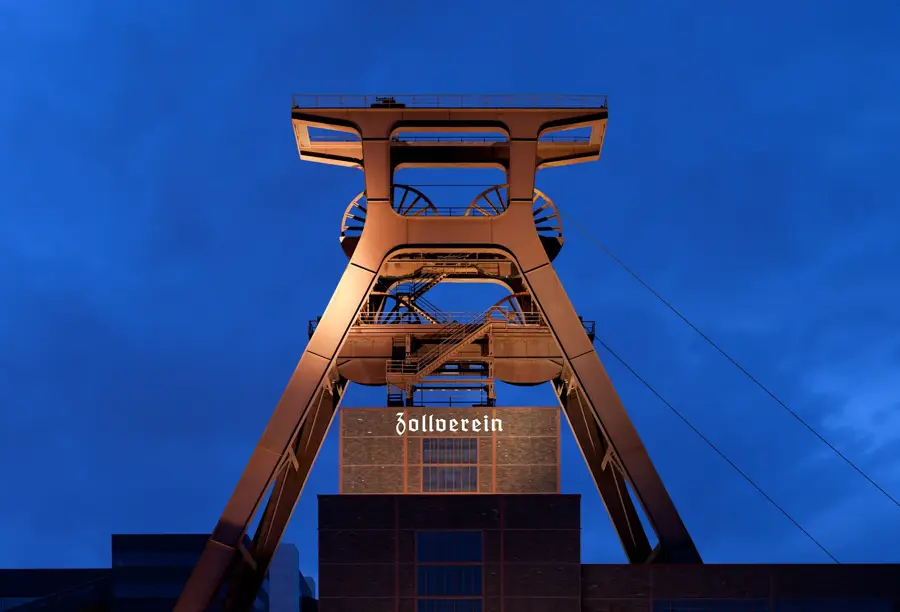
The Ruhr Area in western Germany, with around 5.1 million inhabitants, is the country's largest urban agglomeration and one of Europe's most significant industrial hubs. Historically defined by coal mining and steel production in the 19th and 20th centuries, the region has undergone a massive structural transformation in recent decades. Cities such as Essen, Dortmund, and Duisburg have evolved from purely industrial centers into hubs for services, IT, and culture. A symbol of this change is the Zollverein Coal Mine Industrial Complex in Essen, now a UNESCO World Heritage site and a major cultural center. The Ruhr Area also is home to the highest density of universities in Germany and remains a vital logistical hub, particularly due to the Port of Duisburg, the largest inland port in the world. Despite its industrial heritage, the region is now characterized by extensive green spaces and renatured industrial landscapes. This transformation serves as an international model for converting former heavy-industry areas into modern, livable metropolitan regions.
Explore on the map
How well do you know Germany?
Find cities, landscapes and regions in 10 varied challenges on the interactive map.
Your journey, your memory
A postcard from Ruhr Area
Turn your own photo into a personal postcard with a local stamp. Free and no sign-up required.
Create a postcard- Location: North Rhine-Westphalia, Germany
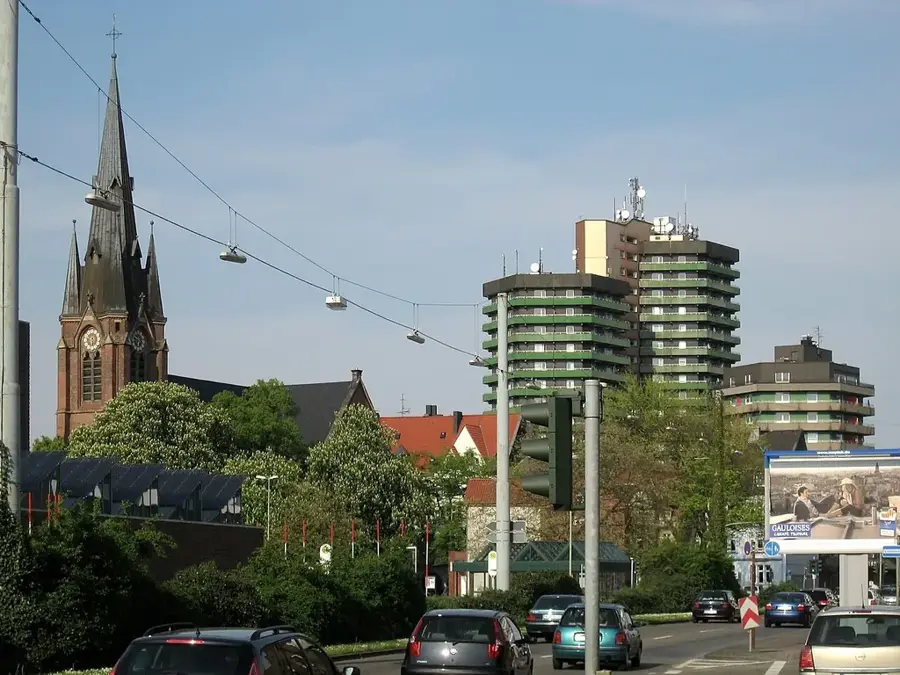
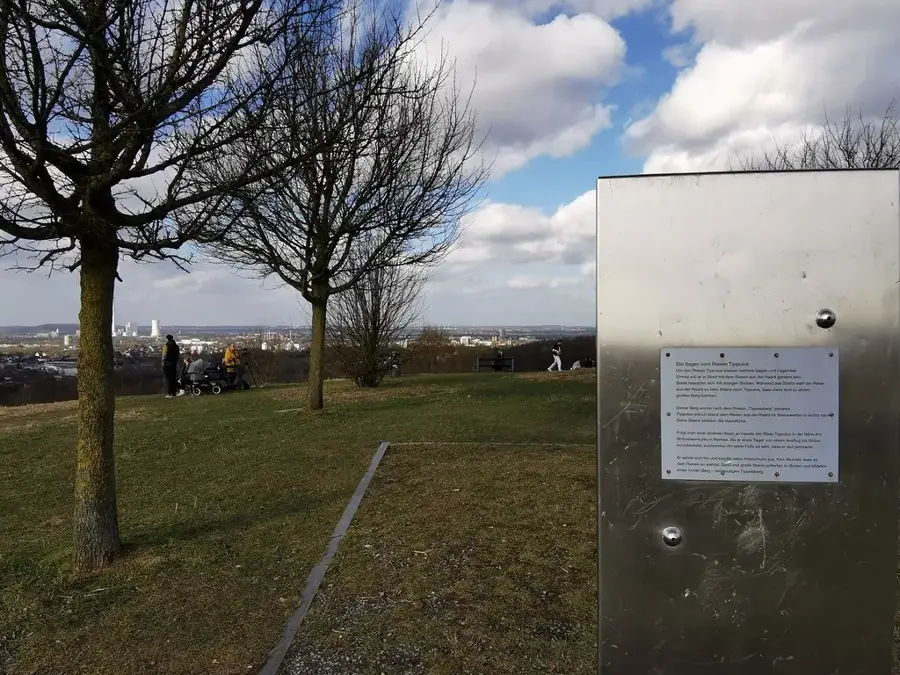
- Highlights: St. Franziskus · Tippelsberg · Flottmannhallen
- Nearby: Castrop-Rauxel (8 km)
Best time to visit & climate
The most pleasant time to visit is Jun–Aug.
| Jan | Feb | Mar | Apr | May | Jun | Jul | Aug | Sep | Oct | Nov | Dec | |
|---|---|---|---|---|---|---|---|---|---|---|---|---|
| Avg °C | 2 | 2 | 5 | 10 | 13 | 17 | 19 | 18 | 15 | 11 | 6 | 3 |
| Rain mm | 84 | 67 | 61 | 45 | 65 | 68 | 78 | 82 | 62 | 67 | 77 | 86 |
📋 Practical info
Geography
Facts
- The Ruhr Area covers an area of approximately 4,435 square kilometers.
- Duisburg is home to the world's largest inland port.
- The Zollverein Coal Mine was named a UNESCO World Heritage site in 2001.
- A total of around 5.1 million people live in the metropolitan region.
- There are 22 universities and over 250,000 students in the region.
- Over 50 cities together form the modern-day Ruhr Area.
Explore nearby
Notable places around

Route planner — Car & Motorhome
Where do you start? We build the route here, with stops and country notes along the way.
© OpenStreetMap contributors · OpenRouteService
Sights in the town Ruhr Area (10)
Tippelsberg-Berger Mühle
Nature reserve in Bochum, protecting local flora and fauna.
Varieté et cetera
Variety theatre in Herne, featuring artistic acts.
Hofsteder Weiher
Nature reserve in Germany, habitat for water birds.
Grummer Teiche🌳 park
Park with ponds in Herne, a recreational area.
Gasometer Herne
Listed gas holder in Herne-Mitte, industrial heritage site.
Herz-Jesu-Kirche
Church in Herne, a Catholic place of worship.
Sights nearby
Frequently asked questions
What can you visit in the Ruhr area today?
Is the Ruhr area still an active industrial region?
What is the Industrial Heritage Route?
Can you go down into a mine?
What is the best way to get around there?
Ruhr Area: where is it located?
Ruhr Area: what is there to see?
Ruhr Area: when is the best time to visit?
Ruhr Area: why is it worth visiting?
Nearby cities