Plizio Visual Lab
Sheka Forest

Weather…
Water temperature…
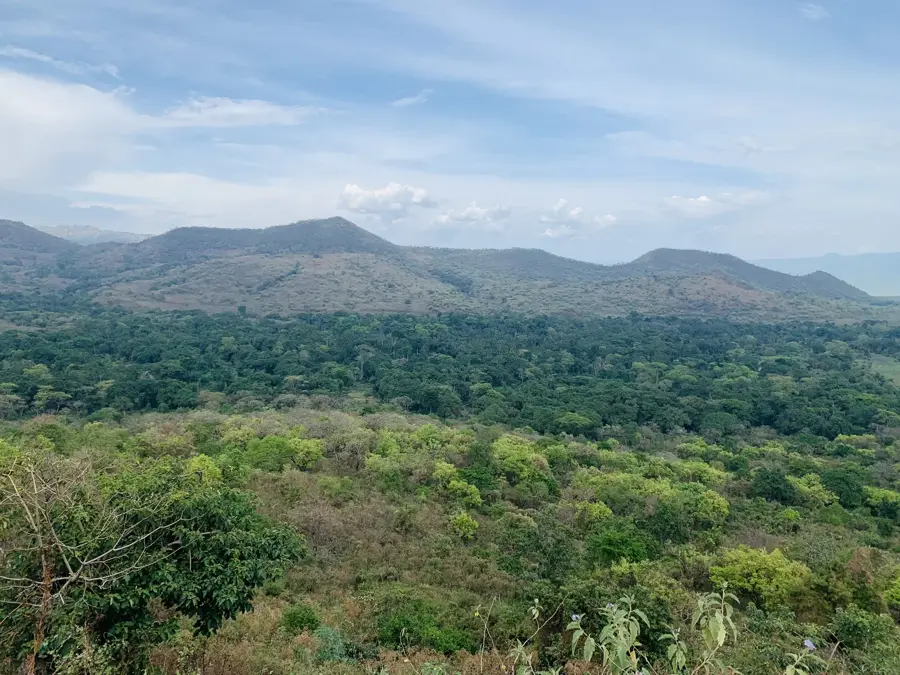
The Sheka Forest in southwestern Ethiopia is one of the last remaining large areas of pristine Afromontane rainforest and was designated a UNESCO Biosphere Reserve in 2012. The region is characterized by extreme topographical diversity, ranging from rolling hills to steep mountain ranges, and is renowned for its countless waterfalls and wetlands. The climate is defined by very high rainfall, making the forest one of the wettest places in Ethiopia and fostering an exceptional flora featuring giant bamboo and ancient towering trees. Culturally, the forest is inextricably linked to the Sheka people, who have lived in harmony with nature for centuries and protect sacred groves within the forest. These communities practice a sustainable form of forest management, focusing on the harvesting of wild coffee, spices, and honey without destroying the ecosystem. Geologically, the area is part of the southwestern highlands and features fertile soils of volcanic origin, which are crucial for the water retention of the entire region. The protection of the Sheka Forest is of critical importance for the preservation of rare bird species and mammals that find refuge in the dense thickets. For conservationists and researchers, the reserve serves as a living laboratory for studying plant adaptation to extremely moist conditions.
Explore on the map
How well do you know Ethiopia?
Find cities, landscapes and regions in 10 varied challenges on the interactive map.
Your journey, your memory
A postcard from Sheka Forest
Turn your own photo into a personal postcard with a local stamp. Free and no sign-up required.
Create a postcard- Location: Ethiopia
- Nearby: Tepi (34 km)
Best time to visit & climate
The most pleasant time to visit is Jan–Mar.
| Jan | Feb | Mar | Apr | May | Jun | Jul | Aug | Sep | Oct | Nov | Dec | |
|---|---|---|---|---|---|---|---|---|---|---|---|---|
| Avg °C | 18 | 19 | 20 | 19 | 18 | 17 | 16 | 16 | 17 | 17 | 17 | 17 |
| Rain mm | 31 | 52 | 96 | 193 | 292 | 272 | 239 | 254 | 231 | 184 | 112 | 54 |
📋 Practical info
Geography
Facts
- Recognized as a UNESCO Biosphere Reserve in 2012.
- Annual rainfall can reach up to 2,000 mm per year.
- The forest is home to over 300 different bird species.
- A major site for giant bamboo forests (Arundinaria alpina).
- Traditional protection through 'Sacred Forests' of the local people.
- The reserve covers an area of over 230,000 hectares.
Explore nearby
Notable places around

Route planner — Car & Motorhome
Where do you start? We build the route here, with stops and country notes along the way.
© OpenStreetMap contributors · OpenRouteService
Sights nearby
Frequently asked questions
What distinguishes the Sheka Forest?
Are there any cultural specialties there?
Are the forests accessible to tourists?
Can you go birdwatching there?
Is there a malaria risk in this area?
Sheka Forest: where is it located?
Sheka Forest: when is the best time to visit?
Sheka Forest: why is it worth visiting?
Nearby cities

History & landmarks
Nature
More places