Plizio Visual Lab
Alberta Oil Sands
Weather…
Water temperature…
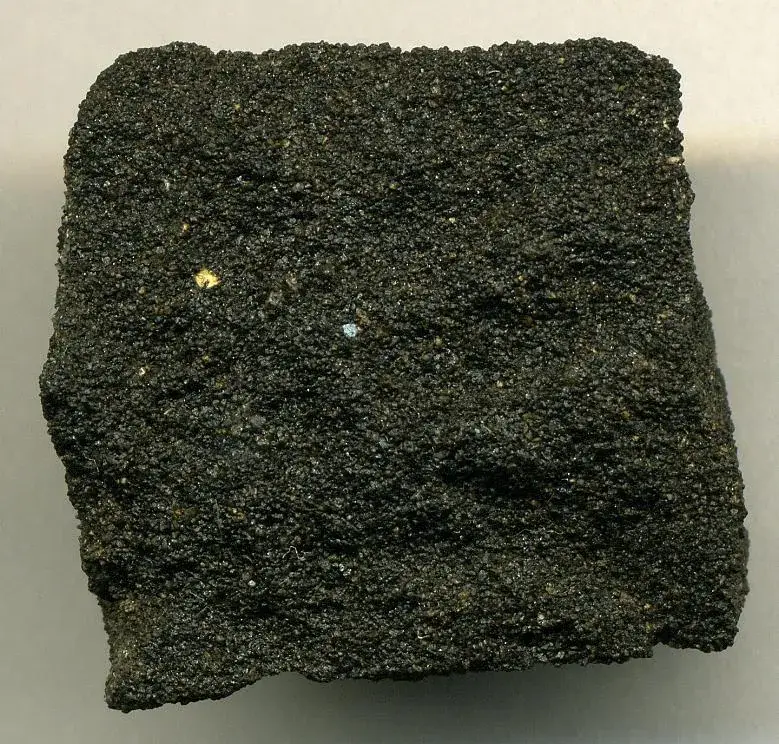
The Alberta Oil Sands, particularly the Athabasca deposits, represent one of the largest reserves of crude bitumen in the world. These geological formations span approximately 142,000 square kilometers across northern Alberta, Canada. Extraction occurs through two primary methods: open-pit mining for shallow deposits and in-situ techniques, such as Steam Assisted Gravity Drainage (SAGD), for deeper layers. Economically, the oil sands are the backbone of Canada's energy sector, establishing the nation as a leading global oil producer. Proven reserves are estimated at roughly 165 billion barrels, placing Canada third globally behind Venezuela and Saudi Arabia. Despite their economic significance, extraction faces international scrutiny due to high energy intensity and environmental impacts, including greenhouse gas emissions and land disturbance. The industry is increasingly investing in carbon capture technologies and land reclamation efforts to mitigate its ecological footprint. Fort McMurray acts as the central service and residential hub for the massive workforce involved in the extraction projects. Ongoing technological advancements aim to reduce the carbon intensity of the produced barrels over the coming decades.
Explore on the map
How well do you know Canada?
Find cities, landscapes and regions in 10 varied challenges on the interactive map.
Your journey, your memory
A postcard from Alberta Oil Sands
Turn your own photo into a personal postcard with a local stamp. Free and no sign-up required.
Create a postcard- Location: Canada
- Nearby: Fort McMurray (30 km)
Best time to visit & climate
The most pleasant time to visit is Jun–Aug.
| Jan | Feb | Mar | Apr | May | Jun | Jul | Aug | Sep | Oct | Nov | Dec | |
|---|---|---|---|---|---|---|---|---|---|---|---|---|
| Avg °C | -19 | -17 | -10 | 0 | 9 | 15 | 17 | 15 | 9 | 1 | -9 | -17 |
| Rain mm | 29 | 23 | 34 | 38 | 53 | 88 | 81 | 65 | 56 | 39 | 30 | 29 |
📋 Practical info
Geography
Facts
- The oil sands deposits cover a total area of approximately 142,200 square kilometers.
- Canada holds the world's third-largest oil reserves with 165 billion barrels.
- About 80% of the oil sands reserves are recoverable only by in-situ methods.
- Commercial production at the Athabasca oil sands began in 1967.
- The energy sector is a primary contributor to Alberta's provincial GDP.
- Fort McMurray transformed from a small outpost to a major city due to oil production.
Route planner — Car & Motorhome
Where do you start? We build the route here, with stops and country notes along the way.
© OpenStreetMap contributors · OpenRouteService
Sights nearby
Frequently asked questions
What are oil sands?
Can you visit them?
How is the oil extracted?
What is its economic role?
What is the Oil Sands Discovery Centre?
Alberta Oil Sands: where is it located?
Alberta Oil Sands: when is the best time to visit?
Alberta Oil Sands: why is it worth visiting?
History & landmarks
Nature
More places