Cities in Germany
The most important cities in Germany at a glance – from the bustling metropolis to the charming small town. Each city links to a detailed page with map, attractions and travel tips.
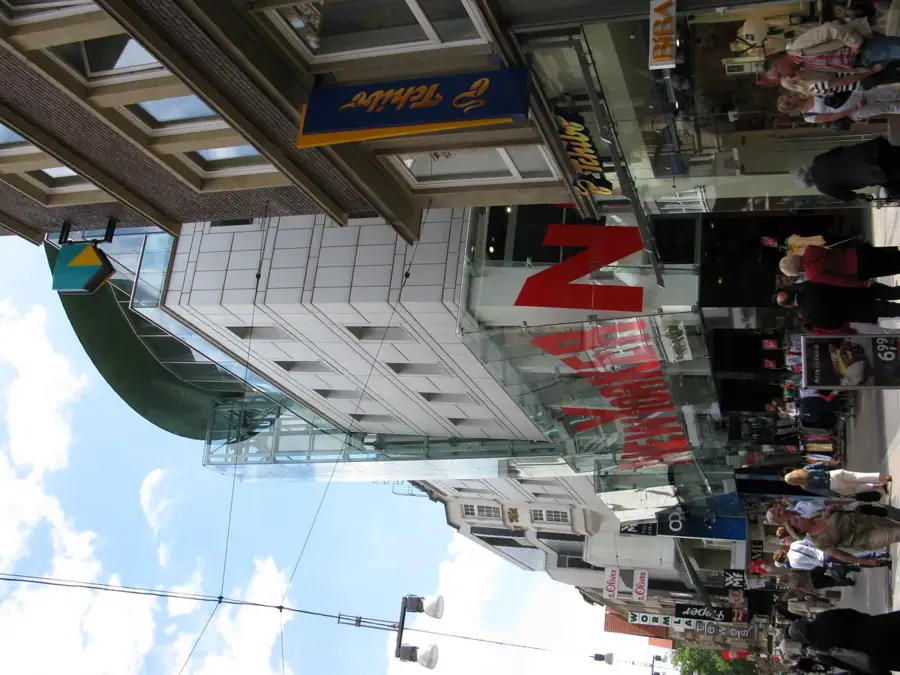
Dortmund
Dortmund is the largest city in the Ruhr area, known for its industrial history, passion for football, and green parks.
Learn more →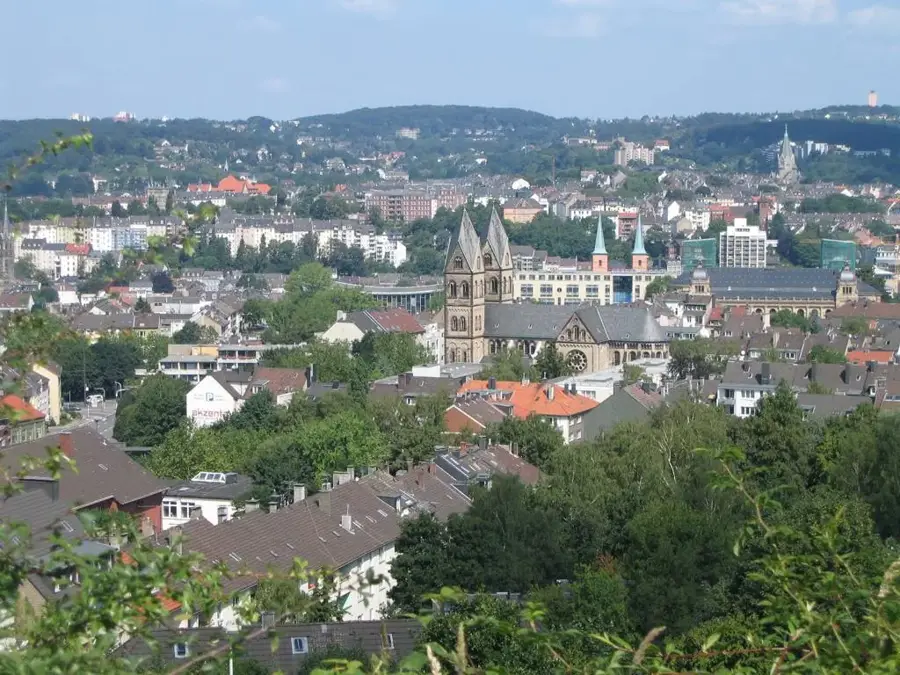
Wuppertal
Wuppertal in the Bergisches Land is famous for the historic suspension railway, one of the oldest electric elevated railway systems in the world.
Learn more →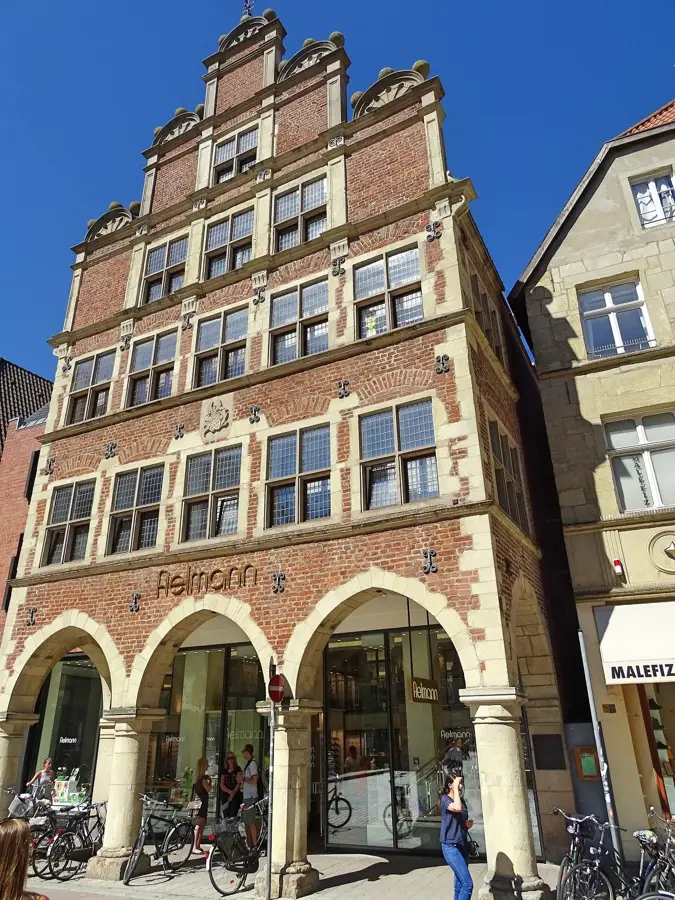
Münster
Münster is a large Westphalian city, known as Germany's cycling capital, a significant university city and the historic centre of the Peace of Westph…
Learn more →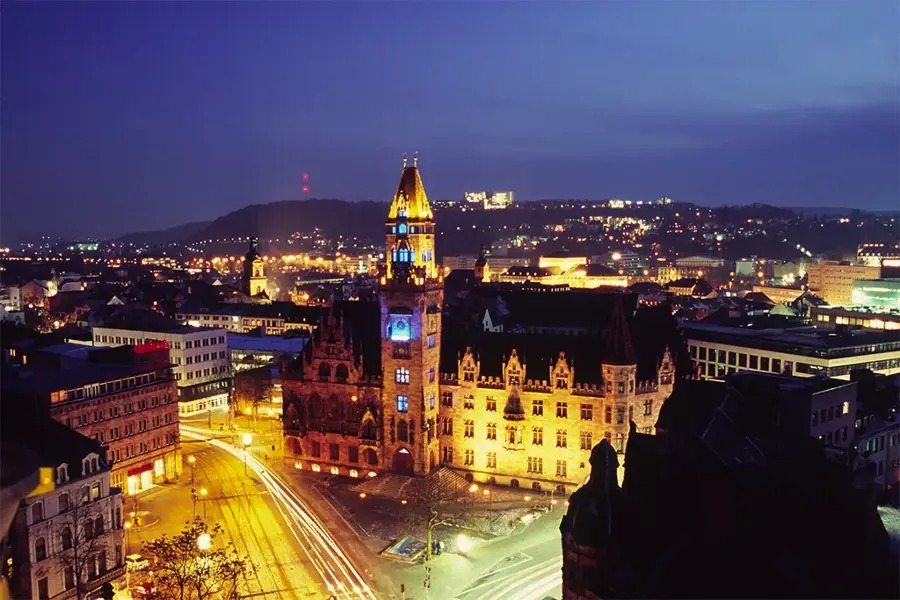
Saarbrücken
Saarbrücken is the state capital of Saarland, a medium-sized city on the Saar River near the French border with a lively city centre.
Learn more →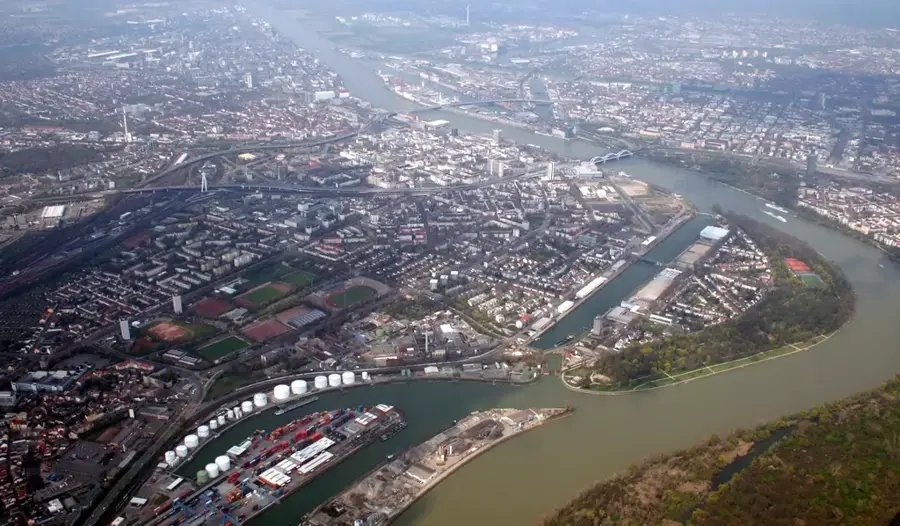
Ludwigshafen
Ludwigshafen is the largest city in the Palatinate and globally recognized as the headquarters of the chemical giant BASF.
Learn more →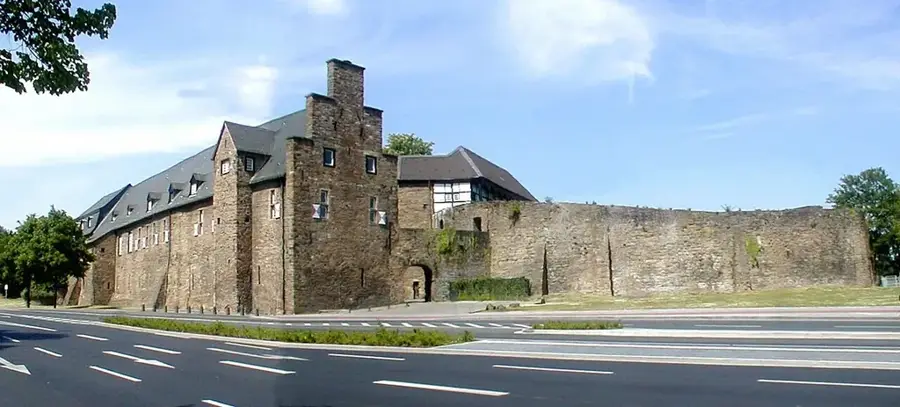
Mülheim an der Ruhr
Mülheim an der Ruhr is a green industrial city in the Ruhr area and home to major retail giants like Aldi Süd and Tengelmann.
Learn more →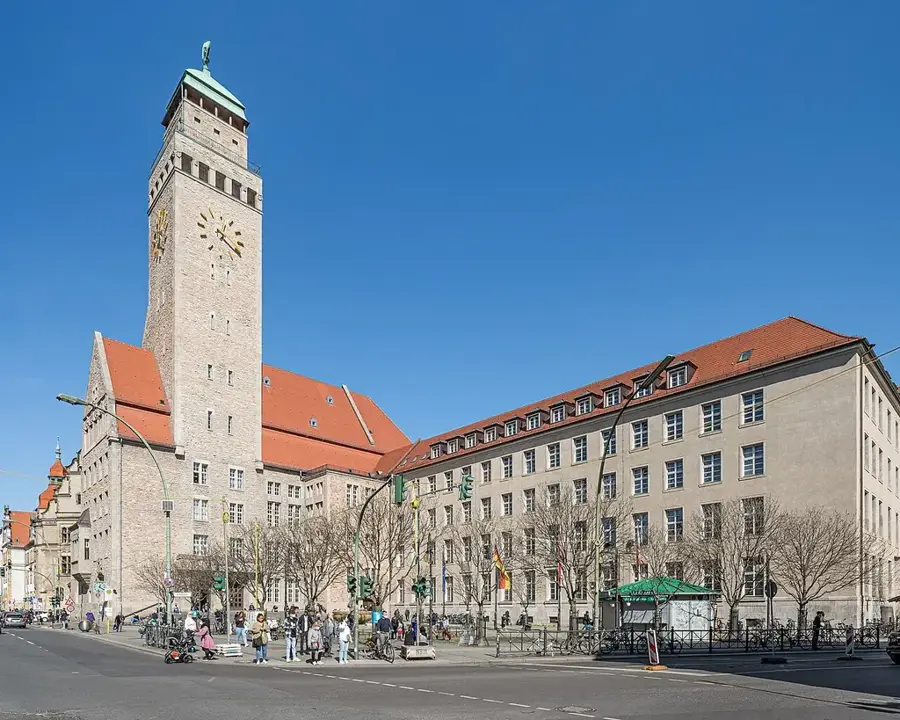
Neukölln
Neukölln is a Berlin district known for its vibrant multicultural atmosphere, trendy cafes, and historic Bohemian heritage.
Learn more →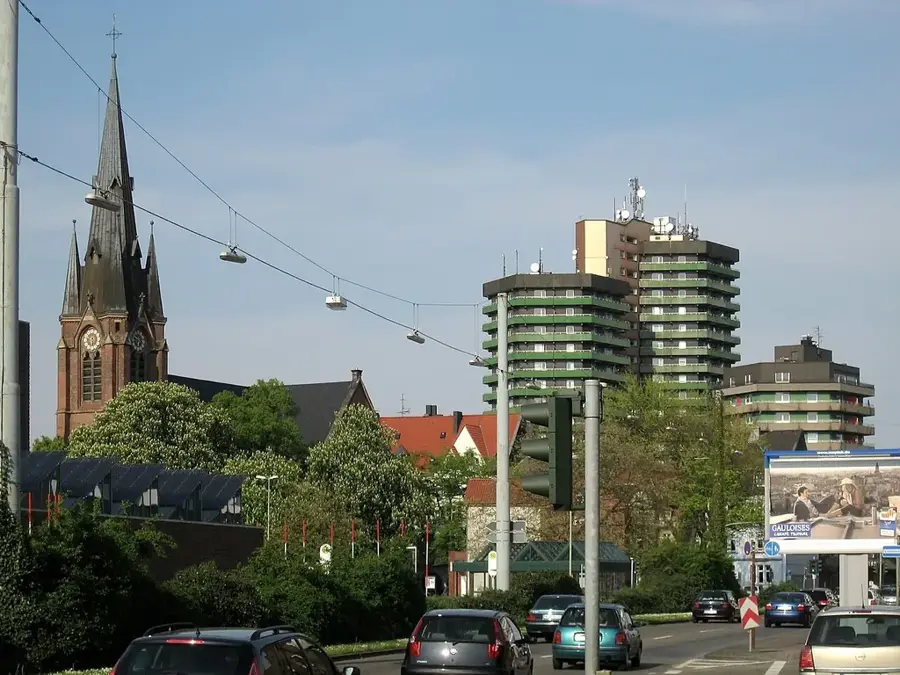
Herne
Herne is a core city in the Ruhr area, known for its major archaeological museum and the Cranger Kirmes, one of Germany's largest folk festivals.
Learn more →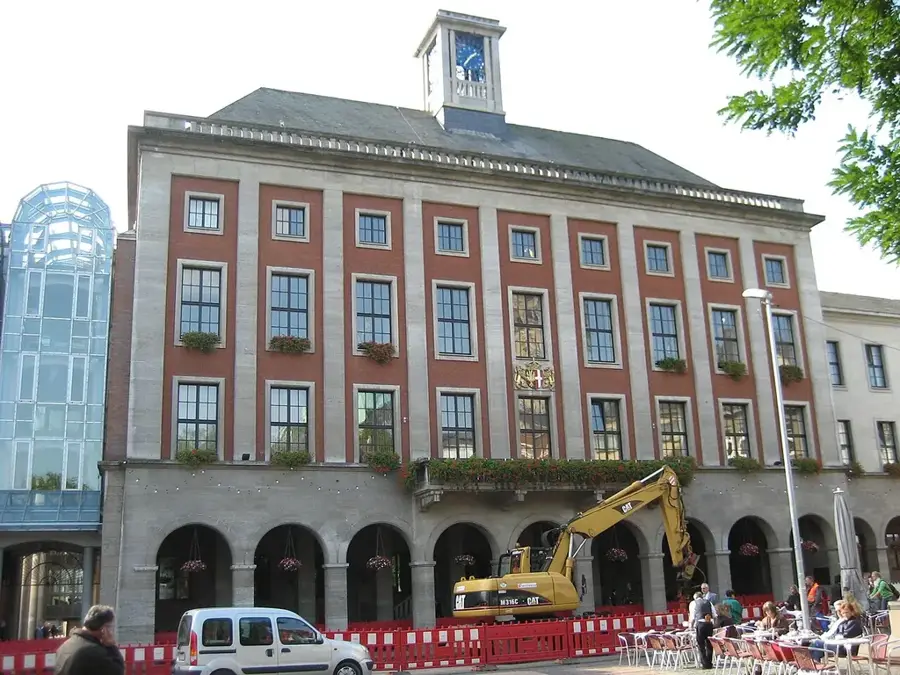
Neuss
Neuss is one of Germany's oldest cities, located on the Rhine, famous for its Roman heritage and its major inland port facility.
Learn more →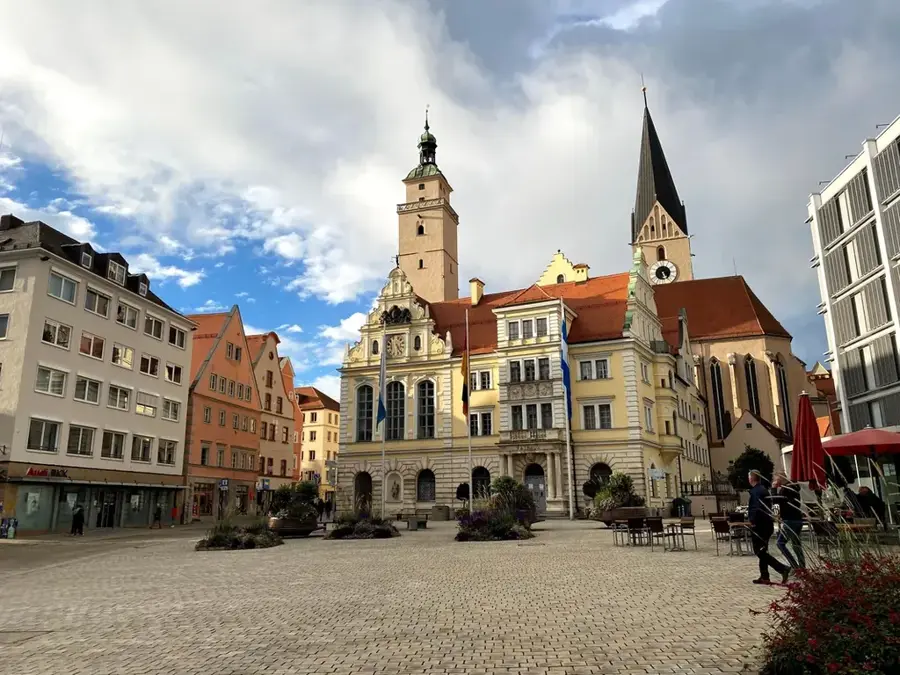
Ingolstadt
Ingolstadt is a large city in Upper Bavaria, known as the home of car manufacturer Audi and as an important university city.
Learn more →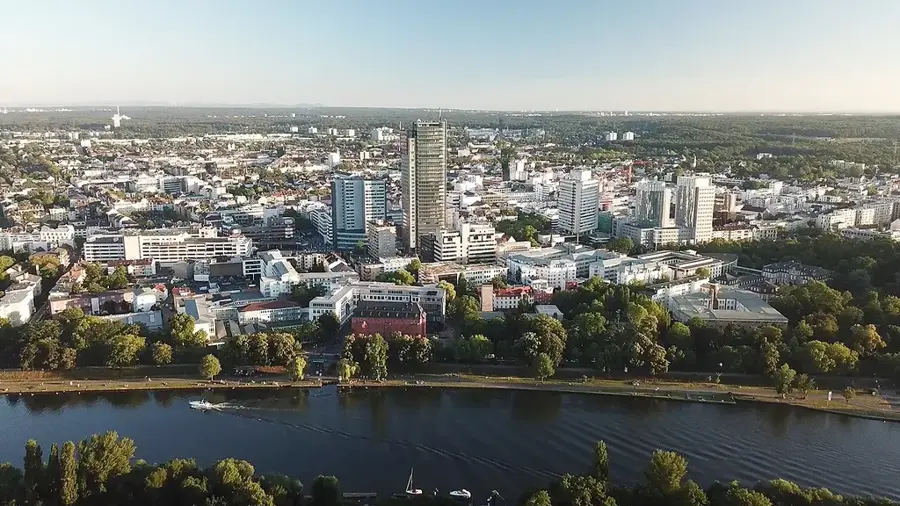
Offenbach am Main
Offenbach is a dynamic city in Hesse, known as a historic center of the leather industry and the headquarters of the German Weather Service.
Learn more →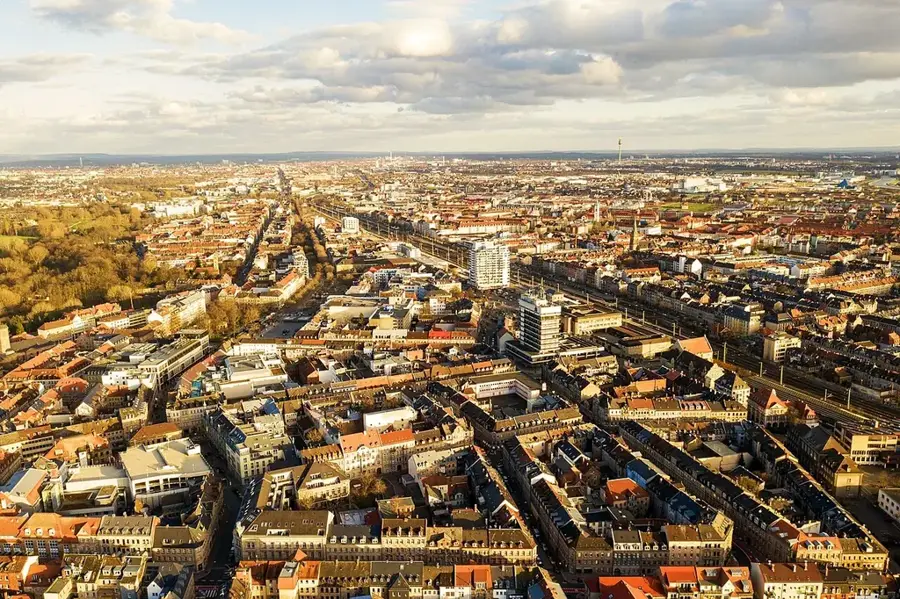
Fürth
Fürth is a traditional Bavarian city, known as the starting point of Germany's first railway and for its remarkably high density of historical monume…
Learn more →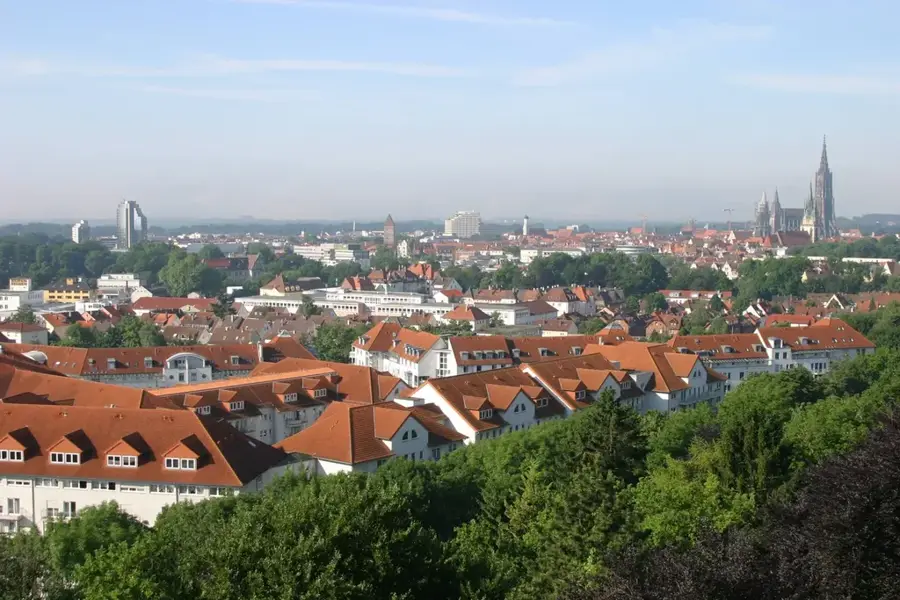
Ulm
Ulm on the Danube is known for Ulm Minster with the world's tallest church steeple and as the birthplace of Albert Einstein.
Learn more →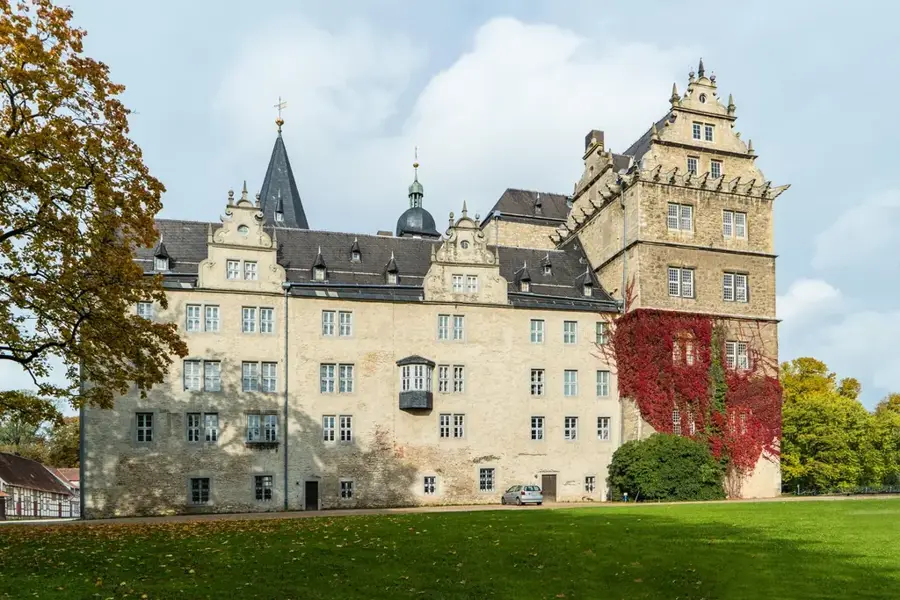
Wolfsburg
Wolfsburg is the headquarters of the Volkswagen Group and a modern planned city in Lower Saxony.
Learn more →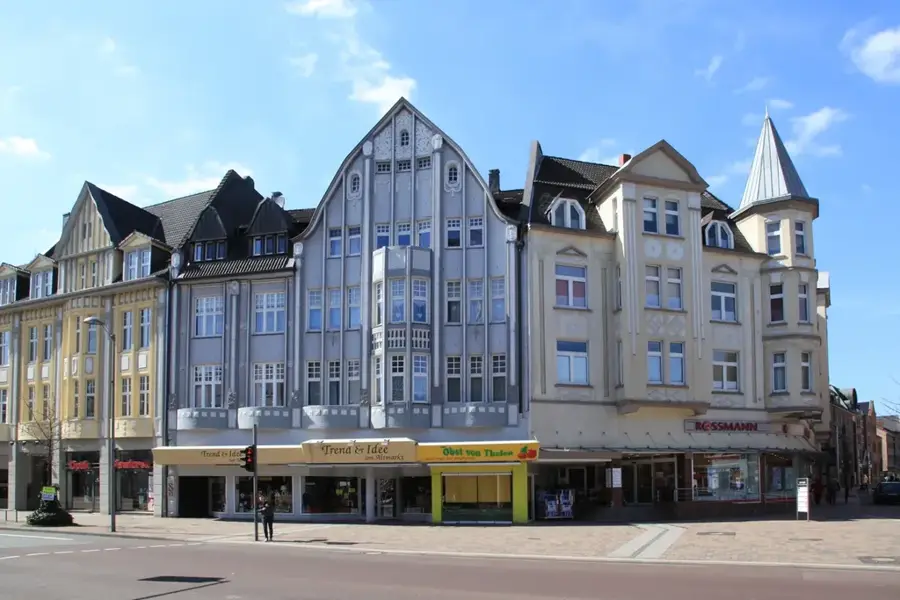
Bottrop
Bottrop is a city in the Ruhr area of North Rhine-Westphalia.
Learn more →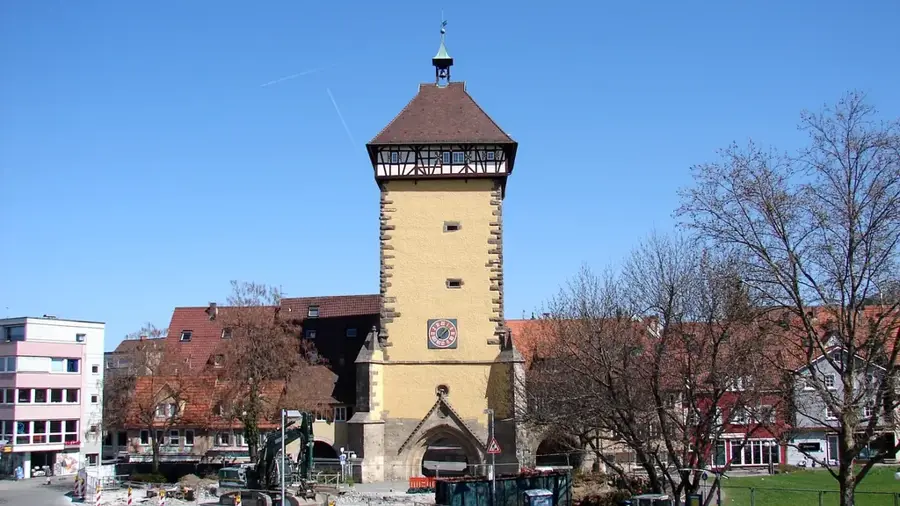
Reutlingen
Reutlingen is located at the foot of the Swabian Jura in Baden-Württemberg.
Learn more →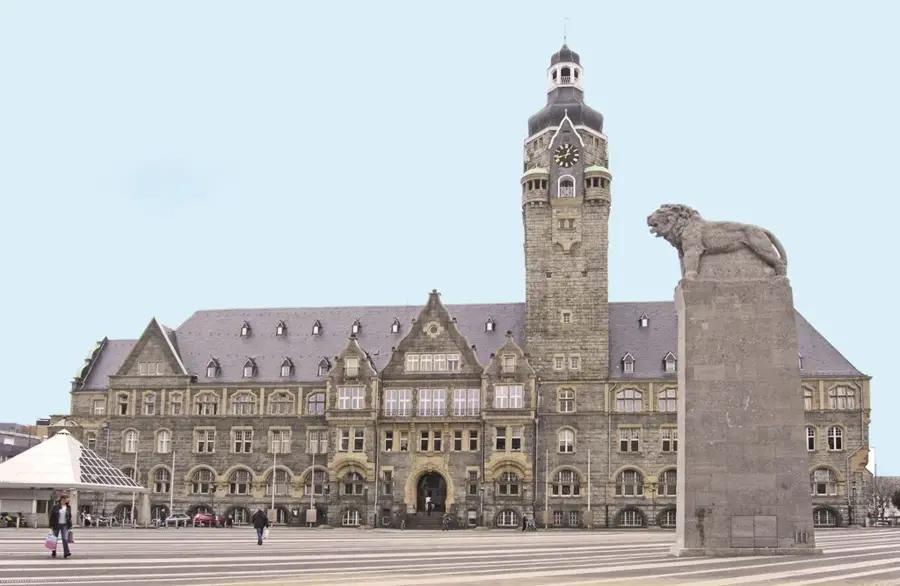
Remscheid
Remscheid is known as the 'seaward city on the mountain' and is a major center of the German tool industry in the Bergisches Land region.
Learn more →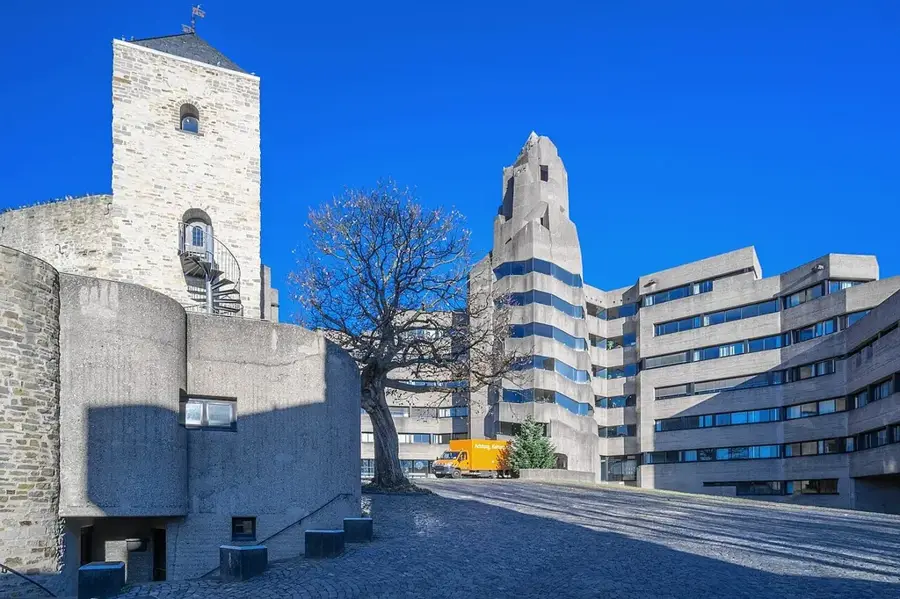
Bergisch Gladbach
Bergisch Gladbach is a green city on the edge of the Bergisches Land, known for its paper industry and magnificent castles like Bensberg Castle.
Learn more →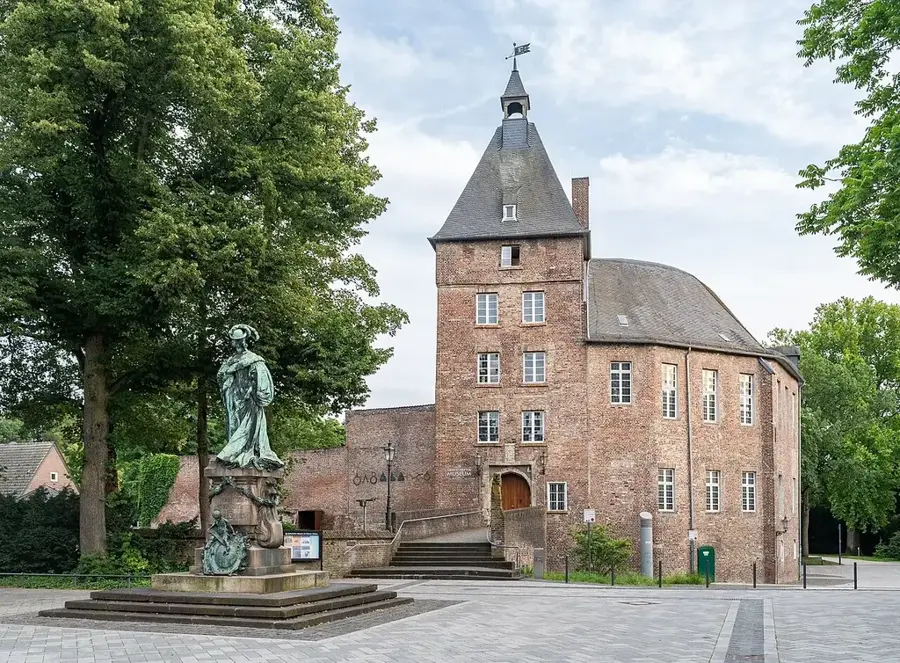
Moers
Moers is a charming city on the Lower Rhine, known for its historic castle, its coal mining heritage, and the prestigious Moers Festival.
Learn more →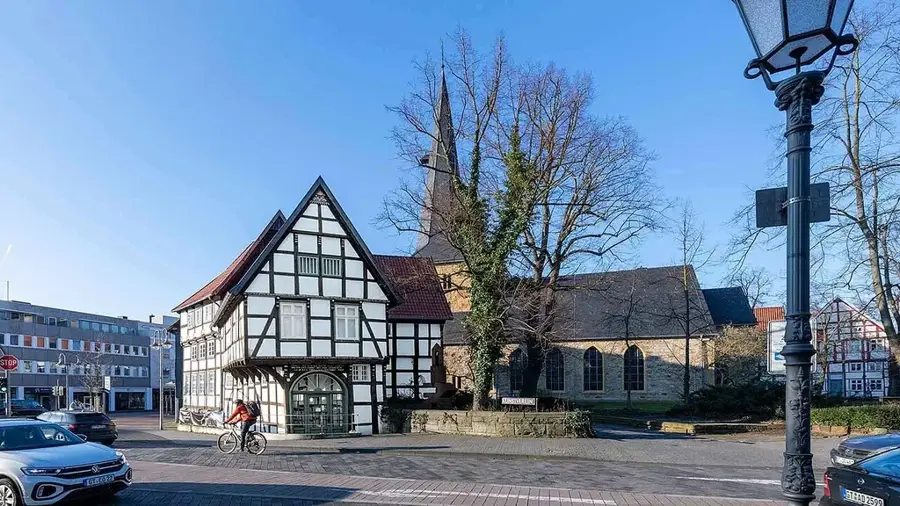
Gütersloh
A thriving economic hub in East Westphalia, internationally recognized as the headquarters of global giants Miele and Bertelsmann.
Learn more →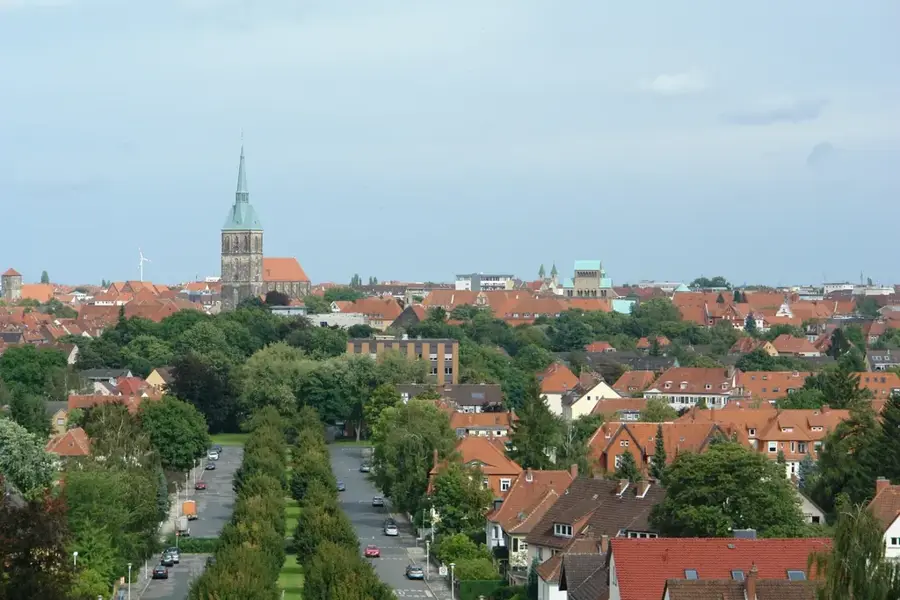
Hildesheim
Hildesheim is a historic city in Lower Saxony featuring Romanesque churches that are UNESCO World Heritage Sites.
Learn more →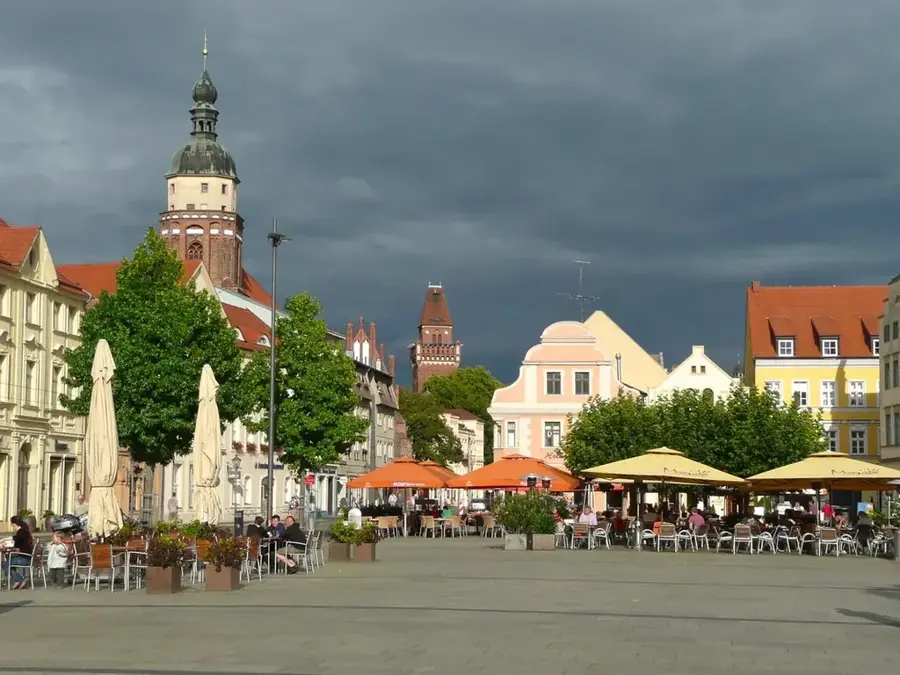
Cottbus
Cottbus is the second largest city in Brandenburg, located in the southeastern part of the state in the heart of Lower Lusatia.
Learn more →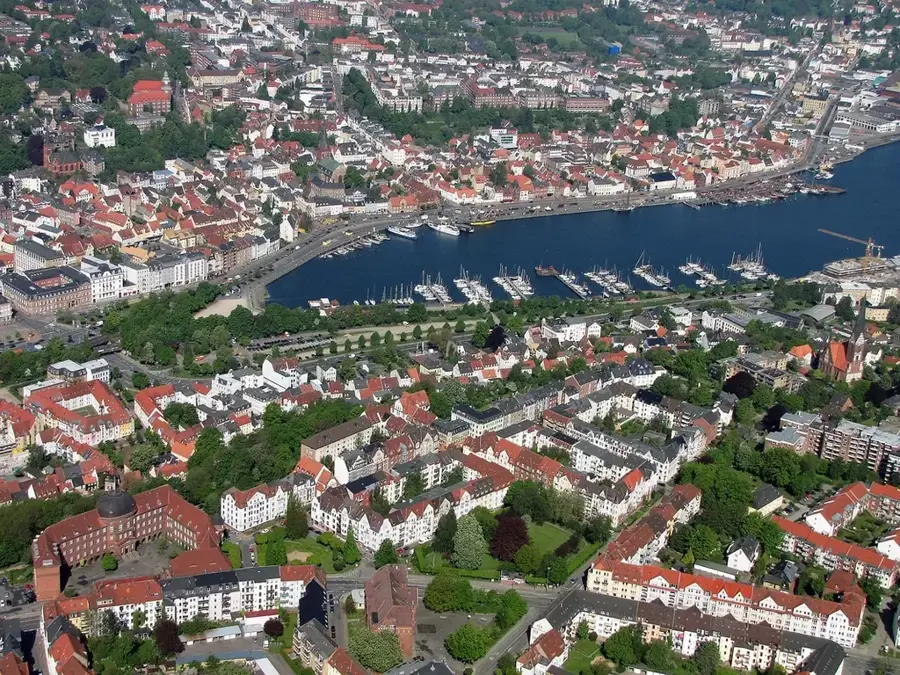
Flensburg
Flensburg is Germany's northernmost city, situated directly on the Danish border, known for rum and harbour culture.
Learn more →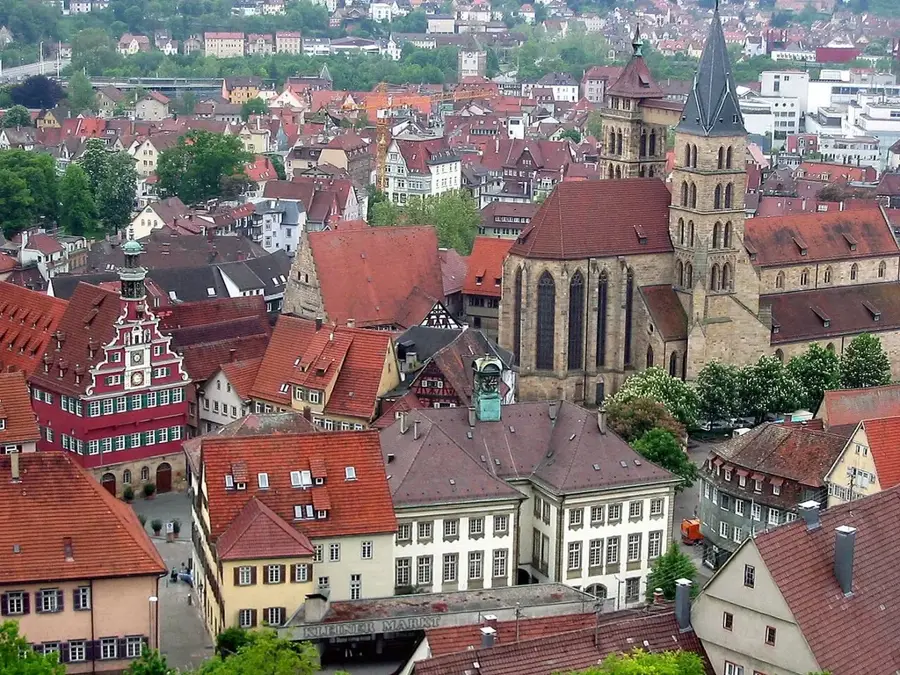
Esslingen am Neckar
A former Free Imperial City featuring one of Germany's best-preserved medieval old towns and a prestigious sparkling wine tradition.
Learn more →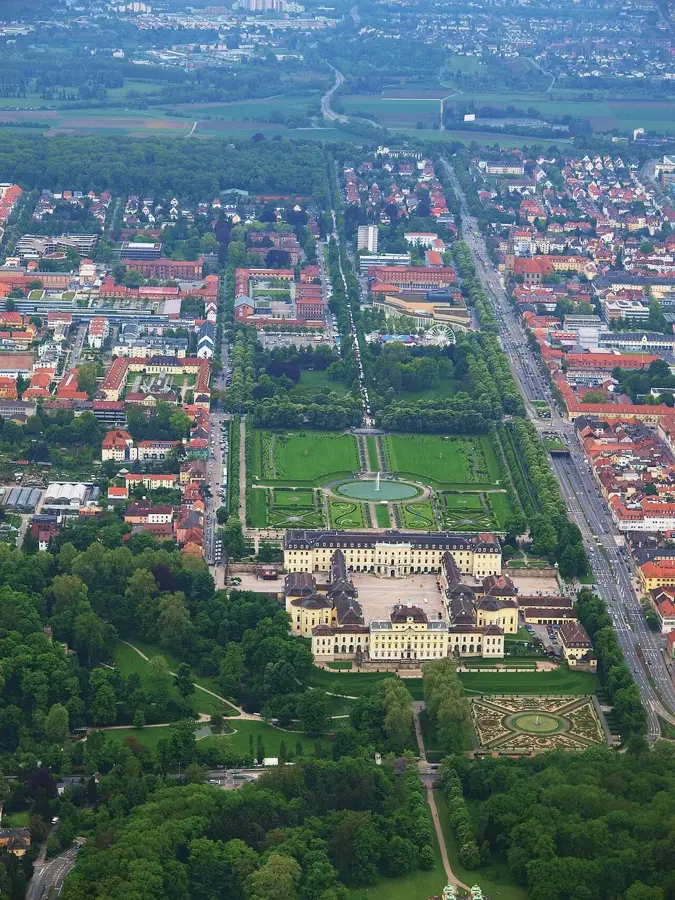
Ludwigsburg
A magnificent baroque city north of Stuttgart, famous for its grand residential palace and the 'Blooming Baroque' gardens.
Learn more →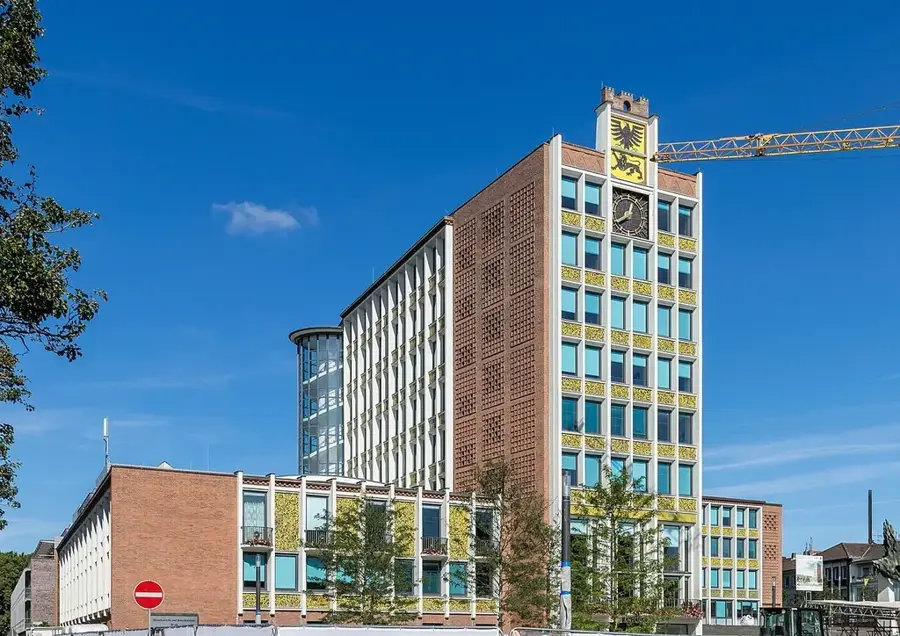
Düren
The 'City of Paper' on the edge of the Eifel, renowned for its centuries-old paper industry and the Leopold-Hoesch-Museum.
Learn more →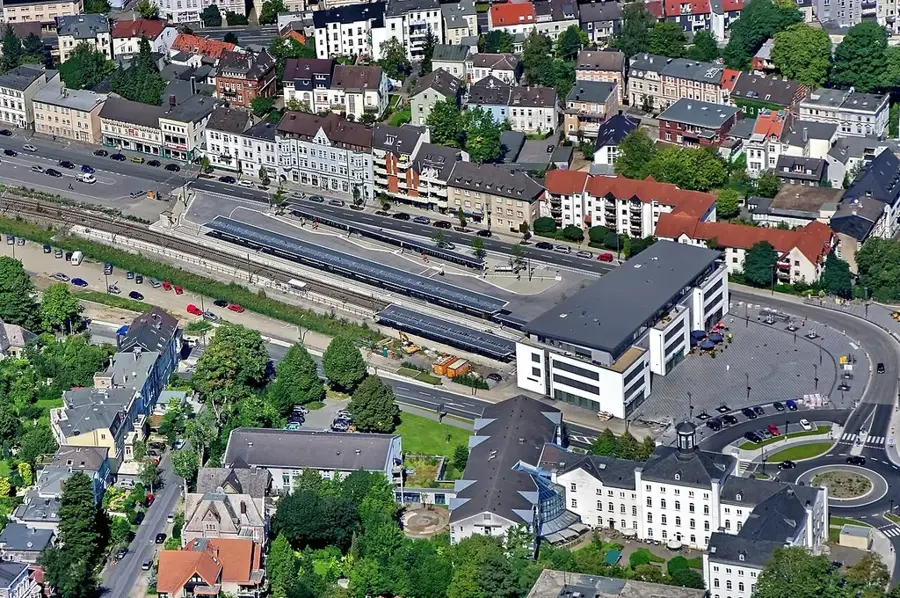
Iserlohn
The largest city in the Sauerland region, famous for its wire and metal industry and the stunning Dechenhöhle cave.
Learn more →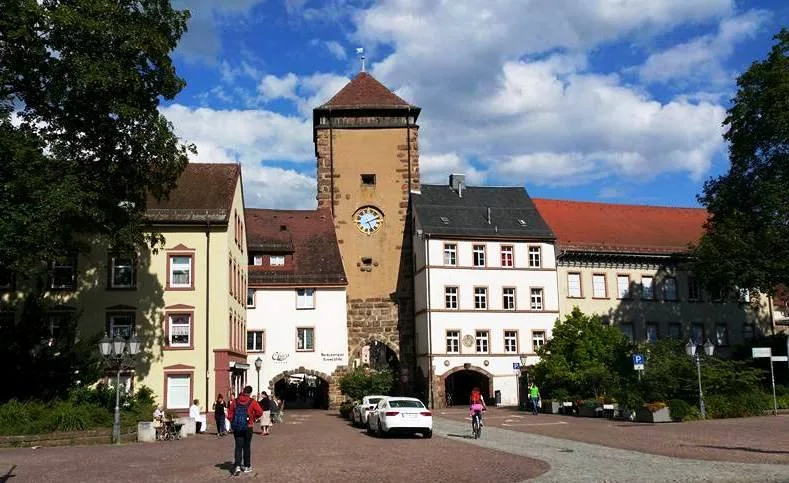
Villingen-Schwenningen
A dual city in the Black Forest that combines Baden tradition with Württemberg industrial history (watchmaking).
Learn more →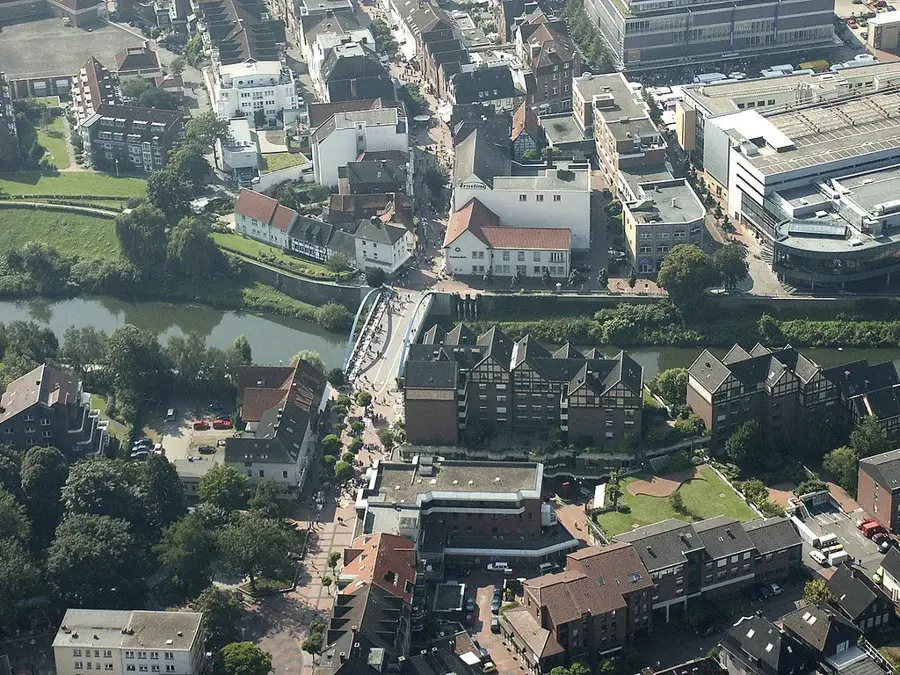
Lünen
The 'Gateway to the Münsterland' on the Lippe river, a city in structural transition between its mining past and a green future.
Learn more →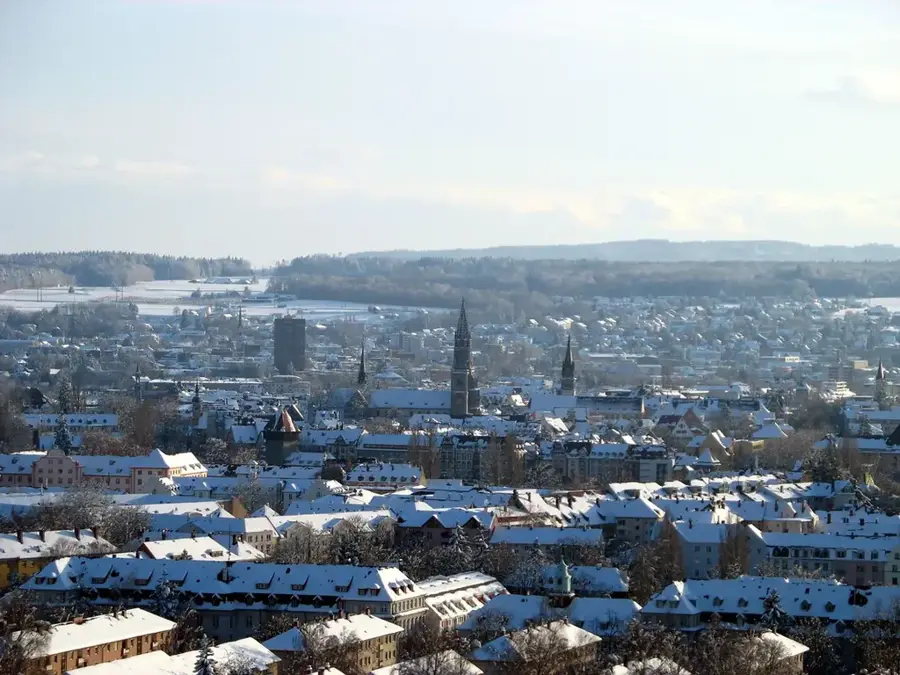
Constance
Constance on Lake Constance is the southernmost city in Germany, known for the Council of Constance and its location at the crossing to the Swiss sho…
Learn more →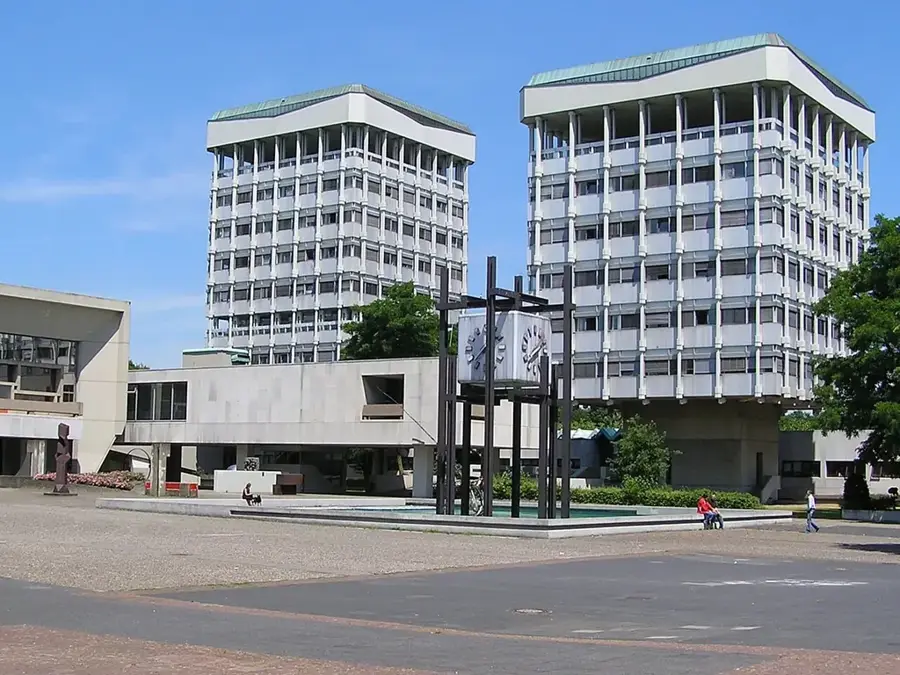
Marl
A modern industrial city in the Ruhr area, home to one of the world's largest chemical parks and famous for the Glaskasten sculpture museum.
Learn more →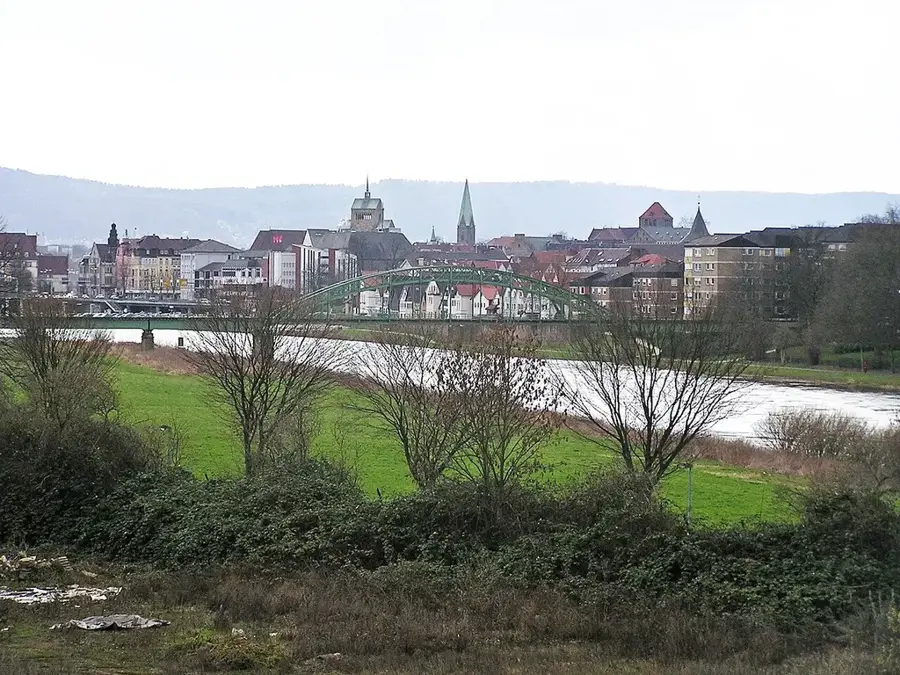
Minden
A historic city on the Weser river, famous for its waterway junction and cathedral.
Learn more →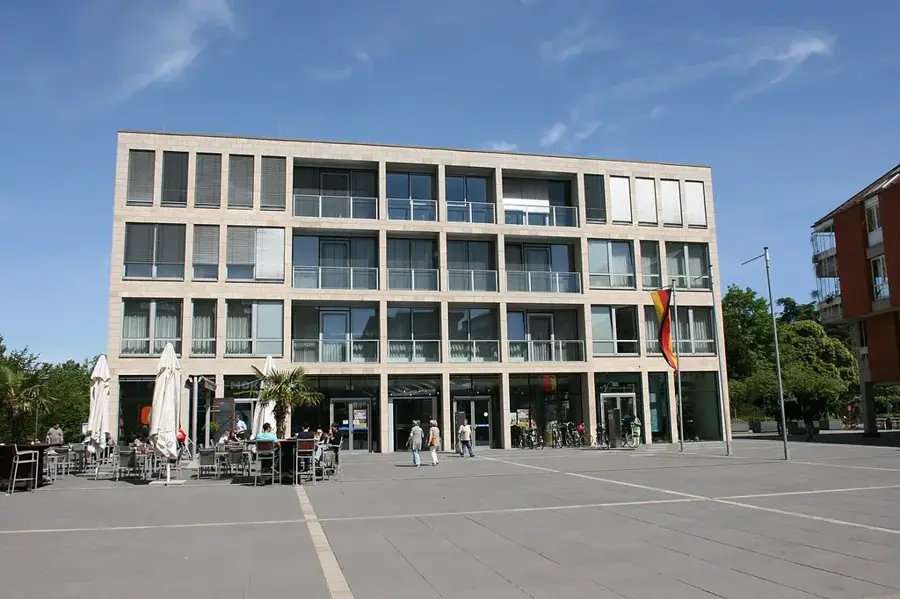
Viersen
A green city in the Lower Rhine region, known for its sculpture collection and parks.
Learn more →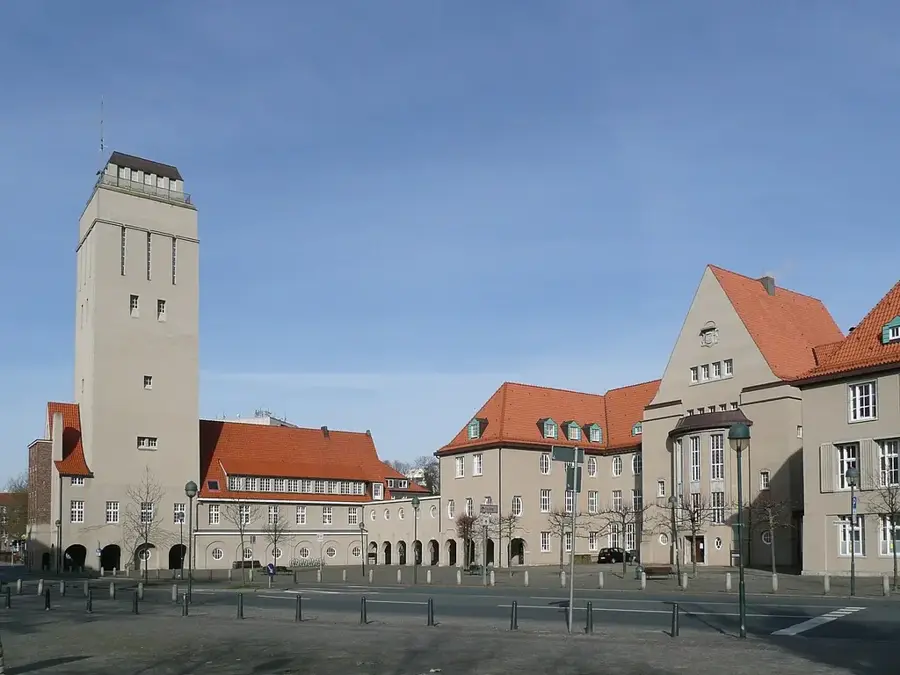
Delmenhorst
An independent city between Bremen and Oldenburg with a significant industrial history.
Learn more →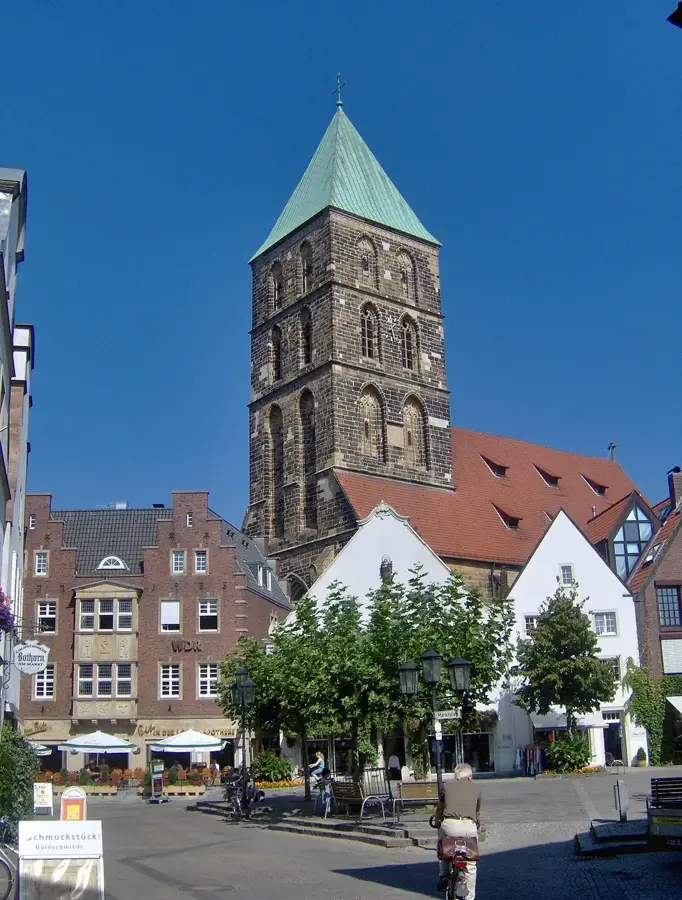
Rheine
The largest city in the Steinfurt district, idyllically located on the Ems river in Münsterland.
Learn more →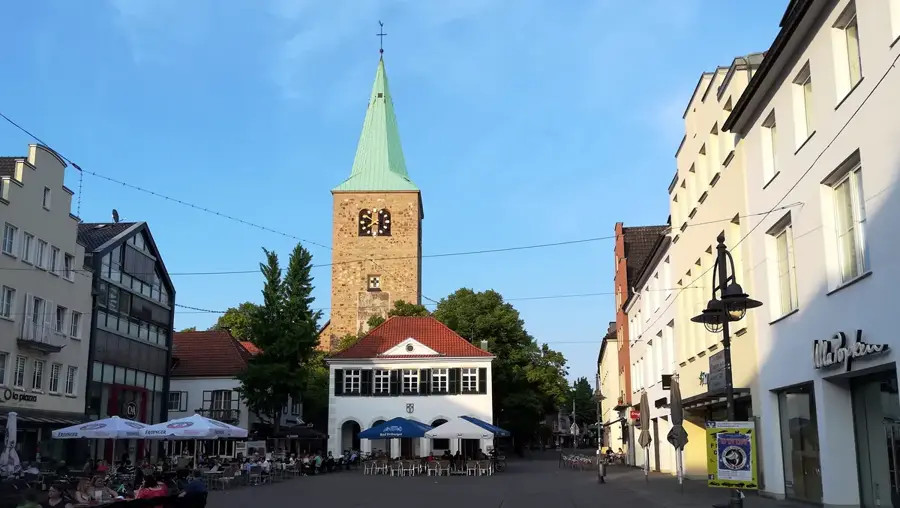
Dorsten
A city on the Lippe river, marking the transition from the Ruhr area to Münsterland.
Learn more →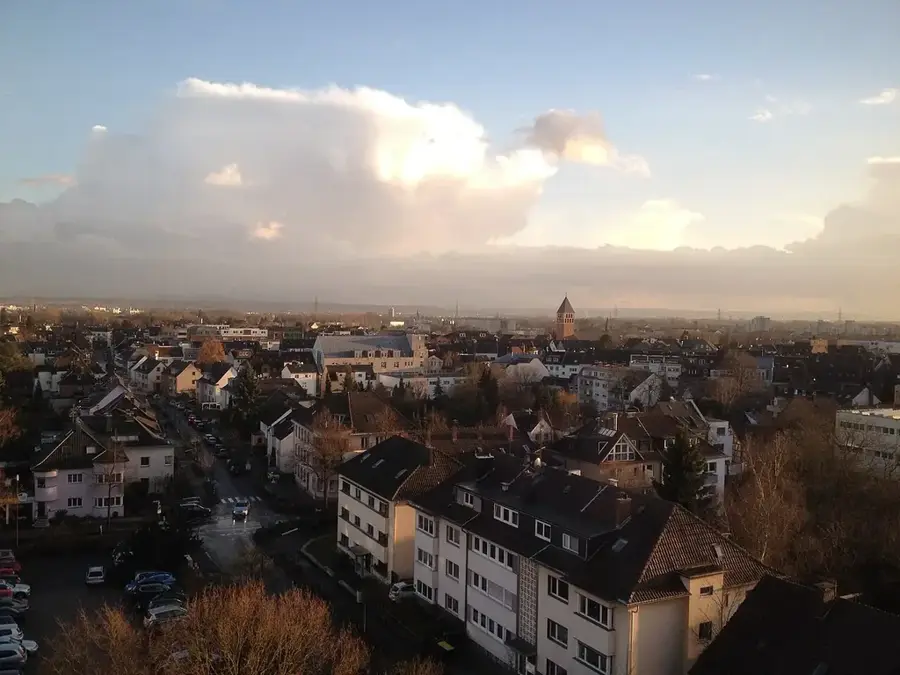
Troisdorf
The most populous city in the Rhein-Sieg district, located between Cologne and Bonn.
Learn more →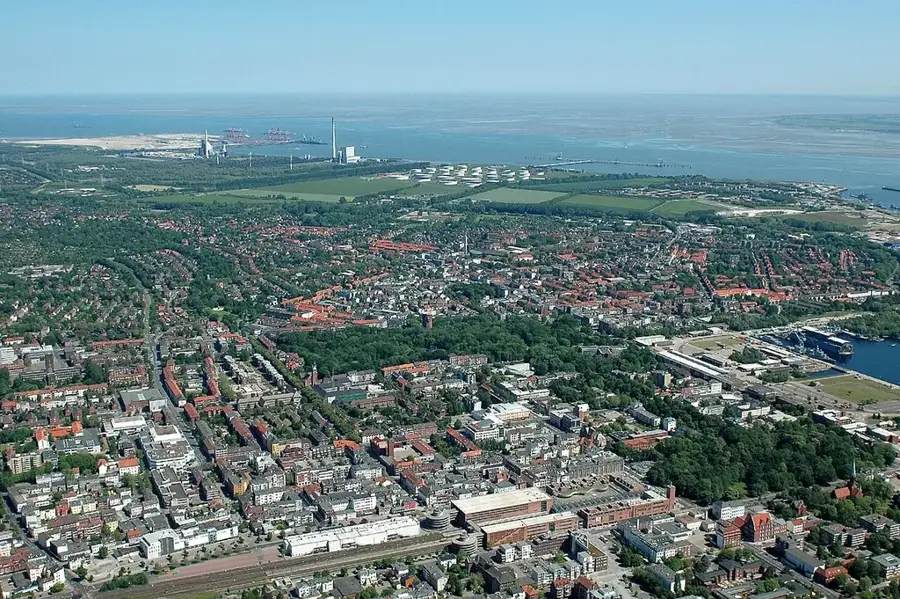
Wilhelmshaven
Germany's largest naval base and only deep-water port on the North Sea.
Learn more →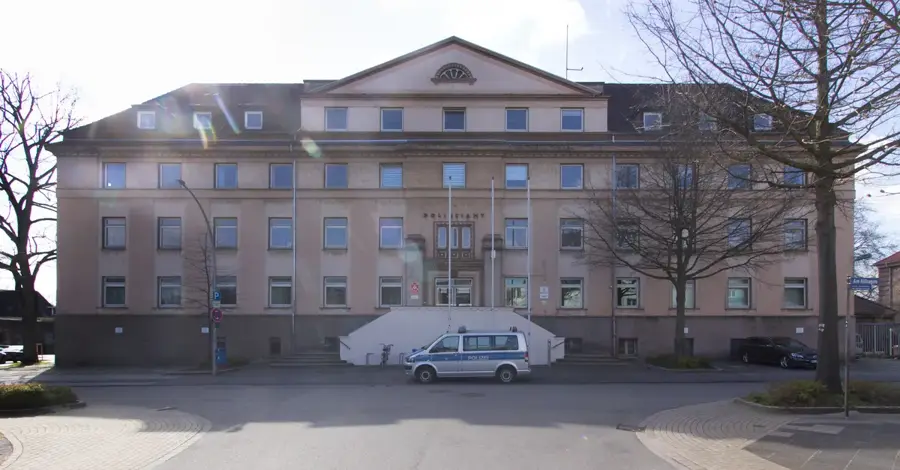
Gladbeck
A former mining town in the northern Ruhr area with plenty of green space and culture.
Learn more →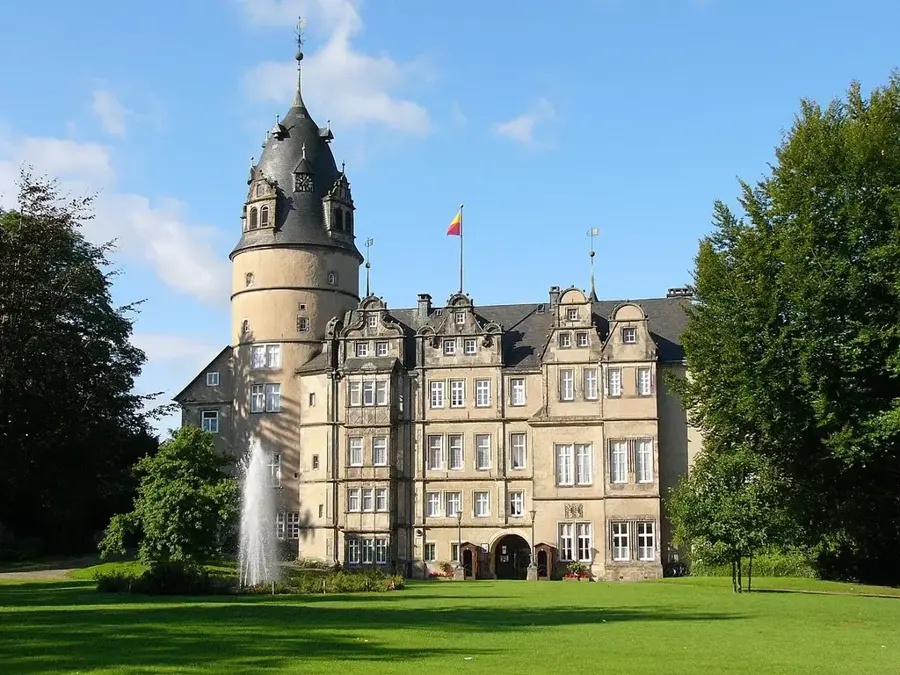
Detmold
The cultural city by the Teutoburg Forest, known for the Hermann Monument and the open-air museum.
Learn more →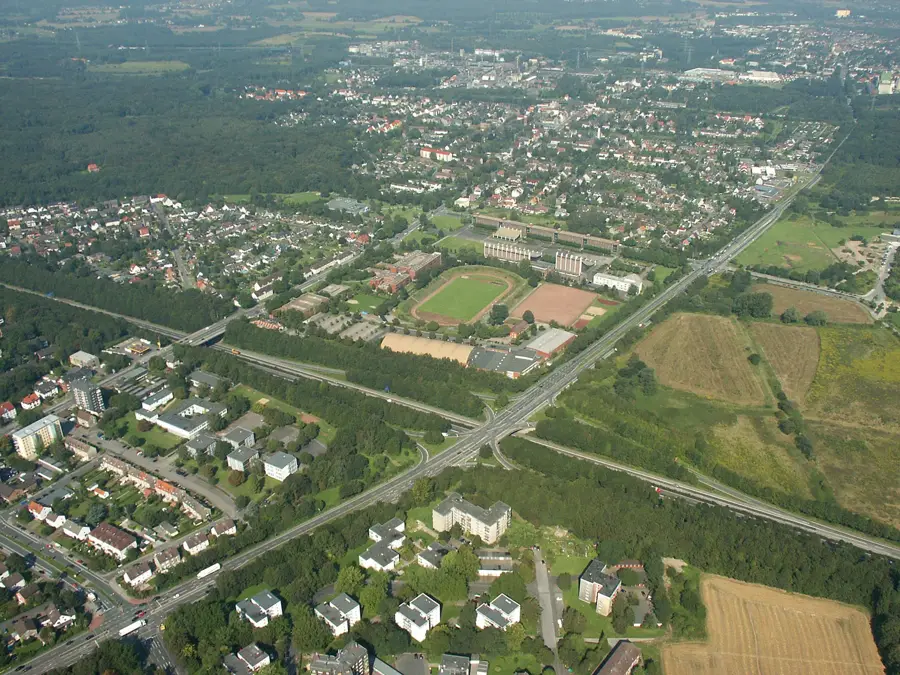
Castrop-Rauxel
A significant industrial city in the Ruhr area, known for its coal mining heritage and its modern transformation into a green European city.
Learn more →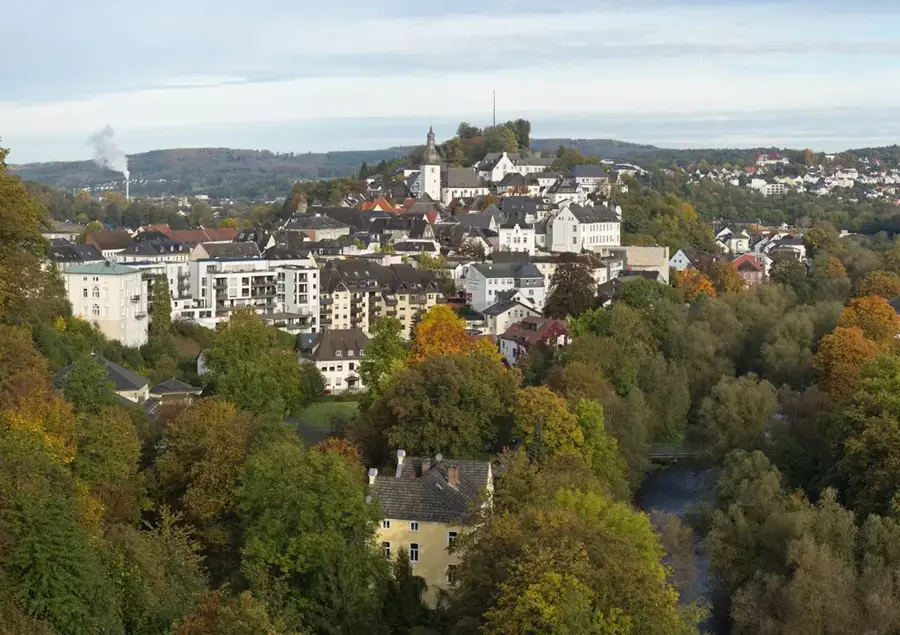
Arnsberg
Arnsberg is located in North Rhine-Westphalia in the Sauerland.
Learn more →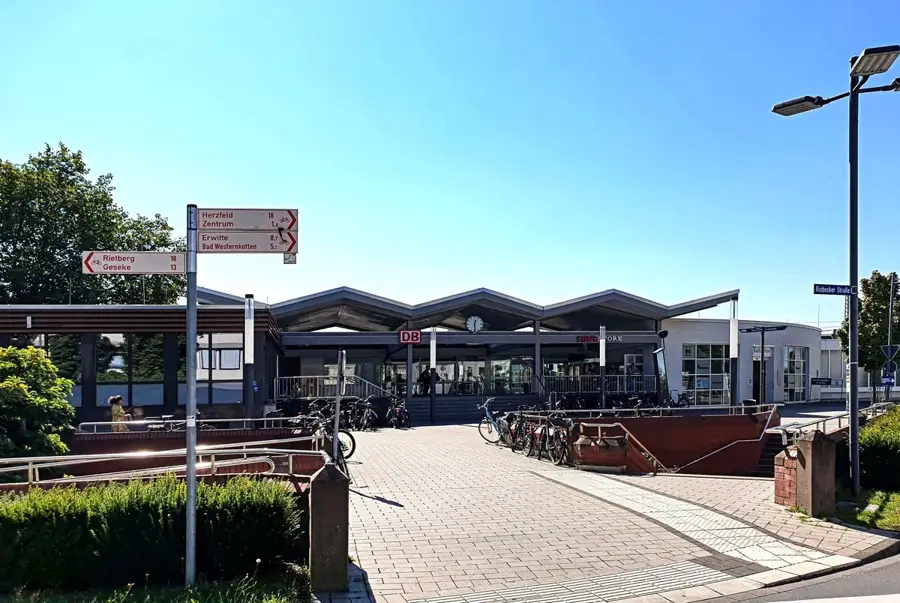
Lippstadt
The oldest planned city in Westphalia is known for its numerous canals and its rich Hanseatic history.
Learn more →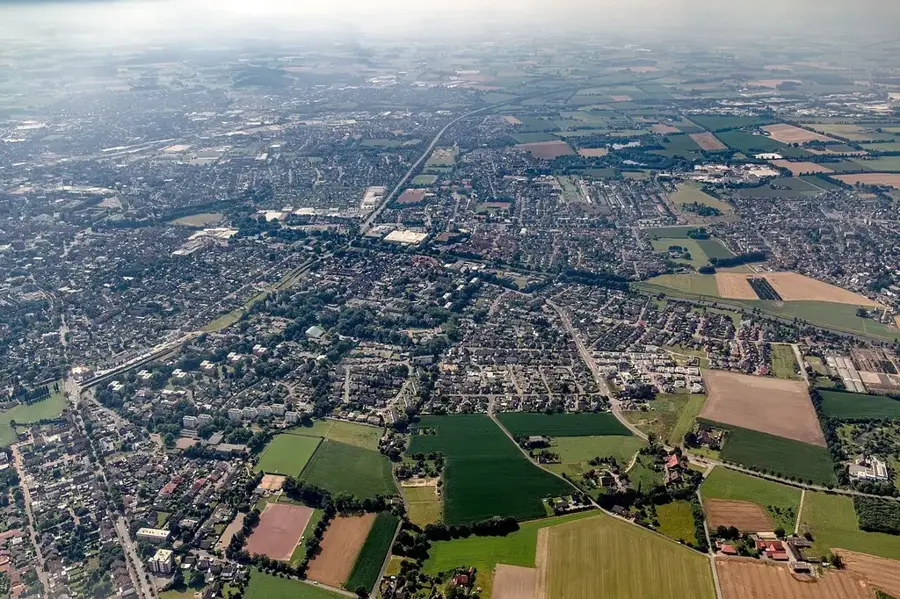
Bocholt
The largest city in the Borken district is known as a major center of the textile industry and Germany's most bicycle-friendly city.
Learn more →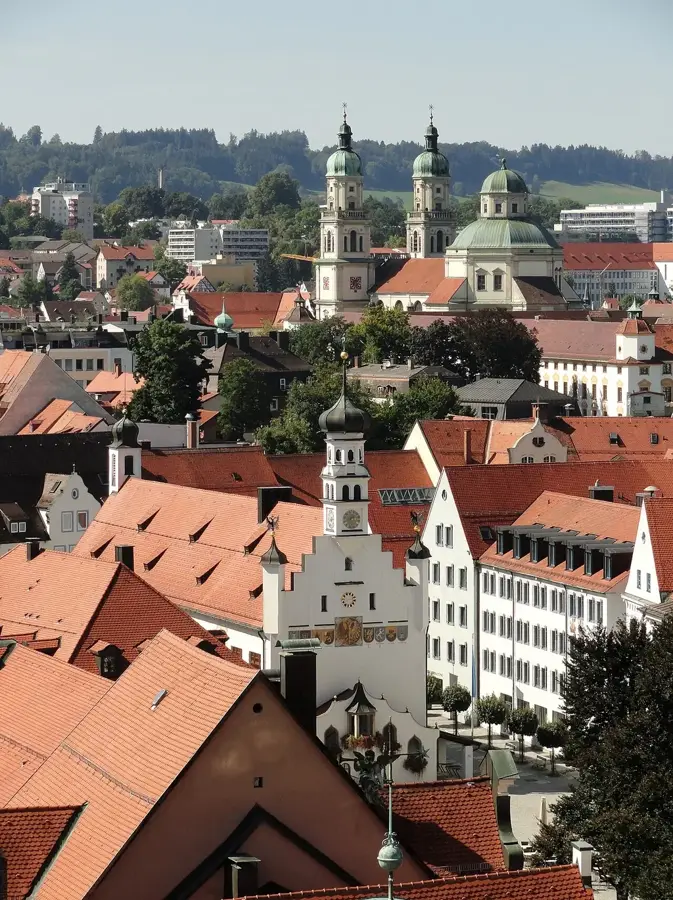
Kempten
Kempten is considered one of the oldest cities in Germany and is the economic and cultural center of the Allgäu region.
Learn more →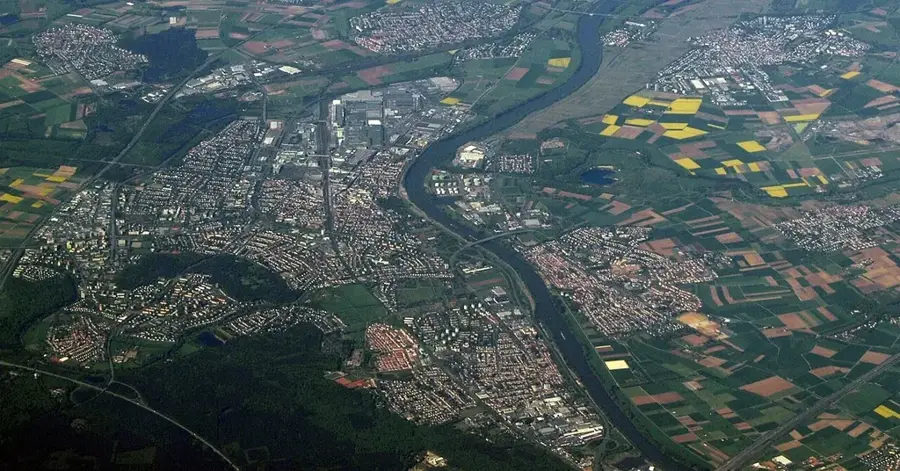
Rüsselsheim am Main
Known as the headquarters of the car manufacturer Opel, Rüsselsheim is a central industrial location in the Rhine-Main area.
Learn more →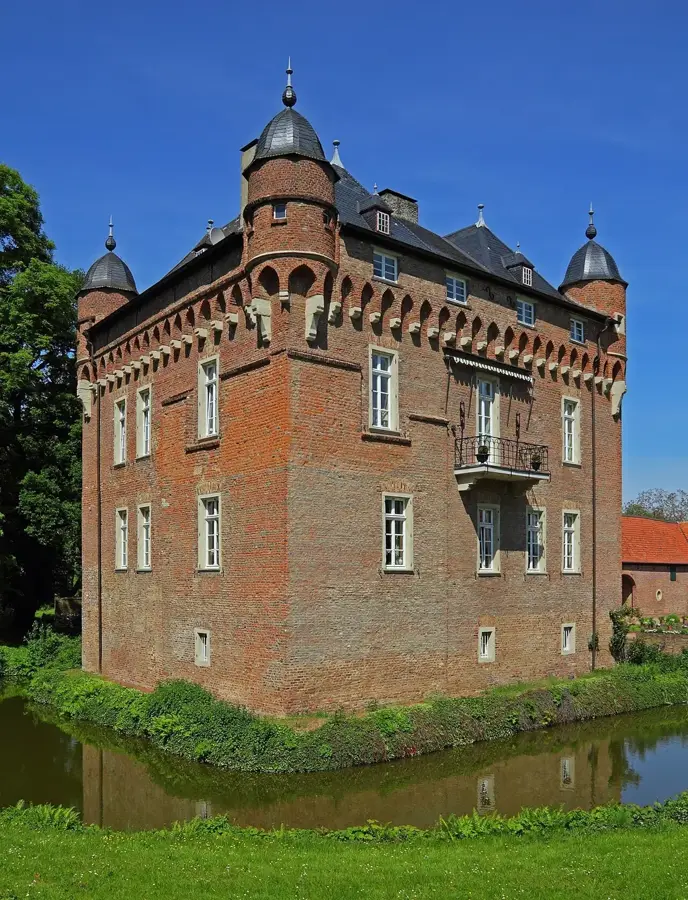
Kerpen
Known as the 'Kolping City' and home to racing legend Michael Schumacher, Kerpen is located west of Cologne.
Learn more →
Herford
A historic Hanseatic city in East Westphalia, now known for the spectacular MARTa Museum and its furniture industry.
Learn more →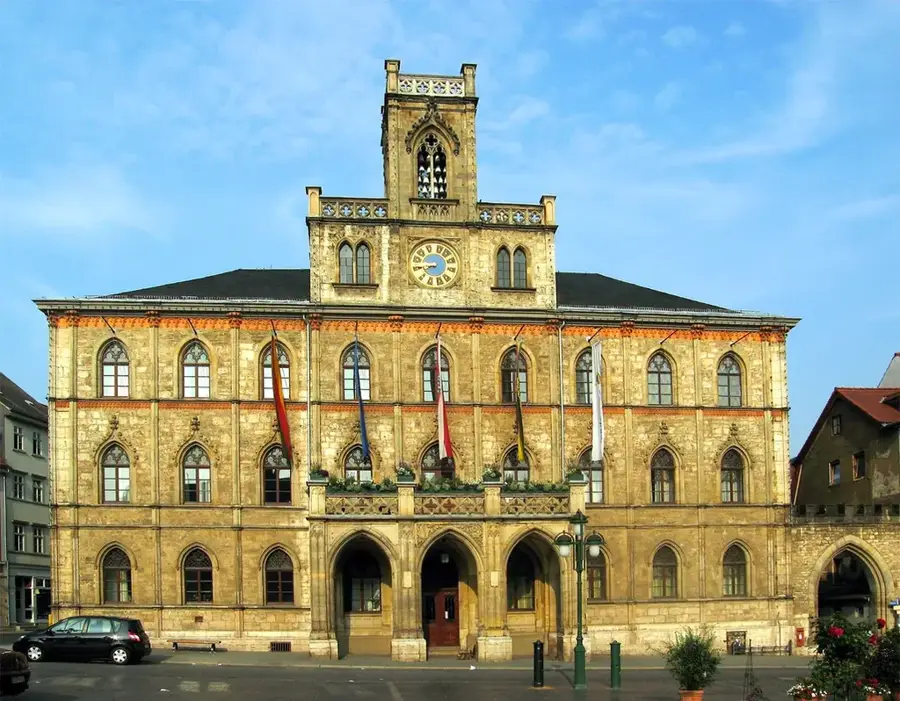
Weimar
Weimar is a world-renowned cultural city in Thuringia.
Learn more →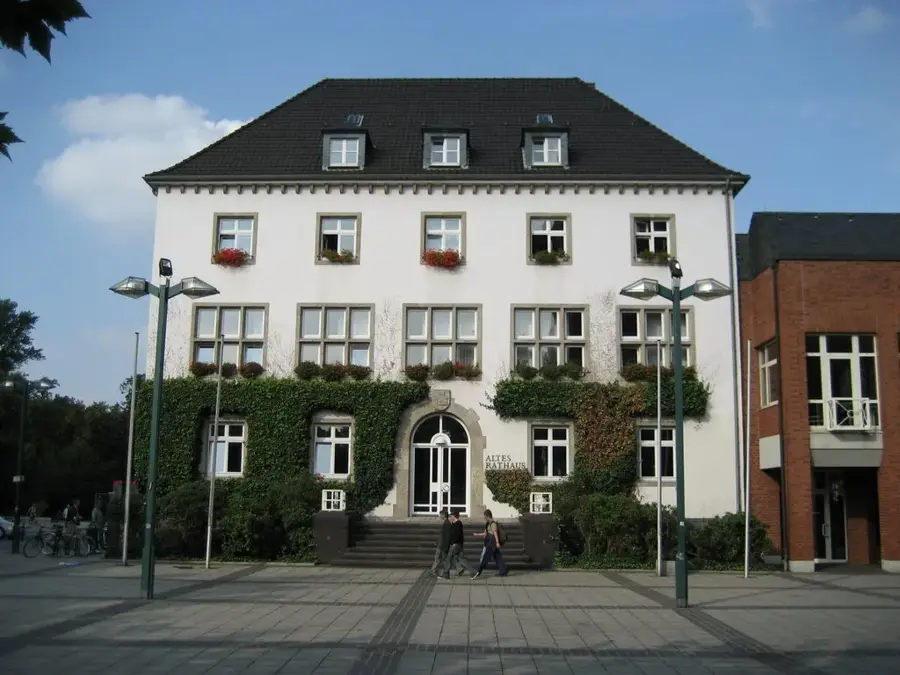
Grevenbroich
Grevenbroich is often referred to as the 'Federal Capital of Energy' because it is located in the center of the Rhenish lignite mining area.
Learn more →Frequently asked questions
What are the largest cities in Germany?
This page lists the most important cities by population – each with its own detail page, map and attractions.
How do I find attractions per city?
Click a city – the detail page lists the top attractions, a map and travel tips.