Plizio Visual Lab
Sidi Bouzid

ℹ️Practical info — Sidi Bouzid
▾
🌤 Weather — 5 days
📍 Nearby
Sights nearby
💡 Tips
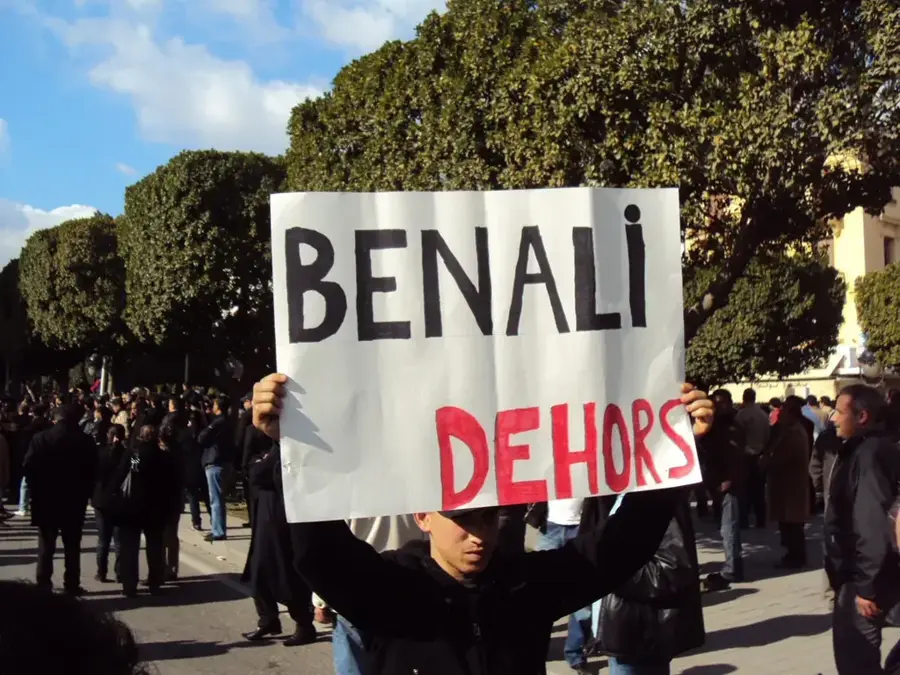
- Visit the central square to see the monument dedicated to the 2010 revolution, where the Arab Spring began.
- Summer temperatures are extreme; do your exploring early in the morning or later in the evening.
- Shared taxis (louages) at the main station are the best and cheapest way to travel to nearby cities.
- Friday is the main prayer day, so expect many local shops, markets, and cafes to close in the afternoon.
🍽 Food
A hearty regional staple. You can find authentic portions at the simple, local diners around the center.
A crispy, deep-fried pastry filled with egg and tuna, widely available at street food stalls.
A sweet, refreshing staple beverage. Enjoy it while sitting at a busy street-side cafe.
🛍 Shopping · 🧘 Quiet spots
The best place to buy fresh dates, olives, and locally grown agricultural produce.
Browse the souk area for traditional woven blankets and handcrafted rugs.
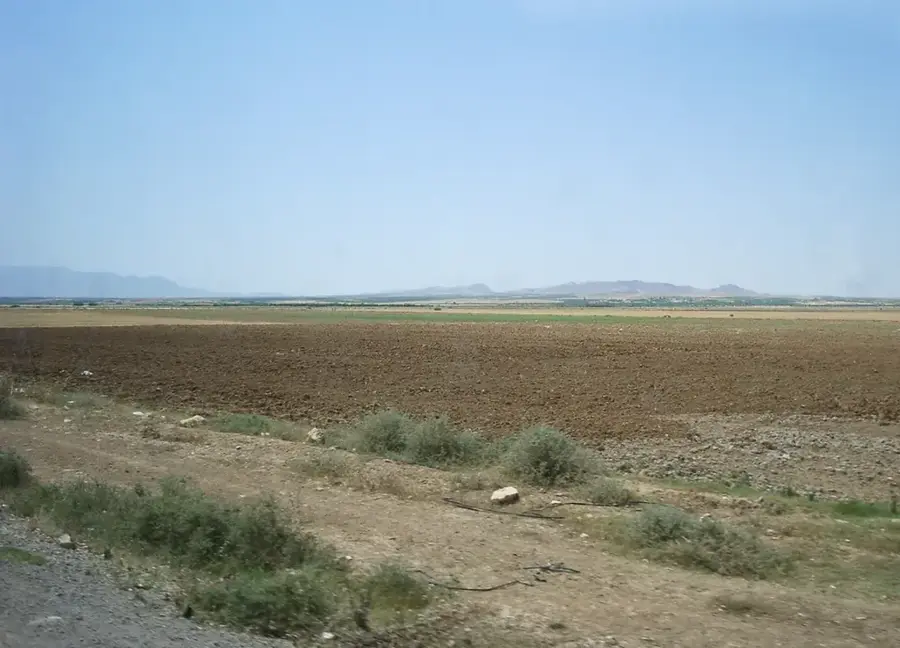
Take a short walk towards the edge of town to see the peaceful agricultural landscapes.
Small green spaces in the center offer some shade and quiet during the early morning.
Water temperature…
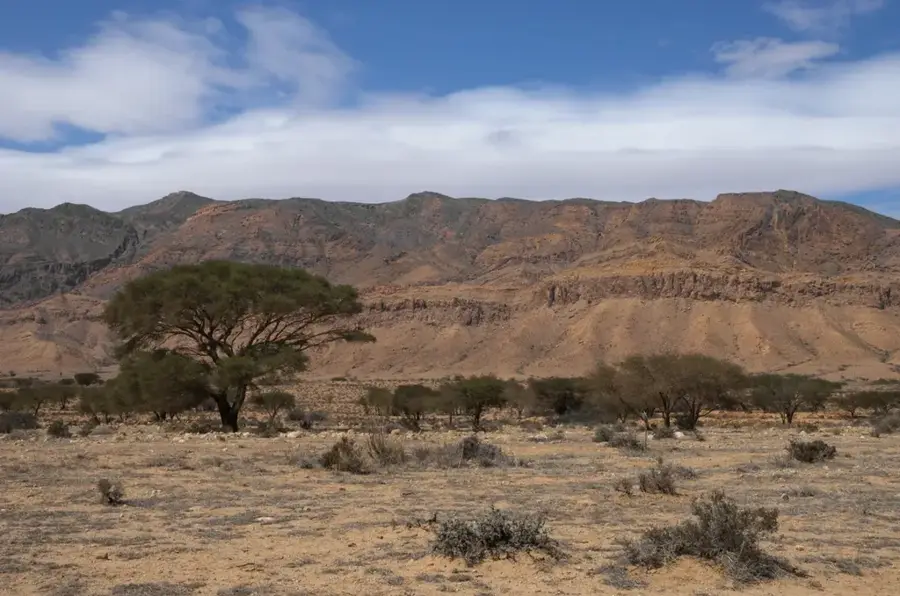
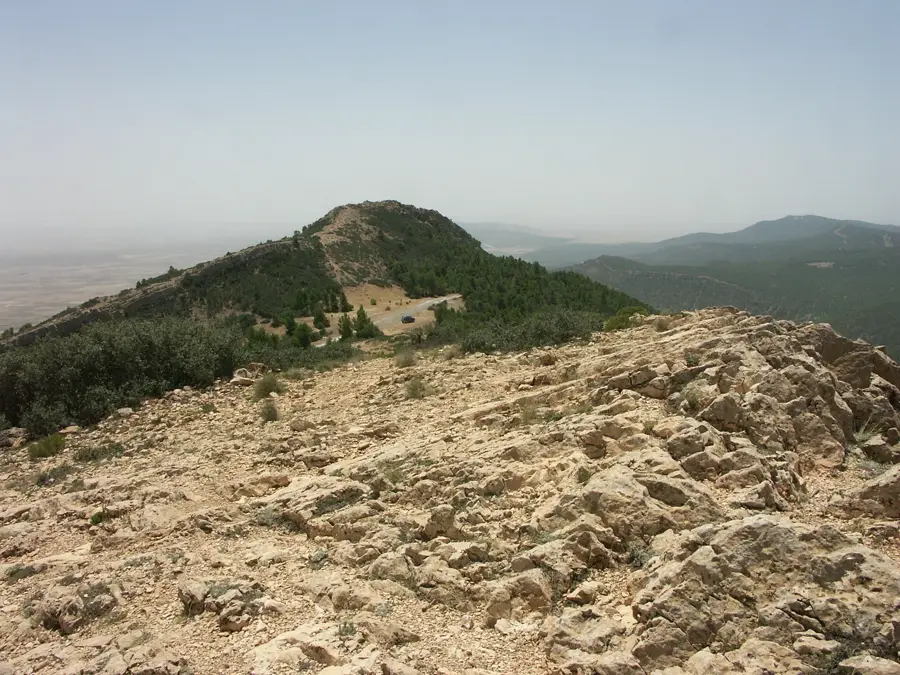
Sidi Bouzid, located in central Tunisia, gained international prominence in late 2010 as the birthplace of the Tunisian Revolution, an event that ignited the broader Arab Spring. Historically a modest agricultural settlement, the city has evolved into a symbol of political agency and social change. Geographically, it is situated in a transitional zone between the northern mountains and the southern desert, dominated by high plains that have been successfully reclaimed through extensive irrigation. Today, Sidi Bouzid is arguably Tunisia's most important inland agricultural hub, leading the nation in the production of vegetables, almonds, and dairy. Its economy is centered on agribusiness, with large-scale farming cooperatives and milk processing plants providing essential supplies to the coastal cities. Named after the 12th-century Sufi saint Sidi Bouzid Ben Abbes, the city preserves a spiritual heritage centered around his shrine. Architecturally, it is a modern town with wide boulevards and functional administrative buildings, reflecting its role as the capital of its governorate. The population is known for its resilience and strong connection to the land, maintaining traditions of rural solidarity and tribal heritage. In recent years, the city has seen growth in its educational infrastructure, with the establishment of university faculties attracting students from across the interior. Culturally, Sidi Bouzid hosts festivals celebrating its agricultural bounty and its newfound political identity. For visitors, the city provides a stark, beautiful inland landscape and a unique opportunity to witness the site of pivotal historical events. It serves as a vital bridge between the industrial coast and the pastoral interior, playing a critical role in Tunisia's food security and regional stability.
Explore on the map
How well do you know Tunisia?
Find cities, landscapes and regions in 10 varied challenges on the interactive map.
Your journey, your memory
A postcard from Sidi Bouzid
Turn your own photo into a personal postcard with a local stamp. Free and no sign-up required.
Create a postcard- Location: Tunisia
- Nearby: Sbeitla (39 km)
- Population: ~47.595 (2026)
Best time to visit & climate
The most pleasant time to visit is May, Sep, Oct.
| Jan | Feb | Mar | Apr | May | Jun | Jul | Aug | Sep | Oct | Nov | Dec | |
|---|---|---|---|---|---|---|---|---|---|---|---|---|
| Avg °C | 9 | 9 | 13 | 17 | 21 | 26 | 29 | 29 | 24 | 20 | 14 | 10 |
| Rain mm | 35 | 23 | 40 | 31 | 30 | 17 | 9 | 20 | 39 | 33 | 32 | 37 |
Geography
Facts
- The city is the administrative heart of the TN-43 ISO region.
- Sidi Bouzid produces more than 250,000 tons of fruit annually.
- The region is home to over 5 million olive trees.
- The 17th of December is a national holiday in Tunisia honoring the city.
- Sidi Bouzid's average annual temperature is approximately 19°C.
- The city acts as the primary distribution hub for the Tunisian interior.
- Local industry includes the manufacturing of agricultural machinery.
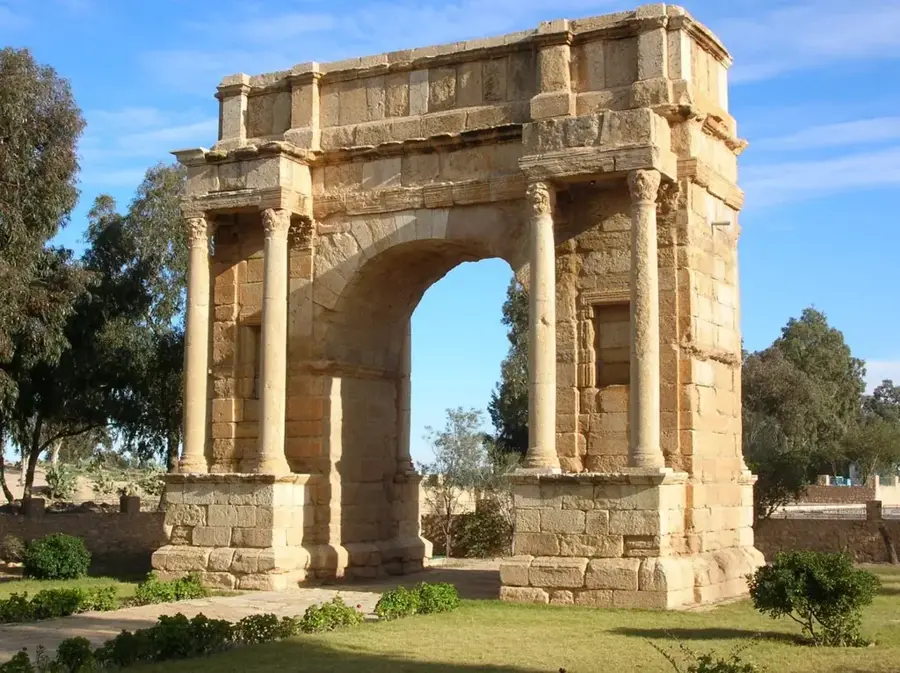
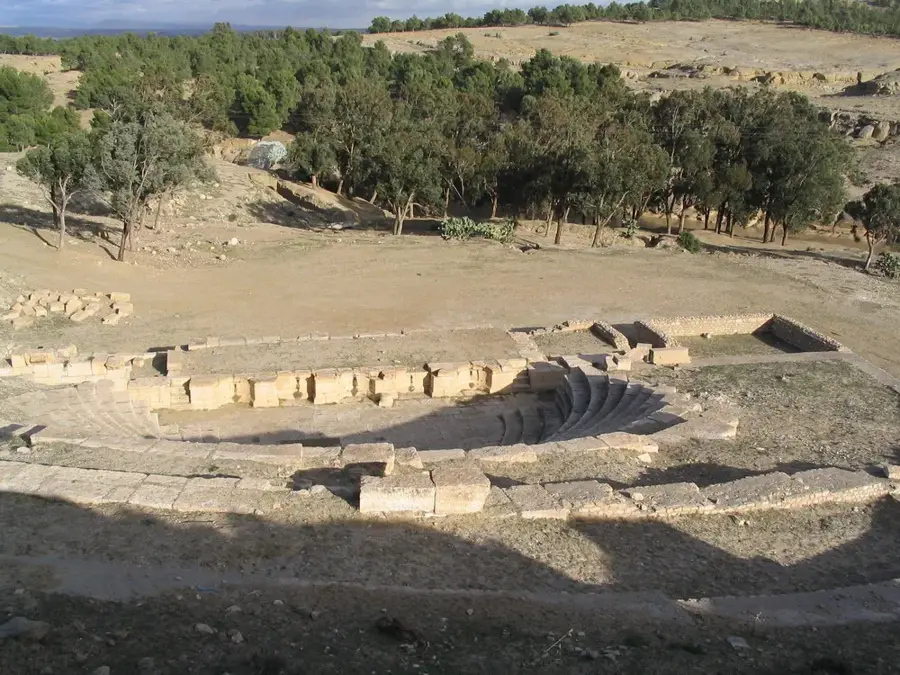
- Sidi Bouzid has several archaeological sites nearby from the Roman period.
Explore nearby
Notable places around
Route planner — Car & Motorhome
Where do you start? We build the route here, with stops and country notes along the way.
© OpenStreetMap contributors · OpenRouteService
Sights in the town Sidi Bouzid (1)
Frequently asked questions
What does Sidi Bouzid offer?
When is a good time?
Are there sights?
How is the infrastructure?
Is it family-friendly?
Sidi Bouzid: where is it located?
Sidi Bouzid: when is the best time to visit?
Sidi Bouzid: why is it worth visiting?
Nearby cities
More places