Plizio Visual Lab
Yadé
ℹ️Practical info — Yadé
▾
🌤 Weather — 5 days
📍 Nearby
Sights nearby
💡 Tips
- Watch the blacksmiths of Yadé, who uniquely use massive mountain boulders as stone anvils for their work.
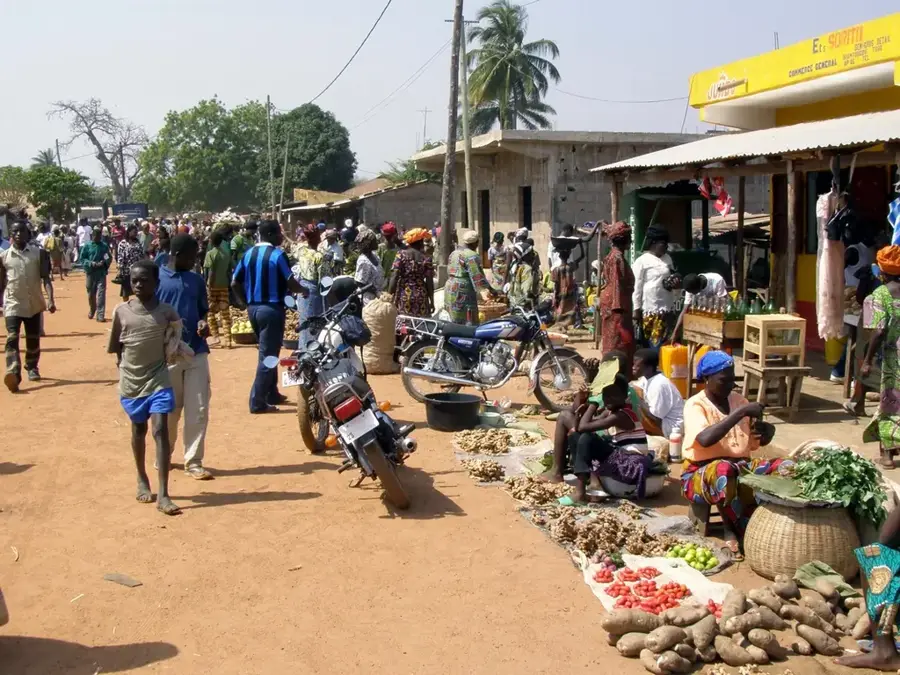
- The Sunday market is the best time to experience the animated social life of the local Kabyé clans.
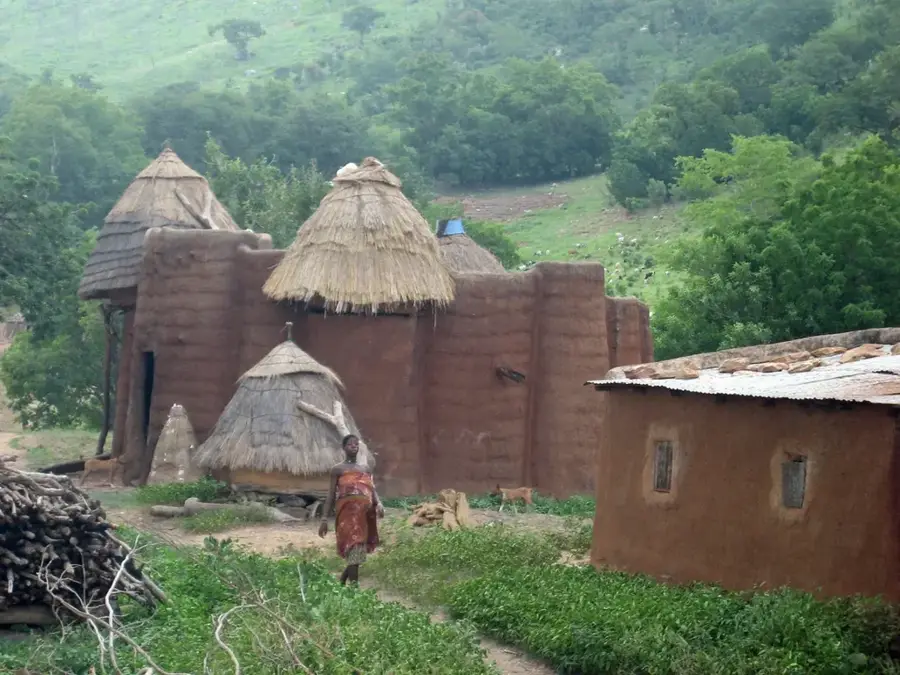
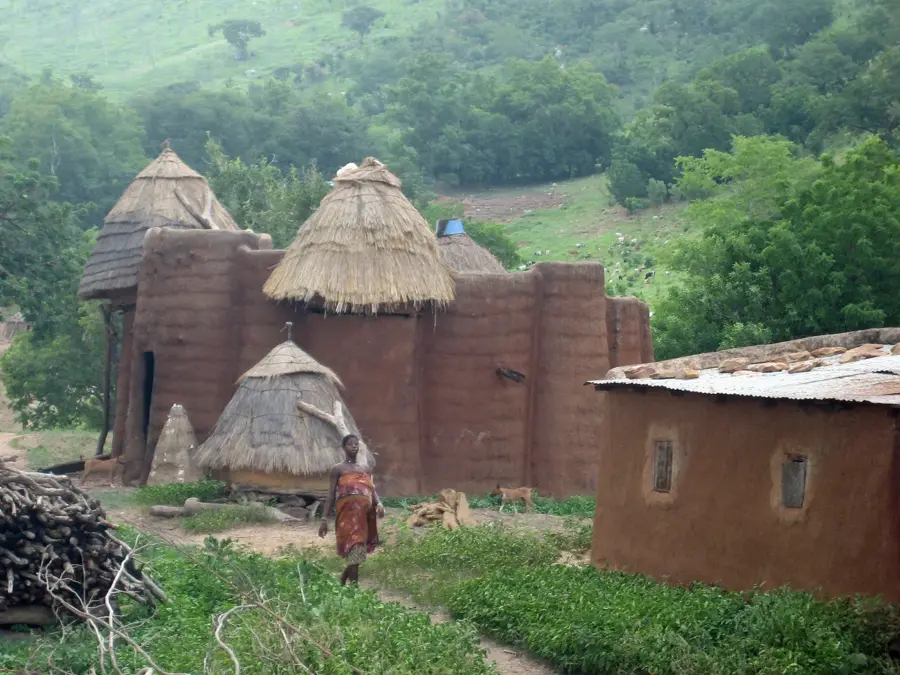
- Visit a Soukala (traditional family compound) to see the beautiful circular mud-and-thatch architecture.
- Show deep respect at ritual sites, especially where legends say the first ancestors descended from heaven.
- Learning a few words in Kabyé, like 'Na-yo' (hello), will be warmly appreciated by the locals.
🍽 Food
Yams from the Kara region are famous for creating the smoothest and stretchiest fufu.
A refreshing and vitamin-rich local drink often sold at the weekly Sunday market.
In the evenings, look for women cooking fresh fish over charcoal grills near the market area.
🛍 Shopping · 🧘 Quiet spots
Look for the distinctive Kabyé patterns and bold colors at the village market stalls.
Traditional clay pots from this area are well-known for their quality and classic shapes.
A quiet hike leading to a spectacular 360-degree view over the Kara River valley.
The terraced fruit gardens around Yadé are peaceful green spots first-rate for a slow walk.
Water temperature…
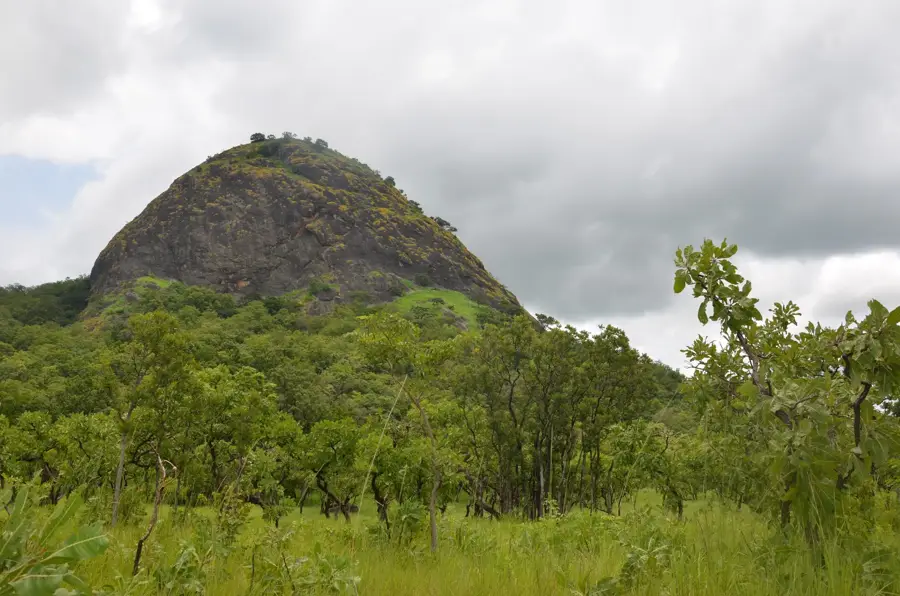
Yadé lies in the Kara Region, set within a rugged hill country famous for its dramatic rock formations and narrow valleys. The settlement belongs to Kozah Prefecture and is a tradition-rich locale of the Kabyè people, whose inhabitants pass on their history mainly through oral tradition. Tales of ancient heroes, ancestral migrations and conflicts with neighbours are preserved by experienced storytellers (griots) and handed down to younger generations. The economic foundation is the traditional terraced hillside farming of millet, sorghum, yams and groundnuts, supplemented by the gathering of honey, medicinal plants and wild fruits. Yadé is famous for its highly developed clan structures, in which each family holds clearly defined roles and duties. The sacred groves around the village are taboo and may be entered only during particular ceremonies, contributing to a remarkable level of nature conservation.
Explore on the map
How well do you know Togo?
Find cities, landscapes and regions in 10 varied challenges on the interactive map.
Your journey, your memory
A postcard from Yadé
Turn your own photo into a personal postcard with a local stamp. Free and no sign-up required.
Create a postcard- Location: Togo
- Nearby: Pya (7 km)
Best time to visit & climate
The most pleasant time to visit is Jan, Nov, Dec.
| Jan | Feb | Mar | Apr | May | Jun | Jul | Aug | Sep | Oct | Nov | Dec | |
|---|---|---|---|---|---|---|---|---|---|---|---|---|
| Avg °C | 25 | 28 | 29 | 28 | 27 | 26 | 25 | 24 | 25 | 25 | 26 | 25 |
| Rain mm | 4 | 11 | 38 | 89 | 125 | 147 | 197 | 208 | 207 | 118 | 11 | 2 |
Geography
Facts
- The terraced fields of Yadé are a testament to centuries of ecological adaptation.
- The settlement is located in the center of the Kabyé Massif in northern Togo.
- Important Evala initiation rites take place here annually every July.
- Agriculture is focused on the production of sorghum, millet, and yams.
- Yadé is situated at an average elevation of approximately 550 meters.
- The region is often referred to as 'Pays Kabyé' due to its cultural significance.
Explore nearby
Notable places around
Route planner — Car & Motorhome
Where do you start? We build the route here, with stops and country notes along the way.
© OpenStreetMap contributors · OpenRouteService
Sights in the town Yadé (1)
Frequently asked questions
What defines Yadé?
Are there tourist attractions?
How to get there from Lomé?
What is the weather like?
Can I photograph locals?
Yadé: where is it located?
Yadé: when is the best time to visit?
Yadé: why is it worth visiting?

Nearby cities


History & landmarks
Nature

More places