Attractions in Togo
The finest attractions in Togo at a glance: castles, natural wonders, historic old towns and more. Each place links to a detailed page with map, tips and photos.
Culture & History
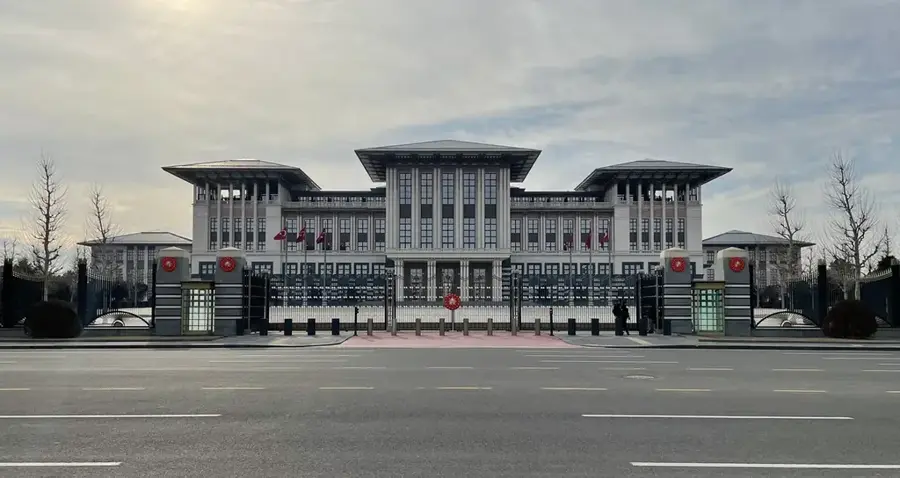
New Presidential Palace
This modern architectural masterpiece in Lomé serves as the official residence of the President of Togo and impresses with its monumental facade.
Learn more →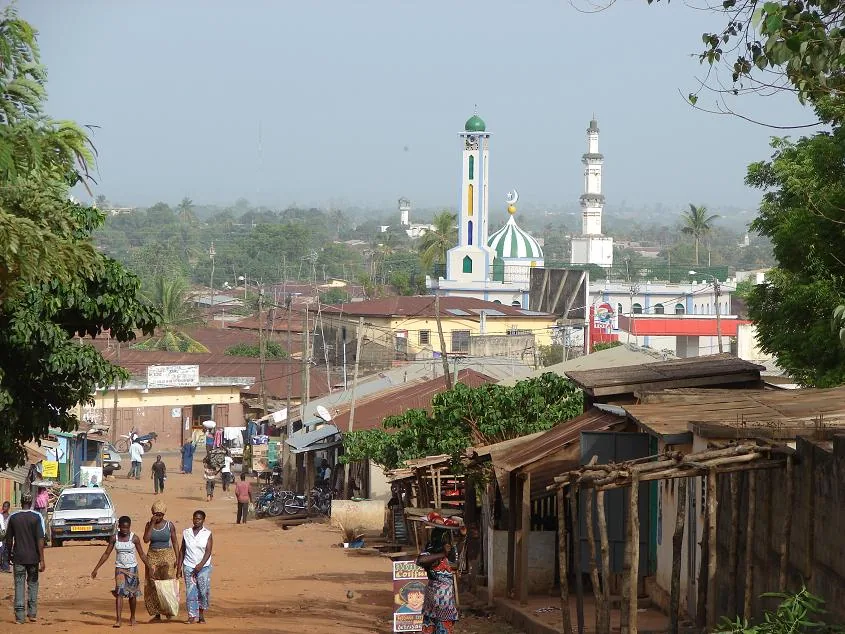
Grand Mosque of Sokodé
This magnificent religious structure is the spiritual heart of Sokodé and a testament to the deeply rooted Islamic culture in central Togo.
Learn more →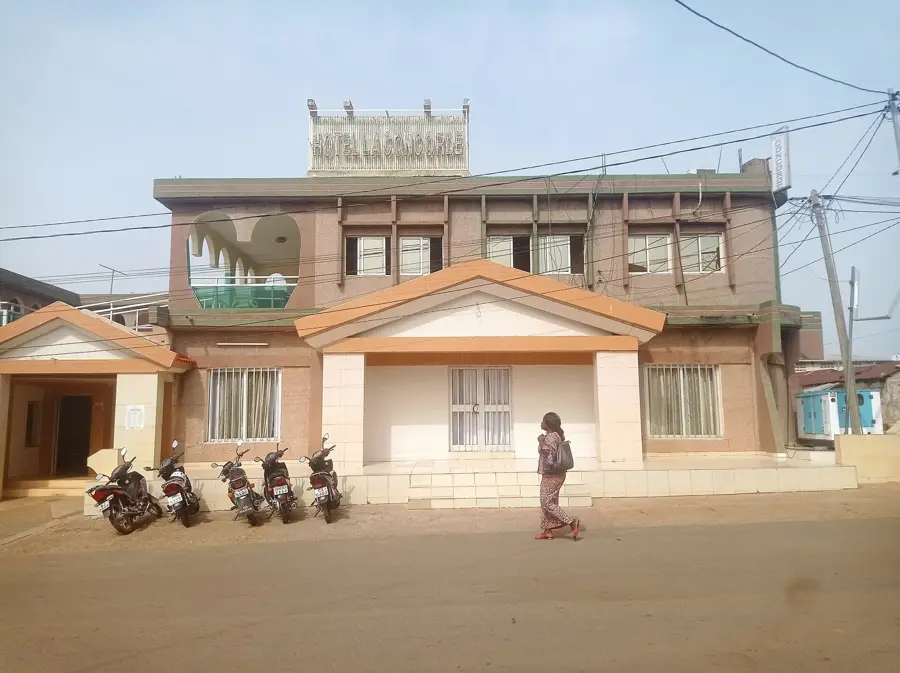
Grand Mosque of Kara
A striking religious center in the city of Kara, defining the northern cityscape with its traditional architecture and minarets.
Learn more →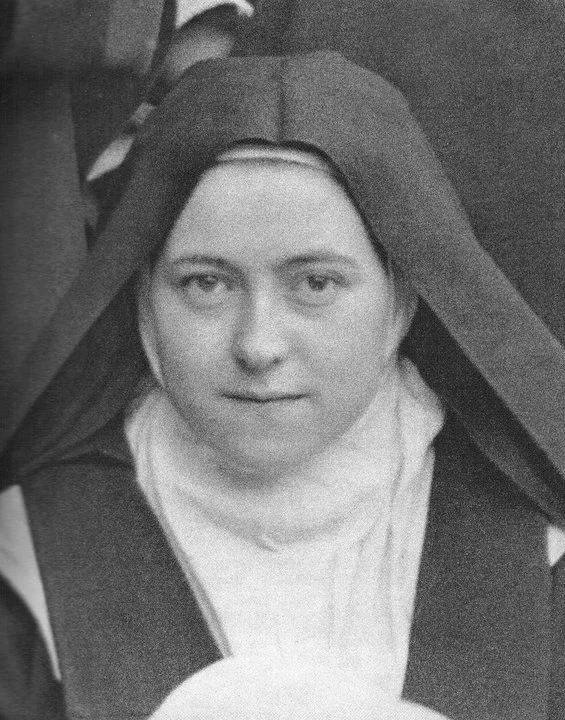
Saint Therese Cathedral
The magnificent cathedral of Aného is a landmark of the former capital and an important center of the Catholic faith on the coast.
Learn more →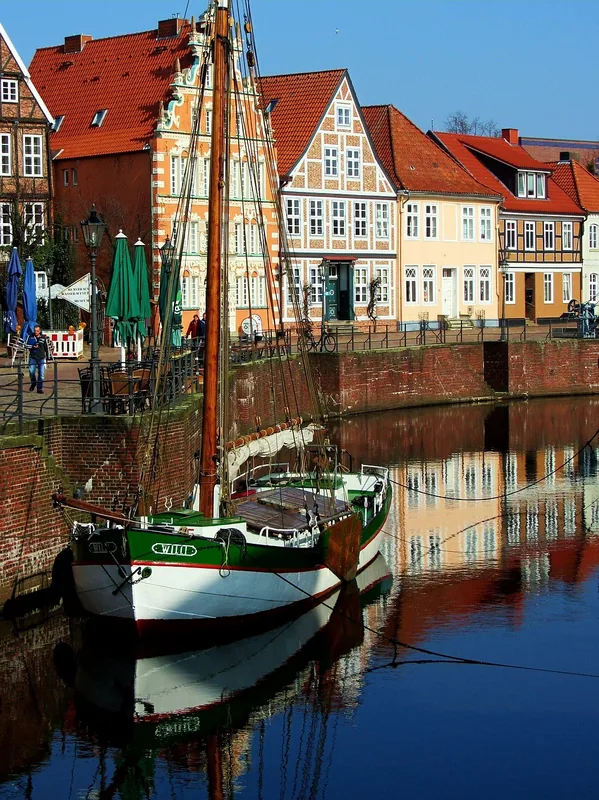
Stade de Kégué
Togo's largest stadium, located in Lomé, is the venue for national football matches and major athletics competitions.
Learn more →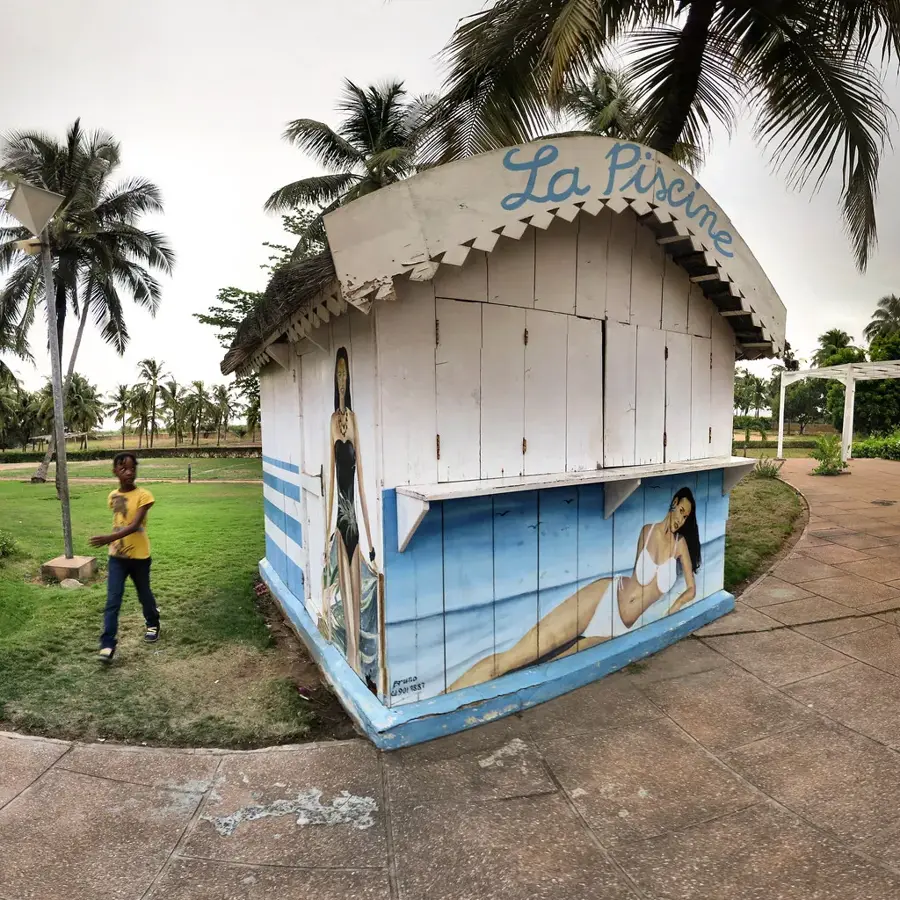
National Assembly of Togo
This modern building houses the Parliament of Togo and is a central location for the country's political decision-making.
Learn more →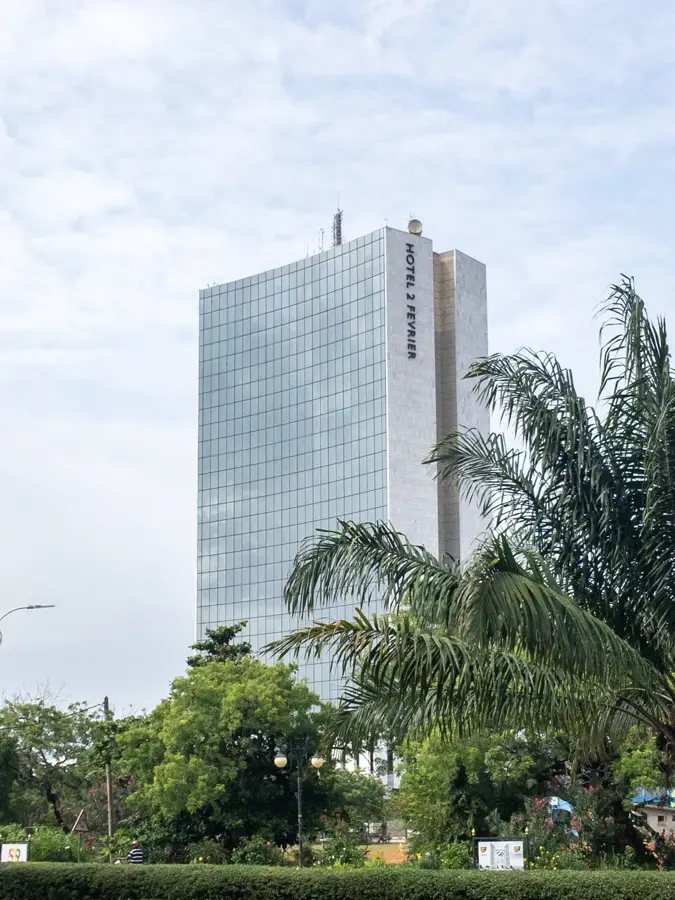
Lomé City Hall
The Lomé City Hall is a representative administrative building symbolizing the municipal self-government of the capital.
Learn more →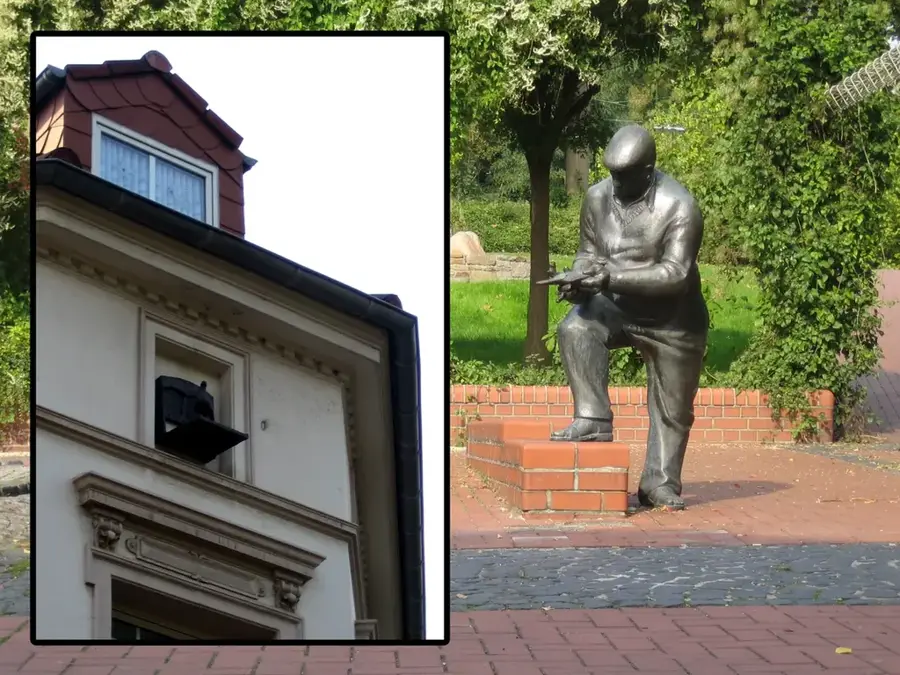
Dove Monument
The Dove Monument is a peaceful landmark in Lomé, representing the hope for national harmony and stability.
Learn more →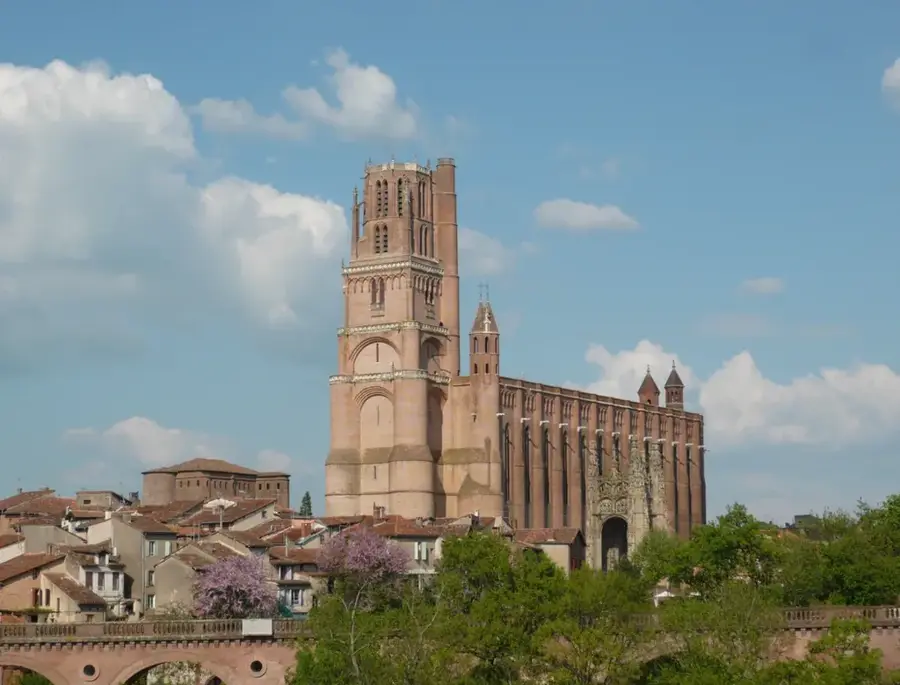
Saint-Esprit Cathedral
The imposing cathedral of Kpalimé is an architectural gem that shapes the cityscape at the foot of Mount Agou.
Learn more →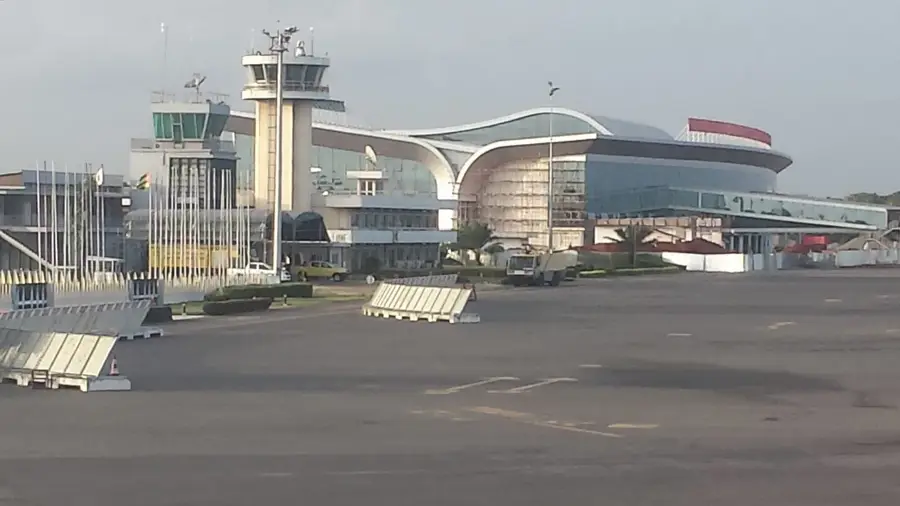
Gnassingbé Eyadéma Airport Terminal
The modern terminal of Lomé's international airport is an impressive example of Togo's modern infrastructure.
Learn more →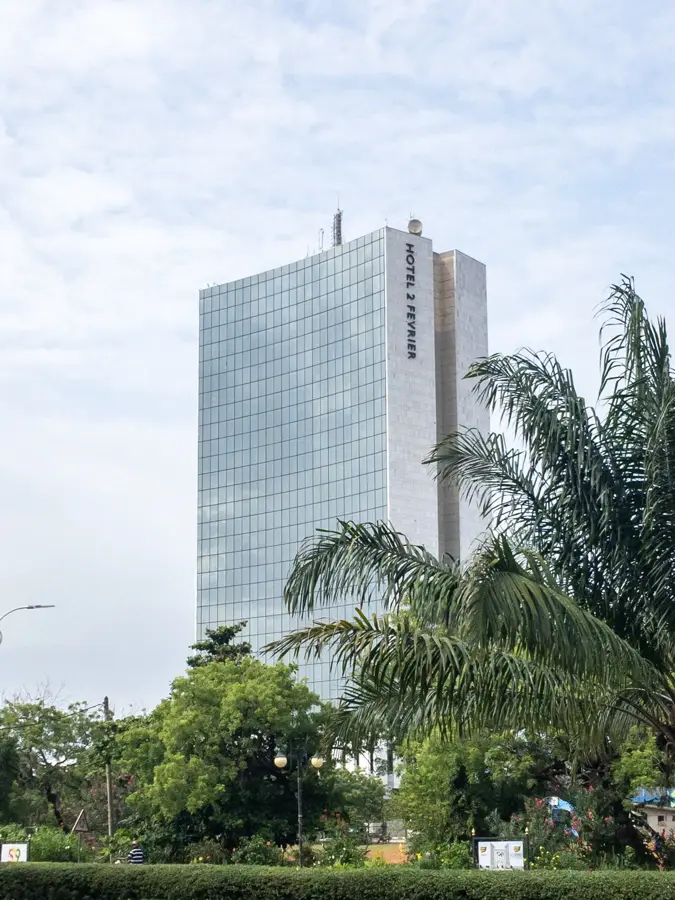
Hôtel du 2 Février
This prominent high-rise is the tallest building in Togo and a symbol of the modern skyline of the capital, Lomé.
Learn more →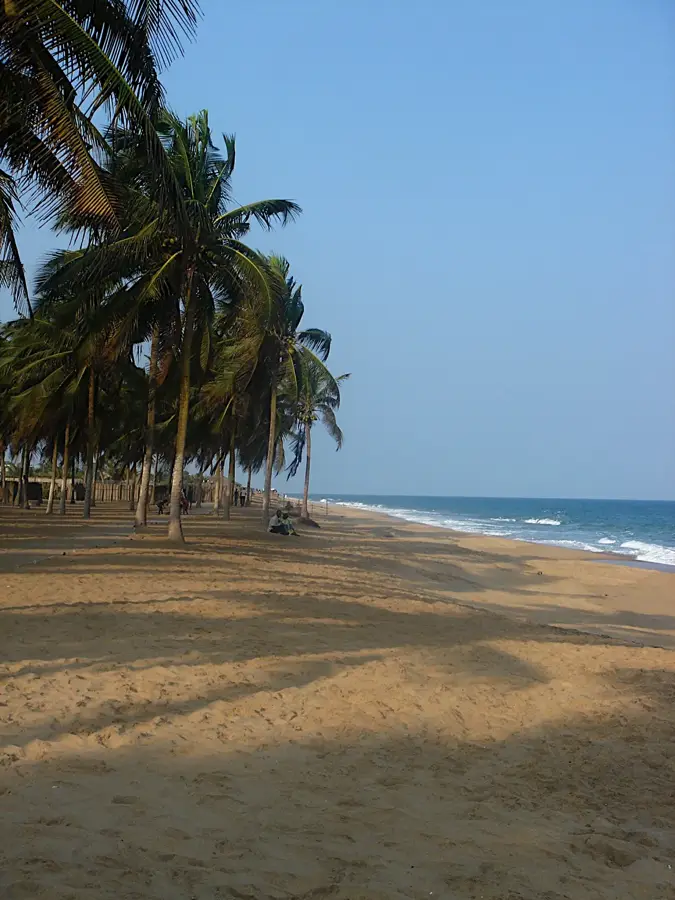
Aneho Bridge
This modern bridge crosses the Aného lagoon, connecting parts of the city and the main road to Benin.
Learn more →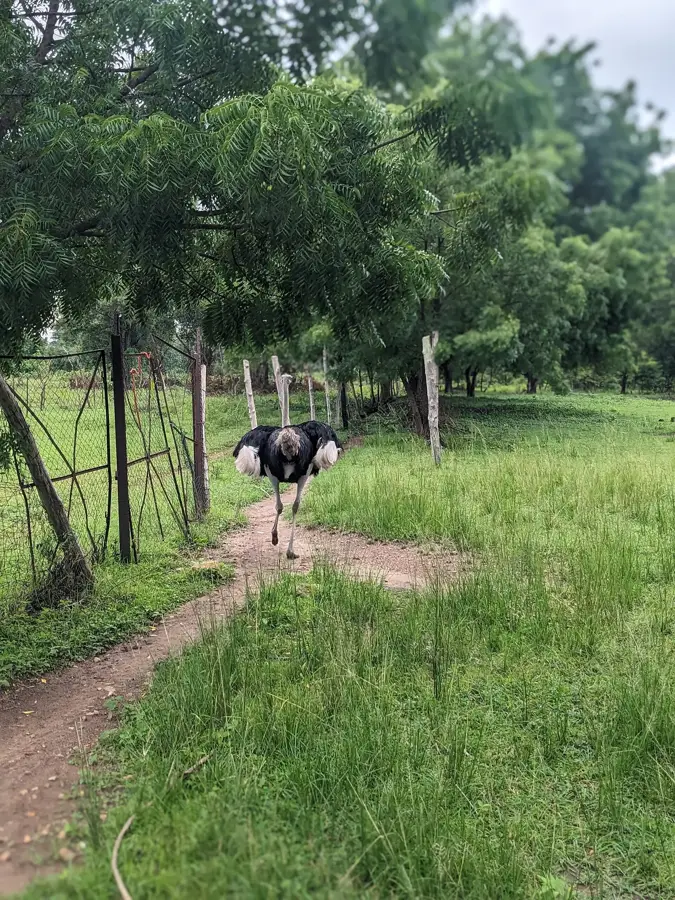
Sarakawa
Historical site and wildlife reserve known for the monument of a major 1974 plane crash.
Learn more →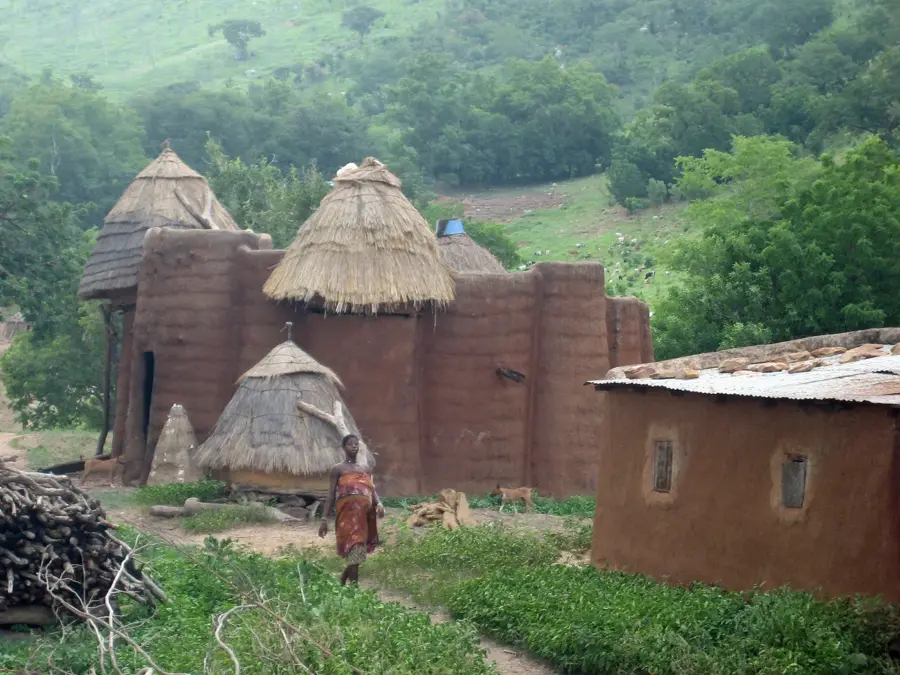
Koutammakou
The land of the Batammariba people, famous for its unique two-story mud tower-houses called Takienta.
Learn more →Nature
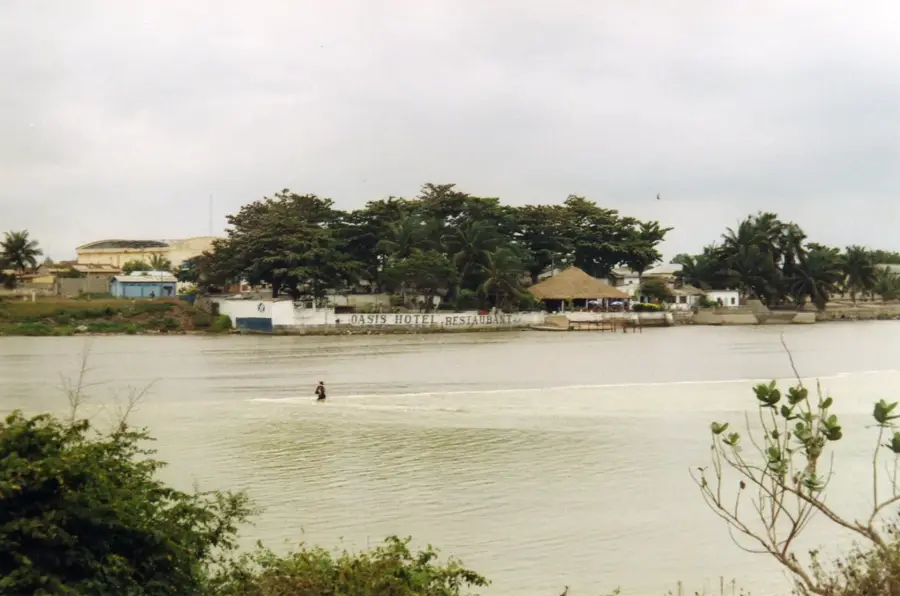
Lake Togo
Lake Togo is the largest lagoon in the country and a major center for water sports and fishing.
Learn more →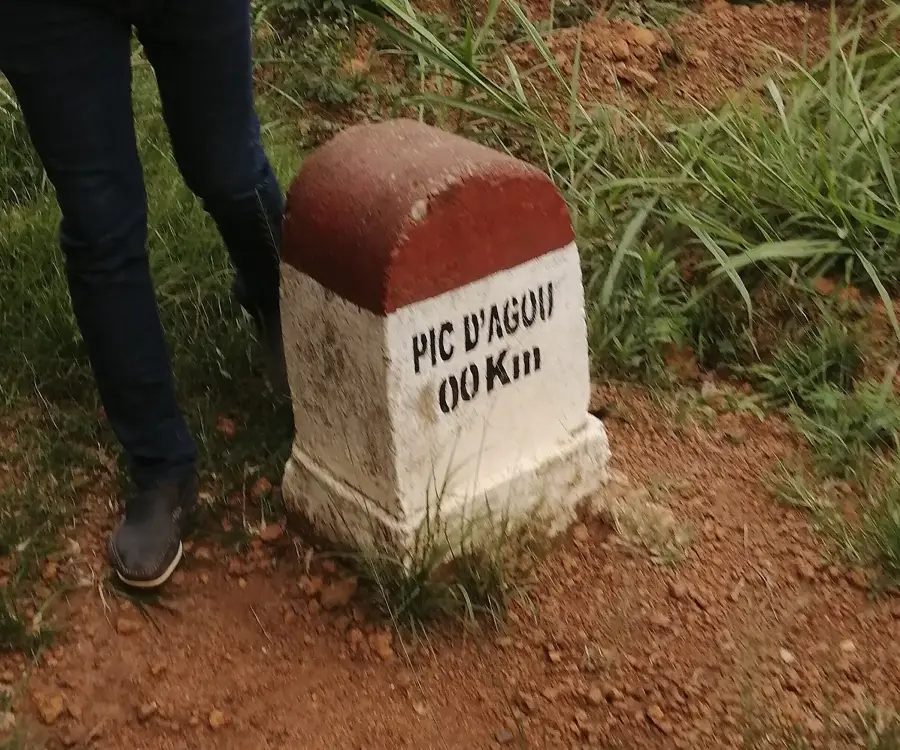
Mount Agou
At 986 meters, Mount Agou is the highest peak in Togo and offers a spectacular view over the region.
Learn more →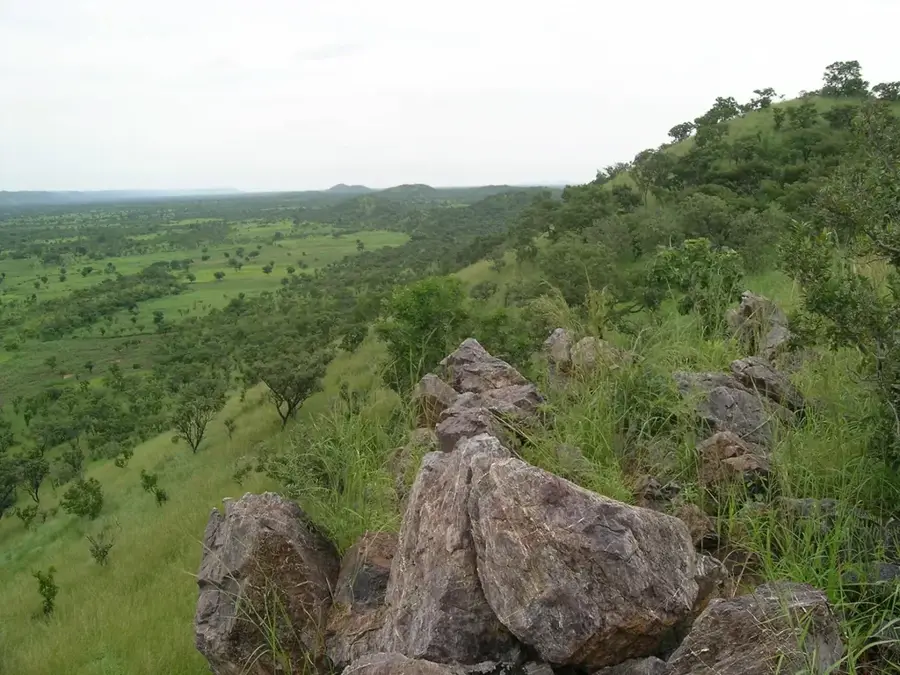
Atakora Range
The Atakora Range is the backbone of Togo, extending from the southwest to the northeast of the country.
Learn more →
Mount Sourou
One of the higher peaks in central Togo, known for its pristine nature and steep slopes.
Learn more →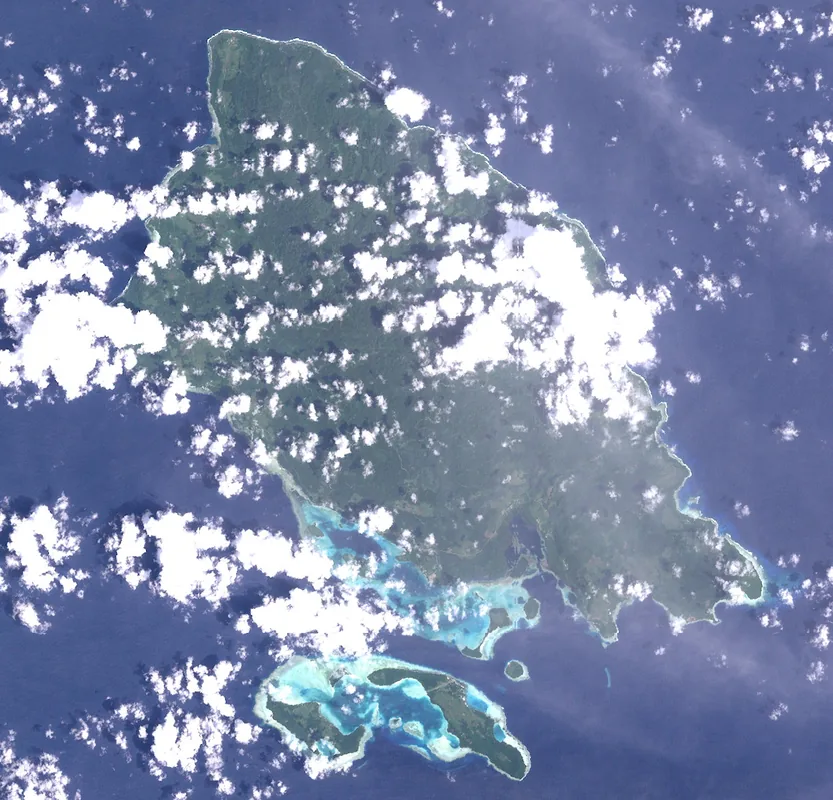
Mount Tabalo
An imposing mountain in central Togo, known for its steep slopes and dense vegetation.
Learn more →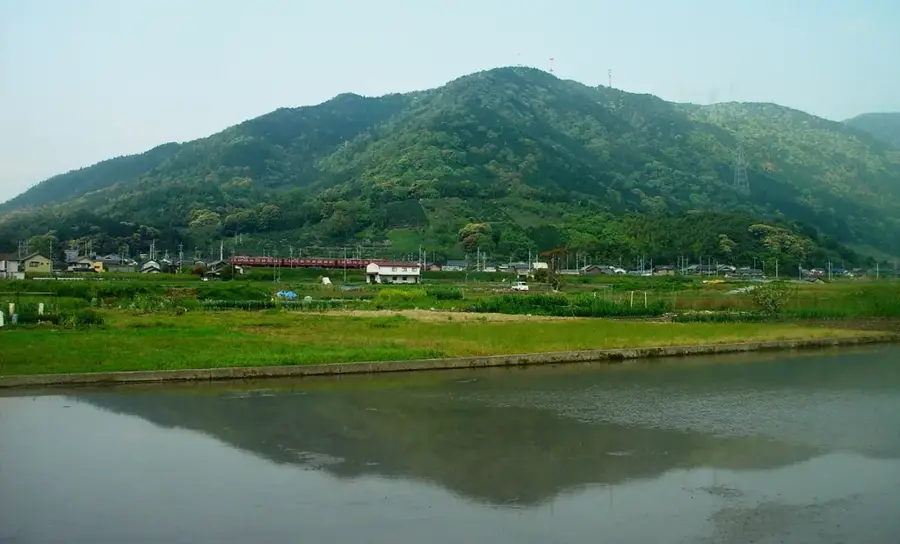
Mount Tado
A historically and geographically significant mountain in eastern Togo, near the town of Tado.
Learn more →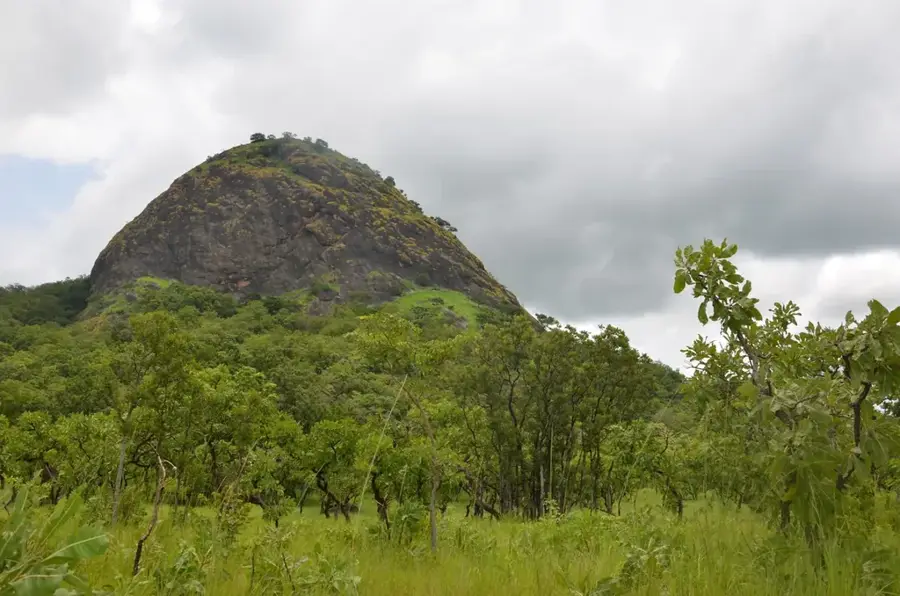
Mount Malfakassa
A prominent peak in the Centrale region, part of the Fazao-Malfakassa ecosystem.
Learn more →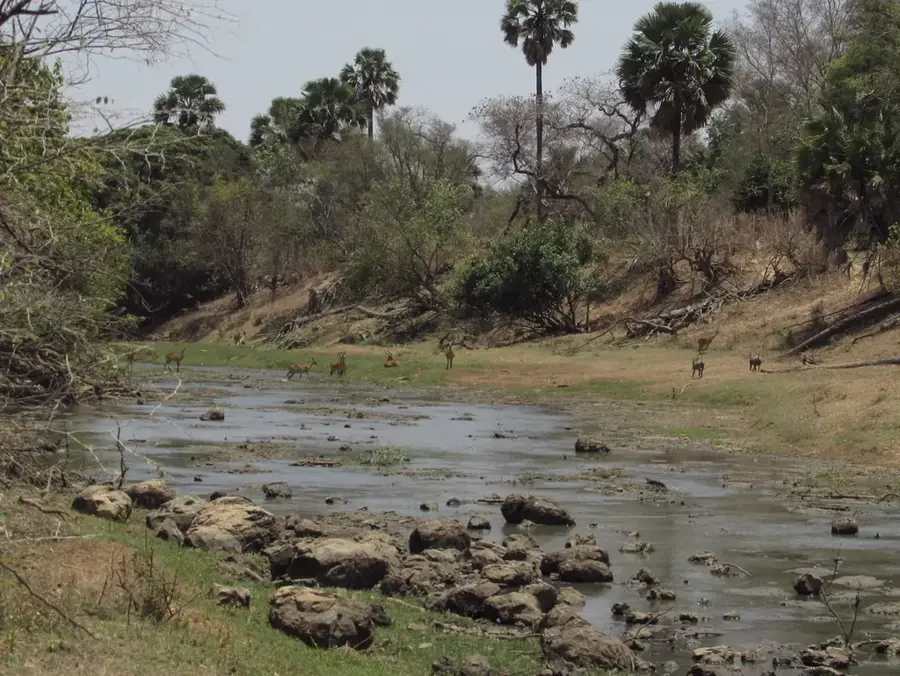
Koumongou River
An important tributary of the Oti in northern Togo, flowing through remote savanna areas.
Learn more →More highlights
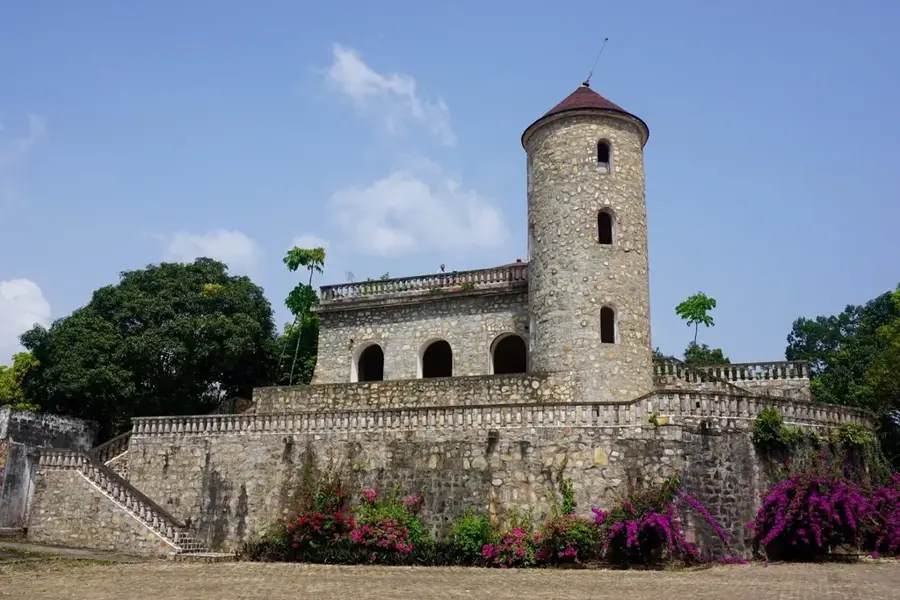
Château Viale
This castle-like building was constructed in the 1940s during the French colonial era and sits majestically on a hill near Kpalimé.
Learn more →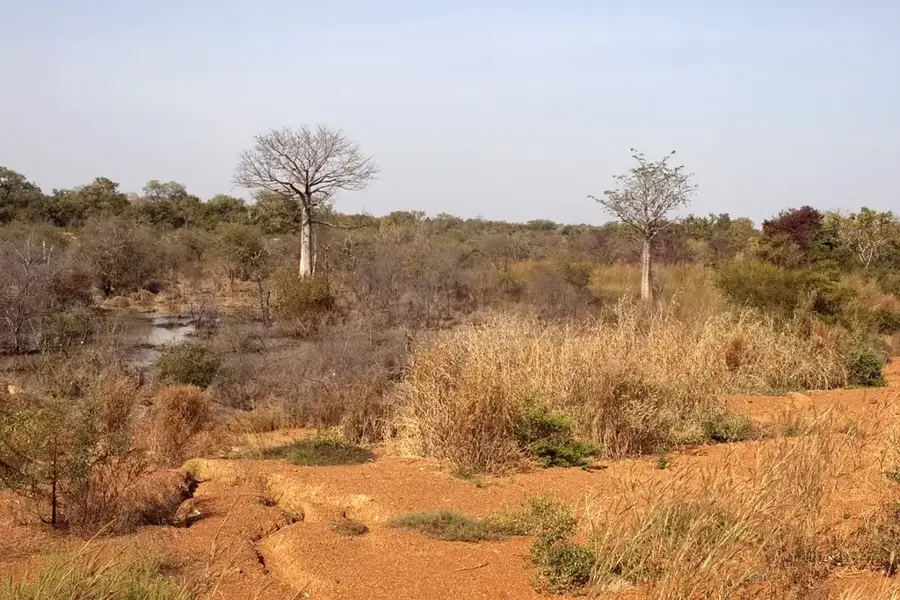
Oti Elephant Reserve
This reserve in northern Togo is one of the last places in the country where you can see free-roaming elephant herds in their natural environment.
Learn more →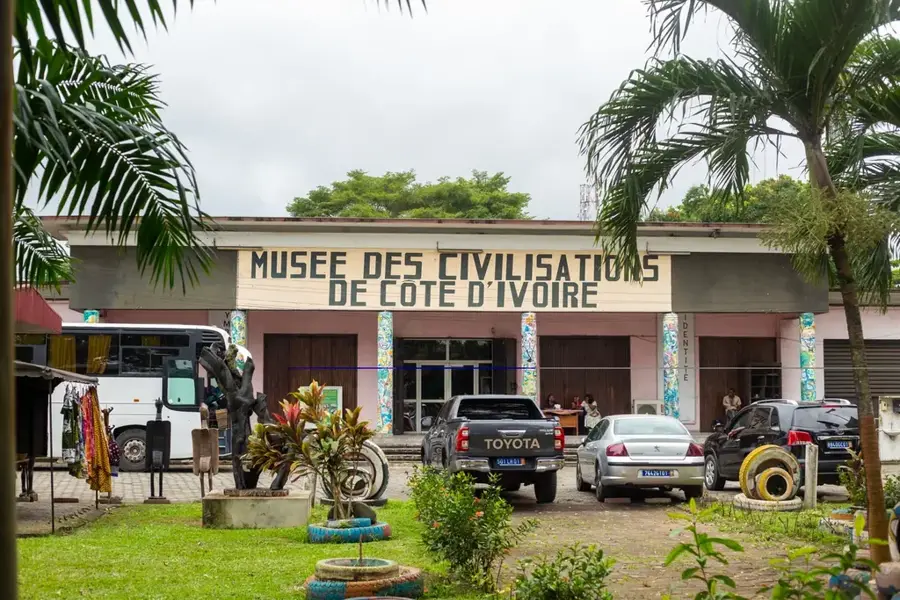
Plateaux Region Cocoa Gardens
Under the shady canopy of the plateau, cocoa trees grow, whose beans are among the best in the country and are exported worldwide.
Learn more →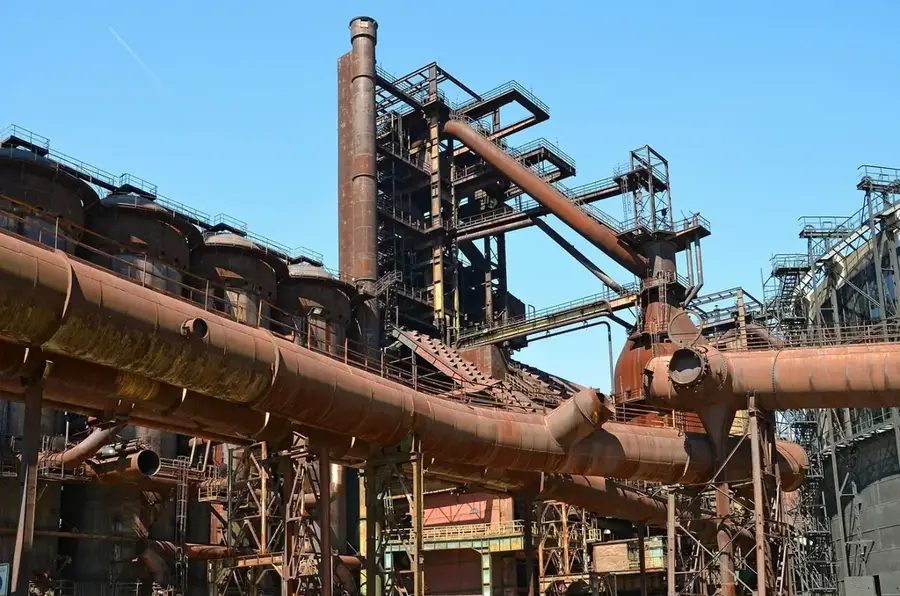
Iron Smelting Sites of Bandjeli
The Bassar region is renowned for its millennia-old iron smelting tradition, with the furnaces of Bandjeli being among the most significant.
Learn more →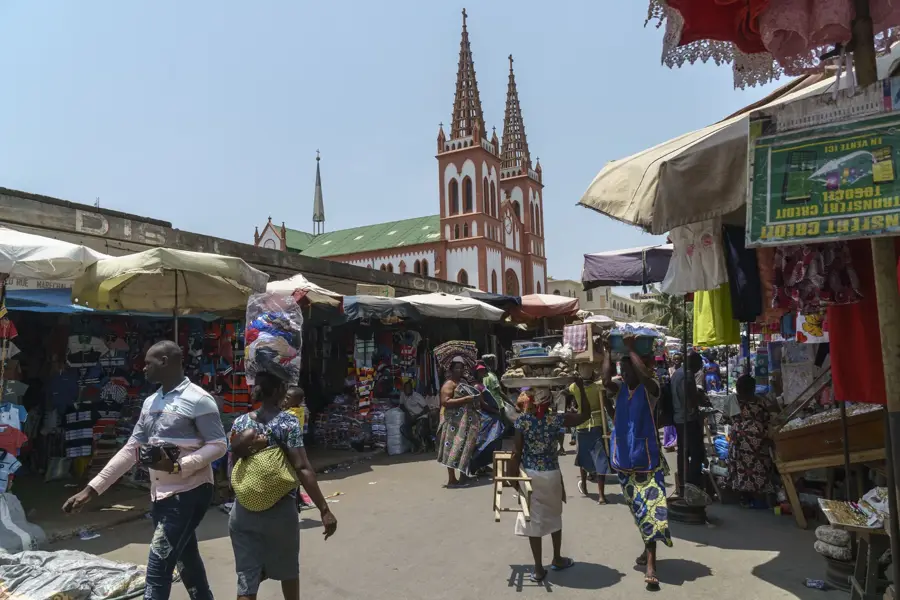
Sacré-Cœur Cathedral
Lomé's neo-Gothic cathedral was built during the German colonial period and is one of the country's most striking religious buildings.
Learn more →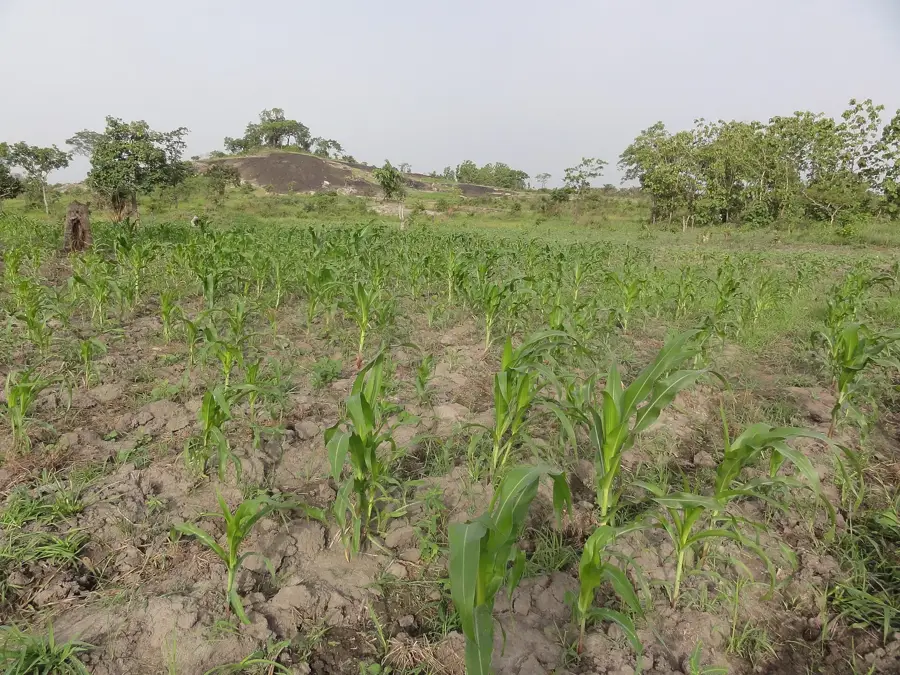
Kpalimé Coffee Plantations
The region around Kpalimé is known for its fertile soil, where high-quality coffee and cocoa thrive under the canopy of tall trees.
Learn more →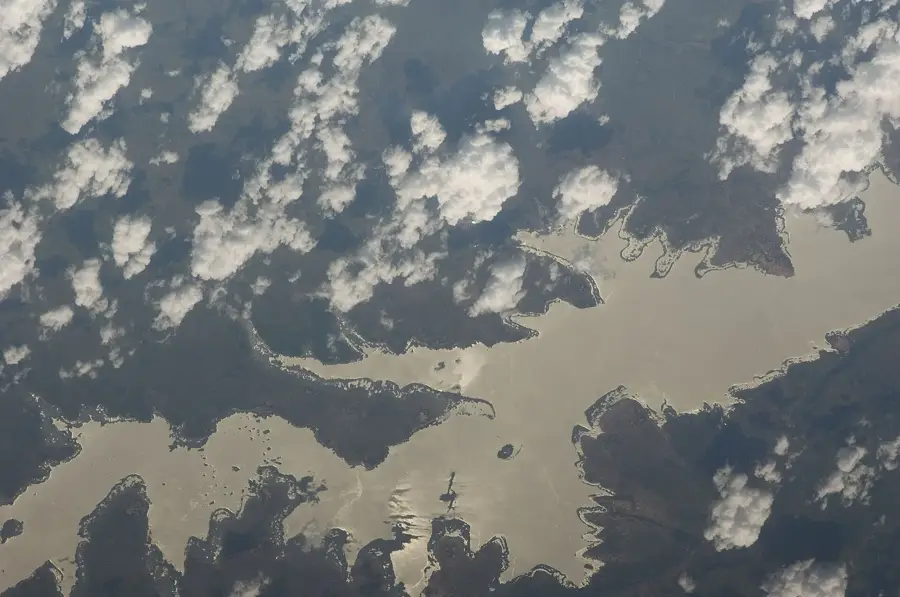
Central Region Rice Fields
In the moist plains of the Central region, vast rice fields stretch out, forming a vital basis for the population's nutrition.
Learn more →
German Bridge of Amakpapé
Built during the German colonial era, this bridge is a sturdy example of infrastructure development at the beginning of the 20th century.
Learn more →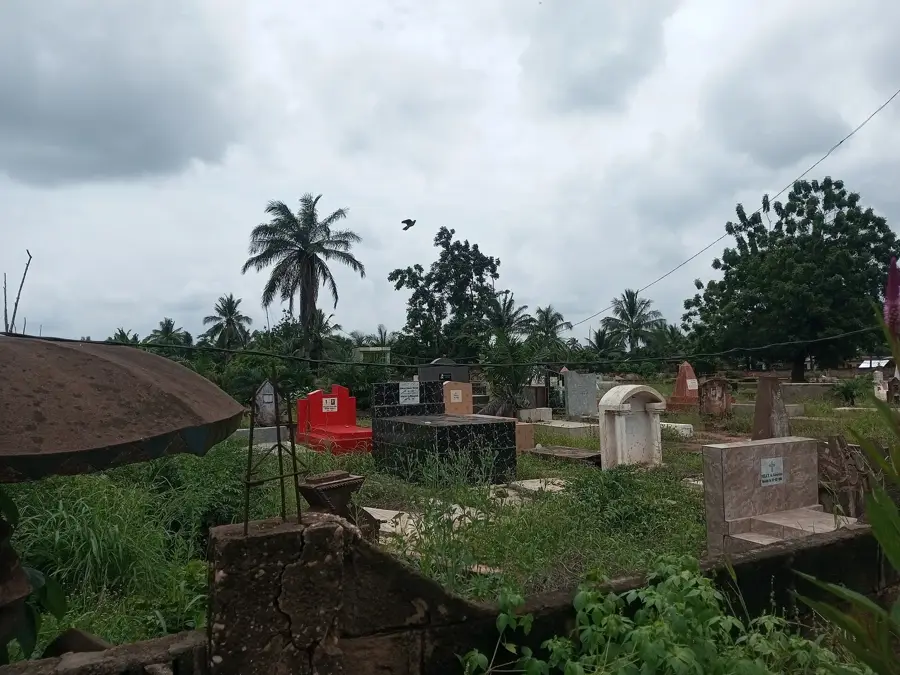
Tsévié Cassava Fields
Around Tsévié, extensive cassava fields characterize the landscape, with the roots often processed directly on-site into gari.
Learn more →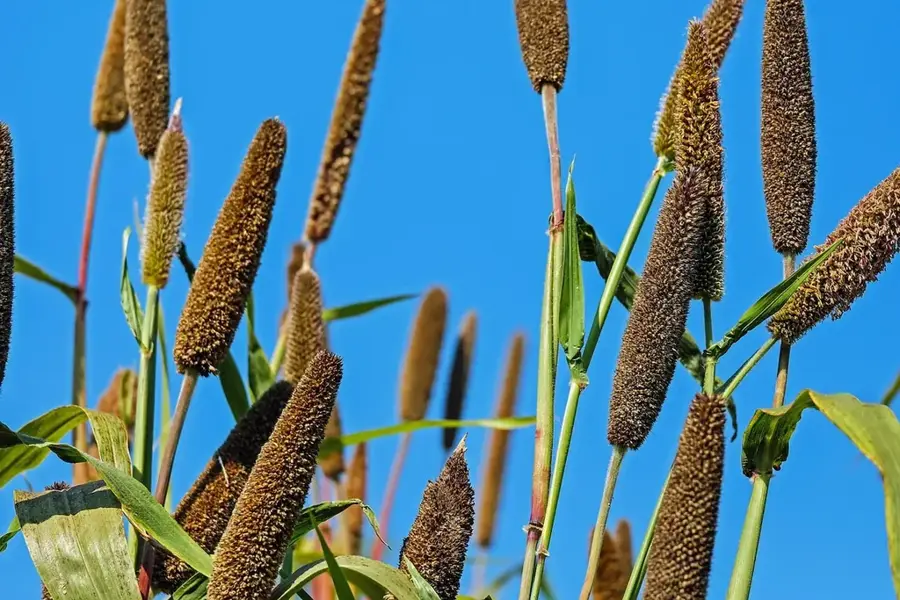
Kandé Millet Fields
Millet is the most important grain in northern Togo and is grown on the vast fields around Kandé for daily needs.
Learn more →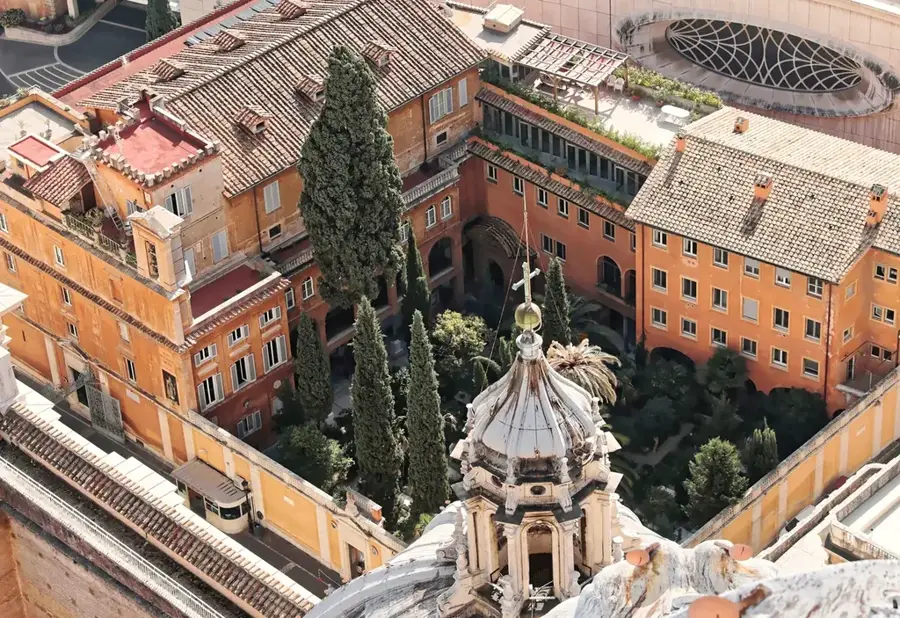
German Cemetery
A quiet historical site in Lomé where officials, traders, and soldiers from the German Togoland era are buried.
Learn more →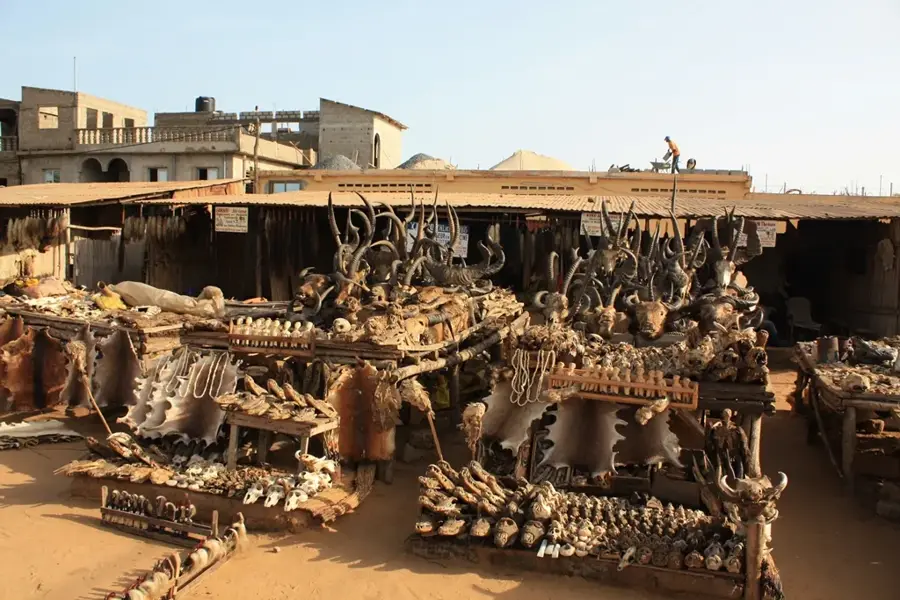
Akodessewa Fetish Market
The world's largest fetish market offers a deep insight into centuries-old Voodoo traditions and spiritual practices.
Learn more →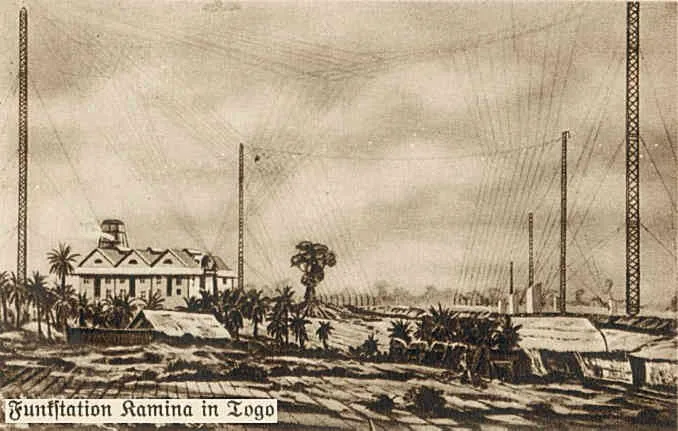
Kamina Radio Station Ruins
The ruins of the Kamina wireless station, built by the Germans, testify to Togo's strategic importance during World War I.
Learn more →
Lomé Amusement Park
A popular spot for families in the capital, offering various rides and playgrounds for children of all ages.
Learn more →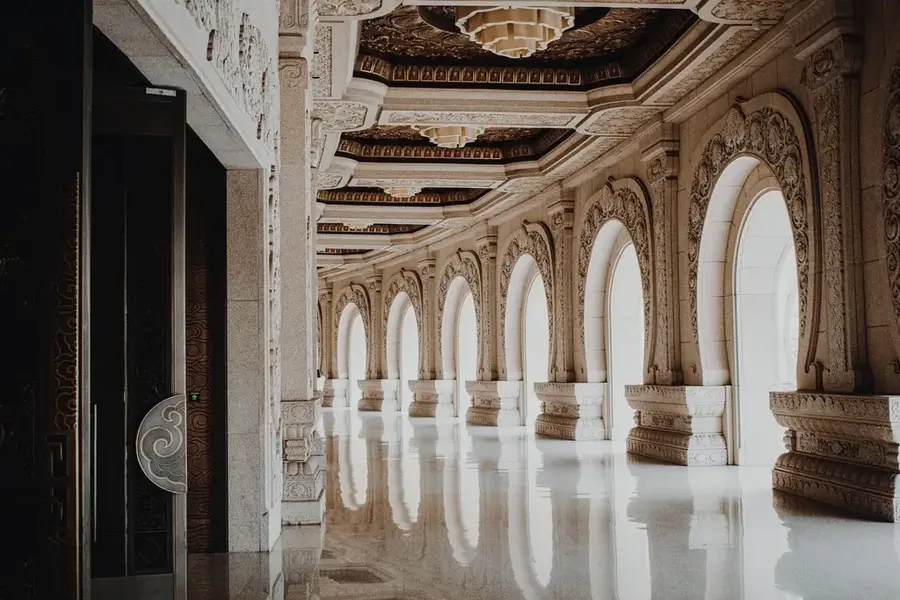
Mandouri Wildlife Corridor
This corridor allows animals such as elephants to migrate between protected areas in Togo, Benin, and Burkina Faso.
Learn more →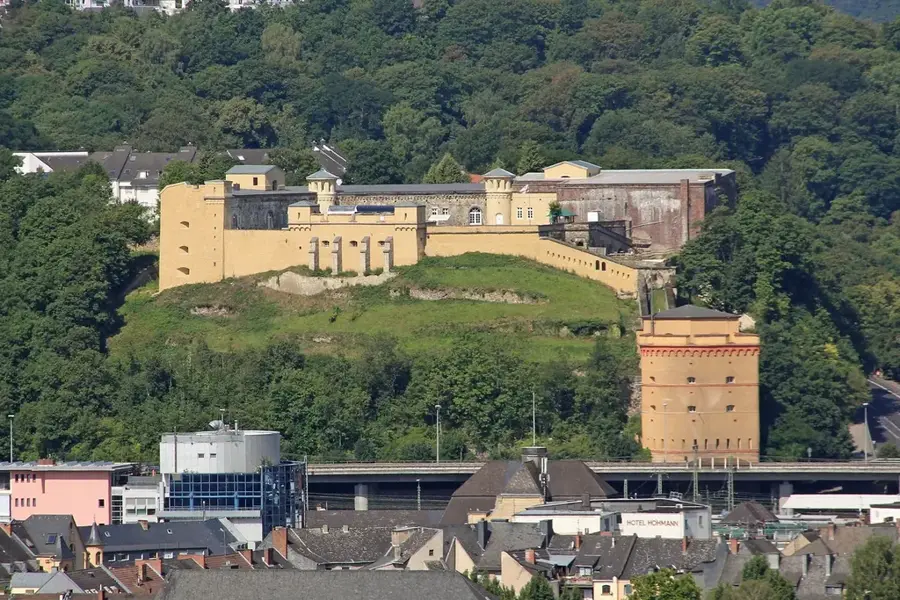
German Fort
The ruins of the German fort in Sansanné-Mango commemorate the colonial power's military presence in the north of the country.
Learn more →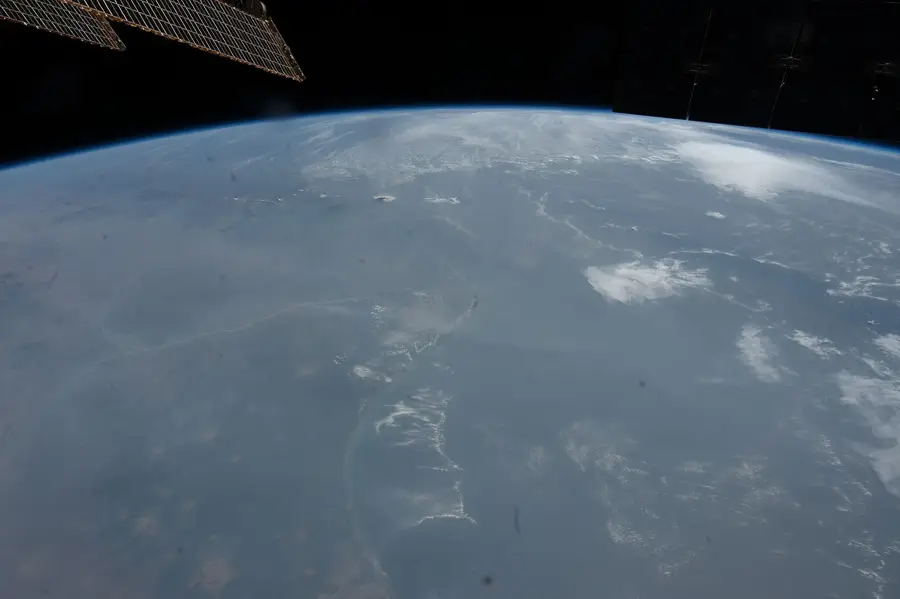
Walls of Notsé
The remains of the ancient walls of Notsé mark the historical capital of the Ewe people before their great migration.
Learn more →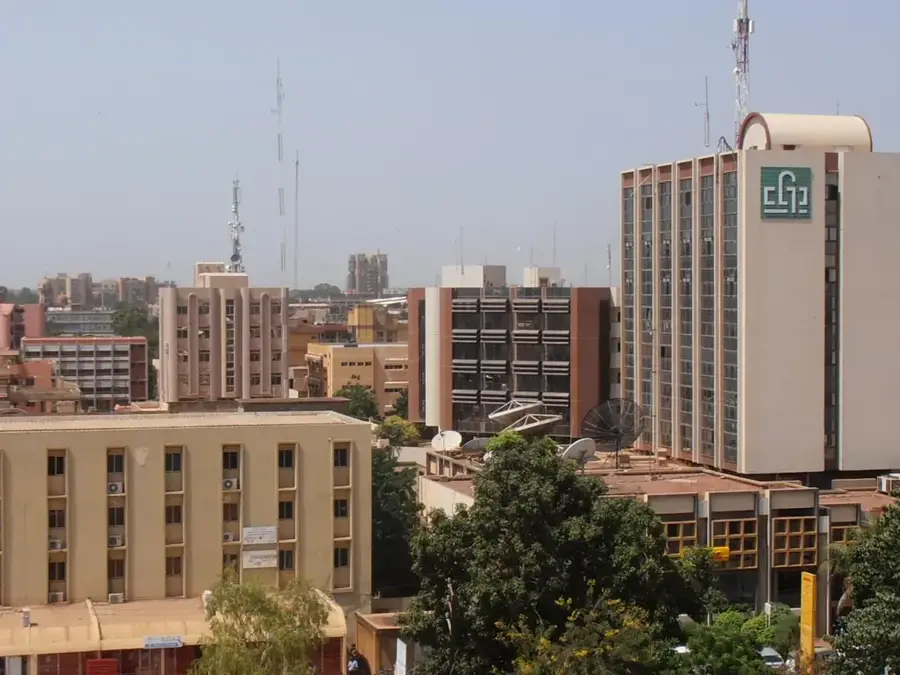
Friendship Park Lomé
A green oasis in the heart of the city, inviting play and relaxation with its well-maintained paths and shaded areas.
Learn more →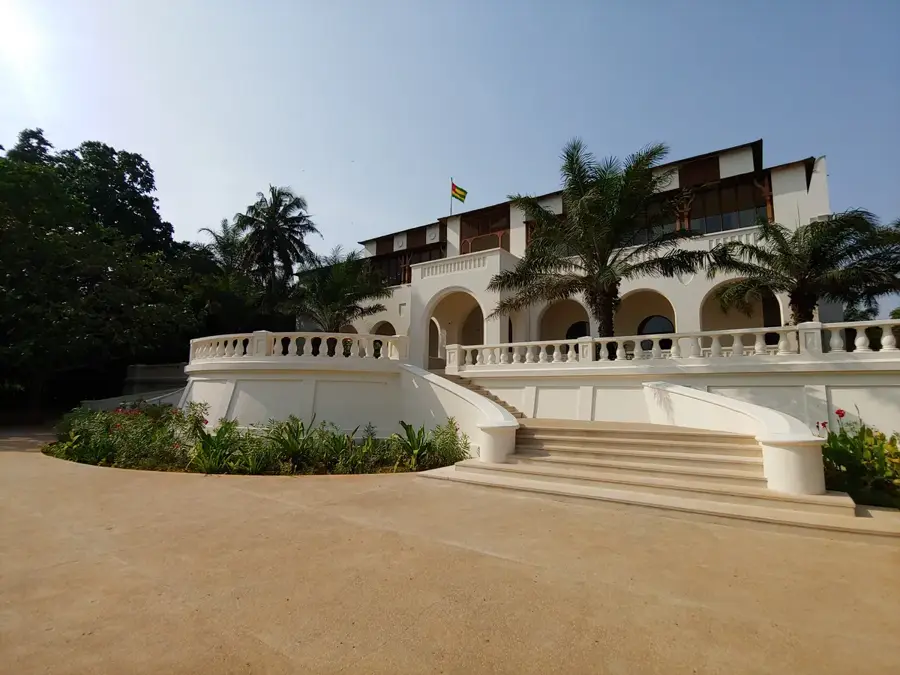
Governors' Palace
This magnificent palace in Lomé was the seat of the German colonial administration and later of the French governors.
Learn more →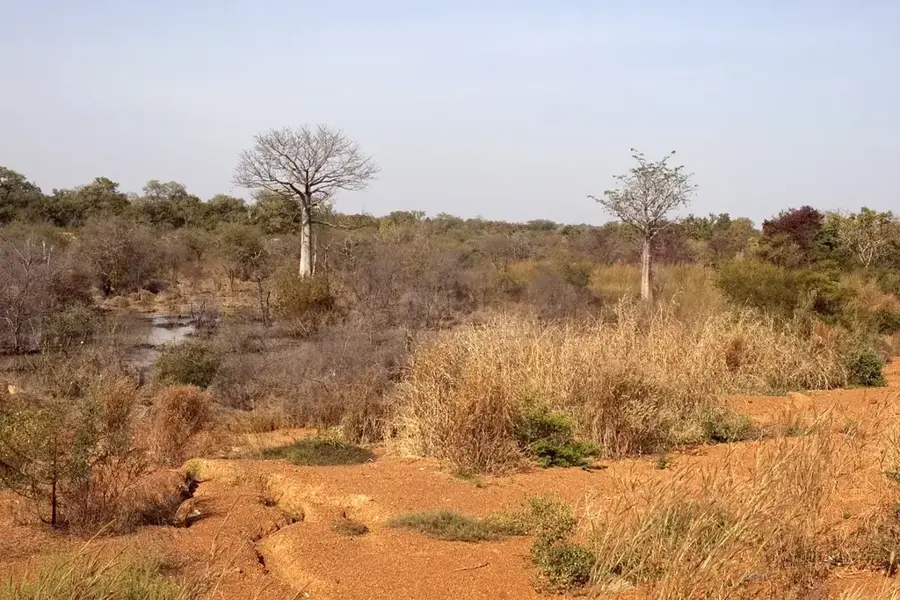
Kéran National Park
The Kéran National Park in the north is a paradise for bird lovers and offers vast savannas and gallery forests.
Learn more →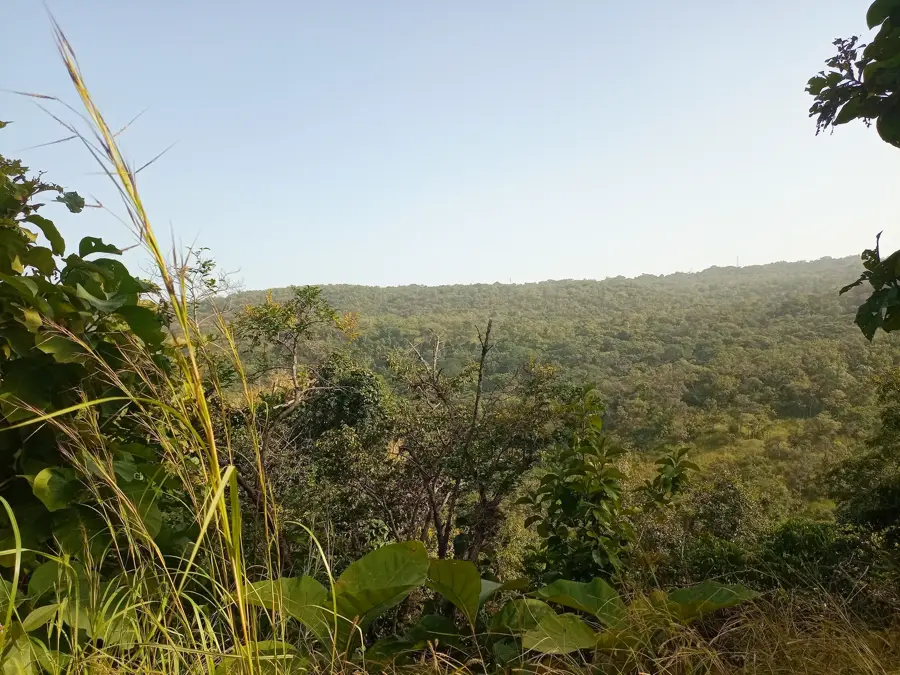
Alédjo Wildlife Reserve
This reserve in the Centrale region is famous for the spectacular 'Alédjo Fault' and its mountain forests.
Learn more →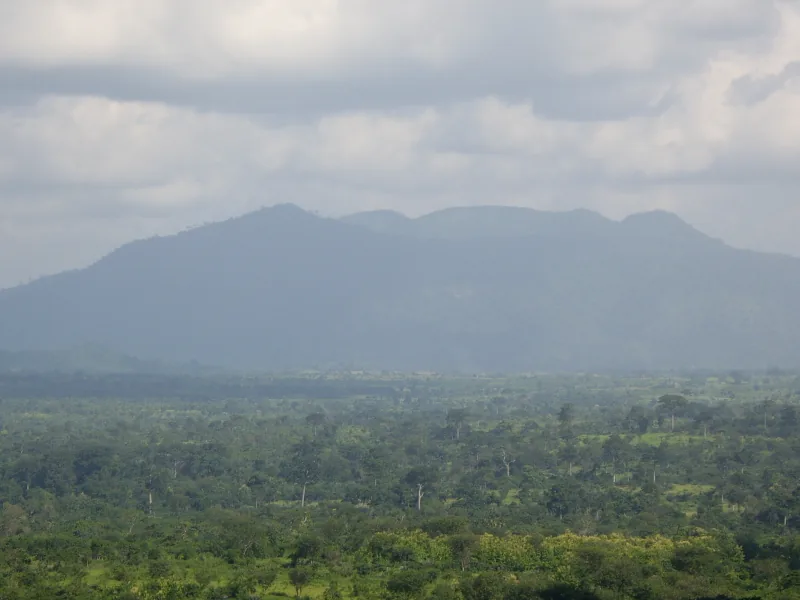
Danyi Plateau
The Danyi Plateau is a high-altitude region in Togo known for its cool climate and fertile soils.
Learn more →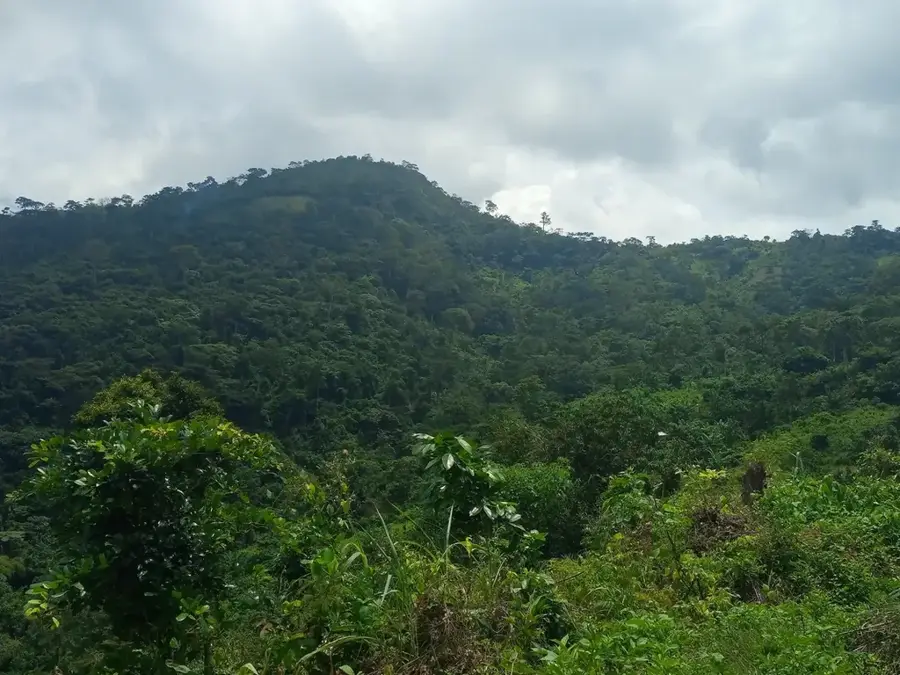
Kloto Forest
A densely forested area near Kpalimé, known for its biodiversity and botanical institute.
Learn more →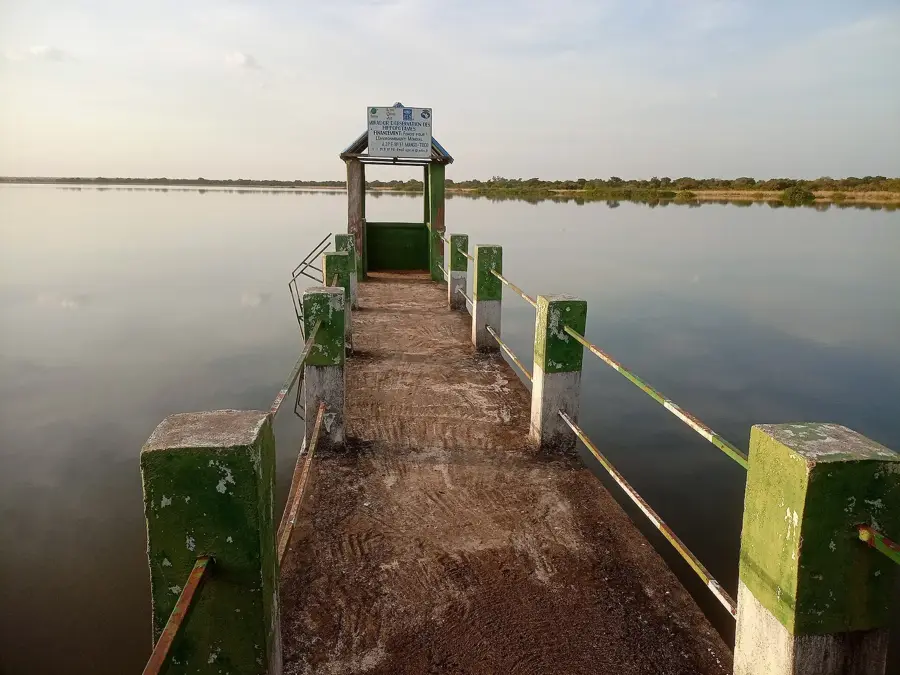
Oti Basin
A vast basin landscape in northern Togo, through which the Oti River flows, dominated by savannas.
Learn more →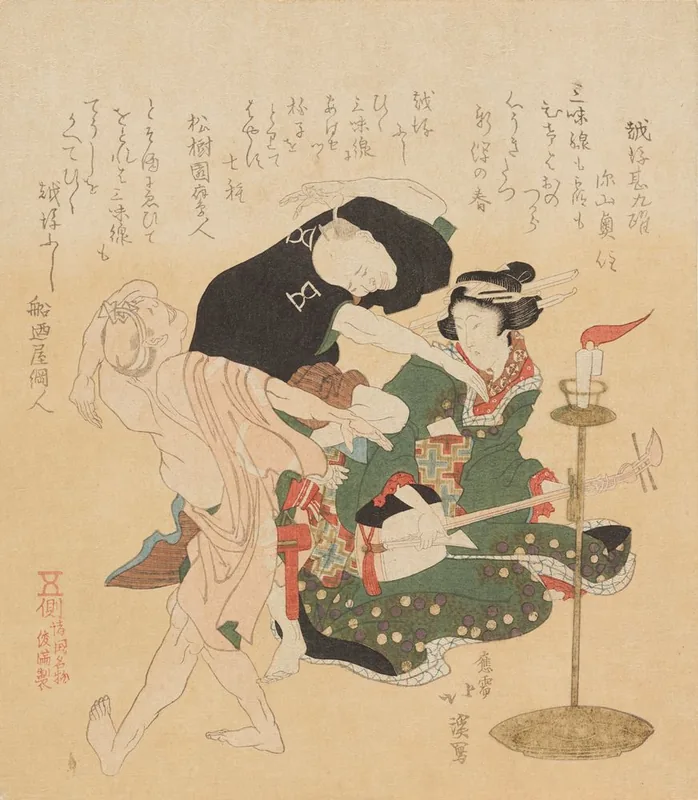
Mono Plain
The extensive alluvial plain of the Mono River in southern Togo, characterized by agricultural use.
Learn more →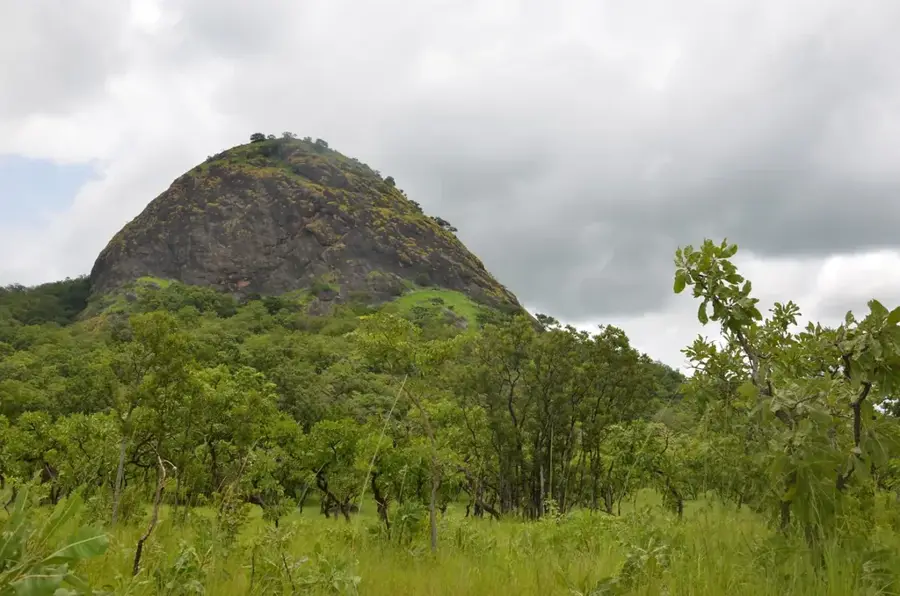
Fazao-Malfakassa National Park
This is Togo's largest national park, known for its forested mountains and diverse wildlife.
Learn more →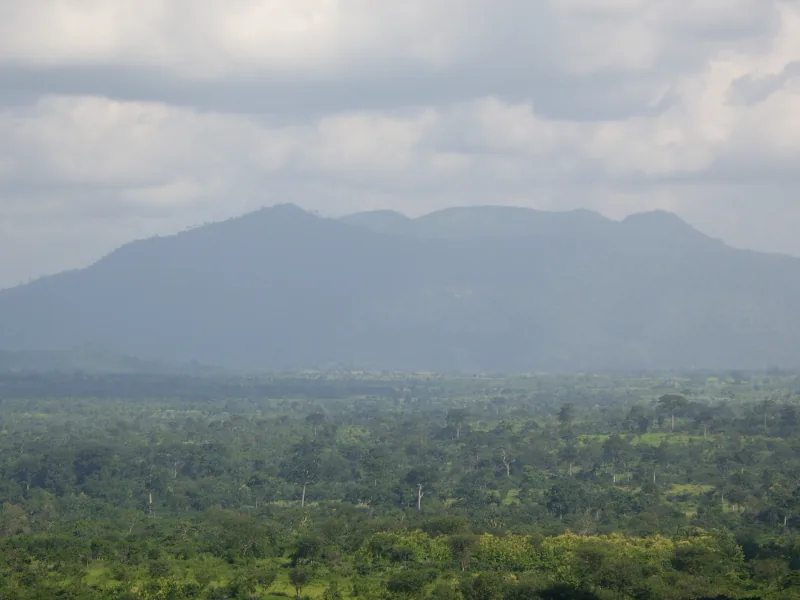
Notsé Plain
A historically significant plain around the city of Notsé, considered the cradle of the Ewe people.
Learn more →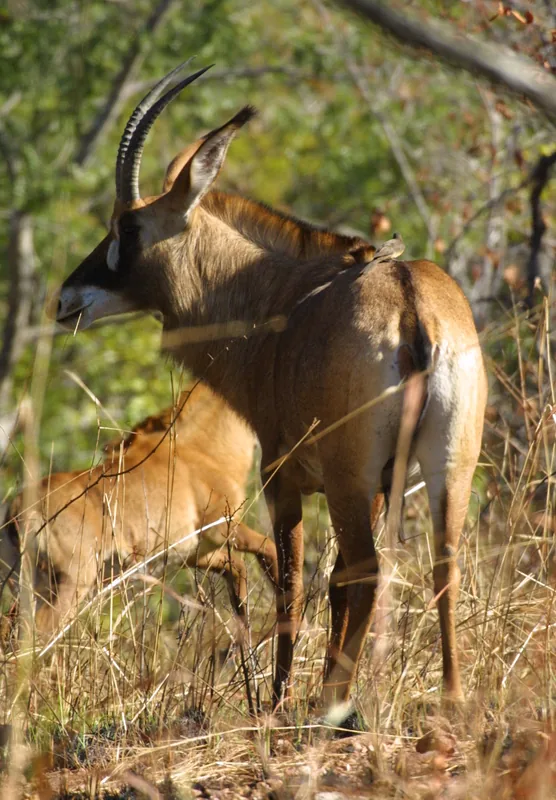
Abdoulaye Wildlife Reserve
An important protected area in central Togo, offering a mix of dry forests and savannas.
Learn more →Frequently asked questions
What are the top attractions in Togo?
Among the most popular are New Presidential Palace, Grand Mosque of Sokodé, Grand Mosque of Kara, Saint Therese Cathedral, Stade de Kégué and many more – the full top 50 list is on this page.
When is the best time to visit Togo?
May to October offers the most pleasant weather; July and August are warmest and busiest.