Plizio Visual Lab
Pochalla

ℹ️Practical info — Pochalla
▾
🌤 Weather — 5 days
📍 Nearby
Sights nearby
💡 Tips
- Pochalla is highly isolated; it functions more closely with the Ethiopian border than Juba.
- The Anyuak people have a rich heritage; ask about their traditional kingship and music.
- The Akobo River is the town's lifeline; use it for travel to outlying villages if possible.
- Most market goods are imported from Ethiopia; look for unique soaps and fabrics.
- Travel by road is almost impossible for half the year due to flooding and mud.
🍽 Food
Freshly caught tilapia or catfish, typically grilled over charcoal by the riverbank.
A very common snack in Pochalla, usually sold fresh from the cob at the market.
Enjoy authentic coffee brewed in the traditional style, thanks to the nearby border.
🛍 Shopping · 🧘 Quiet spots
Look for unique pottery or wooden bowls crafted by the local Anyuak artisans.
Beautiful cotton shawls and dresses brought across the border.
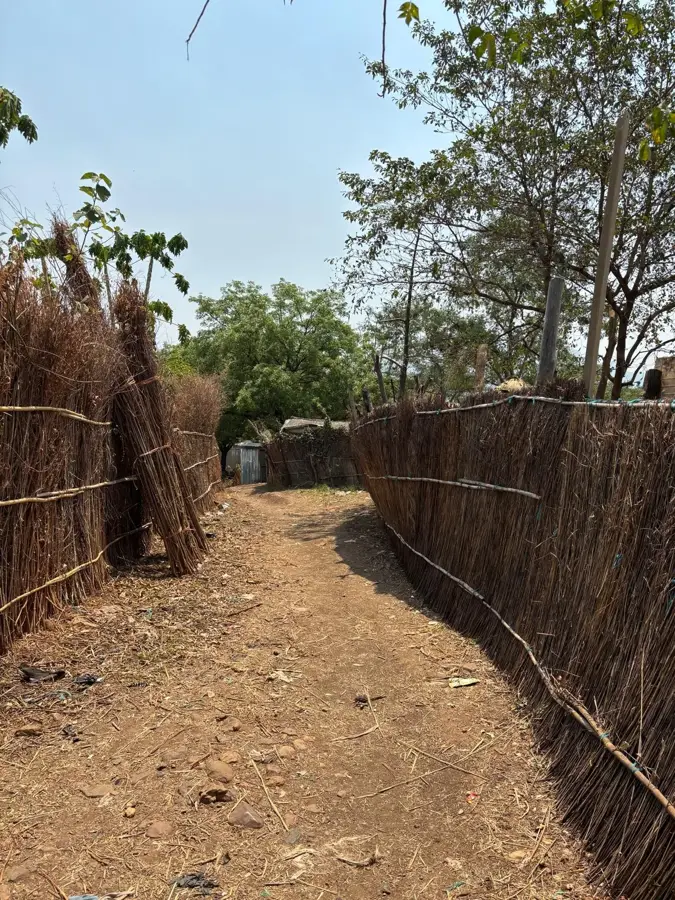
Expertly crafted from local reeds, these are both functional and decorative.
Watch the dugout canoes glide by for a quintessential and peaceful Pochalla experience.
The residential areas outside the center are quiet and shaded by fruit trees.
Follow the narrow trails along the water for a view of the pristine border landscape.
Water temperature…
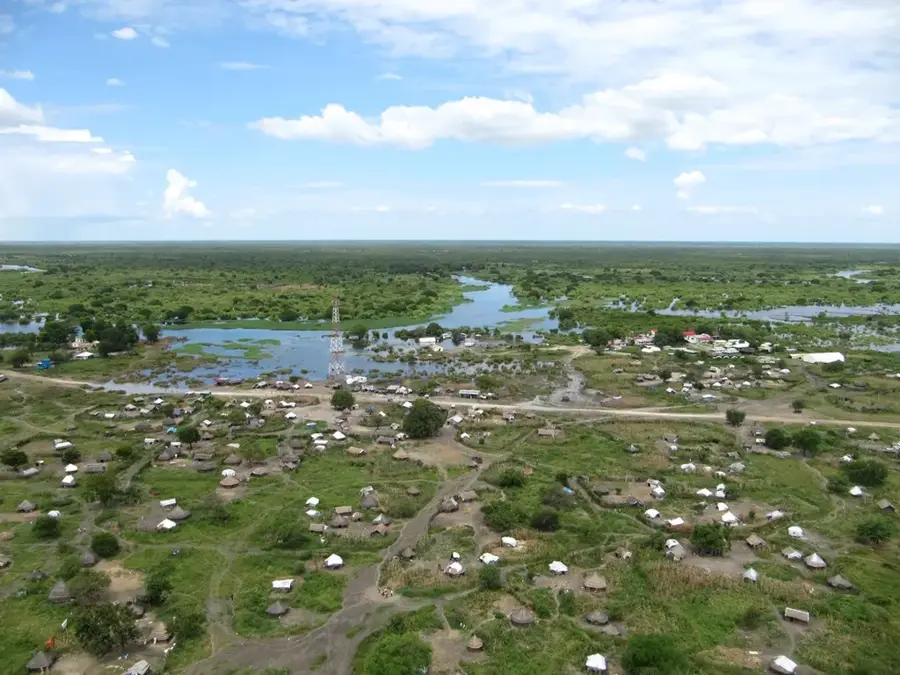
Pochalla is a remote town in the Greater Pibor Administrative Area of eastern South Sudan, situated right on the border with Ethiopia. The town lies on the banks of the Akobo River, which marks the natural boundary and serves as a vital resource for the local population. Pochalla is primarily inhabited by the Anyuak (Anuak) ethnic group, who are known for their unique culture and traditional agricultural practices along the riverbanks. Due to its geographical location and the lack of road infrastructure, the town is often isolated from the rest of the country, relying on air travel or river transport. This seclusion has helped preserve traditional ways of life but also poses a challenge for the supply of basic goods and services. Historically, Pochalla was an important sanctuary during the various civil wars in Sudan and South Sudan. The region possesses fertile land that features potential for increased agricultural production, particularly for grains and fruits. The cultural connection to the Anyuak community in the Ethiopian region of Gambella makes Pochalla an important site for cross-border social exchange. Despite the logistical hurdles, the town remains a symbol of cultural diversity and resilience in the borderlands.
Explore on the map
How well do you know South Sudan?
Find cities, landscapes and regions in 10 varied challenges on the interactive map.
Your journey, your memory
A postcard from Pochalla
Turn your own photo into a personal postcard with a local stamp. Free and no sign-up required.
Create a postcardBest time to visit & climate
The most pleasant time to visit is Jan, Nov, Dec.
| Jan | Feb | Mar | Apr | May | Jun | Jul | Aug | Sep | Oct | Nov | Dec | |
|---|---|---|---|---|---|---|---|---|---|---|---|---|
| Avg °C | 30 | 32 | 33 | 30 | 28 | 27 | 27 | 27 | 27 | 27 | 28 | 29 |
| Rain mm | 10 | 8 | 33 | 80 | 139 | 89 | 102 | 105 | 103 | 126 | 60 | 22 |
Geography
Facts
- Located on the Akobo River right on the Ethiopian border.
- Home to the Anyuak (Anuak) ethnic community.
- Largely isolated from the national road network.
- Center for traditional riverbank-based agriculture.
- Strategic site for social exchange with Ethiopia.
- Important arrival point for humanitarian aid via air freight.
Explore nearby
Notable places around
Route planner — Car & Motorhome
Where do you start? We build the route here, with stops and country notes along the way.
© OpenStreetMap contributors · OpenRouteService
Frequently asked questions
What is Pochalla?
What is the climate like?
Is it touristic?
How to reach it?
Is there water?
Pochalla: where is it located?
Pochalla: when is the best time to visit?
Pochalla: why is it worth visiting?