Plizio Visual Lab
Baro River

Weather…
Water temperature…
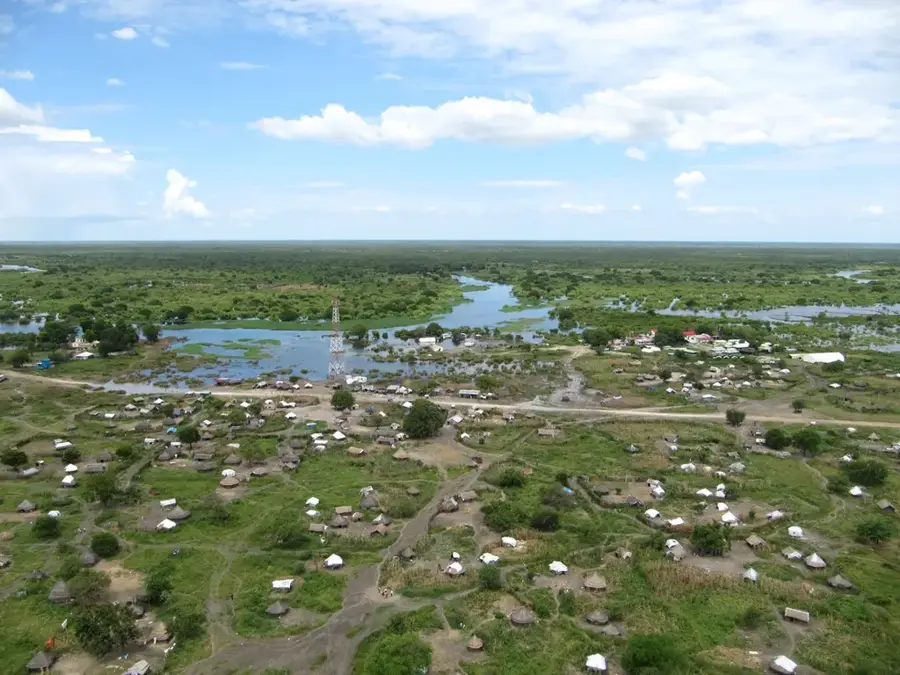
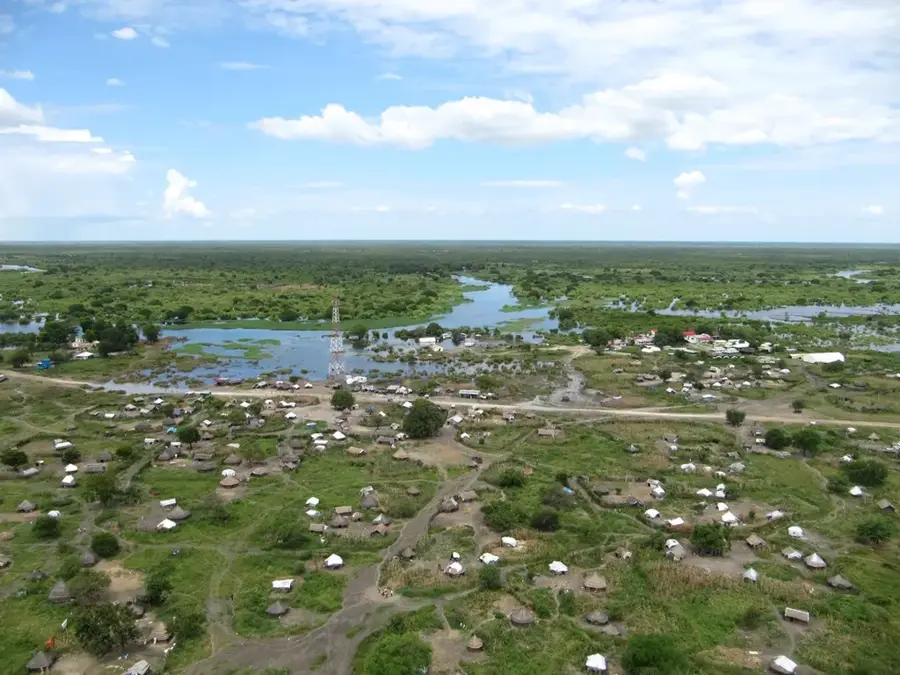
The Baro River is the primary waterway in the Gambela Region of western Ethiopia and is unique for being the only navigable river in the country. Formed by the confluence of the Birbir and Gebba rivers, it flows westward to the South Sudanese border, where it joins the Pibor River to form the Sobat, a major tributary of the White Nile. The Baro is a lifeline for the local Anuak and Nuer communities, who rely on its waters for fishing and flood-recession agriculture. During the rainy season, the river swells dramatically, inundating large swathes of the Gambela plains and depositing fertile silt. Historically, the town of Gambela on its banks served as a vital inland port established by the British in the early 20th century to facilitate trade with Khartoum. The river's lush gallery forests host diverse wildlife, including hippopotamuses, Nile crocodiles, and numerous water birds. It remains a critical ecological and historical link between the Ethiopian highlands and the Nile River system.
Explore on the map
How well do you know Ethiopia?
Find cities, landscapes and regions in 10 varied challenges on the interactive map.
Your journey, your memory
A postcard from Baro River
Turn your own photo into a personal postcard with a local stamp. Free and no sign-up required.
Create a postcardBest time to visit & climate
The most pleasant time to visit is Jan, Nov, Dec.
| Jan | Feb | Mar | Apr | May | Jun | Jul | Aug | Sep | Oct | Nov | Dec | |
|---|---|---|---|---|---|---|---|---|---|---|---|---|
| Avg °C | 30 | 32 | 33 | 31 | 28 | 27 | 26 | 26 | 26 | 27 | 28 | 29 |
| Rain mm | 5 | 6 | 26 | 71 | 138 | 122 | 132 | 127 | 119 | 138 | 50 | 21 |
📋 Practical info
Geography
Facts
- The Baro is the only river in Ethiopia that is navigable by large vessels.
- It flows for approximately 306 kilometers before becoming the Sobat River.
- Gambela was a key British river port for trade with Sudan starting in 1902.
- The river provides a significant percentage of the White Nile's water.
- Local Anuak people use traditional dugout canoes for transportation and fishing.
- The river's flow peaks between July and October during the rainy season.
Explore nearby
Notable places around


Route planner — Car & Motorhome
Where do you start? We build the route here, with stops and country notes along the way.
© OpenStreetMap contributors · OpenRouteService
Sights in the town Baro River (1)
Sights nearby
Frequently asked questions
In which region does the Baro flow?
Is the Baro River navigable?
Are there crocodiles there?
Which people live along the banks?
Where does the Baro flow to?
Baro River: where is it located?
Baro River: when is the best time to visit?
Baro River: why is it worth visiting?