New Year's Eve in Roman
The city of Roman presents its New Year's Eve celebration as a recurring public year-end event on official event pages.
Plizio Visual Lab
Cabbage rolls stuffed with minced meat, often served in the traditional restaurants near the municipal park.
This sweet cottage cheese donut topped with sour cream and cherry jam is the great dessert after a walk.
Grab freshly baked Romanian pretzels from the small stalls on the main street (Strada Mare) for a quick snack.
A lively farmers' market where you can find fresh regional honey and walnuts.
Around the historic center, there are small shops where you can browse for old books and local treasures.
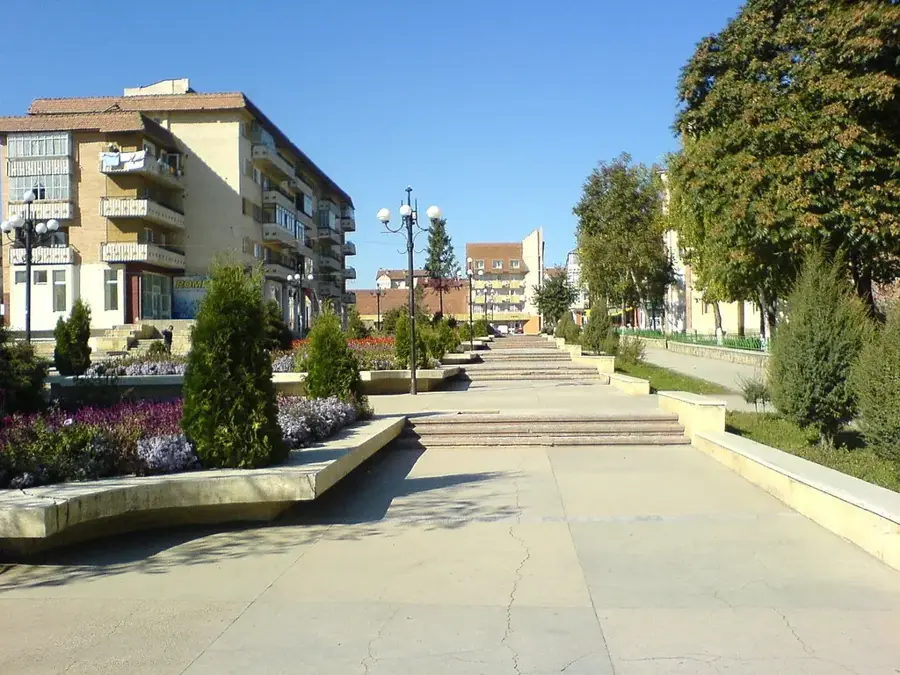
This old, spacious park with its centuries-old trees is the best place to escape the hustle and bustle of the town.
The promenade along the Moldova river is excellent for evening walks in a peaceful setting.
Water temperature…
The city of Roman presents its New Year's Eve celebration as a recurring public year-end event on official event pages.
The city hall lists this winter customs festival as a recurring year-end event in its municipal events catalogue.
The municipality includes 1 December in its official protocol of public events organized in Roman.
The municipality’s official protocol lists the traditional Roman fair in early August as a multi-day public event.
Roman holds its city days as a multi-day community and culture event, and the 2026 edition is officially announced by the municipality.
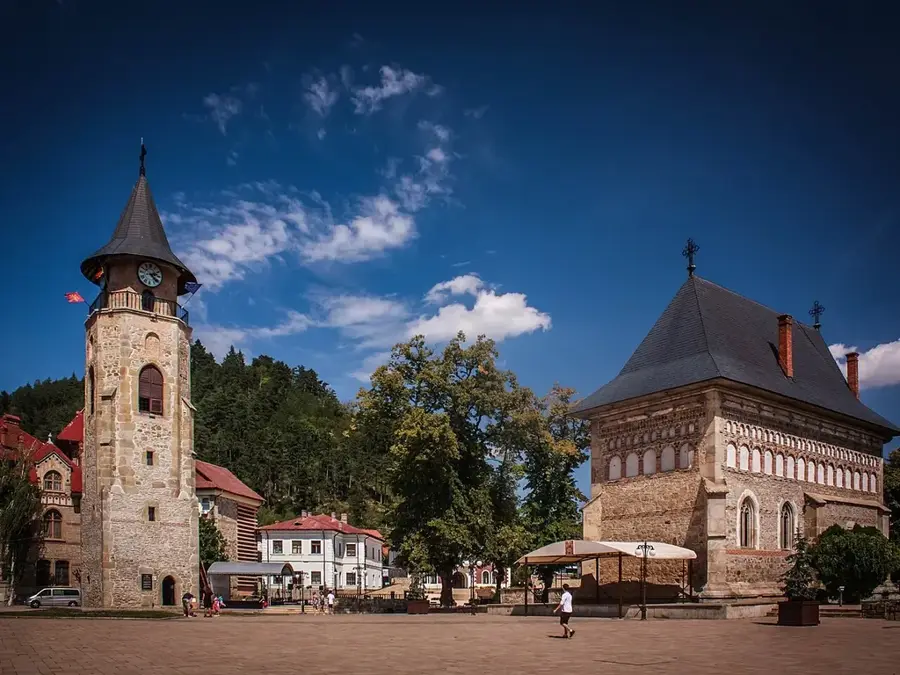
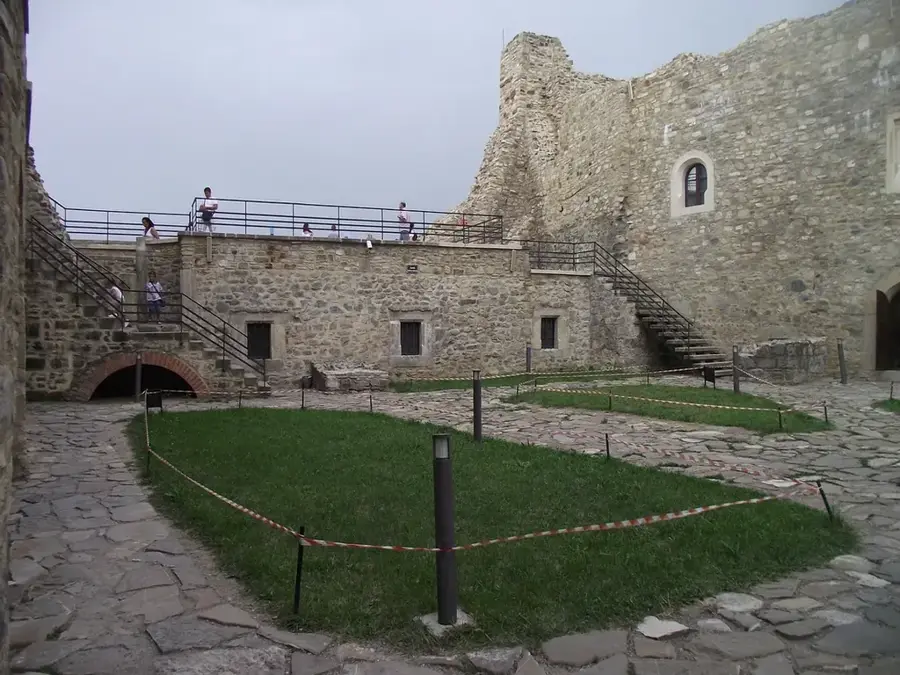
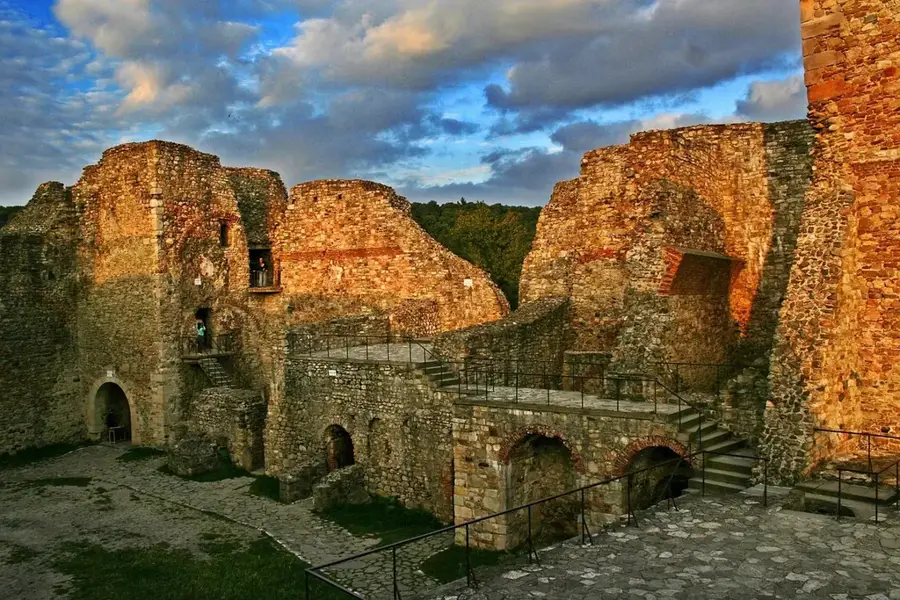
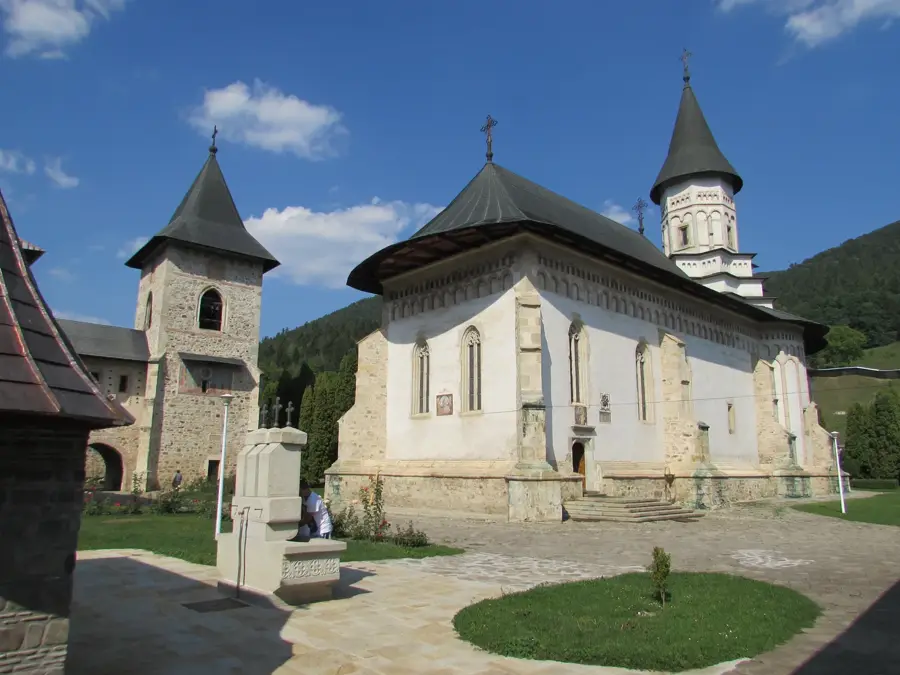
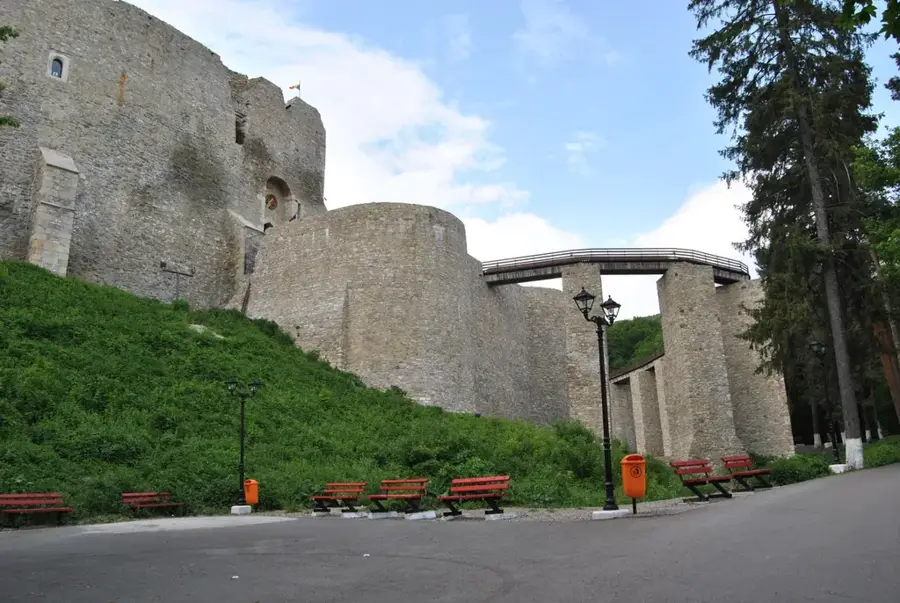
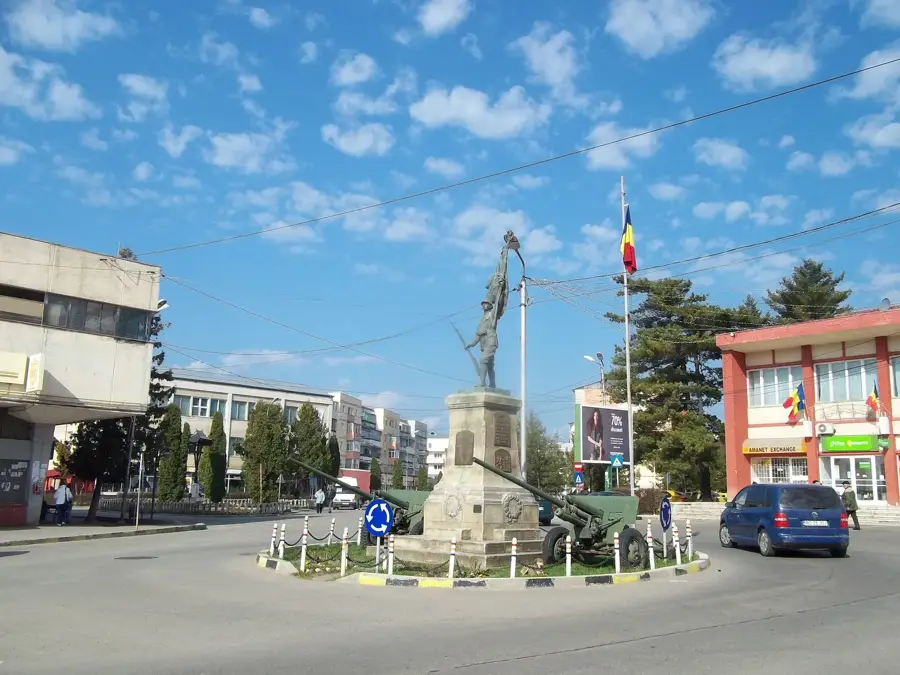
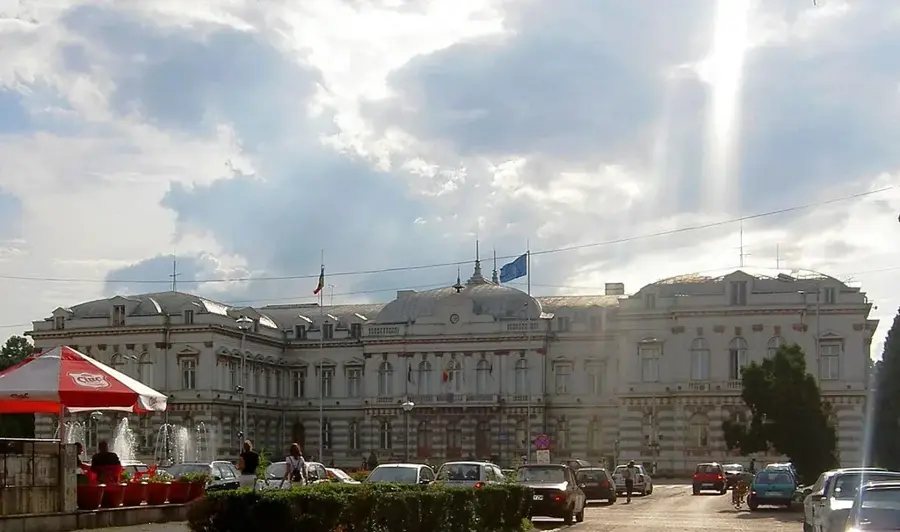
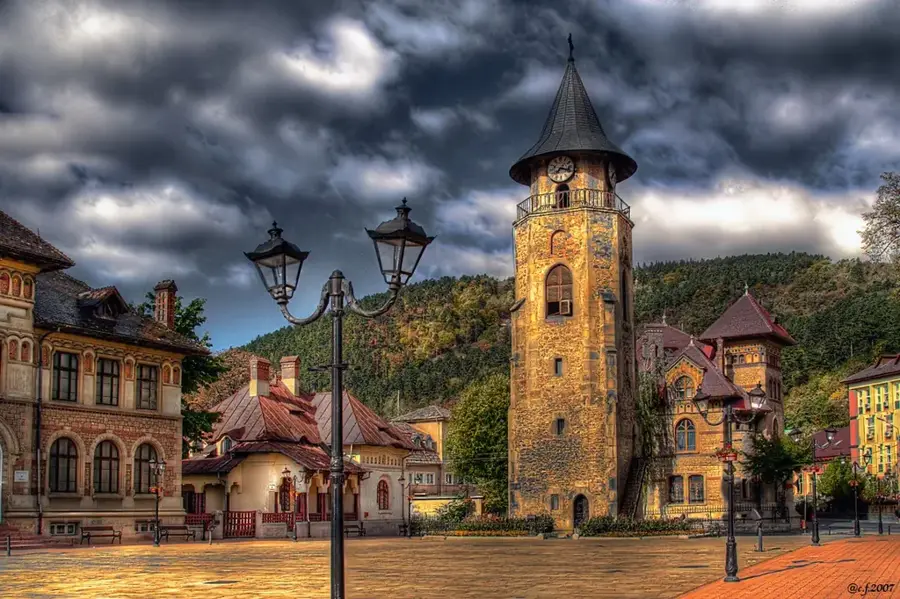
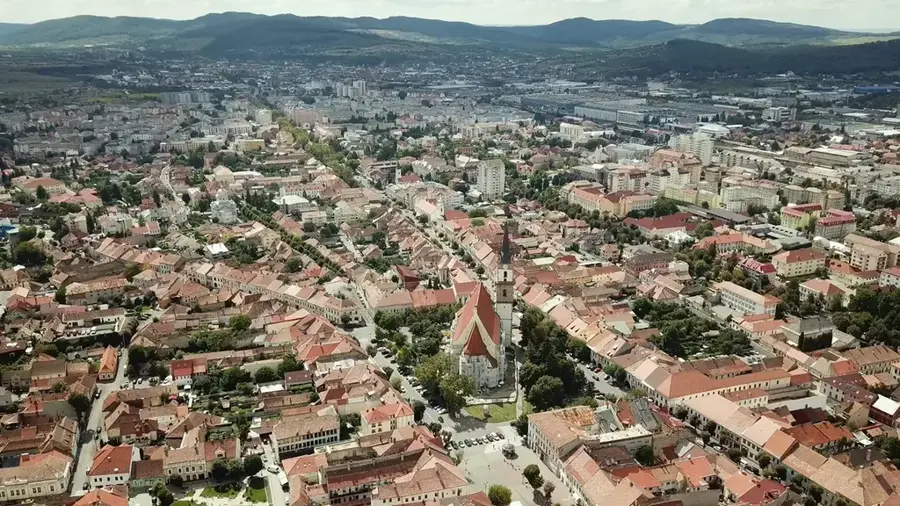
Roman is an ancient Moldavian city located at the junction of the Siret and Moldova rivers, serving as a historical gateway between different regions of eastern Romania. Named after its founder, Prince Roman I Mușat, the city flourished as a major military and religious center. The heart of its heritage is the Episcopal Cathedral, a memorable 16th-century structure that remains one of the most important orthodox sites in the region. During the Middle Ages, Roman was protected by the New Fortress, built by Stephen the Great to secure the border against invasions. The city's development was greatly influenced by its diverse population, including significant Armenian and Jewish communities, whose legacy can still be seen in the local architecture and old cemeteries. Modern Roman balances its medieval past with industrial heritage and beautiful green spaces, such as the large Municipal Park. For travelers, it gives a peaceful exploration of Moldavian history, from princely foundations to its evolution into a modern academic and cultural hub.
Explore on the map
Find cities, landscapes and regions in 10 varied challenges on the interactive map.
Your journey, your memory
Turn your own photo into a personal postcard with a local stamp. Free and no sign-up required.
Create a postcardThe most pleasant time to visit is Jun–Aug.
| Jan | Feb | Mar | Apr | May | Jun | Jul | Aug | Sep | Oct | Nov | Dec | |
|---|---|---|---|---|---|---|---|---|---|---|---|---|
| Avg °C | -4 | -2 | 4 | 10 | 16 | 20 | 22 | 22 | 16 | 10 | 4 | -2 |
| Rain mm | 31 | 31 | 37 | 51 | 72 | 98 | 87 | 54 | 44 | 54 | 34 | 34 |
Notable places around
Where do you start? We build the route here, with stops and country notes along the way.
© OpenStreetMap contributors · OpenRouteService
The museum houses valuable archaeological finds ranging from the Neolithic era to the Middle Ages.
Showcases an impressive collection of Romanian painting and sculpture in a historic heritage building.
Museum in Roman dedicated to natural sciences, featuring various local and regional exhibits.