Plizio Visual Lab
Bistrița River
Weather…
Water temperature…
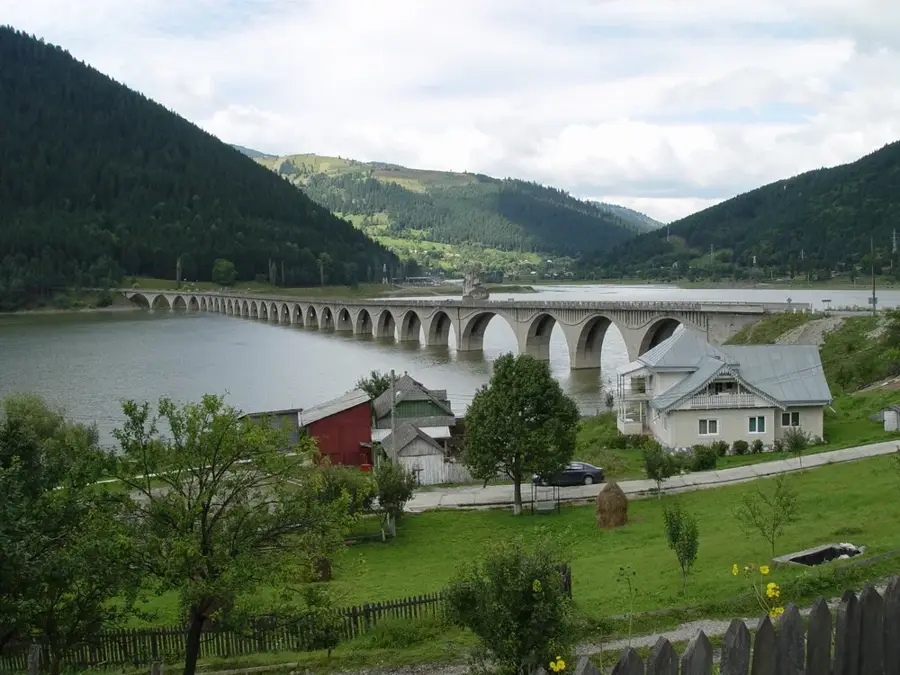
The Bistrița River is one of the most dynamic and spectacular waterways in the Eastern Carpathians, known for its rapid flow and the impressive gorges it has carved through the mountains. Often called the 'Golden Bistrița' due to the minute quantities of gold once found in its sands, the river has a long history of timber rafting, which was once the primary economic activity in the region. Today, the Bistrița is a major source of renewable energy, featuring a complex chain of hydroelectric dams and reservoirs, the largest being the Izvoru Muntelui Lake (Bicaz). The river valley is a gateway to the Ceahlău and Tarcău mountains, offering impressive alpine scenery and a habitat for mountain-dwelling wildlife like trout and otters. Whether flowing through narrow canyons or expanding into vast lakes, the Bistrița remains a symbol of the untamed power and natural wealth of the Romanian mountains.
Explore on the map
How well do you know Romania?
Find cities, landscapes and regions in 10 varied challenges on the interactive map.
Your journey, your memory
A postcard from Bistrița River
Turn your own photo into a personal postcard with a local stamp. Free and no sign-up required.
Create a postcard- Location: Neamț, Romania
- Highlights: Ștrandul Tineretului Piatra-Neamț · Telegondola · Mihai Eminescu
- Nearby: Pangrati (8 km)
Best time to visit & climate
The most pleasant time to visit is Jul–Sep.
| Jan | Feb | Mar | Apr | May | Jun | Jul | Aug | Sep | Oct | Nov | Dec | |
|---|---|---|---|---|---|---|---|---|---|---|---|---|
| Avg °C | -4 | -3 | 2 | 8 | 14 | 18 | 20 | 20 | 14 | 8 | 3 | -2 |
| Rain mm | 28 | 29 | 38 | 52 | 83 | 115 | 99 | 68 | 48 | 54 | 32 | 32 |
📋 Practical info
Geography
Facts
- Longest river flowing entirely within the historical region of Moldova, Romania.
- Total length of approximately 283 km from the Rodna Mountains to the Siret.
- The Izvoru Muntelui reservoir on the Bistrița is the largest interior lake in Romania.
- Known as 'Bistrița Aurie' (Golden Bistrița) in its upper mountainous course.
- Historically famous for 'plutărit' (timber rafting), which lasted until the 1960s.
- The river basin is a major hub for trout fishing and mountain tourism.
- Feeds a system of 12 hydroelectric power plants known as the 'Bistrița Cascade'.
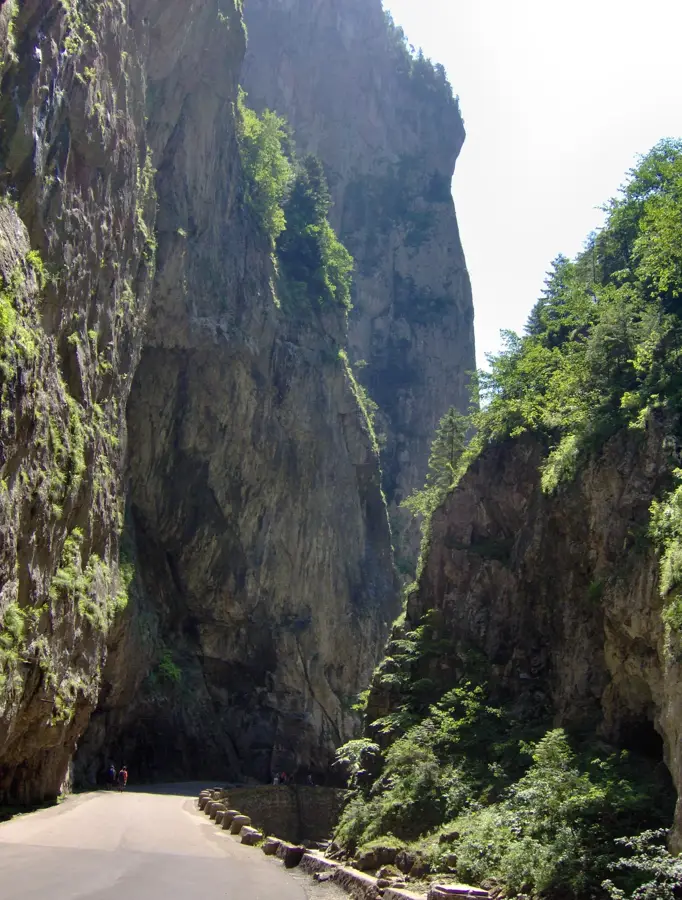
- The Zugreni Gorges are among the most spectacular natural passes along its route.
Explore nearby
Notable places around
Route planner — Car & Motorhome
Where do you start? We build the route here, with stops and country notes along the way.
© OpenStreetMap contributors · OpenRouteService
Sights in the town Bistrița River (10)
Neamt County Museum Complex🏛 museum
Archaeology museum in Romania, displaying finds from the region.
"Calistrat Hogas" Memorial Museum🏛 museum
Memorial museum dedicated to the Romanian writer Calistrat Hogaș.
Teatrul Tineretului
Youth theatre in Piatra Neamț, Neamț County, Romania.
Art Museum🏛 museum
Art museum in Piatra Neamț, a heritage site in Neamț County.
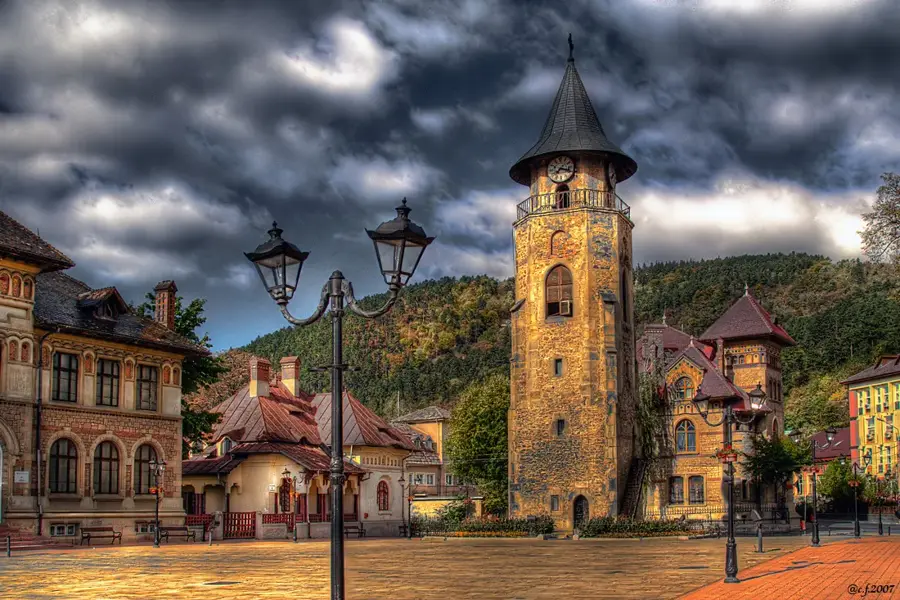
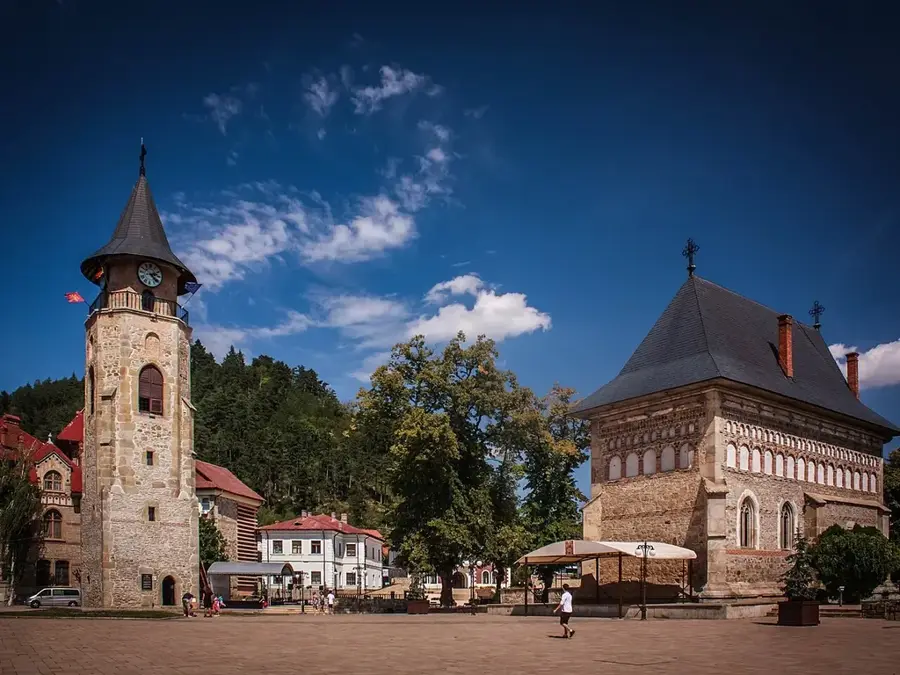
Statuia lui Stefan cel Mare și Sfânt
Statue of Stephen the Great, a prominent ruler of Moldavia.
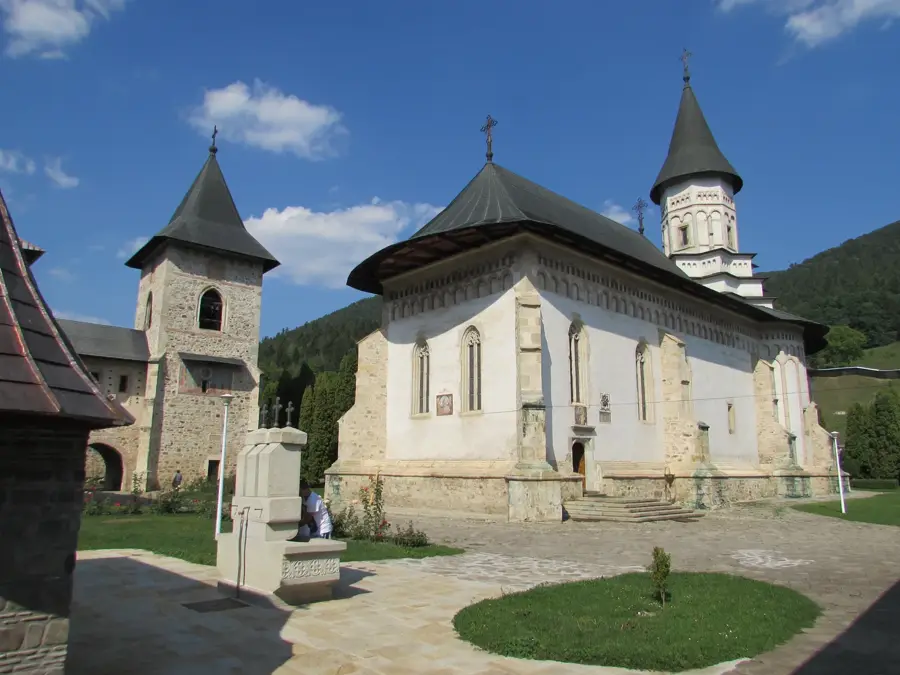
Biserica Domnească Nașterea Sf. Ioan Botezătorul
Church building in Romania, dedicated to the Nativity of Saint John the Baptist.
Sights nearby
Frequently asked questions
Where does the Bistrița River originate?
Is rafting possible on the Bistrița River?
What is the most famous structure on the Bistrița?
Are there historical rafting traditions on the river?
What fish species live in the Bistrița?
Bistrița River: where is it located?
Bistrița River: what is there to see?
Bistrița River: when is the best time to visit?
Bistrița River: why is it worth visiting?

Nearby cities
History & landmarks
Nature
More places