Plizio Visual Lab
Amazon River
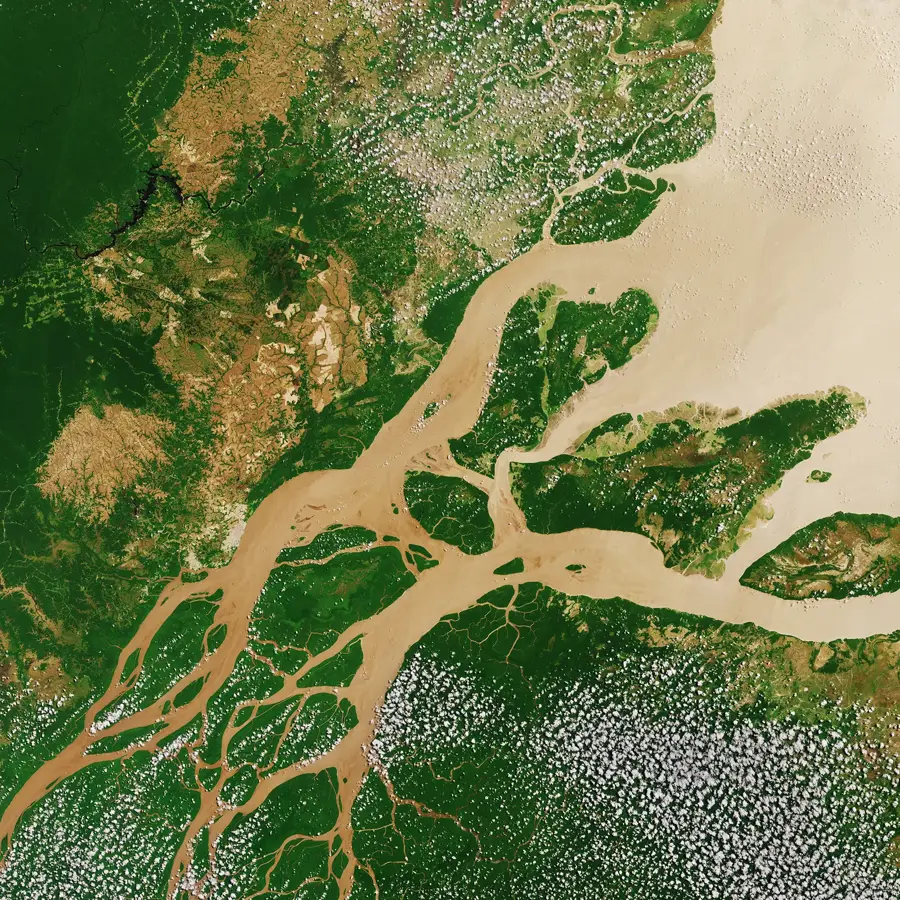
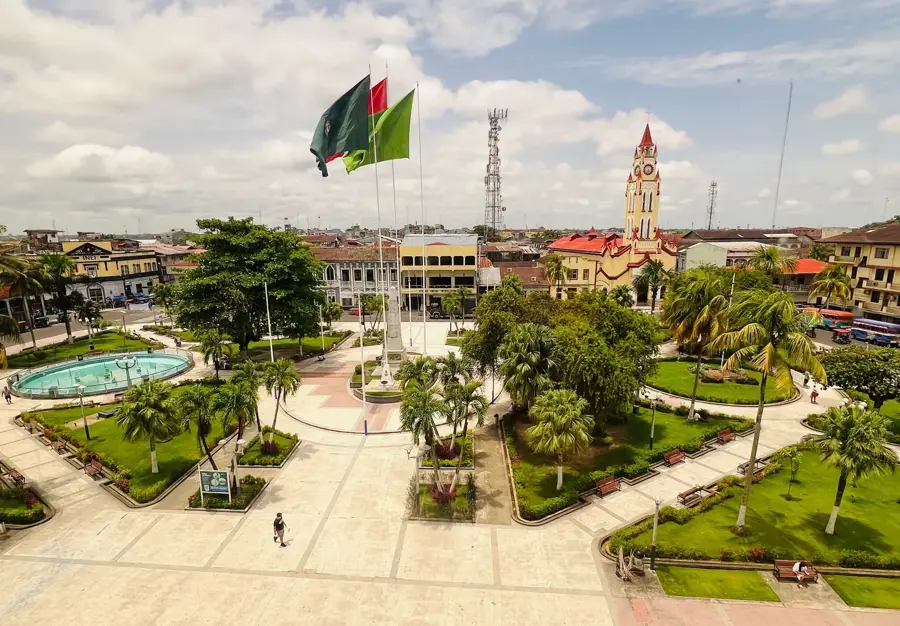
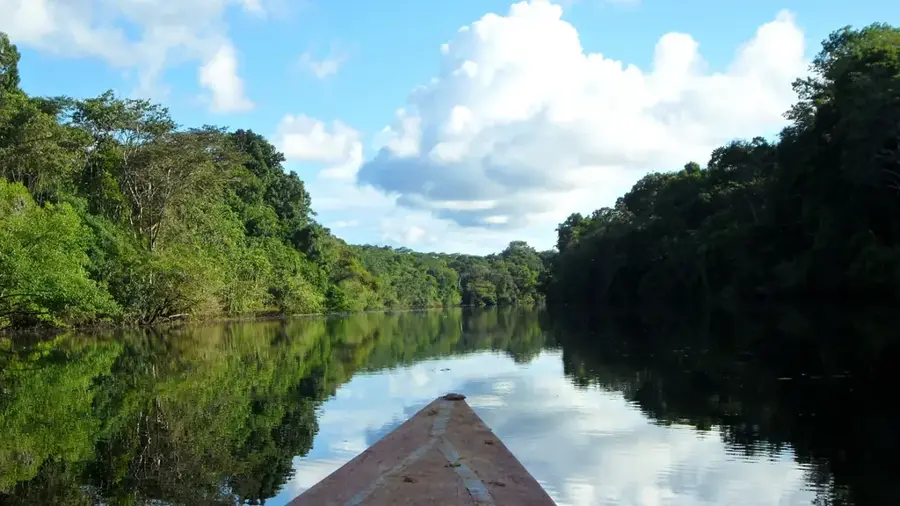
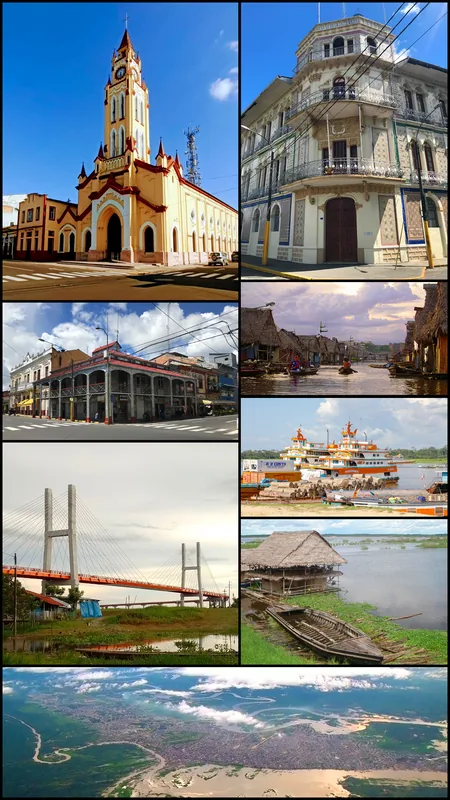
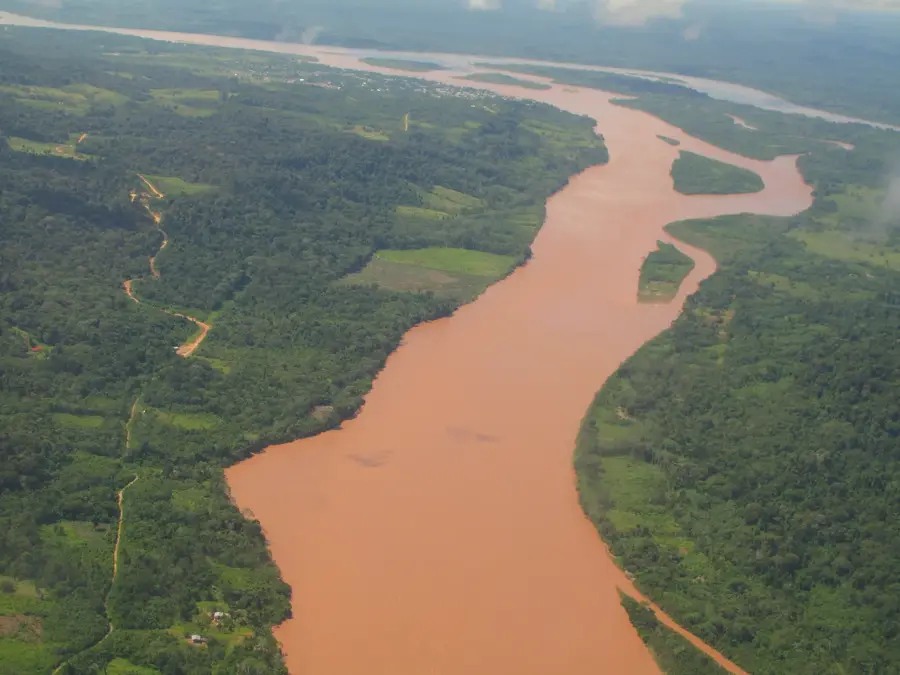
The Amazon River is the world's largest river by discharge volume, originating high in the Peruvian Andes before flowing across South America to the Atlantic Ocean. In Peru, it officially takes its name at the confluence of the Ucayali and Marañón rivers near the town of Nauta in the Loreto region. The river basin covers over seven million square kilometers, carrying approximately 20% of the world's total freshwater runoff into the oceans. It serves as the lifeblood of the Peruvian rainforest, acting as the primary transportation route for isolated communities and major cities like Iquitos, the world's largest city inaccessible by road. The Amazon is a global epicenter of biodiversity, home to unique species such as the pink river dolphin, the black caiman, and the massive arapaima fish. Seasonal flooding causes the river level to rise by up to 15 meters, creating vast flooded forest ecosystems known as várzea. Despite its vastness, the river faces significant environmental threats from deforestation, illegal mining, and climate change affecting its headwaters.
Explore on the map
How well do you know Peru?
Find cities, landscapes and regions in 10 varied challenges on the interactive map.
Your journey, your memory
A postcard from Amazon River
Turn your own photo into a personal postcard with a local stamp. Free and no sign-up required.
Create a postcard- Location: Peru
- Highlights: Culturas Indigenas Amazonas · Belen Commercial Area · Ayapua
Best time to visit & climate
The most pleasant time to visit is Jul–Sep.
| Jan | Feb | Mar | Apr | May | Jun | Jul | Aug | Sep | Oct | Nov | Dec | |
|---|---|---|---|---|---|---|---|---|---|---|---|---|
| Avg °C | 26 | 26 | 26 | 26 | 26 | 25 | 25 | 26 | 26 | 26 | 26 | 26 |
| Rain mm | 301 | 251 | 367 | 305 | 278 | 218 | 167 | 157 | 189 | 286 | 291 | 298 |
📋 Practical info
Geography
Facts
- The Amazon carries more water than the next seven largest rivers combined.
- It contains approximately 20% of the world's liquid freshwater at any given time.
- The river's depth can reach up to 100 meters in its deepest channels.
- Iquitos is the largest city in the world that cannot be reached by highway.
- The first European to explore the river was Francisco de Orellana in 1541-1542.
- The basin contains over 390 billion individual trees belonging to 16,000 species.
Explore nearby
Notable places around
Route planner — Car & Motorhome
Where do you start? We build the route here, with stops and country notes along the way.
© OpenStreetMap contributors · OpenRouteService
Sights in the town Amazon River (8)
Sights nearby
Frequently asked questions
Is it safe to swim in the Amazon?
When is the best time for wildlife viewing?
How do you protect yourself against insects?
Are there organized boat trips?
What is the most important thing for the trip?
Amazon River: where is it located?
Amazon River: what is there to see?
Amazon River: when is the best time to visit?
Amazon River: why is it worth visiting?
Nearby cities
Nature
More places