Plizio Visual Lab
Marañón River
Weather…
Water temperature…
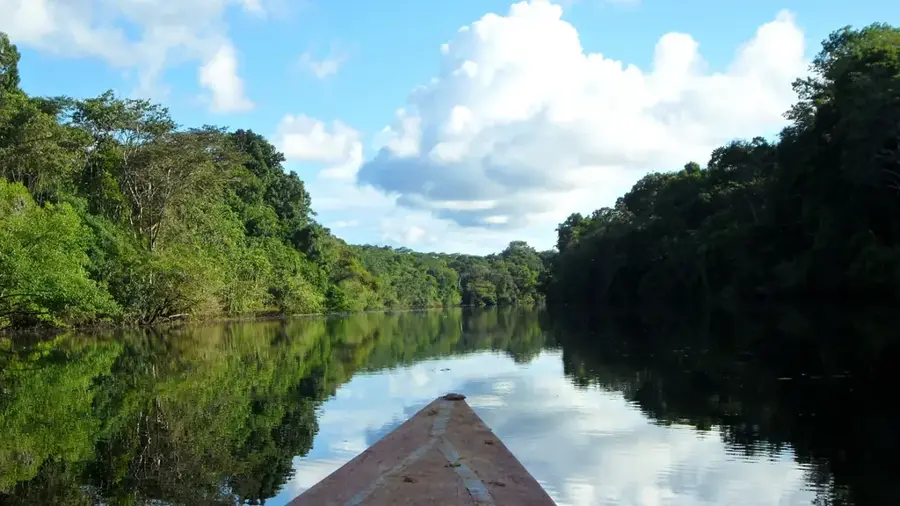
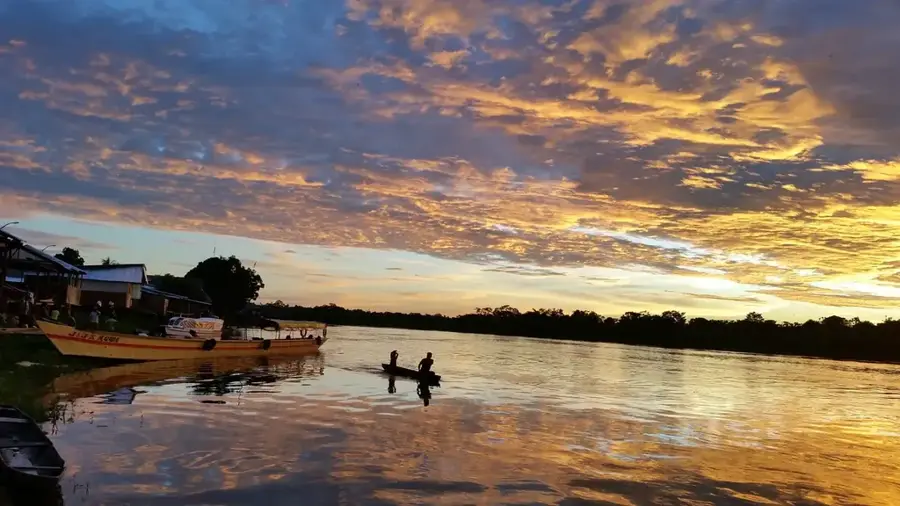
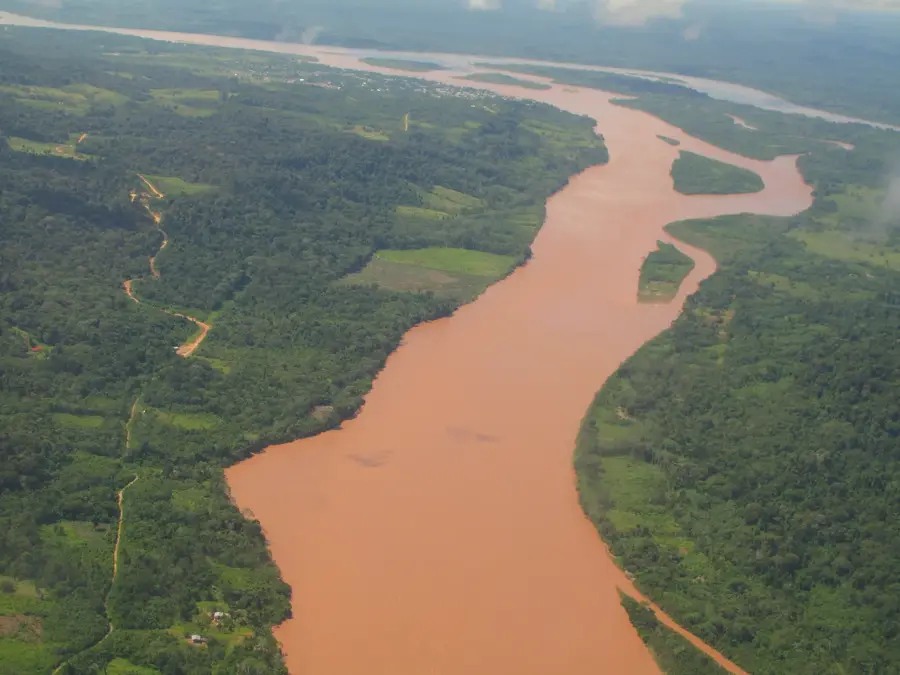
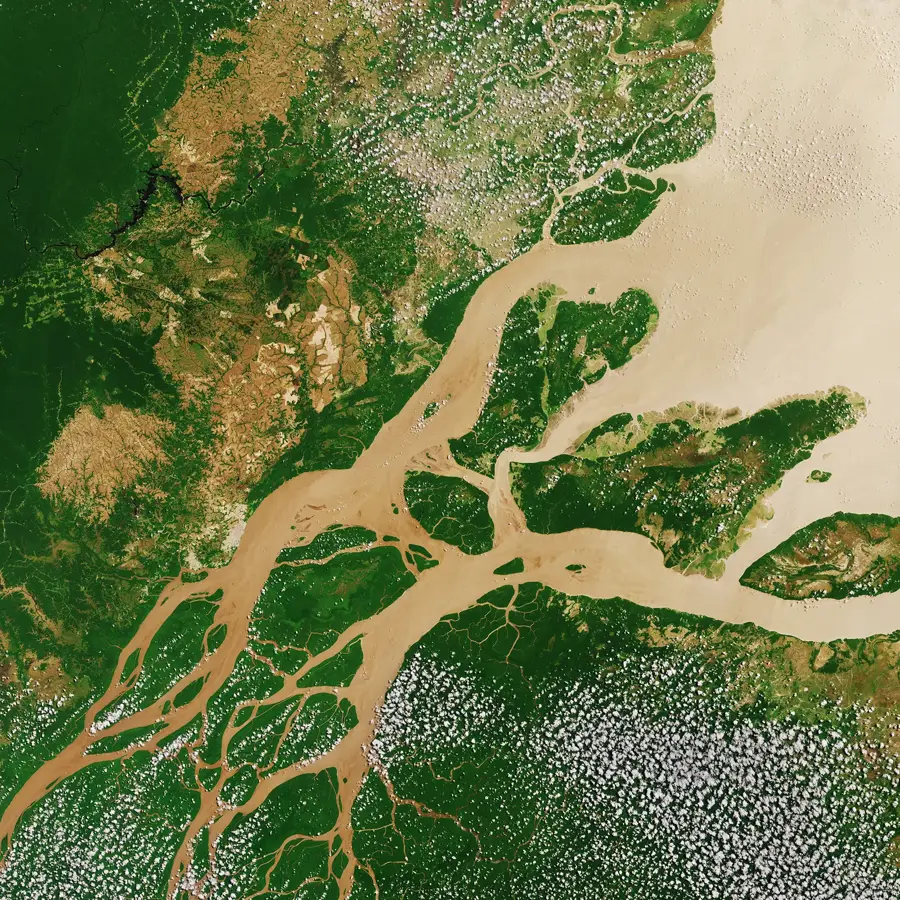
The Marañón River is one of the most significant headwaters of the Amazon, originating from the glaciers of the Peruvian Andes near Lake Lauricocha. It flows northward through deep, dramatic canyons, some deeper than the Grand Canyon, before turning eastward to cut through the Andes and enter the Amazon basin. The river traverses a wide variety of ecological zones, from arid inter-Andean dry forests to lush tropical lowland rainforests, making it a hotspot for endemism. Geographically, it is often considered the 'main stem' source of the Amazon due to its historical importance and consistent water volume. The river is famous for its 'pongos,' or narrow water gaps where it breaks through mountain ranges, most notably the Pongo de Manseriche. Today, the Marañón is at the center of environmental debates regarding large-scale hydroelectric dam projects that threaten its free-flowing status and biodiversity. Its confluence with the Ucayali River near Nauta officially forms the Amazon River, marking a critical point in the world's largest hydrological system.
Explore on the map
How well do you know Peru?
Find cities, landscapes and regions in 10 varied challenges on the interactive map.
Your journey, your memory
A postcard from Marañón River
Turn your own photo into a personal postcard with a local stamp. Free and no sign-up required.
Create a postcard- Location: Peru
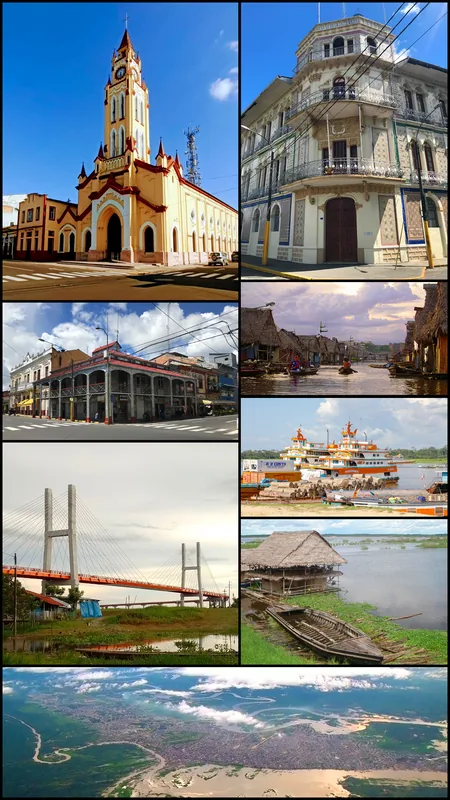
- Nearby: Iquitos (85 km)
Best time to visit & climate
The most pleasant time to visit is Jul–Sep.
| Jan | Feb | Mar | Apr | May | Jun | Jul | Aug | Sep | Oct | Nov | Dec | |
|---|---|---|---|---|---|---|---|---|---|---|---|---|
| Avg °C | 26 | 26 | 26 | 26 | 25 | 25 | 25 | 25 | 26 | 26 | 26 | 26 |
| Rain mm | 267 | 237 | 327 | 286 | 230 | 184 | 146 | 135 | 164 | 242 | 245 | 255 |
📋 Practical info
Geography
Facts
- The Marañón spans approximately 1,415 kilometers from source to confluence.
- The river flows through ten different Peruvian regions during its journey.
- It was once considered the source of the Amazon by the 18th-century explorer Condamine.
- The Marañón dry forests are home to dozens of species found nowhere else on Earth.
- The river drops over 3,000 meters in elevation from its source to the Amazon lowlands.
- It is a major habitat for the vulnerable Andean catfish species.
Explore nearby
Notable places around
Route planner — Car & Motorhome
Where do you start? We build the route here, with stops and country notes along the way.
© OpenStreetMap contributors · OpenRouteService
Sights nearby
Frequently asked questions
Can you take boat trips on the Río Marañón?
Is the river water suitable for swimming?
Are there accommodations right on the riverbank?
Which season is best for a river trip?
Do you need a visa or permits?
Marañón River: where is it located?
Marañón River: when is the best time to visit?
Marañón River: why is it worth visiting?
Nearby cities
Nature
More places