Plizio Visual Lab
Makay Massif

Weather…
Water temperature…
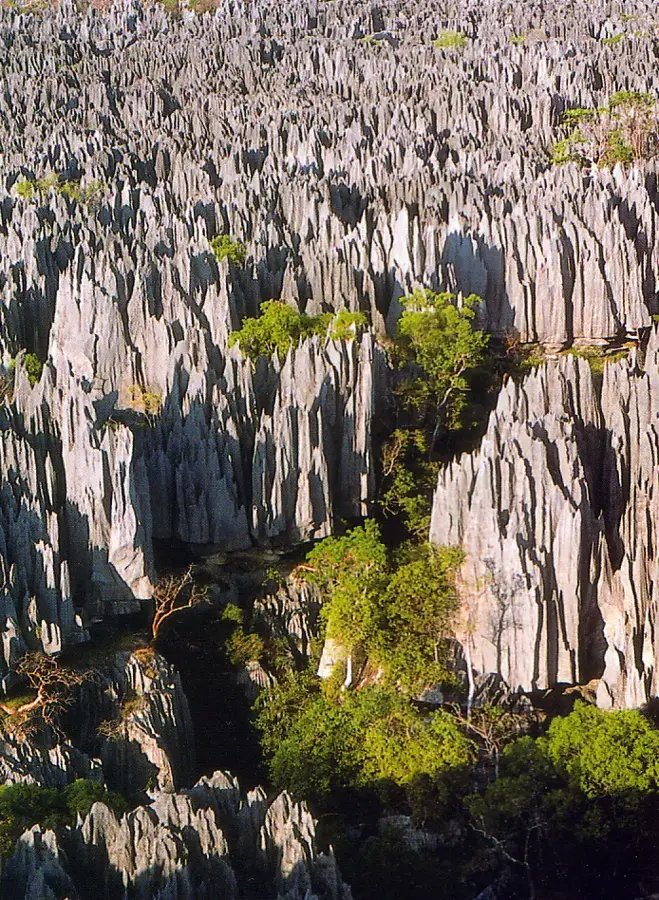
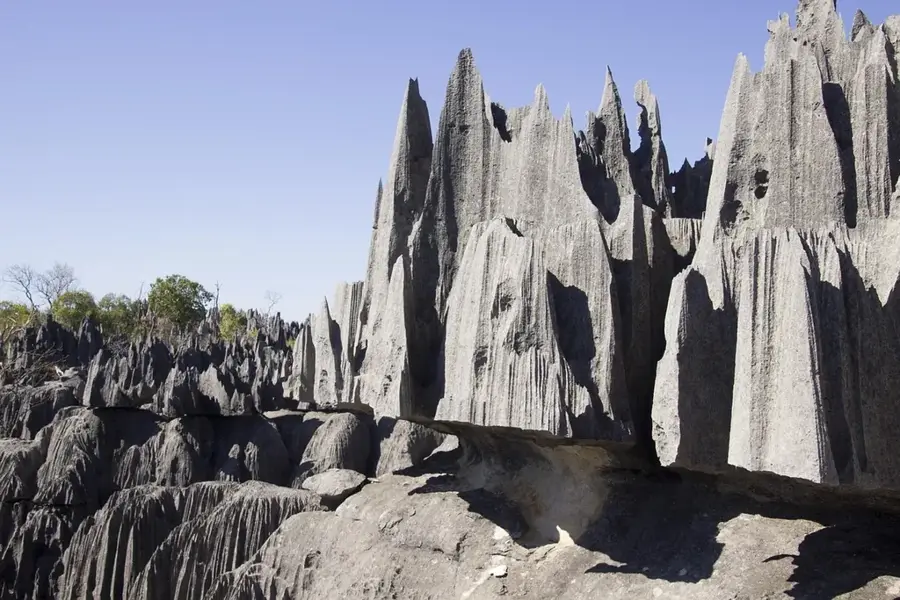
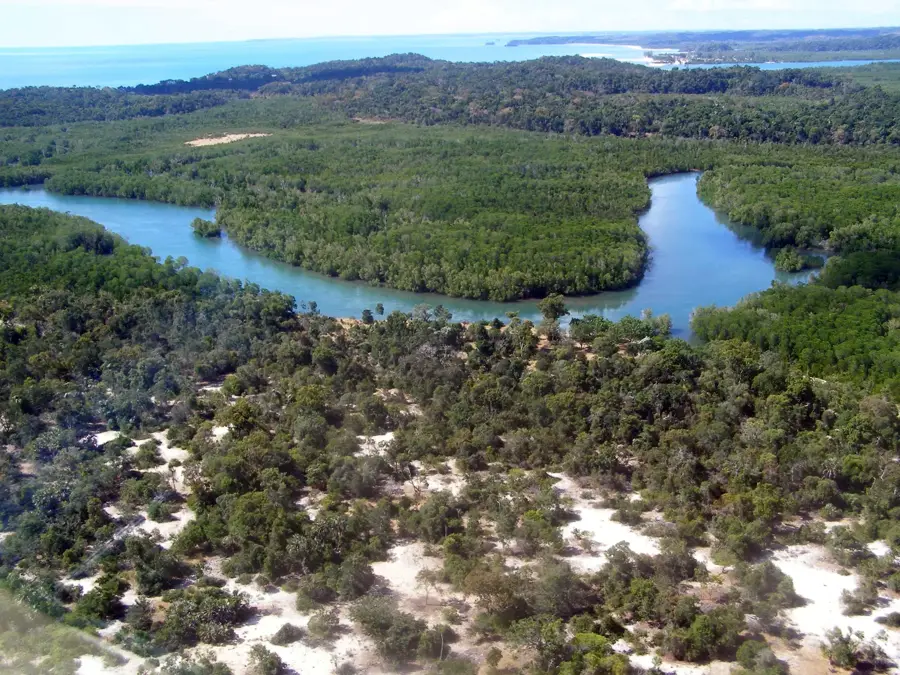
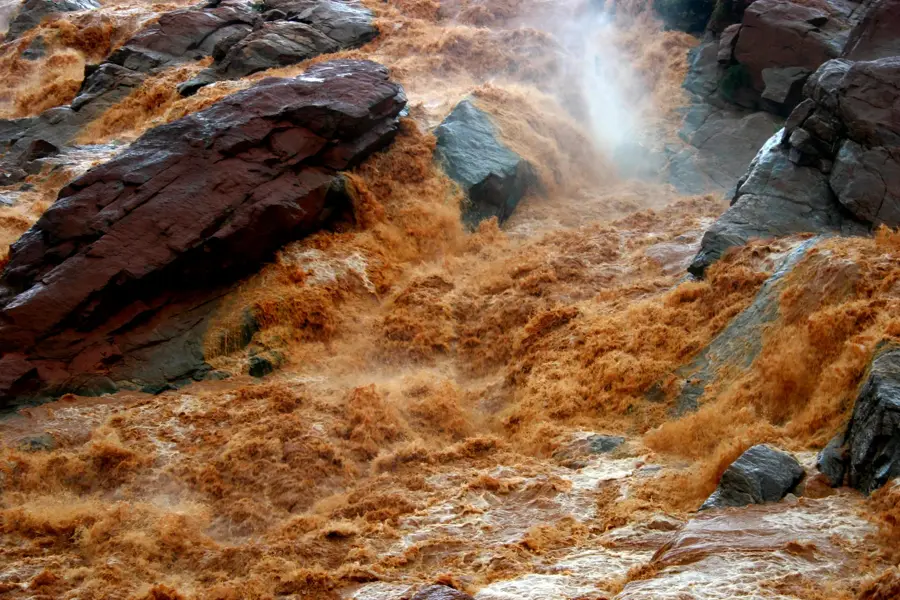
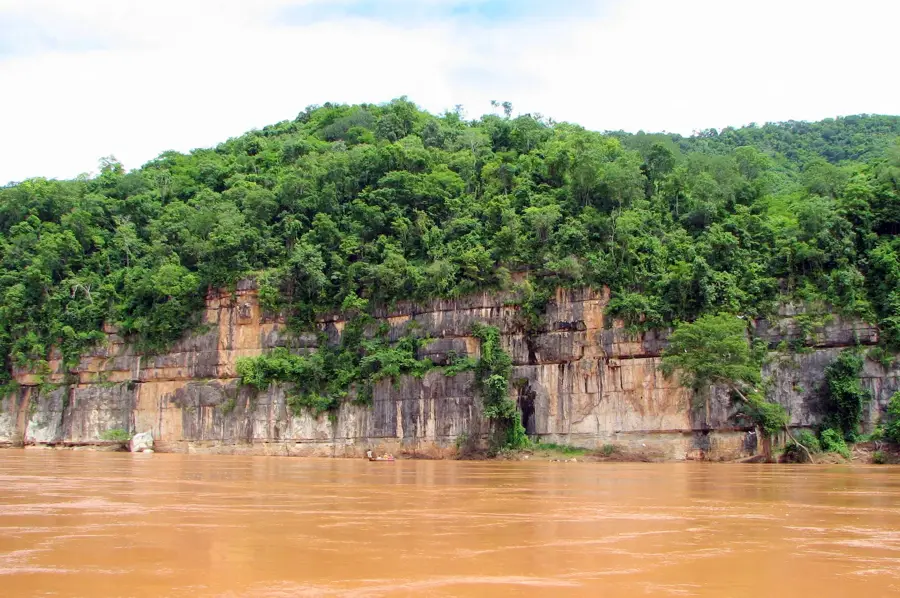
The Makay Massif represents one of Madagascar's most remote and visually impressive landscapes, consisting of a vast sandstone mountain range in the west of the island. Millions of years of erosion have carved deep canyons and narrow gorges that shield isolated ecosystems containing unique flora and fauna. This rugged and inaccessible region only underwent comprehensive scientific exploration in recent years, leading to the discovery of numerous species previously unknown to science. The massif acts as a biological refuge for organisms that could not survive in the surrounding drier environments. Its geography is characterized by vertical cliffs rising up to 300 meters and hidden river systems flowing through the canyon floors. Historically, the Makay area remained virtually untouched by human settlement due to its formidable topography. Modern conservation efforts focus on preserving this 'lost world' from external threats.
Explore on the map
How well do you know Madagascar?
Find cities, landscapes and regions in 10 varied challenges on the interactive map.
Your journey, your memory
A postcard from Makay Massif
Turn your own photo into a personal postcard with a local stamp. Free and no sign-up required.
Create a postcardBest time to visit & climate
The most pleasant time to visit is Jun–Aug.
| Jan | Feb | Mar | Apr | May | Jun | Jul | Aug | Sep | Oct | Nov | Dec | |
|---|---|---|---|---|---|---|---|---|---|---|---|---|
| Avg °C | 26 | 26 | 26 | 25 | 23 | 22 | 21 | 23 | 26 | 28 | 29 | 28 |
| Rain mm | 301 | 206 | 136 | 41 | 13 | 6 | 5 | 3 | 14 | 33 | 72 | 162 |
📋 Practical info
Geography
Facts
- The massif covers an expansive area of approximately 4,000 square kilometers.
- The rock formations consist primarily of yellow and red sedimentary sandstone.
- The first major interdisciplinary scientific expedition took place in 2010.
- Some of the deepest canyons reach depths of up to 400 meters.
- More than 1,000 different plant species have been identified within the massif.
- Archaeologists have discovered prehistoric rock art in the caves of the range.
Explore nearby
Notable places around
Route planner — Car & Motorhome
Where do you start? We build the route here, with stops and country notes along the way.
© OpenStreetMap contributors · OpenRouteService
Sights nearby
Frequently asked questions
How is the access to Makay Massif?
Can you hike there?
How long does a tour take?
Is water available?
Is it safe?
Makay Massif: where is it located?
Makay Massif: when is the best time to visit?
Makay Massif: why is it worth visiting?
Nearby cities

History & landmarks
Nature
More places