Plizio Visual Lab
Sassandra Coast

Weather…
Water temperature…
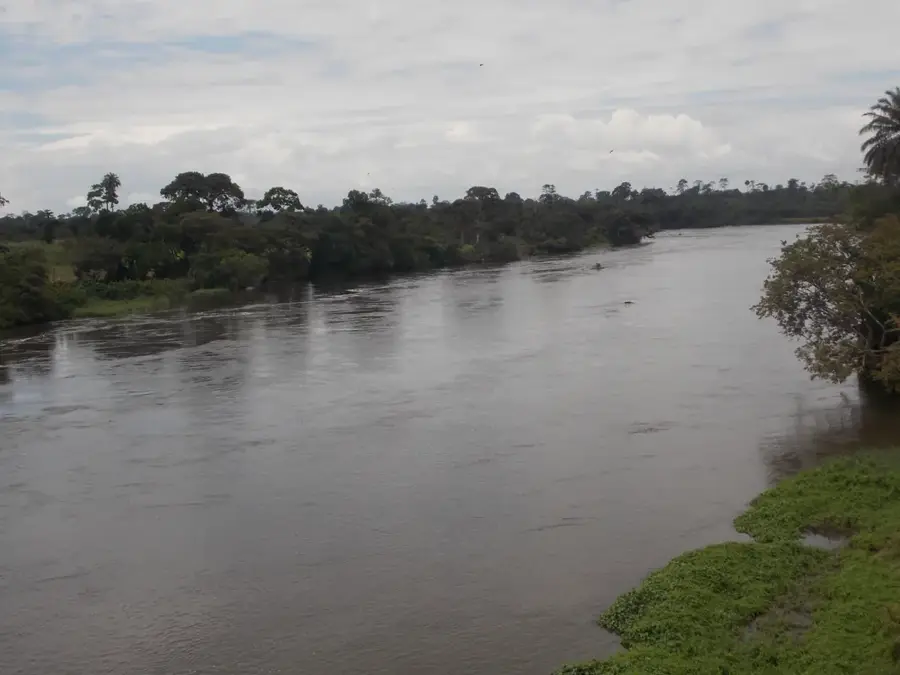
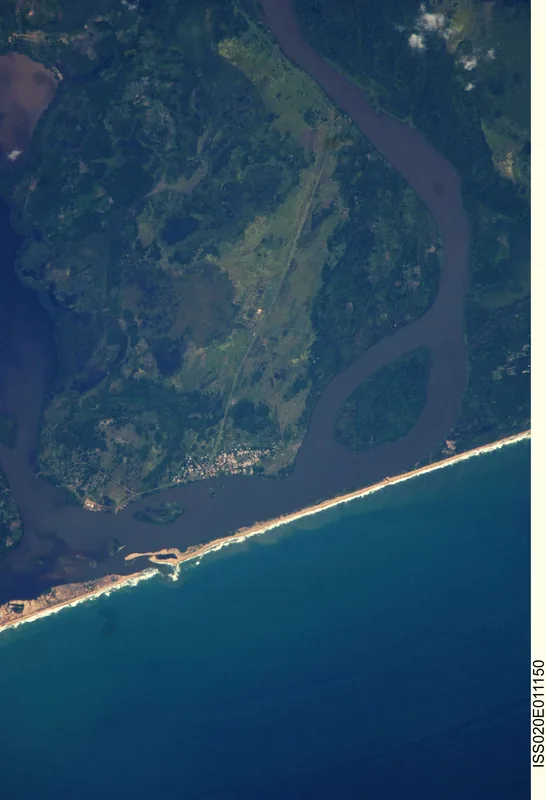
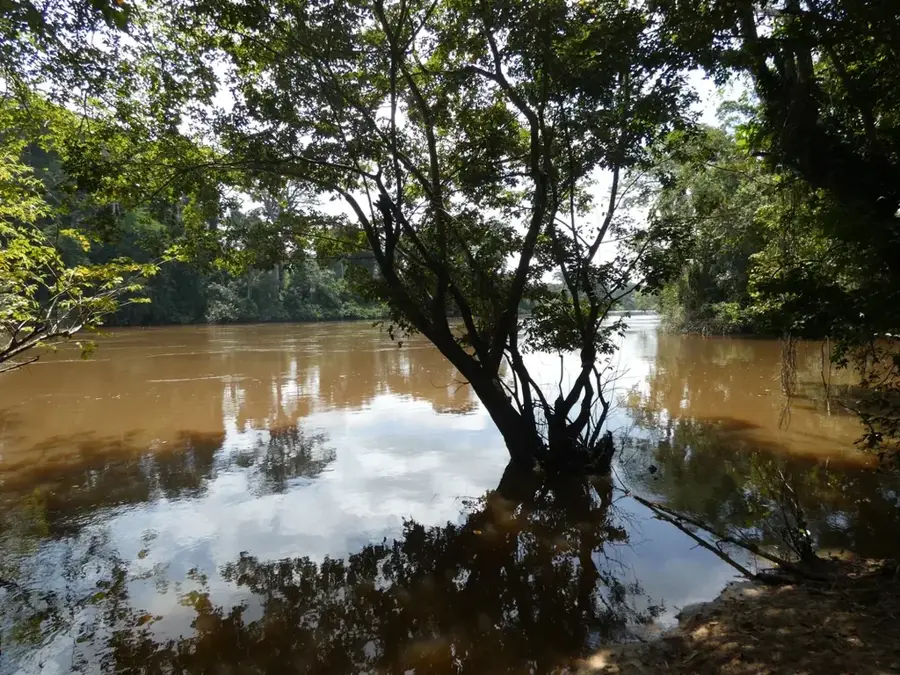
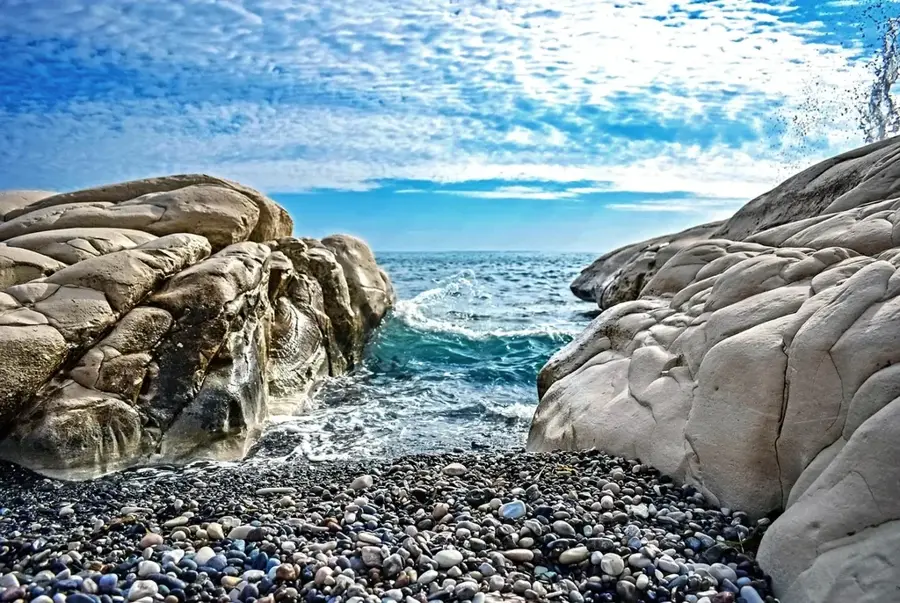
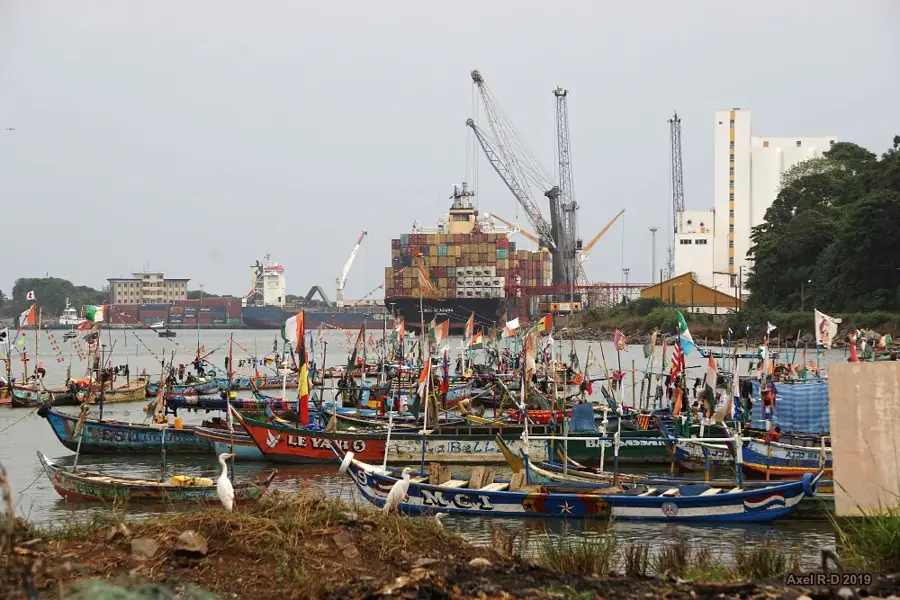
The Sassandra coast in southwestern Côte d'Ivoire is known for its dramatic geography, characterized by high cliffs, hidden coves, and the mouth of the massive Sassandra River. Historically, the site is of great significance, having been discovered by Portuguese navigators in 1471 and named Rio San Andrea. The coastal landscape has a mix of sandy beaches and rocky sections, atypical for the country's otherwise rather flat coastline. Near the town are extensive coconut plantations and remains of colonial architecture, testifying to its past as an important export port for coffee and cocoa. The sea off Sassandra is rich in fishing grounds, which form the basis for the local economy of the Niaboua and Krou peoples. Ecologically, the region is important for the preservation of coastal forests and as a migration route for whales, which can be spotted off the coast between July and November. Despite the potential for tourism, Sassandra has preserved its authentic charm, far from the mass tourism of the eastern coastal sections. The rugged beauty of the coast and the historical depth make Sassandra a unique cultural and natural landmark.
Explore on the map
How well do you know Côte d’Ivoire?
Find cities, landscapes and regions in 10 varied challenges on the interactive map.
Your journey, your memory
A postcard from Sassandra Coast
Turn your own photo into a personal postcard with a local stamp. Free and no sign-up required.
Create a postcard- Location: Côte d’Ivoire
- Nearby: San-Pédro (71 km)
Best time to visit & climate
The most pleasant time to visit is Jan, Aug, Dec.
| Jan | Feb | Mar | Apr | May | Jun | Jul | Aug | Sep | Oct | Nov | Dec | |
|---|---|---|---|---|---|---|---|---|---|---|---|---|
| Avg °C | 27 | 27 | 27 | 27 | 27 | 26 | 25 | 24 | 25 | 26 | 26 | 27 |
| Rain mm | 34 | 75 | 116 | 145 | 218 | 356 | 161 | 98 | 158 | 179 | 107 | 58 |
📋 Practical info
Geography
Facts
- Discovered by the Portuguese in 1471
- Original name: Rio San Andrea
- Mouth of the 650 km long Sassandra River
- Whale watching between July and November
- Center of Niaboua and Krou culture
- Historical landmark: Sassandra Lighthouse
Explore nearby
Notable places around
Route planner — Car & Motorhome
Where do you start? We build the route here, with stops and country notes along the way.
© OpenStreetMap contributors · OpenRouteService
Sights nearby
Frequently asked questions
Why is it worth visiting the Sassandra coast?
Can you go surfing on the Sassandra coast?
What is the most famous historic building there?
Are there direct buses from Abidjan to Sassandra?
What should you definitely eat in Sassandra?
Sassandra Coast: where is it located?
Sassandra Coast: when is the best time to visit?
Sassandra Coast: why is it worth visiting?

Nature