Plizio Visual Lab
Lawang Sewu
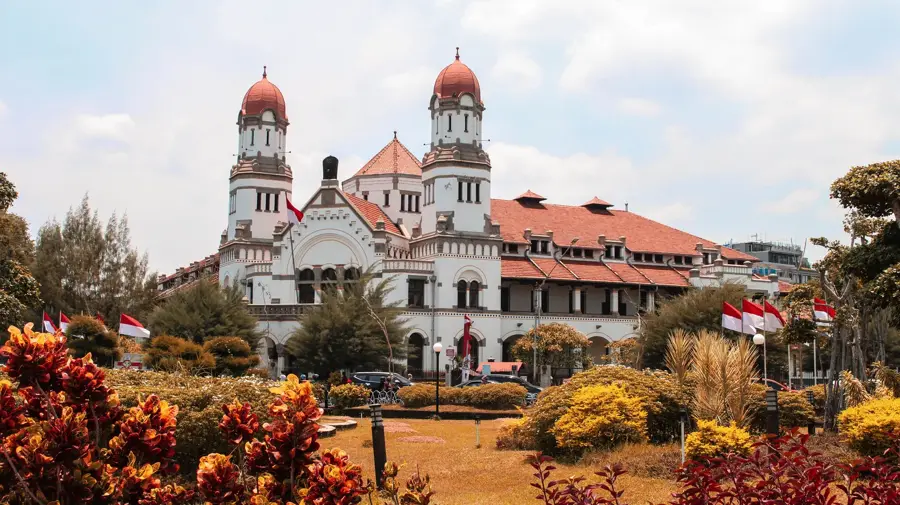
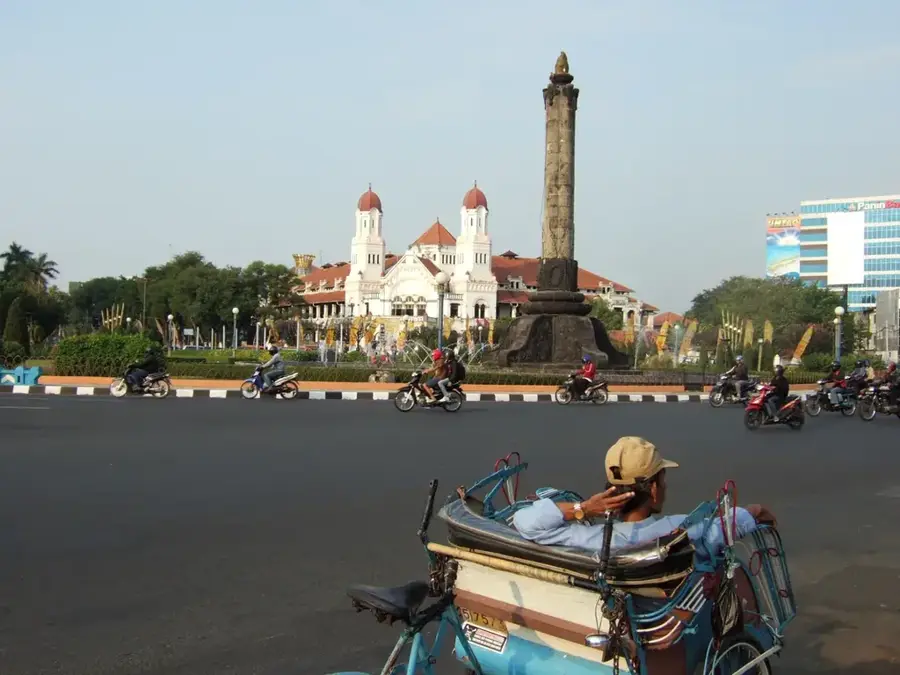
Lawang Sewu is an iconic colonial-era building in Semarang, Central Java, renowned for its imposing architecture and historical significance. The name translates to 'Thousand Doors' in Javanese, a reference to the vast number of large windows and doorways that characterize the complex. Constructed between 1904 and 1919, it originally served as the headquarters of the Netherlands-Indies Railway Company (NIS). Designed by Dutch architects Cosman Citroen and B.J. Quendag, the structure is a prime example of the 'New Indies' architectural style, blending European aesthetics with tropical adaptations. Following Indonesia's independence, the building was used for various governmental roles, and it holds a somber history as a site of interrogation during the Japanese occupation in World War II. After extensive restoration efforts in the early 2010s, Lawang Sewu was transformed into a railway museum. Today, it stands as a major tourist attraction and a protected cultural heritage site in Indonesia.
Explore on the map
How well do you know Indonesia?
Find cities, landscapes and regions in 10 varied challenges on the interactive map.
Your journey, your memory
A postcard from Lawang Sewu
Turn your own photo into a personal postcard with a local stamp. Free and no sign-up required.
Create a postcard- Location: Indonesia
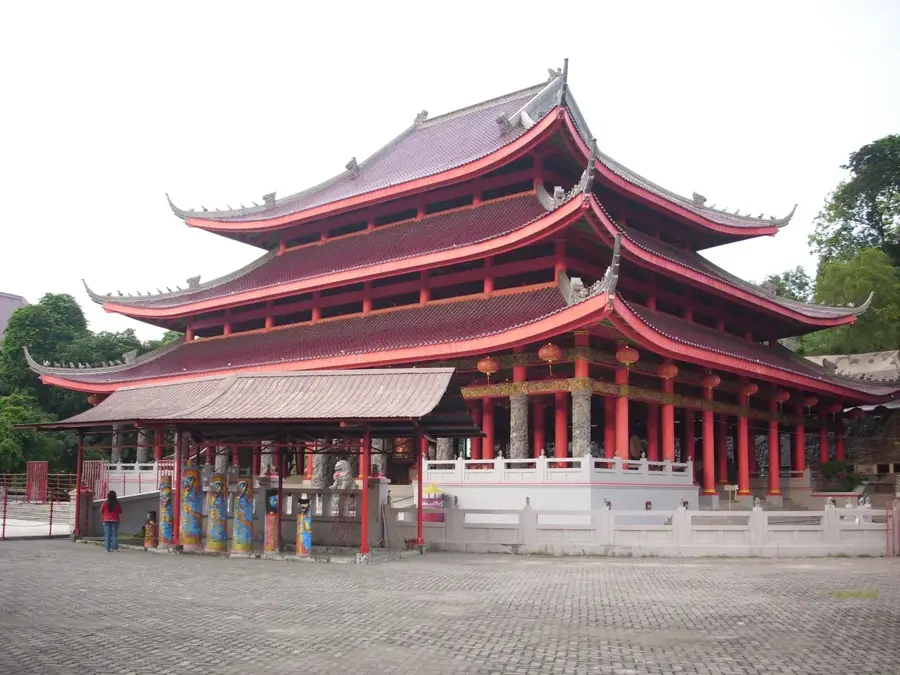
- Highlights: Lawang Sewu · Blenduk Church · Tay Kak Sie Temple
- Nearby: Tambak Harjo (5 km)
Best time to visit & climate
The most pleasant time to visit is Jun–Aug.
| Jan | Feb | Mar | Apr | May | Jun | Jul | Aug | Sep | Oct | Nov | Dec | |
|---|---|---|---|---|---|---|---|---|---|---|---|---|
| Avg °C | 26 | 26 | 26 | 27 | 26 | 26 | 26 | 27 | 28 | 29 | 28 | 27 |
| Rain mm | 354 | 349 | 204 | 187 | 132 | 87 | 50 | 30 | 67 | 118 | 205 | 273 |
📋 Practical info
Geography
Facts
- Construction on the main building block began in 1904.
- Despite its name, the total number of doors is actually less than 1,000.
- The building features elaborate stained-glass windows by artist Johannes Lourens Schouten.
- It was the site of the fierce 'Five Day Battle in Semarang' in October 1945.
- The complex consists of four main building structures (A, B, C, and D).
- It currently serves as a museum managed by the Indonesian Railway Company (PT KAI).
Explore nearby
Notable places around
Route planner — Car & Motorhome
Where do you start? We build the route here, with stops and country notes along the way.
© OpenStreetMap contributors · OpenRouteService
Sights in the town Lawang Sewu (10)
Sights nearby
Frequently asked questions
Why is it called 'Lawang Sewu'?
What was its original function?
Is the building known for ghosts?
Is indoor photography allowed?
Where is it located in Semarang?
Lawang Sewu: where is it located?
Lawang Sewu: what is there to see?
Lawang Sewu: when is the best time to visit?
Lawang Sewu: why is it worth visiting?

Nearby cities
History & landmarks
More places