Plizio Visual Lab

Gedong Songo Temples
Plizio editorial teamData Sources
ruin
—°14
Gedong Songo Temples (Indonesia)

Weather…

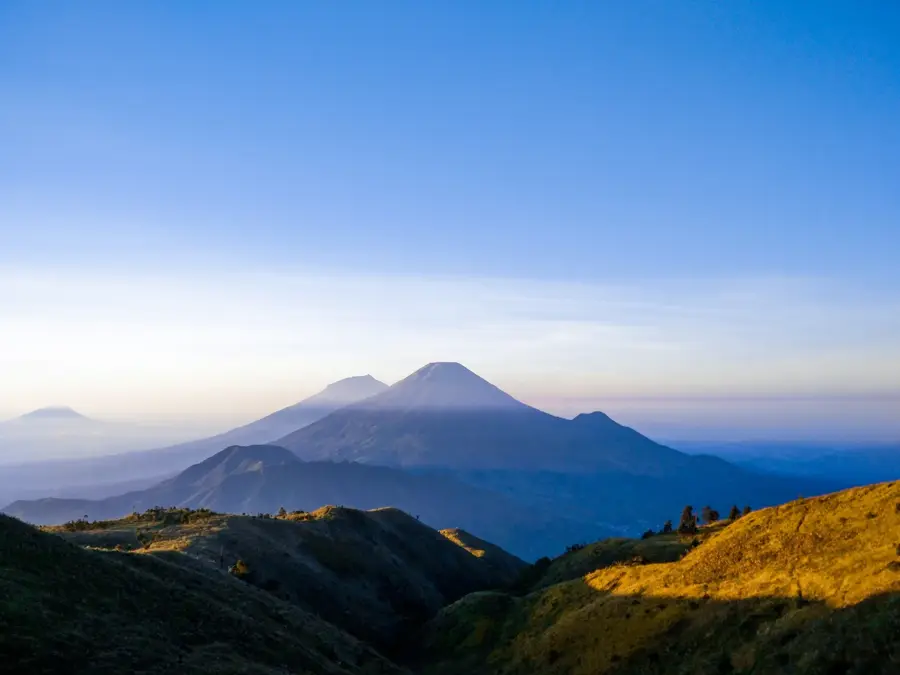
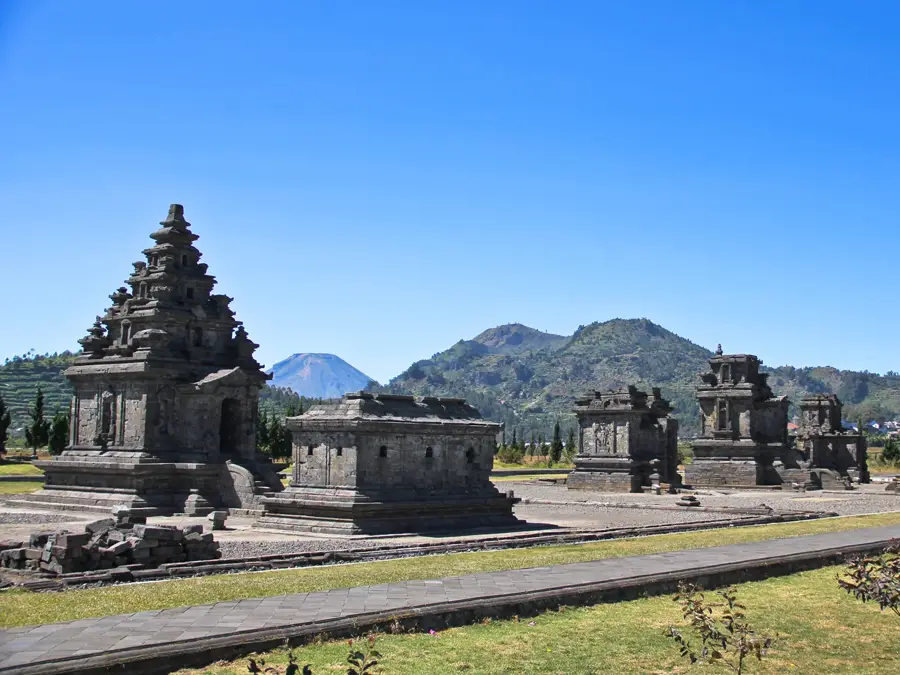
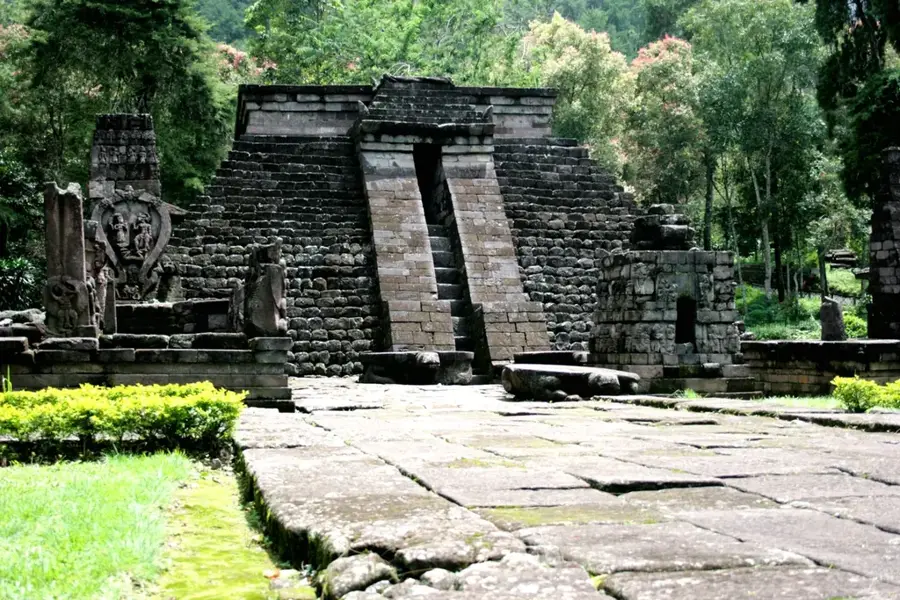
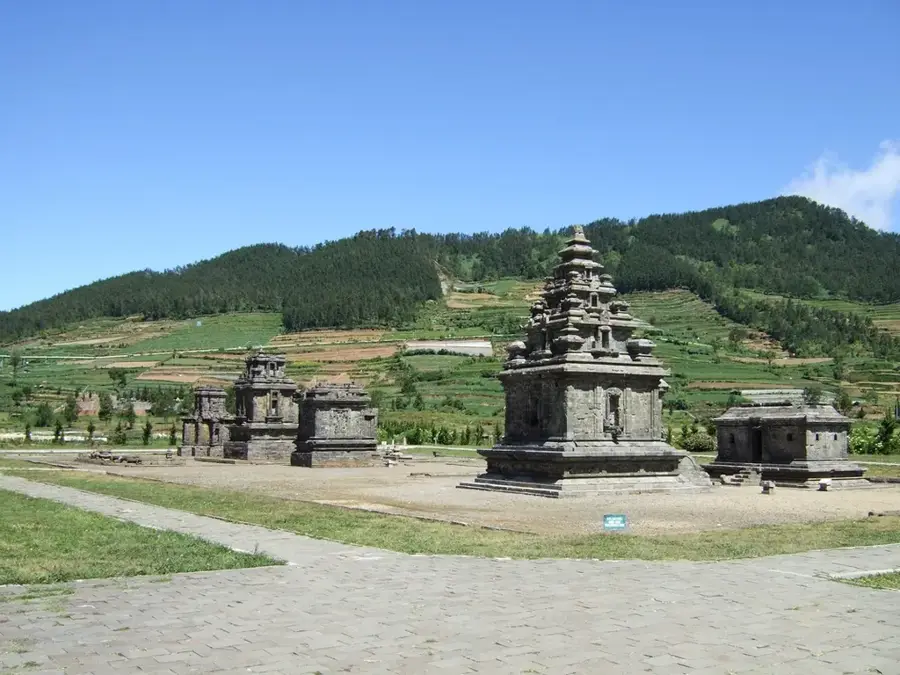
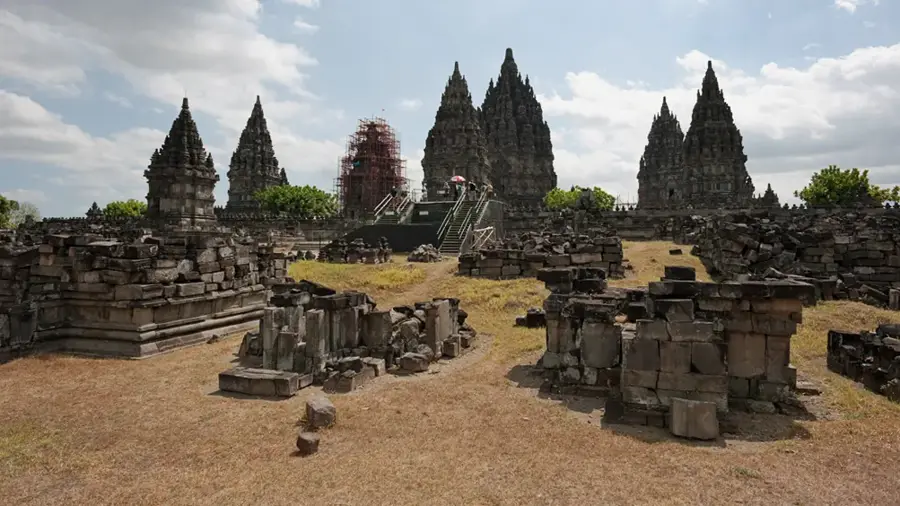
Gedong Songo is a remarkable complex of nine Hindu temples situated on the slopes of Mount Ungaran in Central Java. These temples were built during the early Mataram Kingdom period in the 8th and 9th centuries, making them some of the oldest stone structures in the region. The name 'Gedong Songo' translates literally to 'nine buildings' in the Javanese language, referring to the original number of structures identified at the site. The temples are distributed across five main groups on the mountainous terrain, at an altitude of approximately 1,200 meters above sea level. Their architectural style is similar to the temples found on the Dieng Plateau, characterized by their compact form and intricate carvings. To reach the different groups, visitors must hike along steep paths that offer panoramic views of the surrounding valleys and peaks. The site is also known for its geothermal activity, featuring natural hot springs and sulfur vents near the temple ruins. This blend of ancient history, sacred architecture, and dramatic natural scenery makes Gedong Songo a significant cultural destination.

Best time to visit & climate

The most pleasant time to visit is Jun–Aug.

JanFebMarAprMayJunJulAugSepOctNovDec
Avg °C262626272626262728292827
Rain mm35434920418713287503067118205273

📋 Practical info

🚪
Visiting
Visitors can hike through this sweeping archaeological park to explore nine ancient Hindu temple clusters scattered across the lush, mountainous landscape. Accessing all the temple groups requires considerable physical stamina, as the well-paved but very steep trails involve significant elevation changes.
🕒
Typical hours
The temple complex typically welcomes guests daily from the early morning hours until late afternoon, allowing plenty of time for exploration. Arriving as early as possible is highly encouraged, both to enjoy cooler temperatures for hiking and to experience the site before the frequent afternoon mountain mists roll in.
📷
Photography
This high-altitude location is a paradise for photography, offering striking contrasts between the dark, ancient volcanic stone temples and the bustling green surrounding mountains. Drones are generally regulated and might require special permission, but standard handheld cameras capture phenomenal misty landscapes perfectly.
⏱️
Time needed
Walking the complete circuit to view all the surviving temple structures usually takes roughly two to three hours at a moderate pace. Those who opt to rent horses or simply wish to relax by the hot springs halfway up the trail should plan for at least a half-day visit.
Combine with
The temple excursion can be perfectly paired with a visit to the nearby Umbul Sidomukti, a popular highland resort featuring natural spring pools and outdoor activities. Travelers also frequently combine this trip with a journey to the Ambarawa Railway Museum or the sprawling coffee plantations in the surrounding district.
🧭
Getting there
Located high on the slopes of Mount Ungaran, the site is most conveniently reached by private car, motorcycle, or a hired taxi from the city of Semarang. The final stretch of the road winding up the mountain is quite steep and narrow, leading to a spacious official parking area near the ticket booth.
💡
Insider tip
The weather on the mountain can be highly unpredictable, so bringing a light rain jacket or an umbrella is a wise precaution even during the dry season. Taking a refreshing dip in the natural sulfur hot springs located near the third temple cluster is a fantastic way to soothe tired muscles during your hike.

Geography

Coordinates
-7.21080, 110.33920

Facts

  • The temples were constructed between the 8th and 9th centuries.
  • The name 'Gedong Songo' means 'Nine Buildings' in Javanese.
  • The complex is located at an altitude of 1,200 meters above sea level.
  • It was rediscovered by Sir Thomas Stamford Raffles in 1804.
  • The temples are primary examples of early Shaivite architecture in Java.
  • Natural hot sulfur springs are located between the third and fourth temple groups.

Explore nearby

Notable places around

Route planner — Car & Motorhome

Where do you start? We build the route here, with stops and country notes along the way.

Vehicle
Only stops with (optional):

© OpenStreetMap contributors · OpenRouteService

Sights in the town Gedong Songo Temples (14)

Ambarawa Railway Museum🏛 museum

A former railway station that now houses a significant collection of vintage steam locomotives from the colonial era.

Kawedanan Ambarawa🏛 museum

This historic administrative building in Ambarawa is an example of Dutch colonial architecture in Central Java.

Gua Maria Kerep Ambarawa🏺 historical

A Catholic pilgrimage site known for its 42-meter-high statue of the Virgin Mary and an artificial grotto.

Monumen Tank🏺 historical

This military monument displays a historic tank and commemorates the Battle of Ambarawa during the Indonesian War of Independence.

Tugu Yudha Cakti🏺 historical

A monument honoring the Indonesian armed forces, symbolizing the resistance against colonial powers.

Goa Jepang🛡️ fortress

A system of underground tunnels and bunkers built by Japanese troops during World War II.

Masjid AT - TAQWA⛪ religious

A central mosque near Ambarawa, notable for its modern Indonesian design and large dome.

Masjid Jami’ Al Mut-Taqin⛪ religious

This Jami mosque is a significant gathering place for Friday prayers and religious festivities in the region.

Pasar Lanang🎭 culture

A traditional marketplace where local farmers offer fresh fruits, vegetables, and Javanese spices.

Pasar Hewan Ambarawa🎭 culture

The Ambarawa livestock market is known for the trade of cattle and goats using traditional methods.

Pasar Projo Ambarawa🎭 culture

A busy central market in Ambarawa offering a wide range of household goods and local street food.

Gardu Pandang Nyatnyono📍 landmark

An observation point in Nyatnyono offering panoramic views over the rice terraces and the highlands of Central Java.

Masjid Muttaqin📍 landmark

A Muslim place of worship located near the historic Gedong Songo park, shaping the local daily spiritual life.

Gereja Kristen Jawa Ngampin📍 landmark

This Javanese Christian church in Ngampin village is known for integrating local cultural elements into its services.

Sights nearby

Frequently asked questions

How many temples are at Gedong Songo?
The name means 'Nine Buildings', but today five main groups remain.
Do I need to hike?
Yes, the temples are on a hillside; however, you can also rent horses.
What is special about the location?
The temples are at about 1,200m altitude with great views and cool air.
Are there hot springs?
Yes, between the temple groups there is a sulfur bath with hot water.
How is the weather there?
It can often be foggy and cool; bring a light jacket.
Gedong Songo Temples: where is it located?
Gedong Songo Temples is located in Indonesia.
Gedong Songo Temples: what is there to see?
Highlights include Ambarawa Railway Museum, Kawedanan Ambarawa, Gua Maria Kerep Ambarawa.
Gedong Songo Temples: when is the best time to visit?
The most pleasant time to visit is Jun, Aug.
Gedong Songo Temples: why is it worth visiting?

Gedong Songo is a remarkable complex of nine Hindu temples situated on the slopes of Mount Ungaran in Central Java.
View on map → The Top 50 Attractions → OpenStreetMap →
Asia
Explore with Plizio Discover more places in Asia
More places in Indonesia →

Nearby cities

History & landmarks
More places