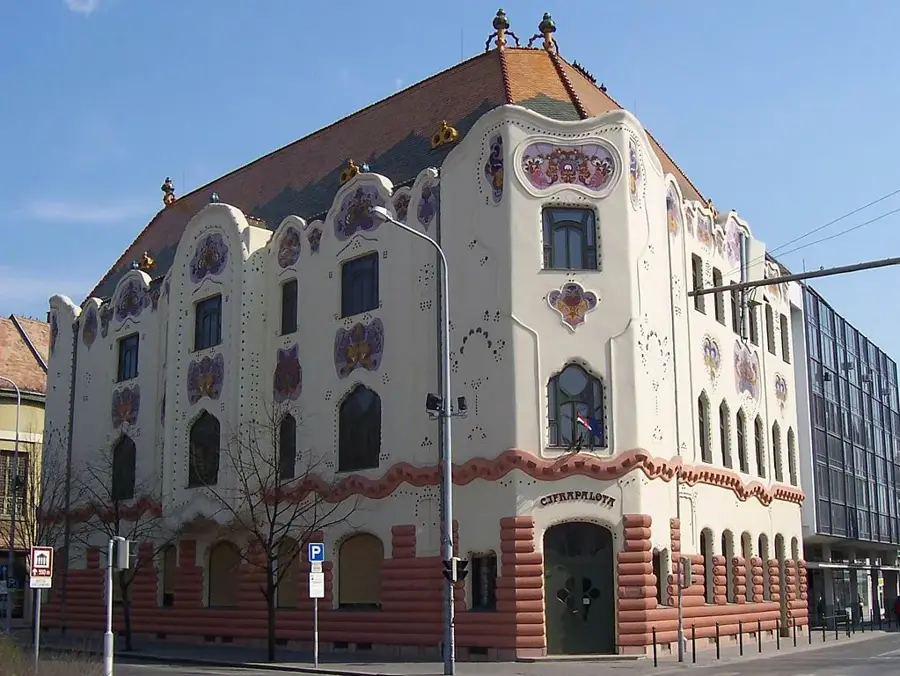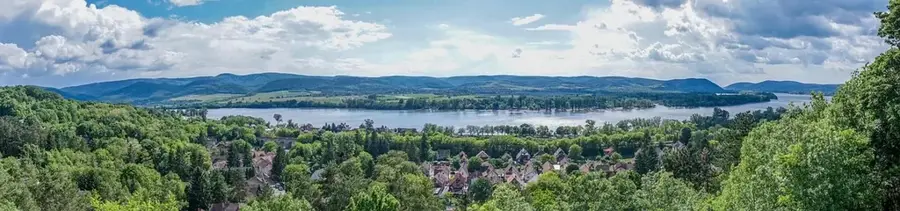
Plans unveiled for the renewal of Cifra Csárda
The renovation plans for the historical Cifra Csárda were presented to the public in Nagykőrös. The investment aims to save the iconic building and reintegrate it into the city's community life.
Plizio Visual Lab
Look for local cherry products like jams, preserves, or the famous cherry brandy (pálinka).
Try the freshly fried flatbread (lángos) at the large local market.
The region is famous for poultry; try roasted duck or goose in local eateries.
A massive open-air market with fresh produce, clothing, and household goods.
Look for small farm stalls in the area selling honey and homemade syrups.
A protected oak forest on the edge of town, first-rate for quiet nature walks.
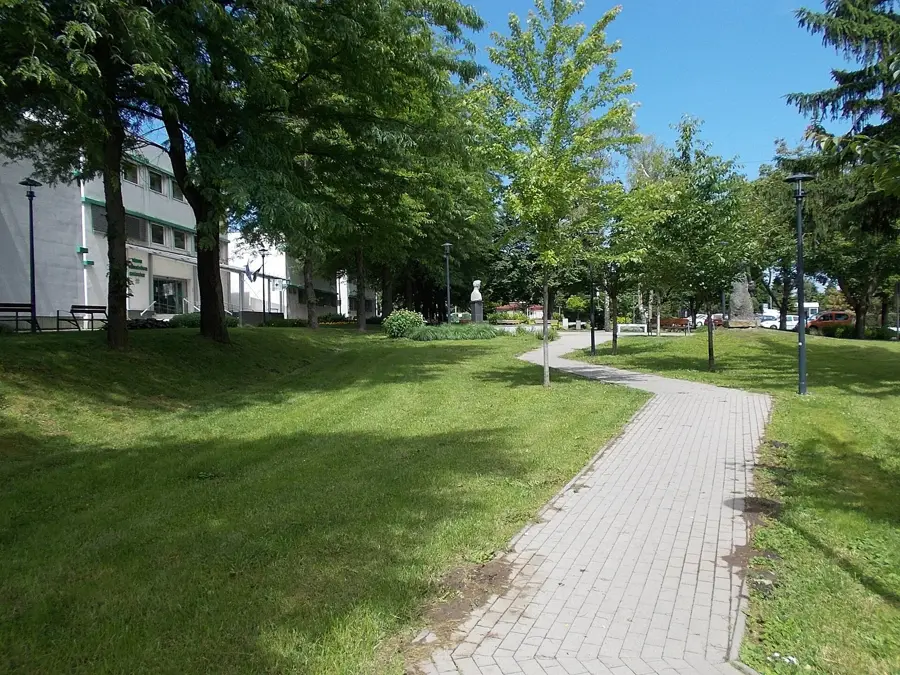
An appealing city park with old trees, convenient for a peaceful break in the shade.
Water temperature…
The renovation plans for the historical Cifra Csárda were presented to the public in Nagykőrös. The investment aims to save the iconic building and reintegrate it into the city's community life.
Illegal tree felling in Kálvin Square could lead to fines worth tens of millions of forints. The case caused significant public outcry, and city leadership launched an investigation to establish responsibility.
A rare pair of animal twins can be seen by visitors at the Nagykőrös Safari Park during the long weekend. The arrival of the newborns represents a significant tourist attraction for both the park and the city.
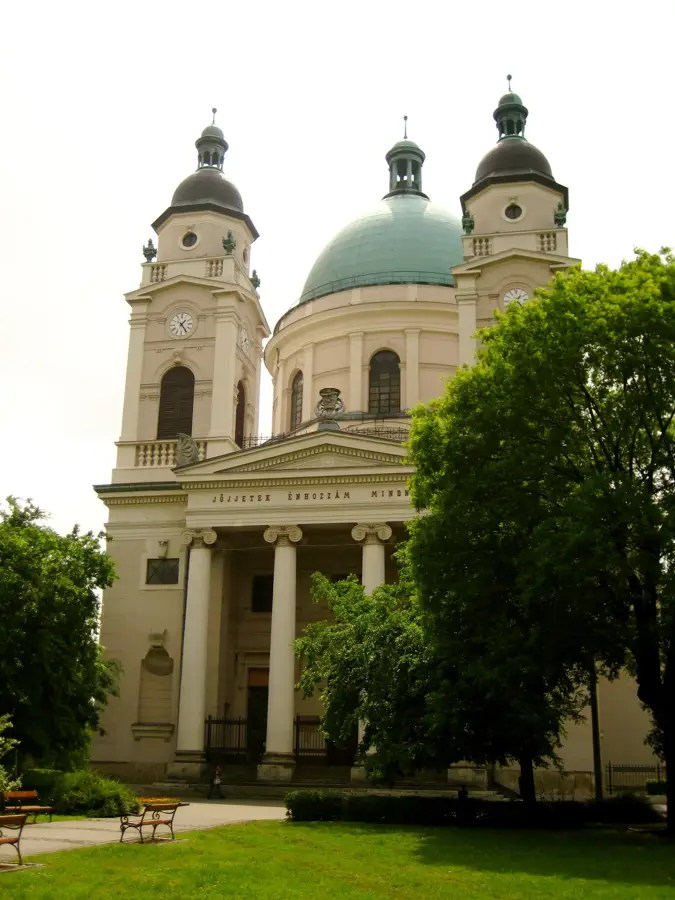
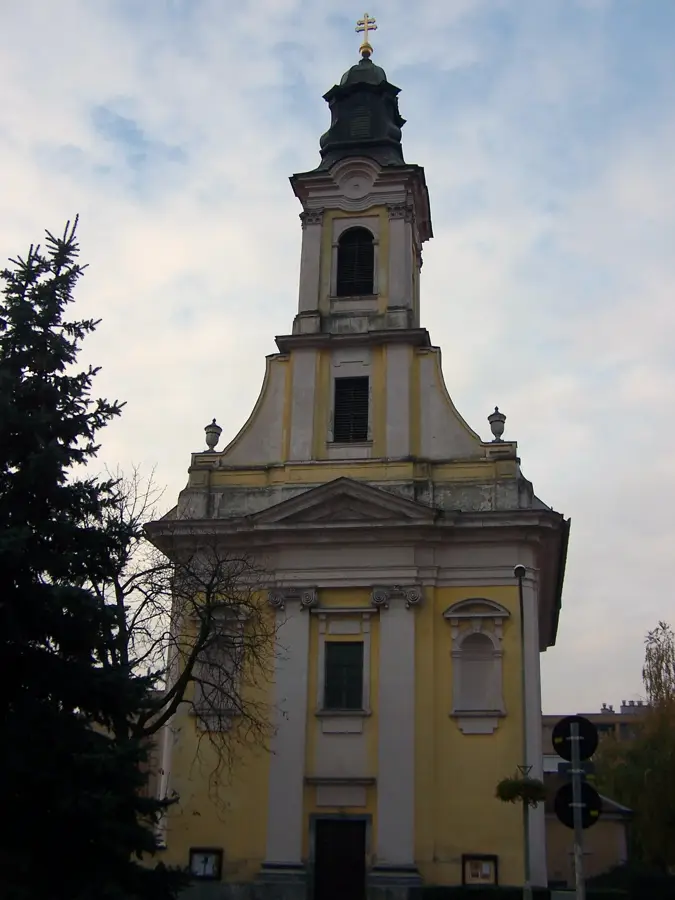
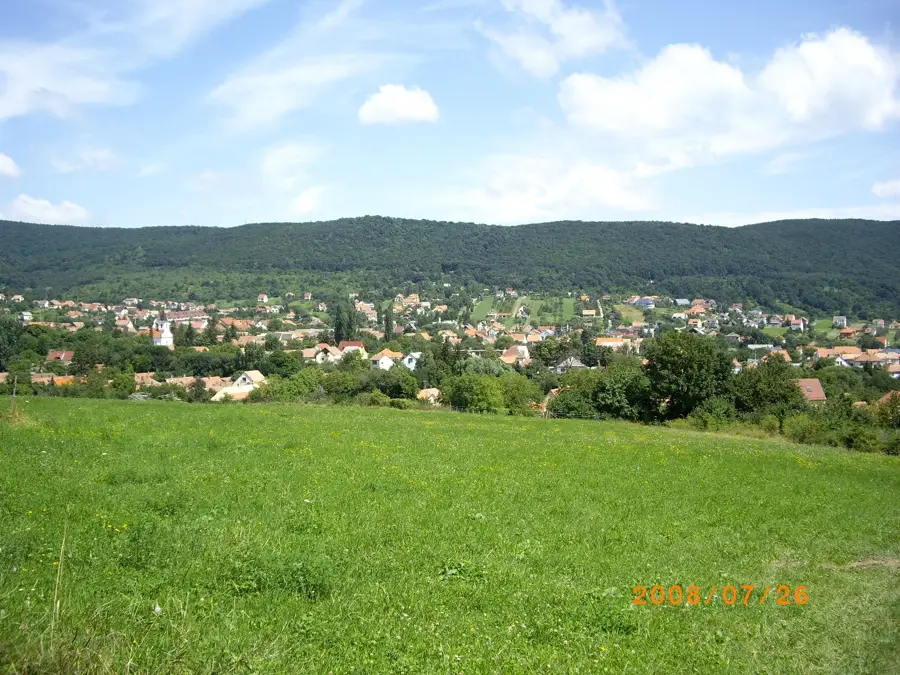
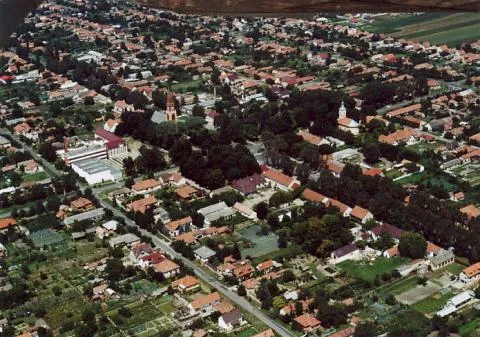
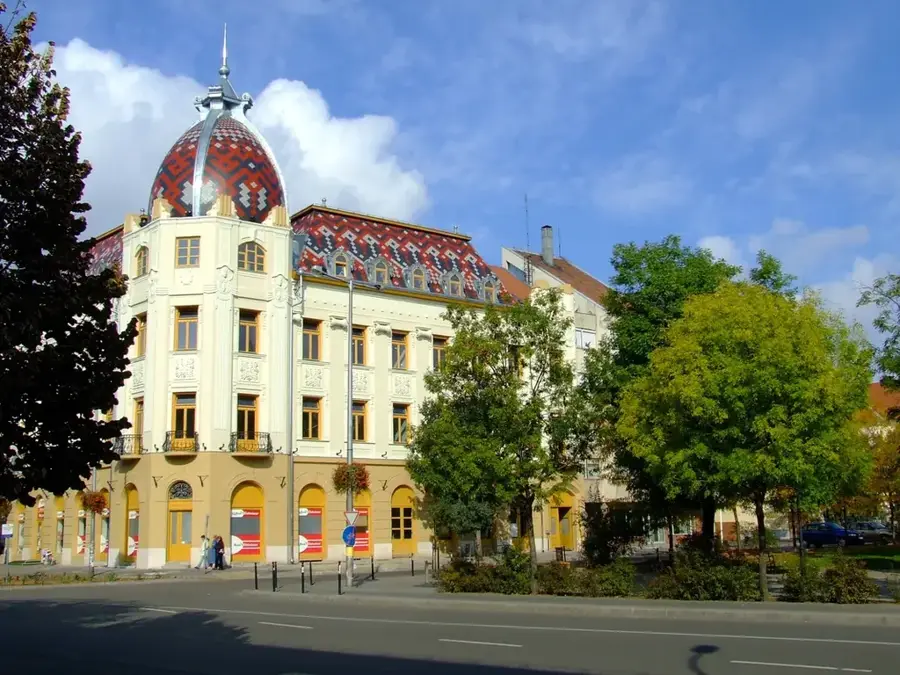
Nagykőrös is a historic town located in the southeastern part of Pest County, situated in the Great Hungarian Plain between the Danube and Tisza rivers. First documented in 1307, the settlement evolved into a significant market town over the centuries, playing a vital role in regional trade. The town is most famous for its connection to the renowned Hungarian poet János Arany, who taught at the local Reformed Gymnasium between 1851 and 1860. Its architectural landscape is defined by the Reformed Church, which stands on 15th-century Gothic foundations, and the elegant Baroque City Hall. Historically, the town's economy has been rooted in agriculture, particularly fruit cultivation, with its apricots and apples gaining national recognition. Today, Nagykőrös remains a cultural and educational hub, preserving its rich literary heritage and traditional folk customs while adapting to modern economic challenges.
Explore on the map
Find cities, landscapes and regions in 10 varied challenges on the interactive map.
Your journey, your memory
Turn your own photo into a personal postcard with a local stamp. Free and no sign-up required.
Create a postcardThe most pleasant time to visit is Jun, Aug, Sep.
| Jan | Feb | Mar | Apr | May | Jun | Jul | Aug | Sep | Oct | Nov | Dec | |
|---|---|---|---|---|---|---|---|---|---|---|---|---|
| Avg °C | -1 | 1 | 6 | 12 | 17 | 22 | 24 | 24 | 18 | 12 | 6 | 0 |
| Rain mm | 35 | 39 | 38 | 38 | 63 | 80 | 67 | 55 | 54 | 49 | 41 | 43 |
Notable places around
Where do you start? We build the route here, with stops and country notes along the way.
© OpenStreetMap contributors · OpenRouteService