Built Heritage of the Shipyard – Guided Tour
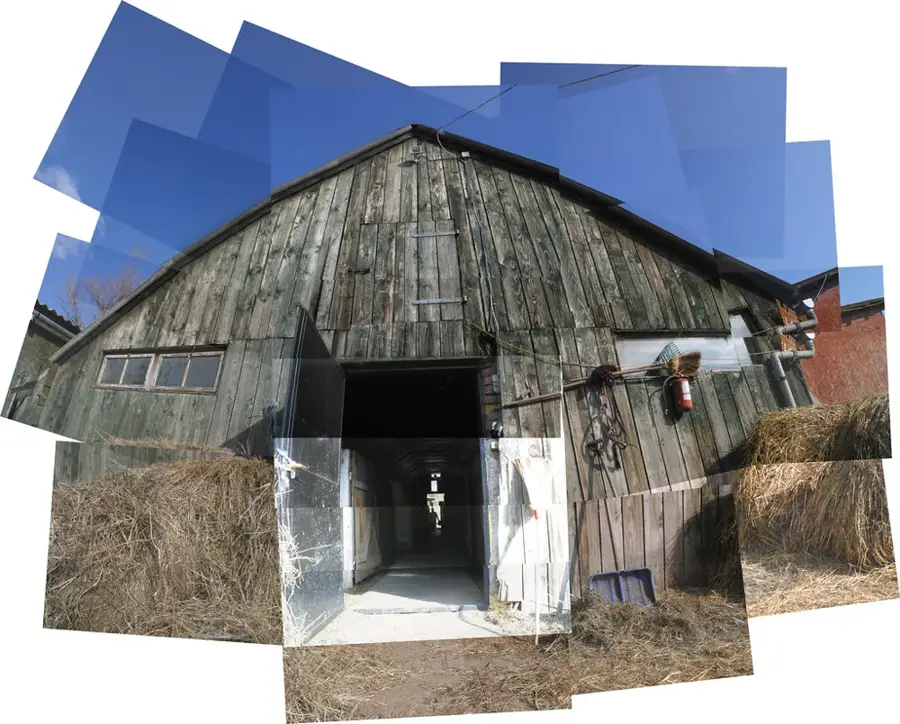
An outdoor guided program on Kórház Street focused on the architecture and design history of the former shipyard.
Plizio Visual Lab
A classic dish to try in the historic, traditional taverns near the main square.
Grab a fresh, garlic-topped lángos at the Flórián tér underpass, a legendary quick bite for locals.
Enjoy local brews at one of the cozy pubs tucked away in the old streets off Fő tér.
Best visited on a Saturday morning for a bustling selection of fresh local produce and meats.
Stroll the older side streets to find small shops filled with vintage treasures and retro items.
A massive park just a short walk from the center, convenient for riverside strolls under giant trees.
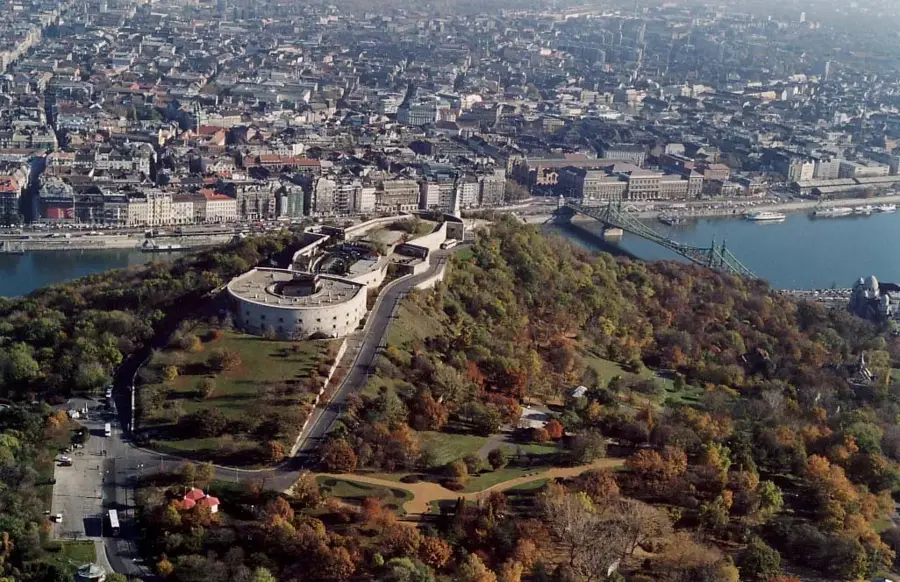
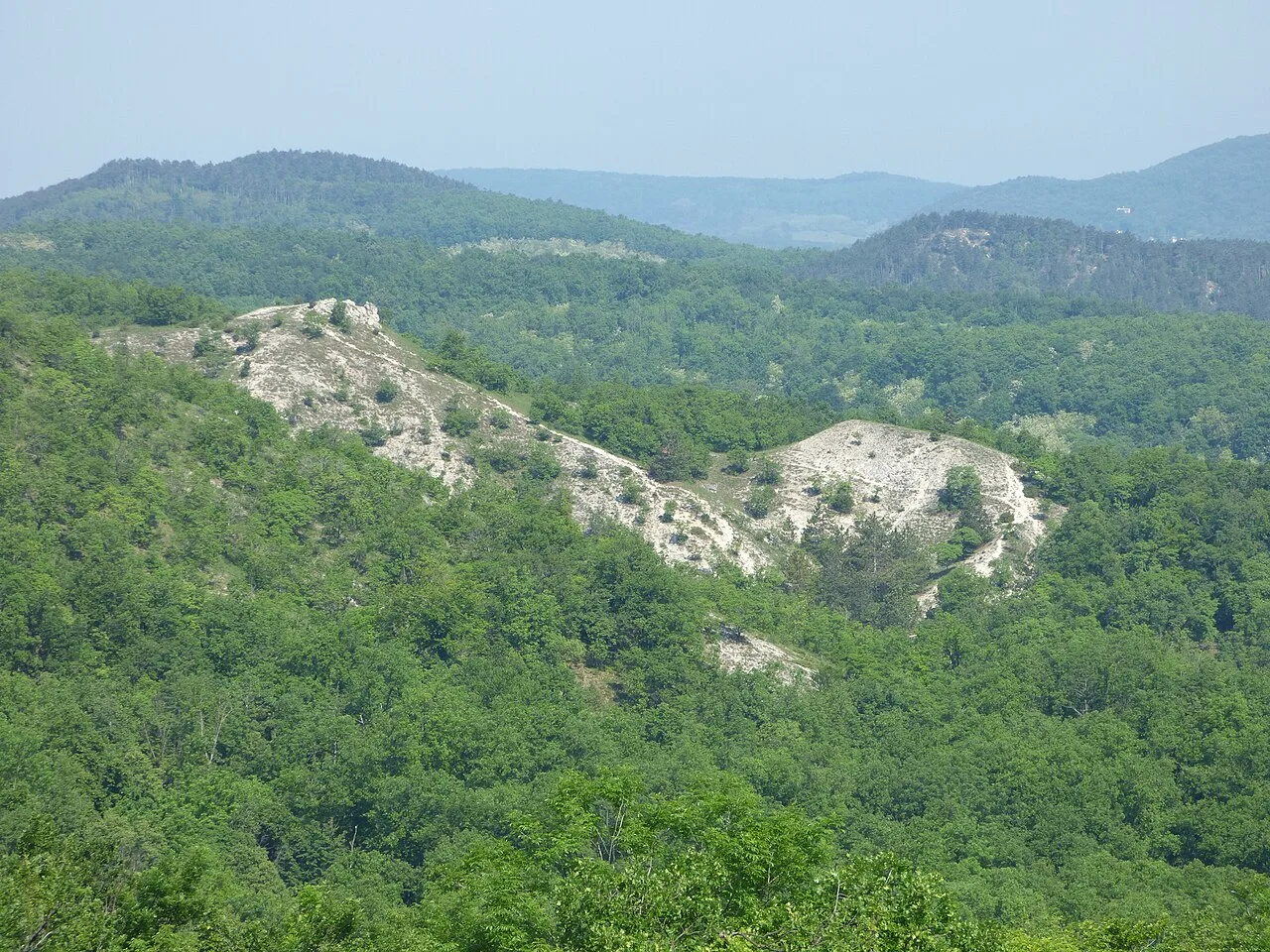
The forested hill surrounding the museum features a peaceful escape and lovely views over the city.
Water temperature…
An outdoor guided program on Kórház Street focused on the architecture and design history of the former shipyard.
A temporary Óbuda Museum exhibition on miniature gastronomy, part of the “Hagyományainkból táplálkozunk” series.
An extended exhibition of children’s drawings from the Aelia Sabina art school in Óbuda.
A small exhibition at the Óbudai Platán Library featuring drawings by author and illustrator Dániel András.
A temporary exhibition at the Óbuda Museum about the history, technology, and workers of the local shipyard.
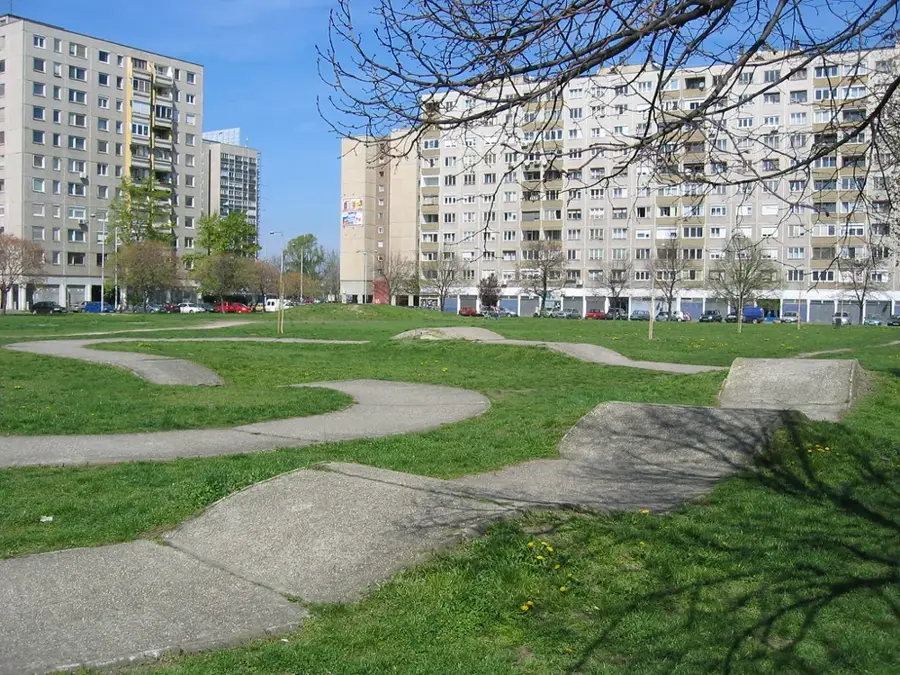
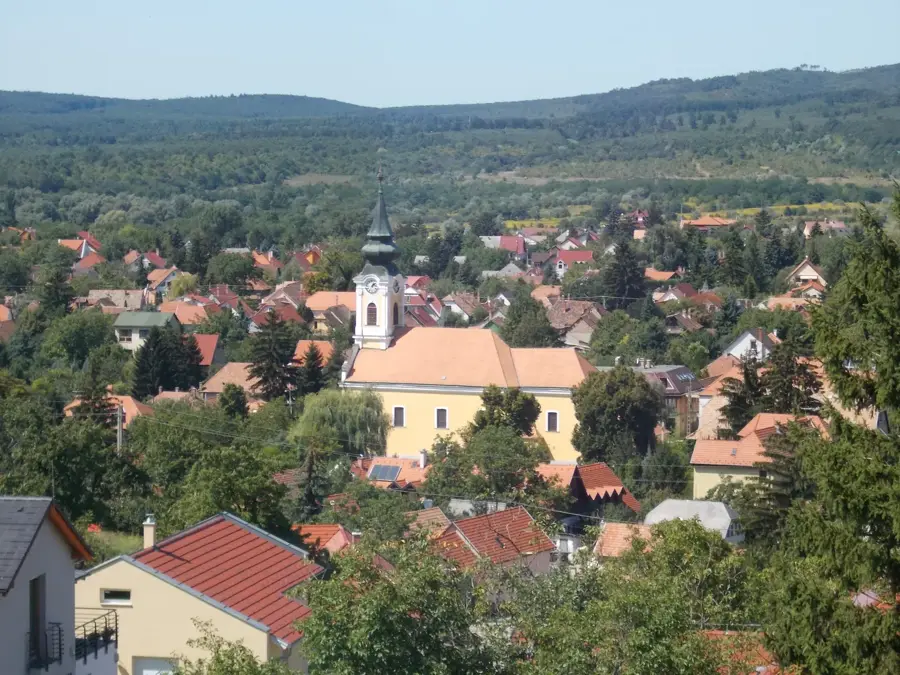
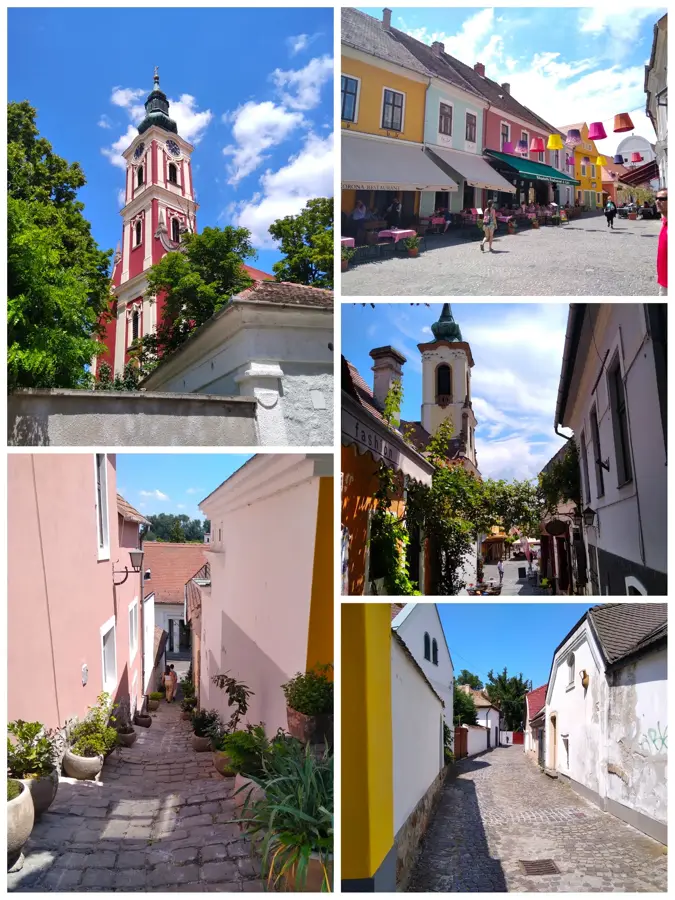
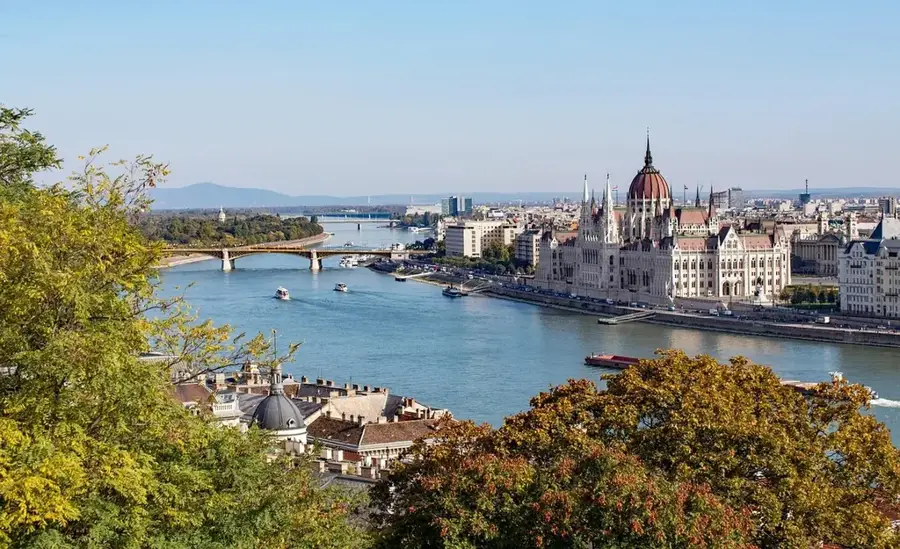
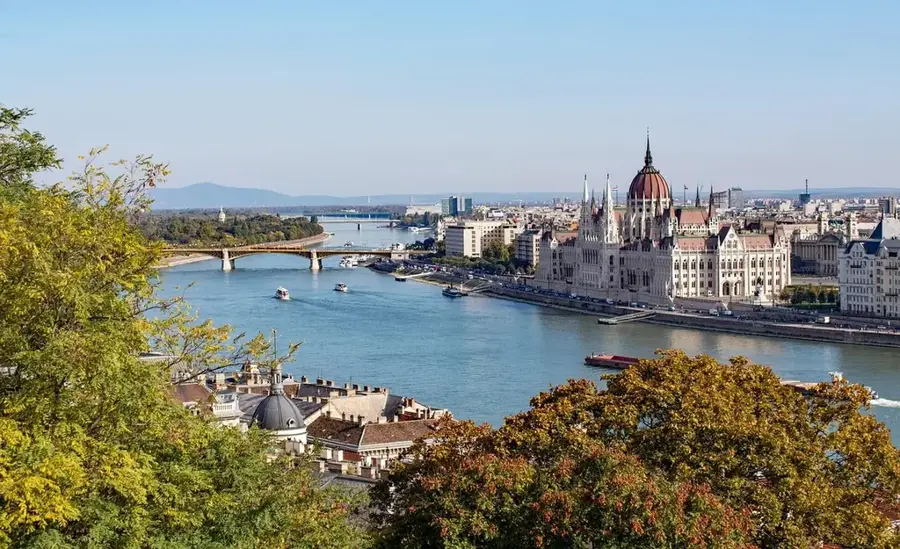
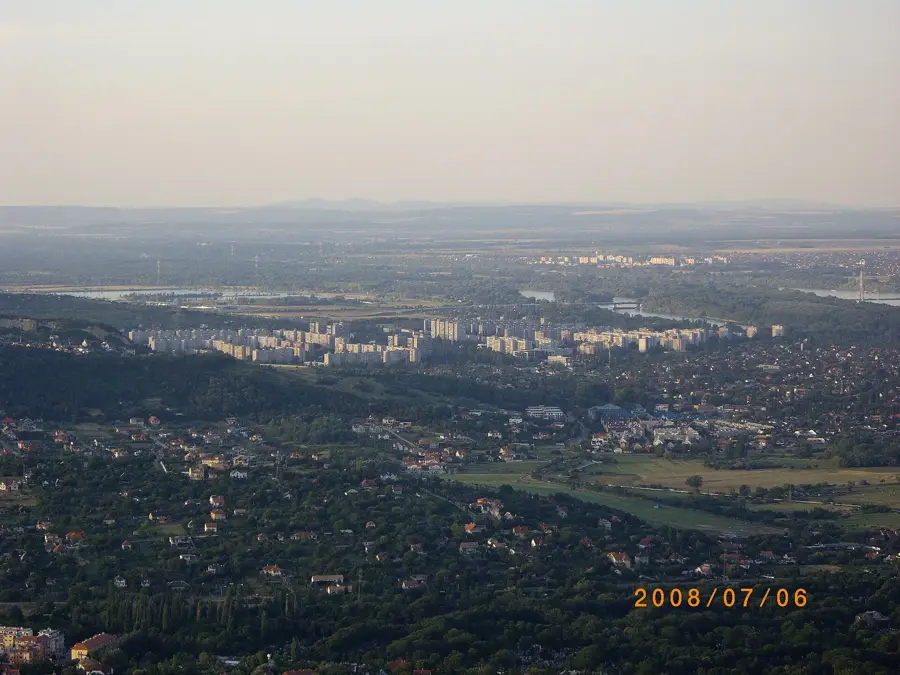
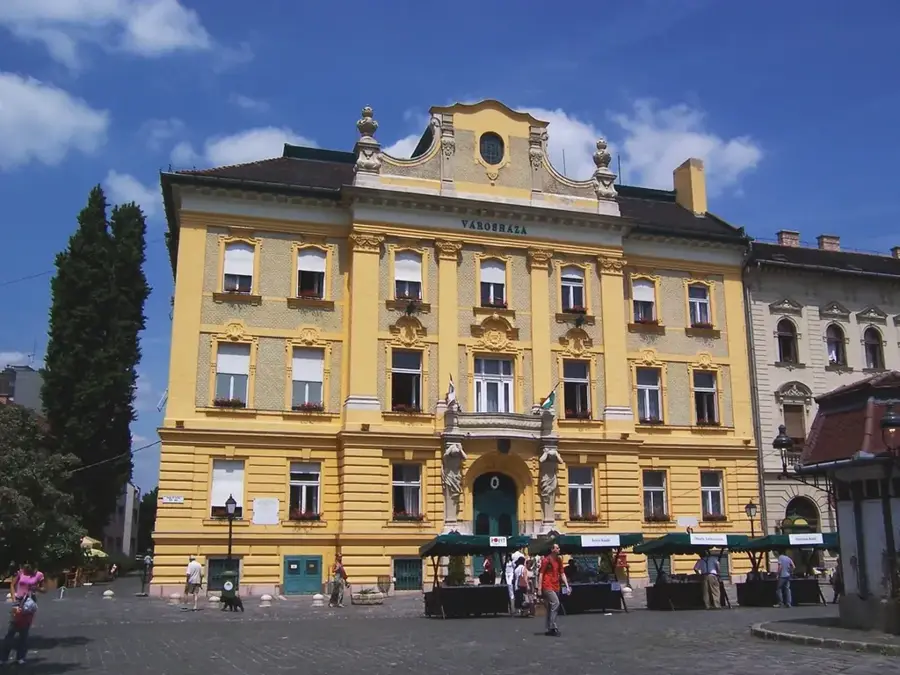
Óbuda is the oldest and most historically significant part of Budapest, currently forming the core of the city's 3rd District. Its history dates back to the Roman era, when it served as Aquincum, the capital of the province of Pannonia, featuring two amphitheatres and extensive urban infrastructure whose ruins remain prominent today. During the Middle Ages, Óbuda was a major royal seat and the traditional residence of Hungarian queens, later becoming the estate of the Zichy family following the Ottoman occupation. In 1873, Óbuda merged with Buda and Pest to establish the unified metropolis of Budapest, though it long retained its small-town atmosphere characterized by vineyards and artisan workshops. Despite large-scale redevelopment into residential estates in the 1970s, the historic center around Fő tér (Main Square) has preserved its cobblestone streets and Baroque architecture. Today, Óbuda is a unique blend of ancient history and modern life, notably hosting the internationally famous Sziget Festival on its Shipyard Island.
Explore on the map
Find cities, landscapes and regions in 10 varied challenges on the interactive map.
Your journey, your memory
Turn your own photo into a personal postcard with a local stamp. Free and no sign-up required.
Create a postcardThe most pleasant time to visit is Jun–Aug.
| Jan | Feb | Mar | Apr | May | Jun | Jul | Aug | Sep | Oct | Nov | Dec | |
|---|---|---|---|---|---|---|---|---|---|---|---|---|
| Avg °C | -2 | 0 | 5 | 11 | 16 | 21 | 23 | 22 | 17 | 11 | 5 | 0 |
| Rain mm | 39 | 40 | 41 | 35 | 65 | 70 | 66 | 63 | 57 | 51 | 44 | 43 |
Notable places around
Where do you start? We build the route here, with stops and country notes along the way.
© OpenStreetMap contributors · OpenRouteService