Siegen Christmas Market
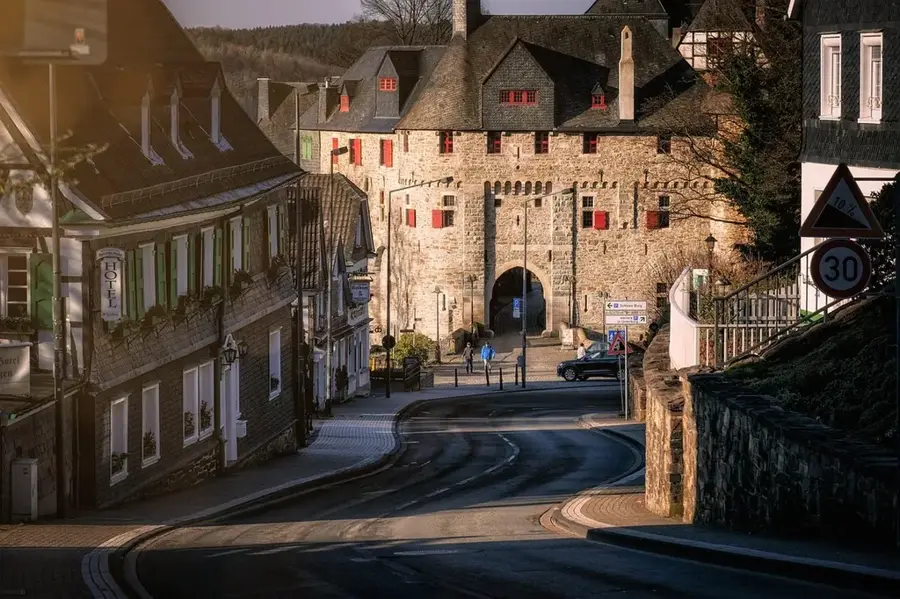
During Advent the upper town with its little crown turns into an atmospheric Christmas market. Mulled wine, crafts and lights shape the historic setting.
Plizio Visual Lab
A local classic consisting of a slice of bread topped with a pork schnitzel and a fried egg. Find it in traditional Brauhaus-style pubs in the Oberstadt.
Siegerland potato bread, often eaten sweet with butter and jam or savory. Grab a fresh loaf from traditional local bakeries.
The region has a strong brewing tradition (like Krombacher or Erzquell). Enjoy a cold draft beer in a tavern near the marketplace.
The steep streets of the historic upper town are lined with small, independent boutiques and craft shops.
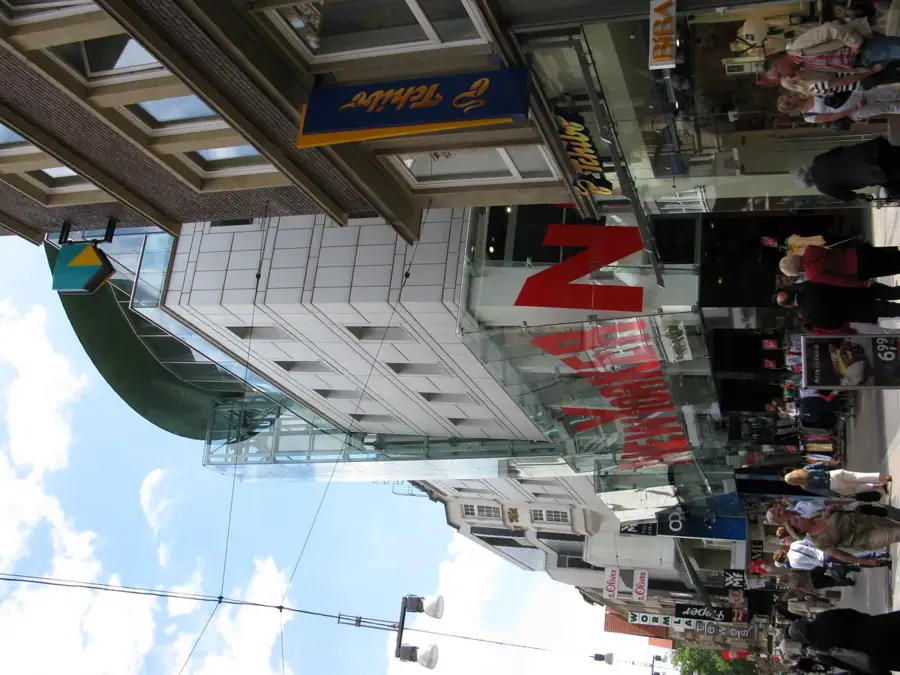
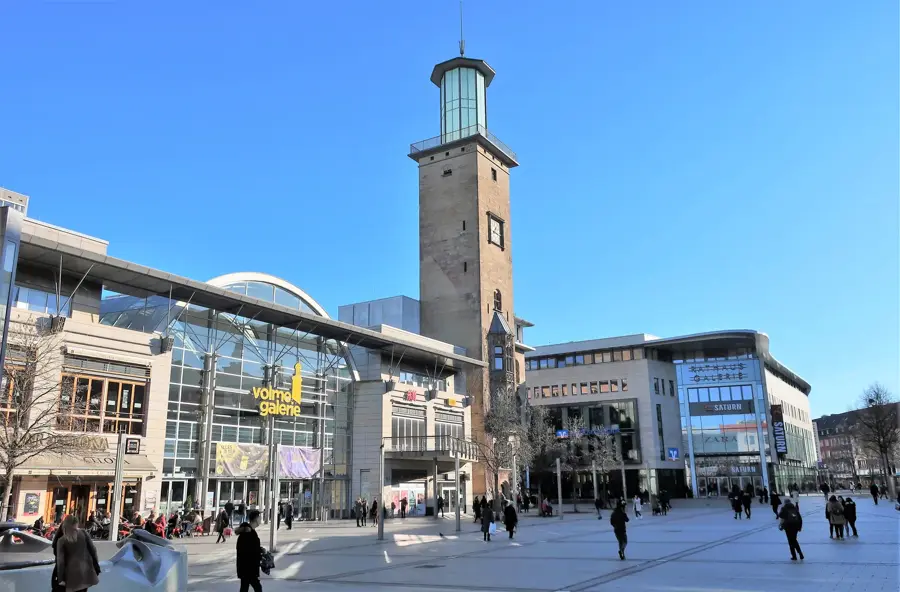
For modern retail therapy, head to this central shopping mall and the adjacent pedestrian street.
A beautifully maintained park around the upper castle, offering magnificent floral displays and panoramic views over the city.
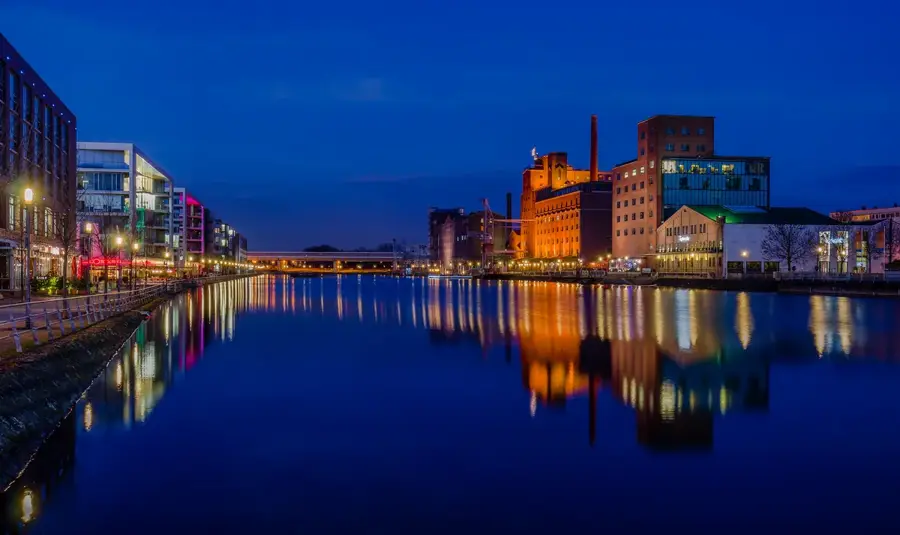
The revitalized riverbanks in the city center feature terraced steps where locals sit to relax directly by the water.
Water temperature…
During Advent the upper town with its little crown turns into an atmospheric Christmas market. Mulled wine, crafts and lights shape the historic setting.
In summer Siegen's city centre hosts a large festival with stages, music and food stalls. It is one of the biggest events in the South Westphalia region.
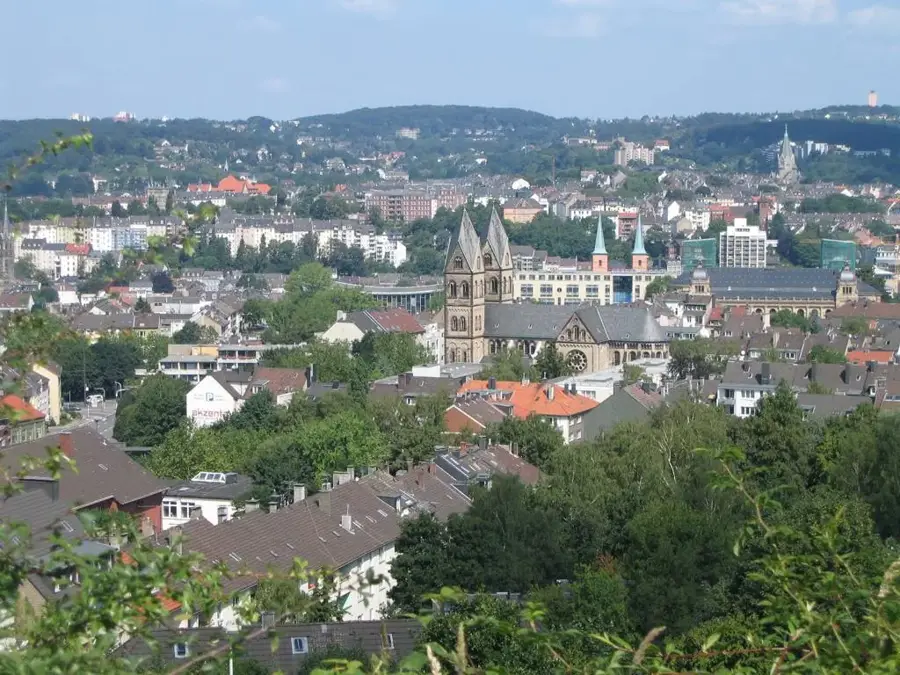
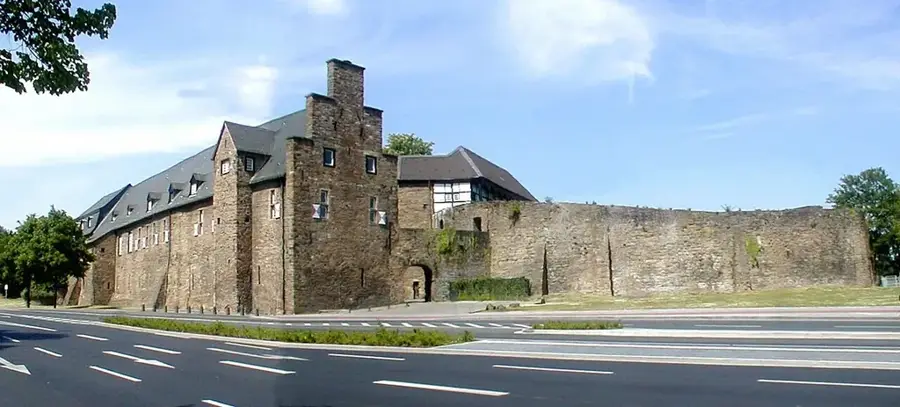
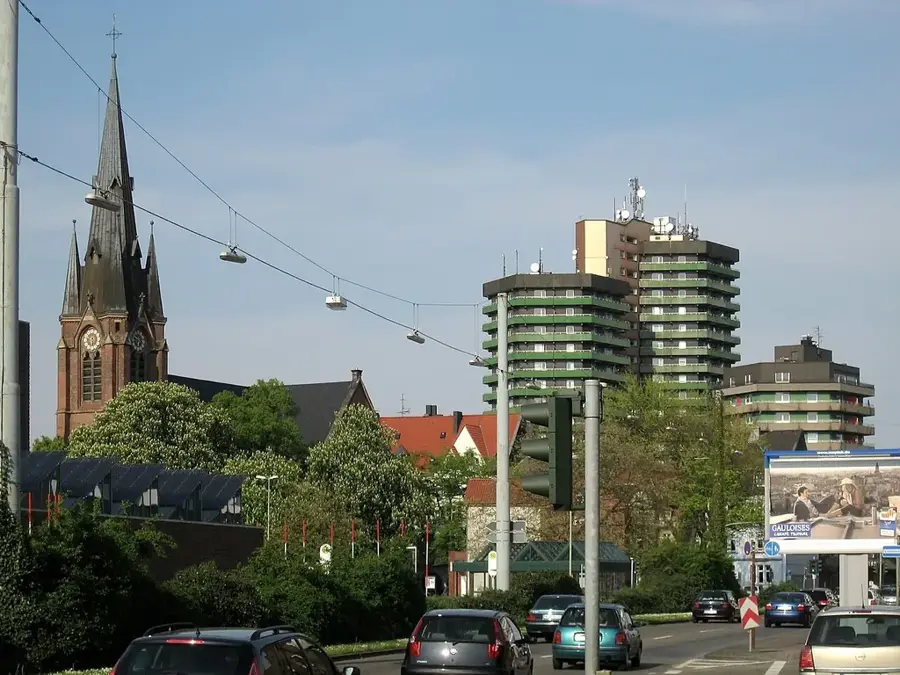
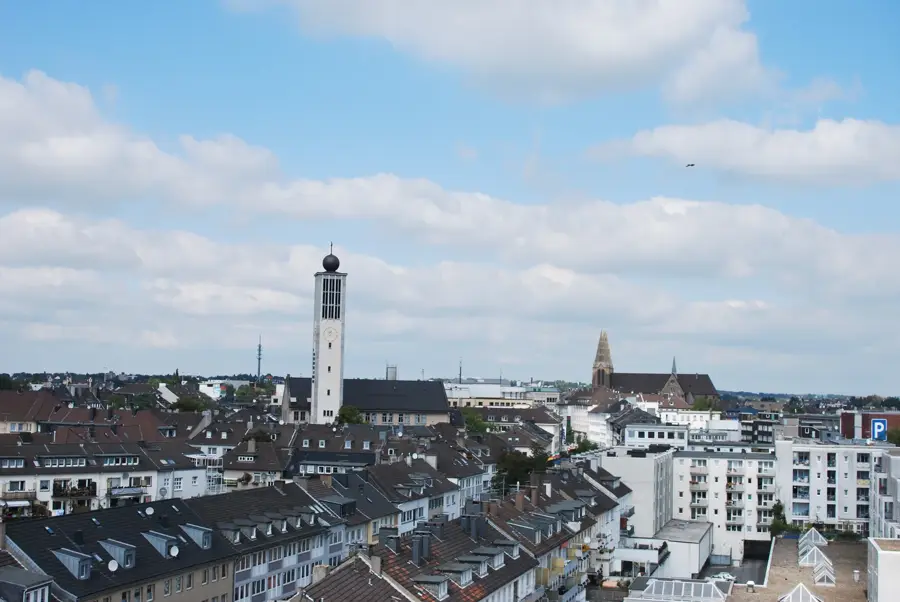
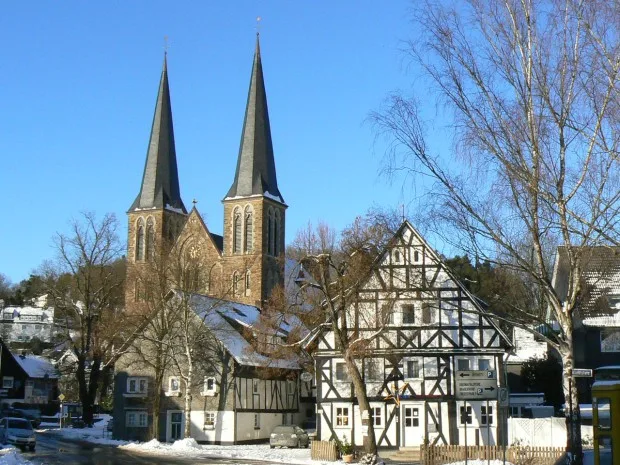
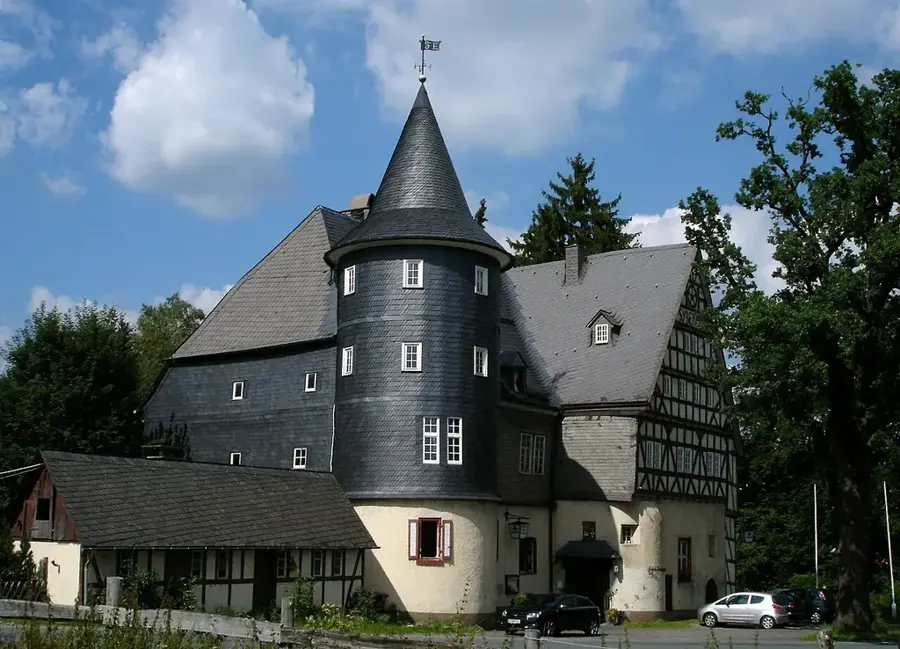
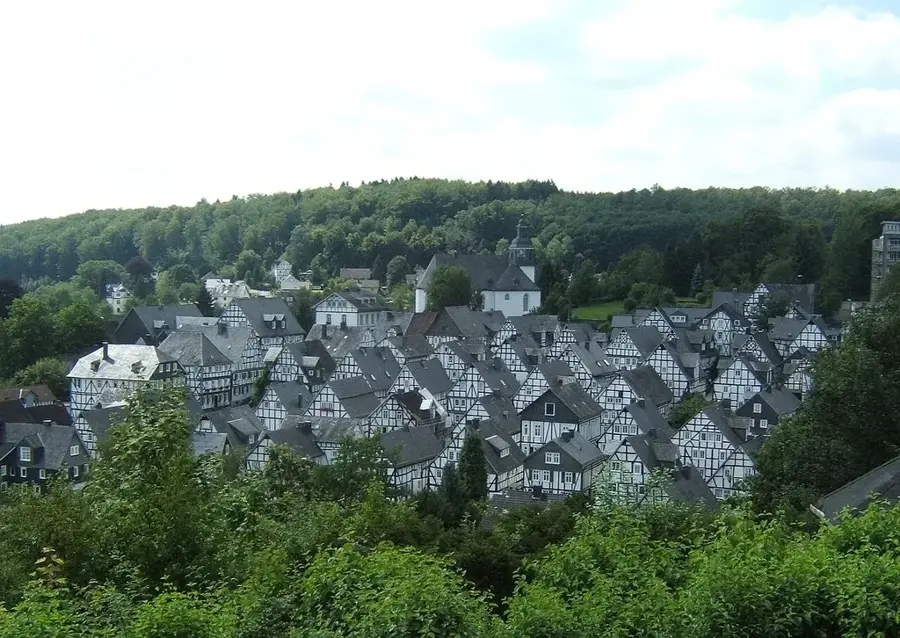
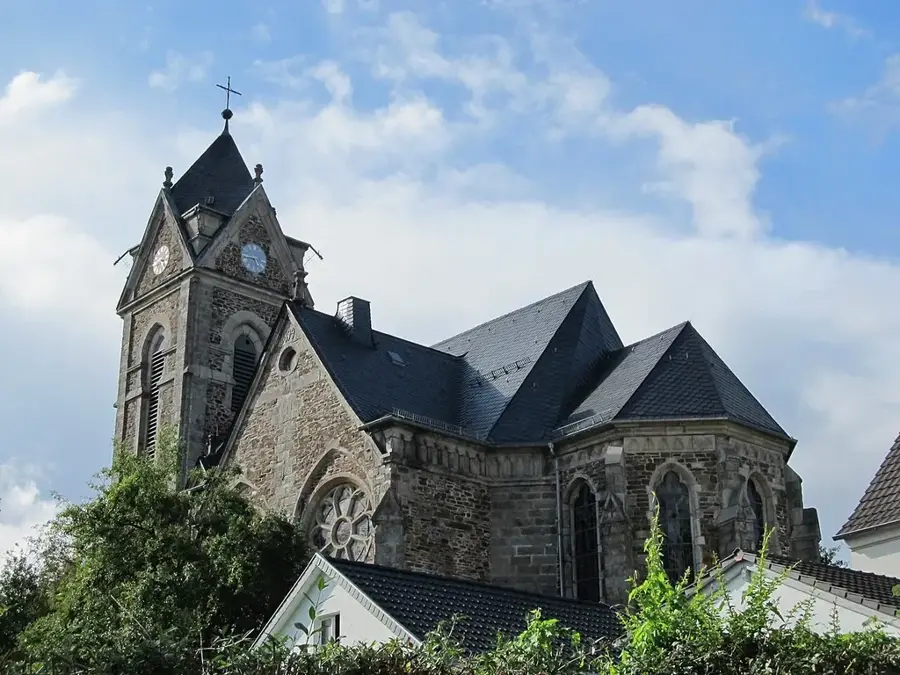
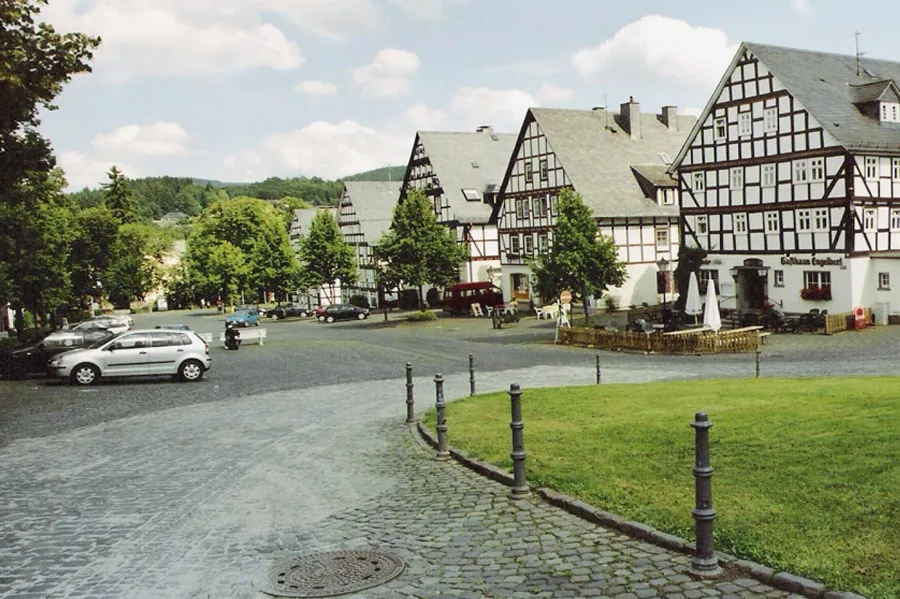
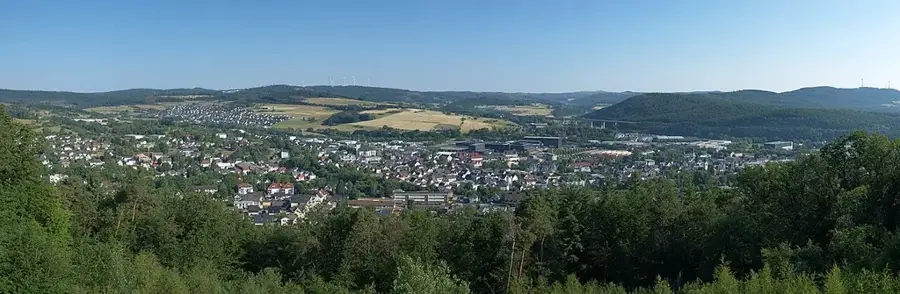
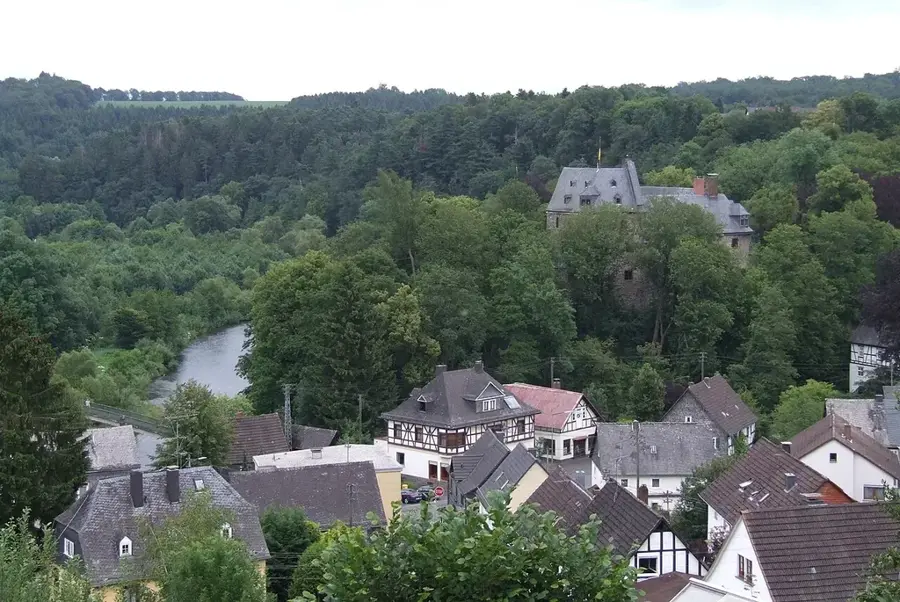
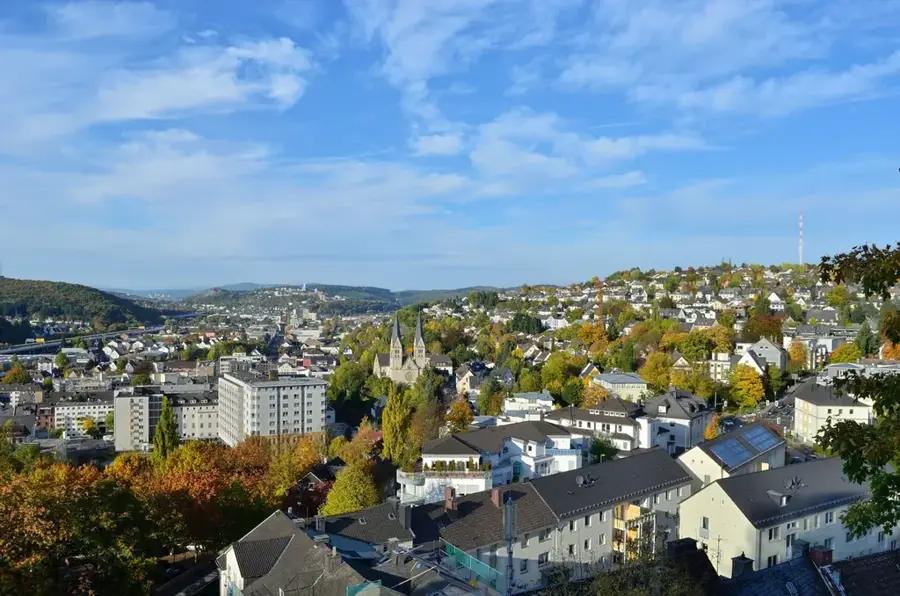
Siegen is a university city in the Arnsberg district of North Rhine-Westphalia and functions as the primary center for the South Westphalia region. The city is inseparably linked to the name of the painter Peter Paul Rubens, who was born here in 1577, which is why it officially calls itself the 'City of Rubens' (Rubensstadt). Architecturally, the cityscape is characterized by the Upper and Lower Palaces, which were former residences of the Nassau rulers and now house museums. Historically, Siegen was a significant center for iron smelting and mining for centuries, based on the rich ore deposits in the Siegerland. The Siegerland Museum today shows the development of these industries as well as an extensive collection of works by the Baroque painter Rubens. As a modern educational city, Siegen is home to a university with around 18,000 students, who contribute significantly to the cultural and economic dynamics of the region.
Explore on the map
Find cities, landscapes and regions in 10 varied challenges on the interactive map.
Your journey, your memory
Turn your own photo into a personal postcard with a local stamp. Free and no sign-up required.
Create a postcardThe most pleasant time to visit is Jun–Aug.
| Jan | Feb | Mar | Apr | May | Jun | Jul | Aug | Sep | Oct | Nov | Dec | |
|---|---|---|---|---|---|---|---|---|---|---|---|---|
| Avg °C | -1 | 0 | 3 | 8 | 12 | 15 | 18 | 17 | 13 | 9 | 4 | 1 |
| Rain mm | 89 | 68 | 66 | 52 | 78 | 76 | 87 | 84 | 69 | 69 | 81 | 91 |
See what it looks like near Siegen right now.
Siegen › South-east · 0.6 km · Open webcam on Windy · Webcams provided by Windy.com
Notable places around
Where do you start? We build the route here, with stops and country notes along the way.
© OpenStreetMap contributors · OpenRouteService
Start your day at the Lower Palace and explore the Baroque architecture of the Upper City. After visiting St. Nicholas Church with its golden crown, head to the Museum of Contemporary Art. Spend the afternoon at the Upper Palace and its magnificent park, finally ending the day at the historical city walls with views over the Siegerland region.
This bike tour combines the green Sieg river with the historical heights of the city. After a relaxed start on the riverbank, the climbs to the Upper City will test your fitness. You'll be rewarded with cultural highlights at the Lower and Upper Palaces and deep insights into city history at the Active Museum.
Discover Siegen comfortably in three clusters. First, explore the Lower Palace and the Museum of Contemporary Art. Then drive to the Upper City to the market square and its historical churches. Spend the afternoon on the heights at the Upper Palace and its gardens before concluding the tour in the lower city center.