Harbour Festival
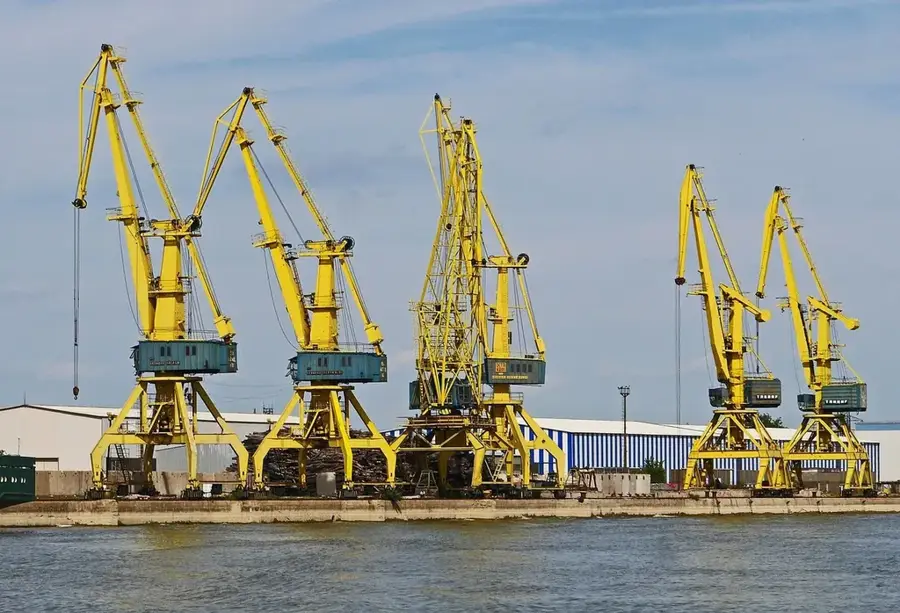
In summer the city marina turns into a maritime festival mile with boats, music and food. Visitors enjoy harbour flair right by the water.
Plizio Visual Lab
Try this local river fish at one of the riverside restaurants.
Enjoy a hearty local beef dish at a traditional inn in the old town.
Taste these regional pancake-style treats at a cozy cafe in the center.
Stroll down the main shopping street to find a variety of independent boutiques.
Pick up local specialties like Brandenburg honey or mustard from specialty stores.
The cobblestone paths around the cathedral offer great tranquility away from traffic.
Walk up this park hill for a relaxing break and a scenic view over the city.
Head just outside the city center for a peaceful afternoon by the lake shore.
Water temperature…
In summer the city marina turns into a maritime festival mile with boats, music and food. Visitors enjoy harbour flair right by the water.
The city's largest folk festival takes place every June around the Jahrtausendbrücke. Over three days there are concerts on several stages, dragon boat and duck races, and a family program by the water.
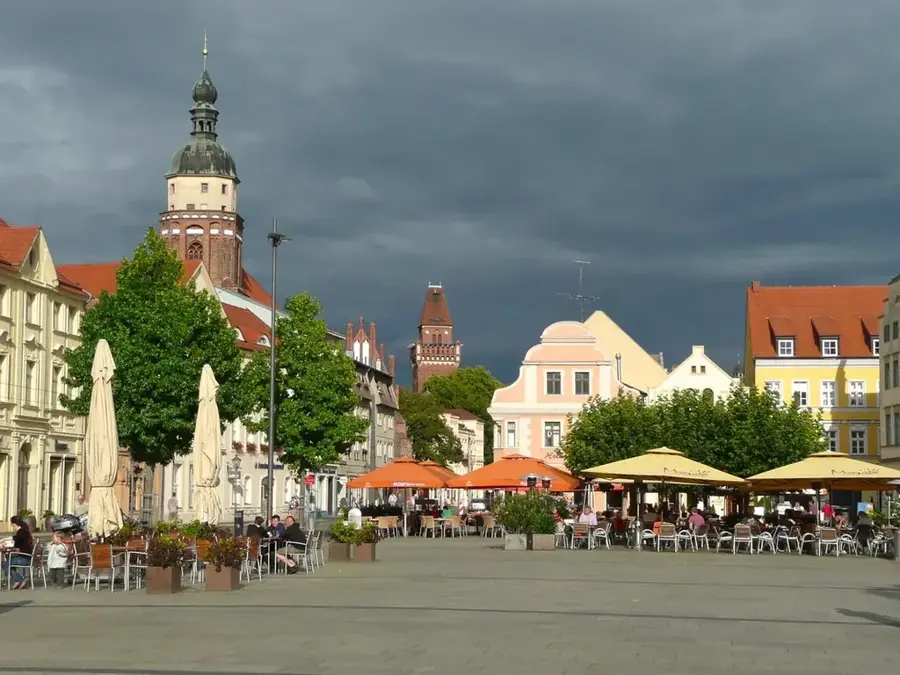
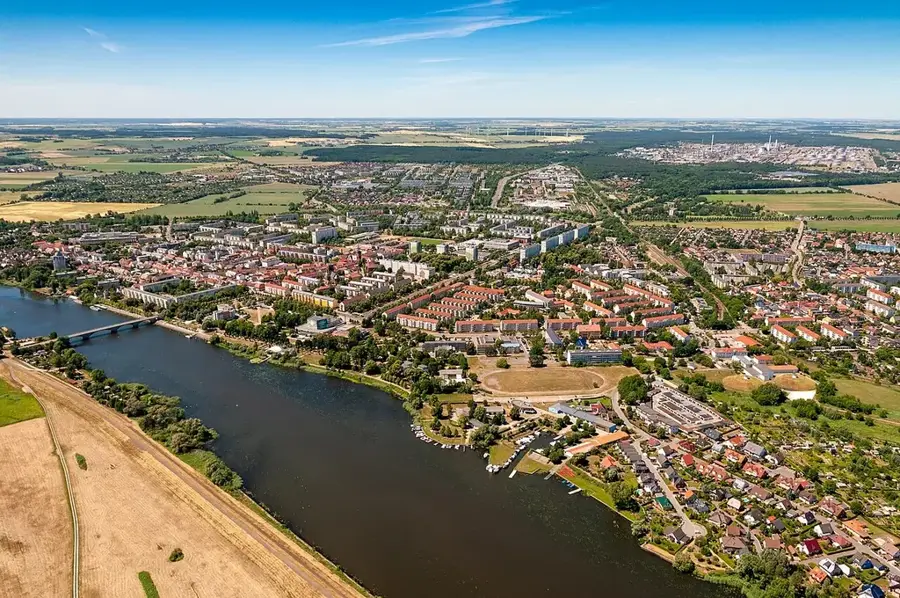
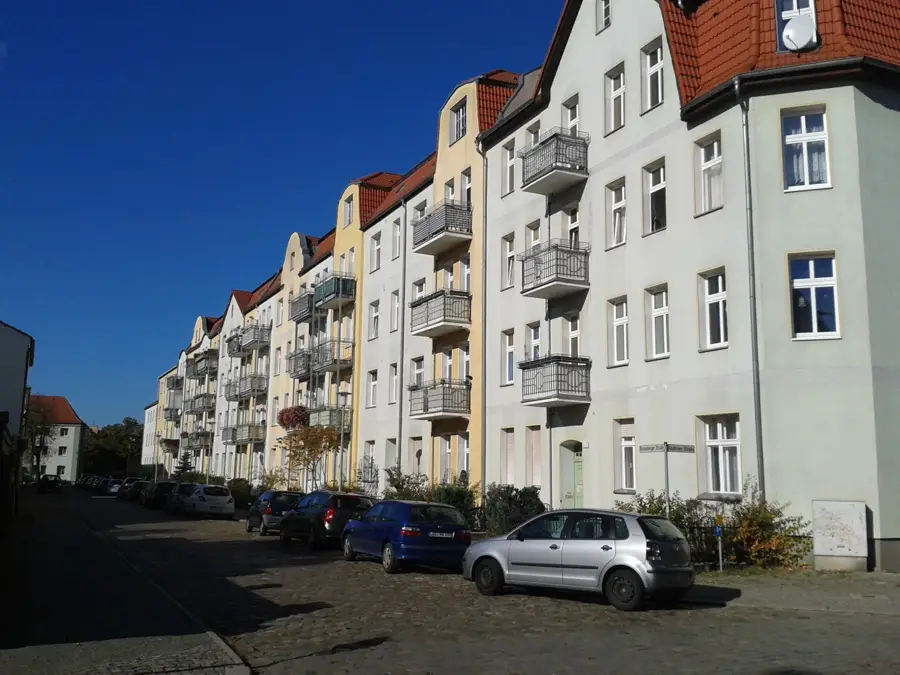
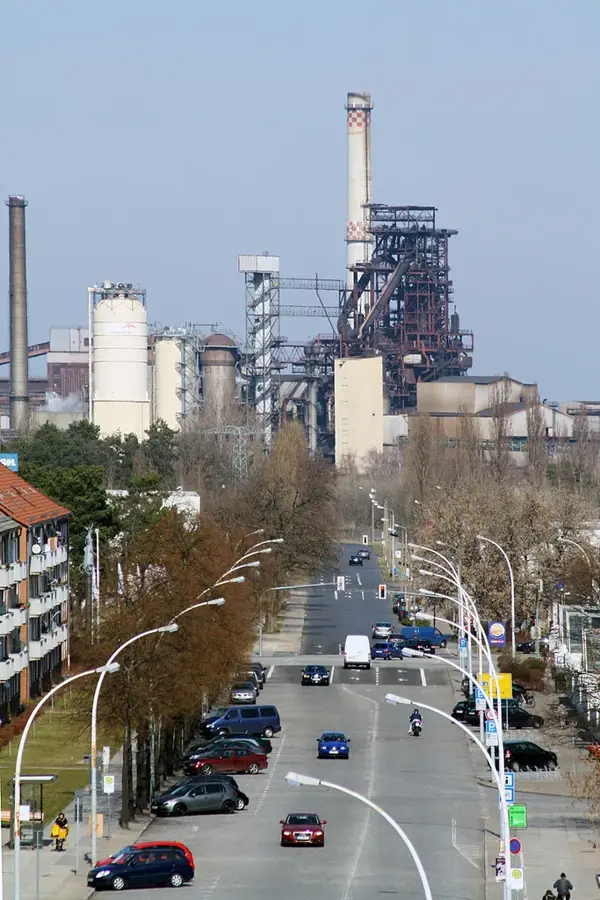
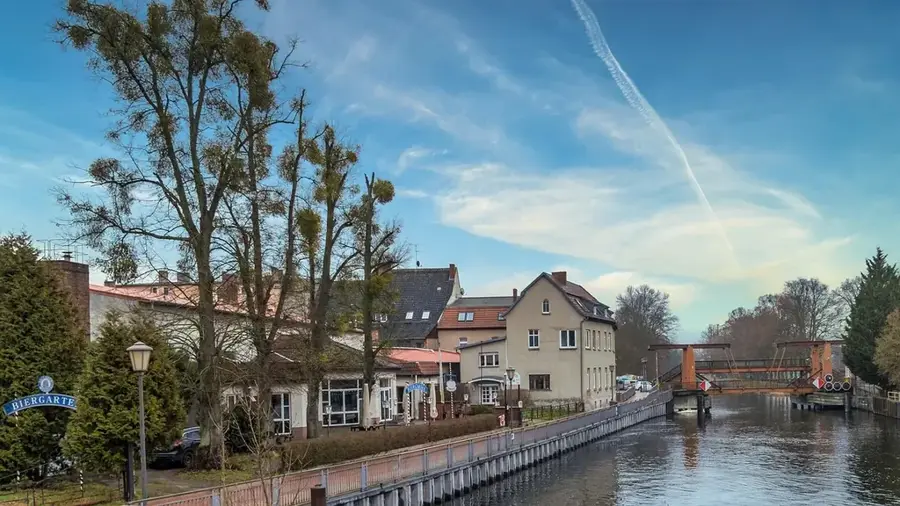
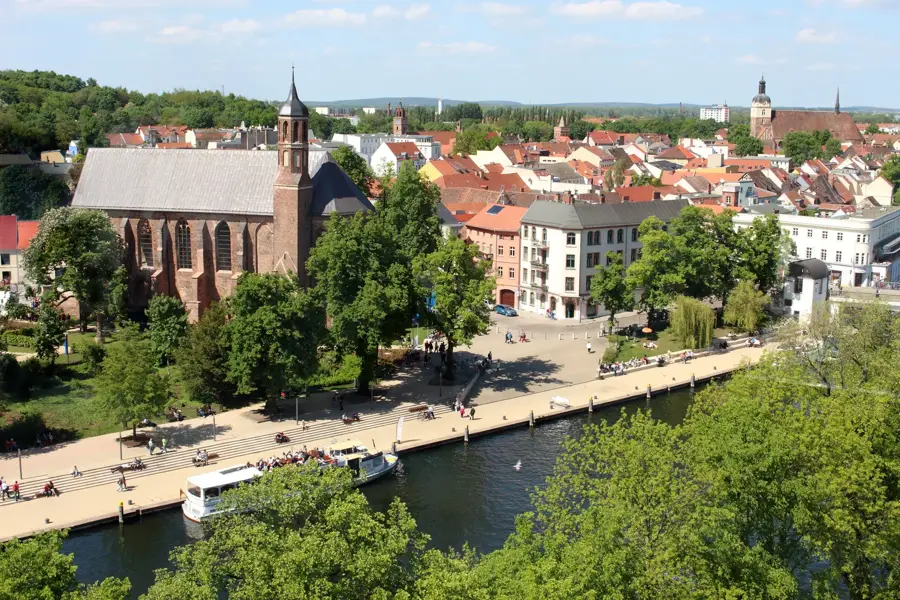
Brandenburg an der Havel is the oldest town in the federal state of the same name and looks back on a history of more than a thousand years. The city is historically divided into three parts: the Old Town, the New Town, and the Cathedral Island, all of which are separated by the River Havel and its canals. Particularly significant is the Cathedral of St. Peter and Paul, whose foundation stone was laid in 1165 and which is considered the mother church of the state of Brandenburg. In addition to sacred buildings, late Gothic brick architecture and the famous Roland statue in front of the town hall characterize the cityscape. During the Industrial Revolution, Brandenburg developed into an important center for steel and tractor production, which left a lasting mark on the city. Today, the town serves as an important regional center and is a major starting point for tourism in the Havelland region due to its waterfront location.
Explore on the map
Find cities, landscapes and regions in 10 varied challenges on the interactive map.
Your journey, your memory
Turn your own photo into a personal postcard with a local stamp. Free and no sign-up required.
Create a postcardThe most pleasant time to visit is Jun–Aug.
| Jan | Feb | Mar | Apr | May | Jun | Jul | Aug | Sep | Oct | Nov | Dec | |
|---|---|---|---|---|---|---|---|---|---|---|---|---|
| Avg °C | 0 | 1 | 4 | 9 | 14 | 18 | 20 | 20 | 15 | 10 | 5 | 1 |
| Rain mm | 56 | 39 | 41 | 29 | 53 | 56 | 82 | 60 | 50 | 49 | 49 | 50 |
Notable places around
Where do you start? We build the route here, with stops and country notes along the way.
© OpenStreetMap contributors · OpenRouteService
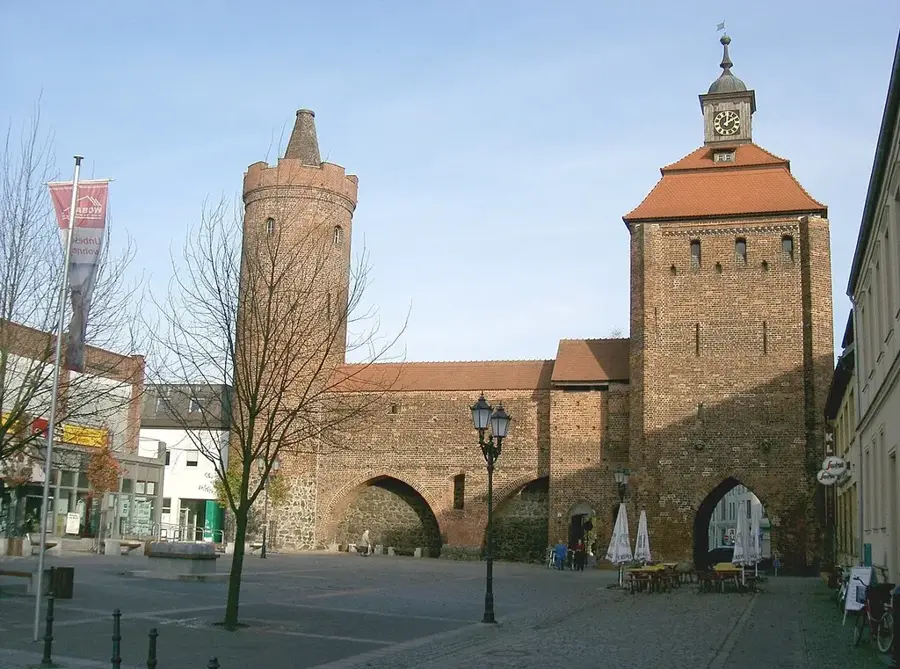
Morning begins with archaeological treasures in the Paulikloster. Walk past the magnificent St. Catherine's to the Millennium Bridge, the city's scenic center. After lunch by the Old Town Hall, visit the historic Cathedral on its own island. Finish the day at the Stone Gate Tower, exploring the medieval fortifications of this water-surrounded city.
This bike tour links the heights of Marienberg with the expansive lake district. After the panorama, cycle through the historic core to Cathedral Island. In the afternoon, a relaxed route leads to Plauer See, perfect for a lakeside break before returning to the New Town.
By car, you can easily link the historic centers with nature. Morning is for the Old Town and the Slavic Village. After moving to Cathedral Island, visit the grand Cathedral and the New Town. Spend your afternoon relaxing by Plauer See, the gateway to the local lake district.
A 32-meter-high observation tower on Marienberg with views over the city and the Havelland region.