Empire of Giants in Nuremberg
Modern metalcore band Empire of Giants live in the historic city of Nuremberg.
Plizio Visual Lab
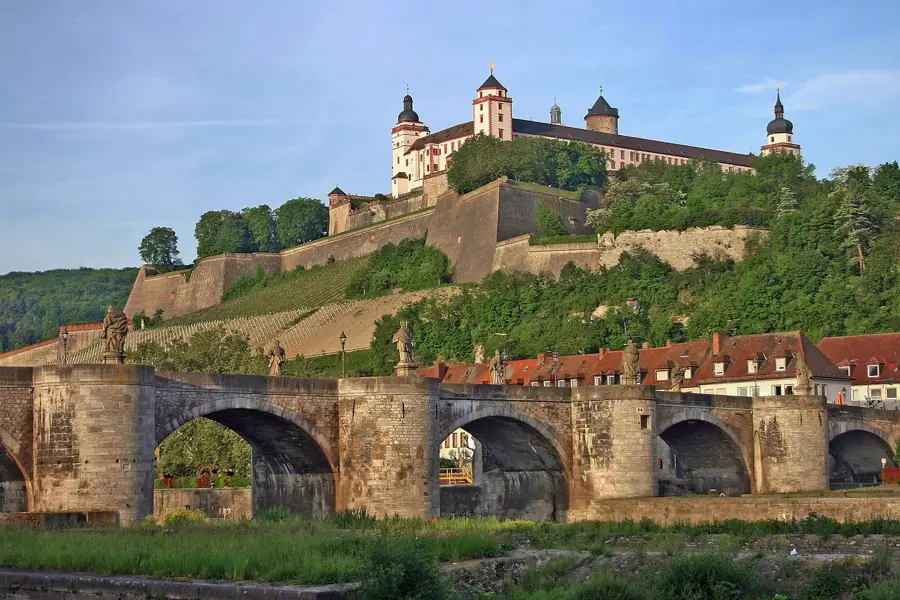
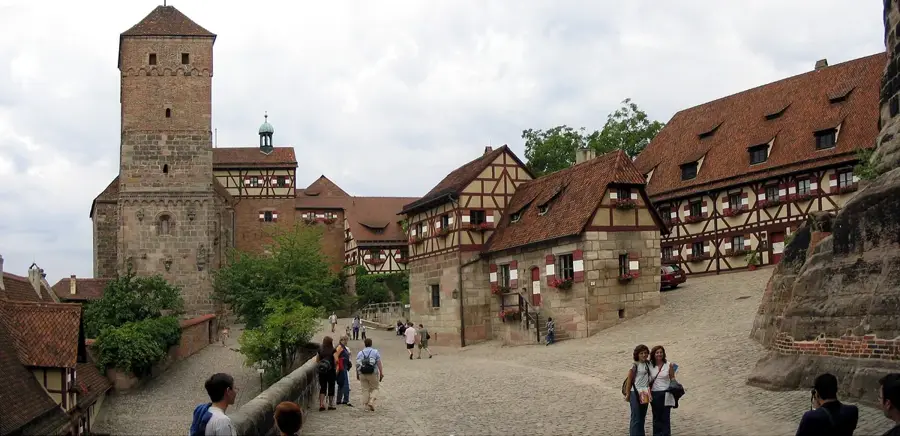
The Imperial Castle in Nuremberg is one of Europe's most significant castle complexes and served as a crucial residence for all emperors of the Holy Roman Empire between 1050 and 1571. The ensemble comprises the Imperial Castle, the Burggrave's Castle, and the Municipal Buildings, all perched on a prominent sandstone rock overlooking Nuremberg's old town. Historically, the Golden Bull of 1356 was of immense importance, decreeing that every newly elected king must hold his first Imperial Diet in Nuremberg. Architectural highlights include the Romanesque double chapel from the 12th century and the 47-meter-deep 'Deep Well,' which ensured the fortress's water supply. Following severe destruction during World War II, the castle was faithfully reconstructed to preserve its status as a national monument. Today, the facility houses the Imperial Castle Museum, providing deep insights into medieval military technology and the history of the Imperial City.
Explore on the map
Find cities, landscapes and regions in 10 varied challenges on the interactive map.
Your journey, your memory
Turn your own photo into a personal postcard with a local stamp. Free and no sign-up required.
Create a postcardThe most pleasant time to visit is Jun–Aug.
| Jan | Feb | Mar | Apr | May | Jun | Jul | Aug | Sep | Oct | Nov | Dec | |
|---|---|---|---|---|---|---|---|---|---|---|---|---|
| Avg °C | -1 | 0 | 4 | 9 | 13 | 17 | 20 | 19 | 14 | 9 | 4 | 0 |
| Rain mm | 58 | 44 | 48 | 39 | 76 | 69 | 77 | 72 | 55 | 52 | 57 | 60 |
Notable places around
Where do you start? We build the route here, with stops and country notes along the way.
© OpenStreetMap contributors · OpenRouteService
Tower of Nuremberg Imperial Castle, built in the 13th century.
Museum in Nuremberg Imperial Castle, covering the castle's history and the Holy Roman Empire.
Defensive tower of Nuremberg's city walls, part of the historic fortifications.
Museum in Nuremberg, city museum housed in a Renaissance building.
Bunker in Nuremberg, used as an art storage facility during World War II.
Gallery for contemporary art in Nuremberg, with changing exhibitions.