Plizio Visual Lab

Bavarian Alpine Foreland

Plizio editorial teamData Sources
Relief
—°8
Bavarian Alpine Foreland (Germany)

Weather…

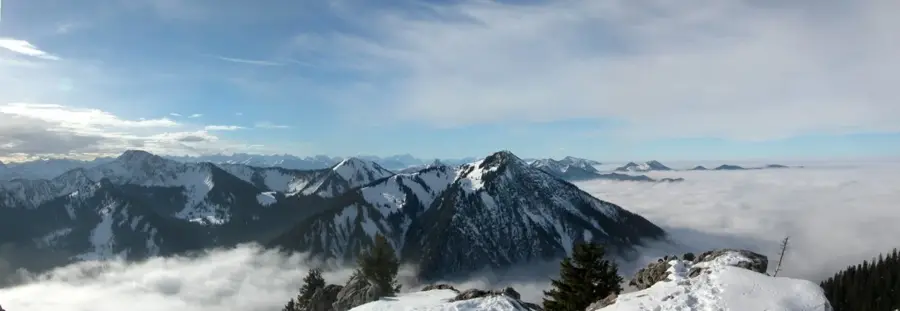
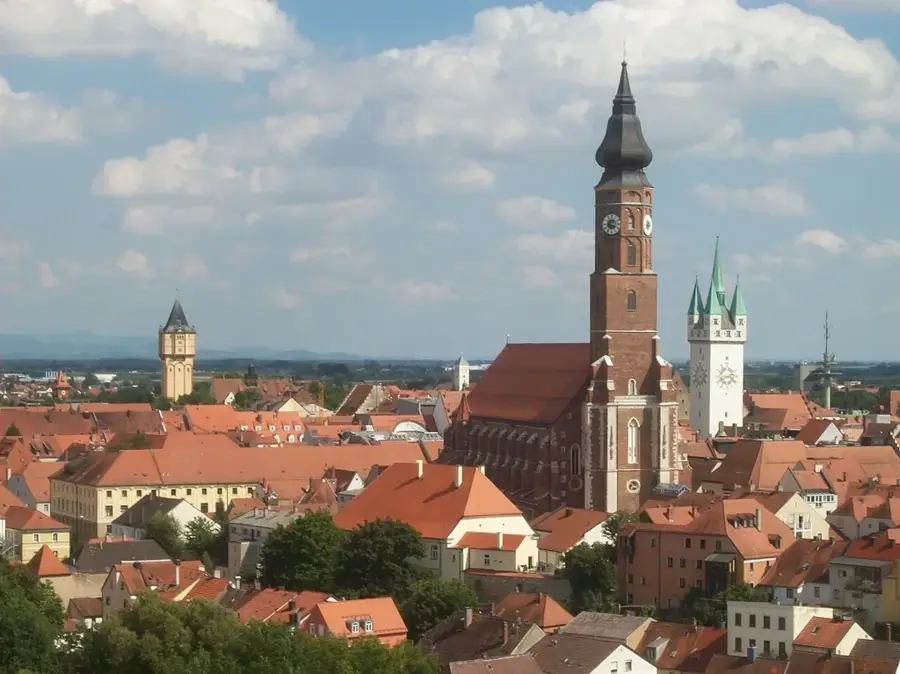
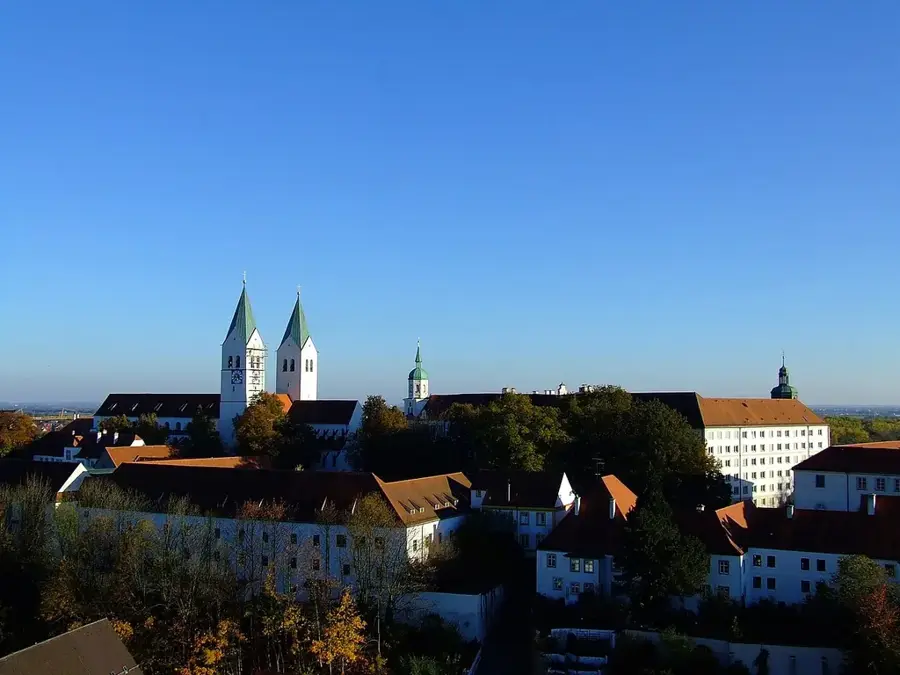
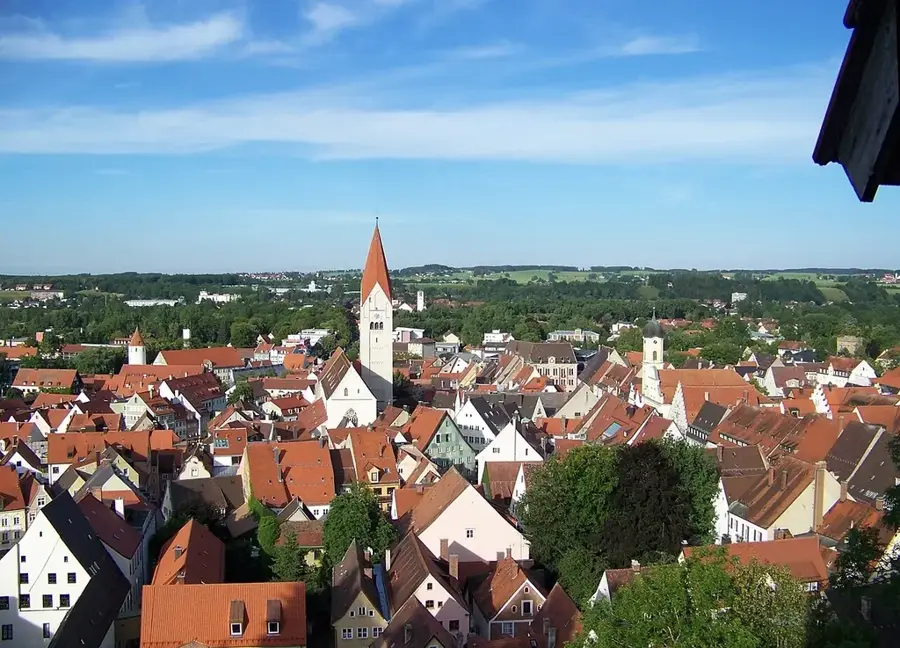
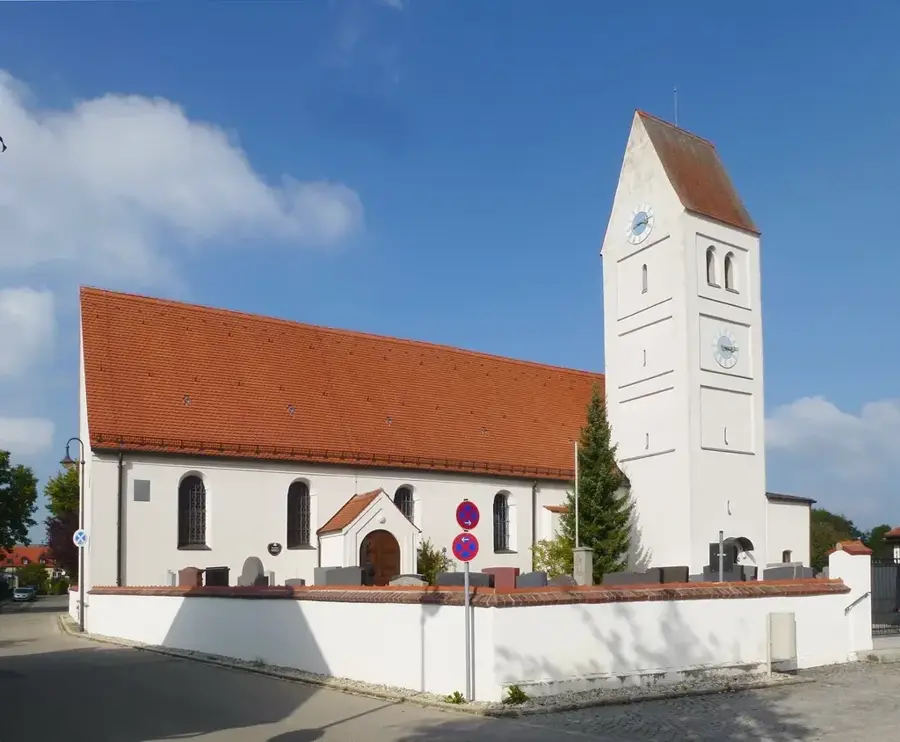
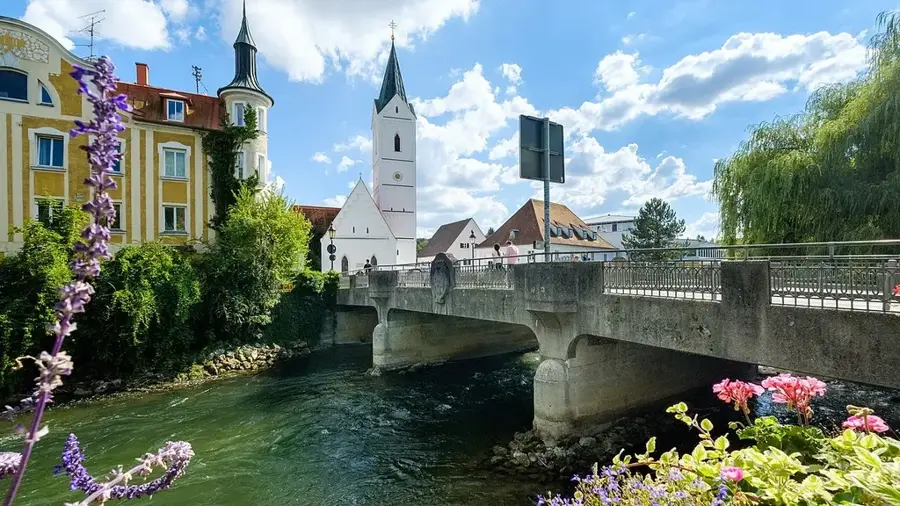
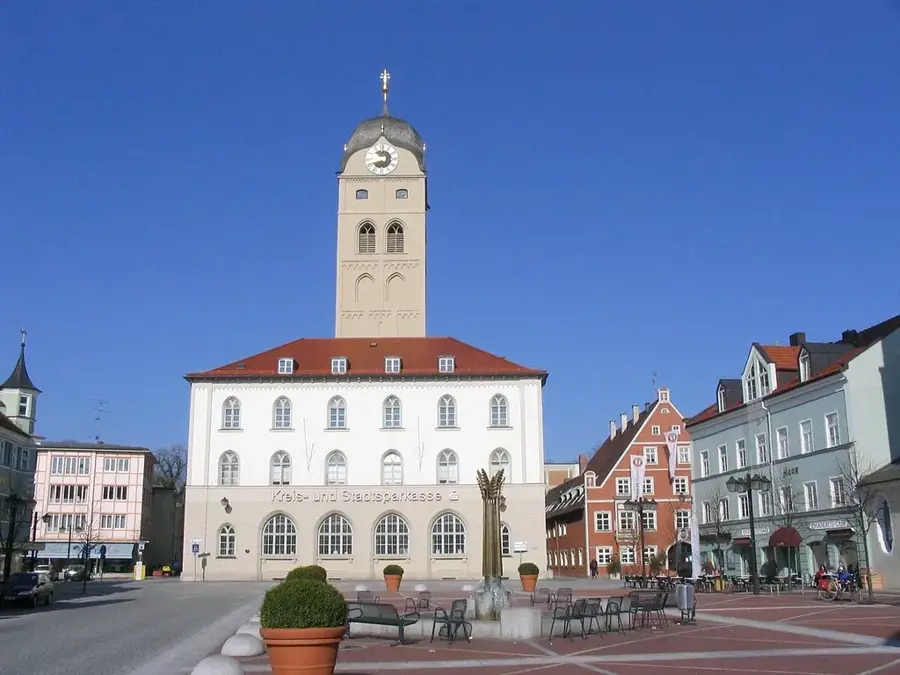
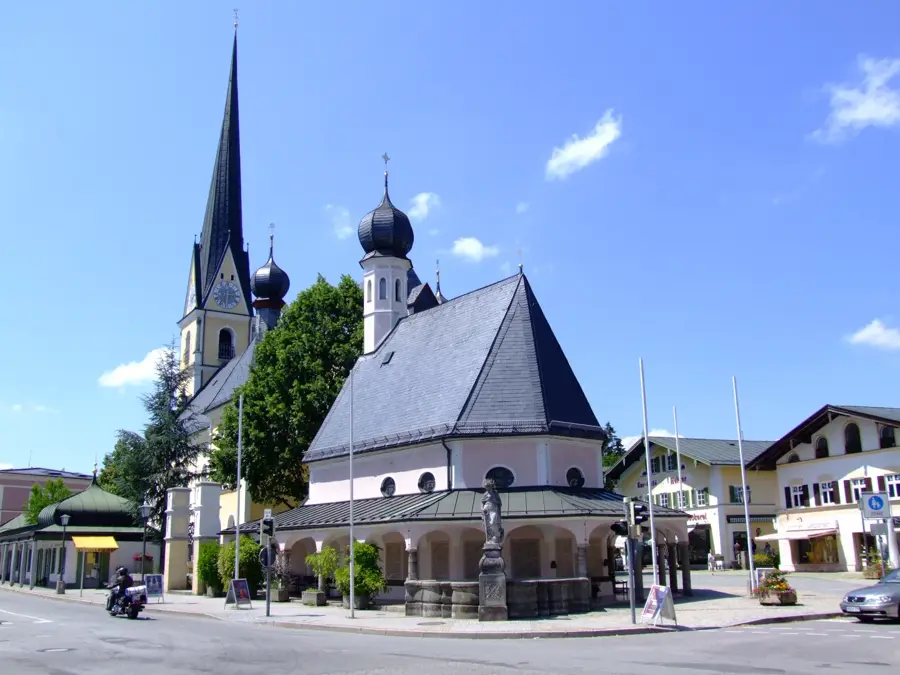
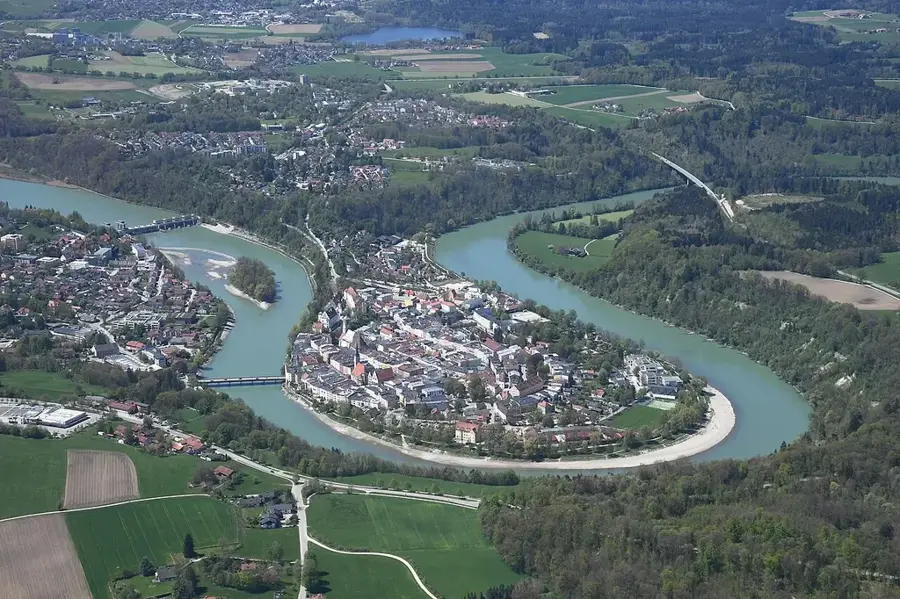
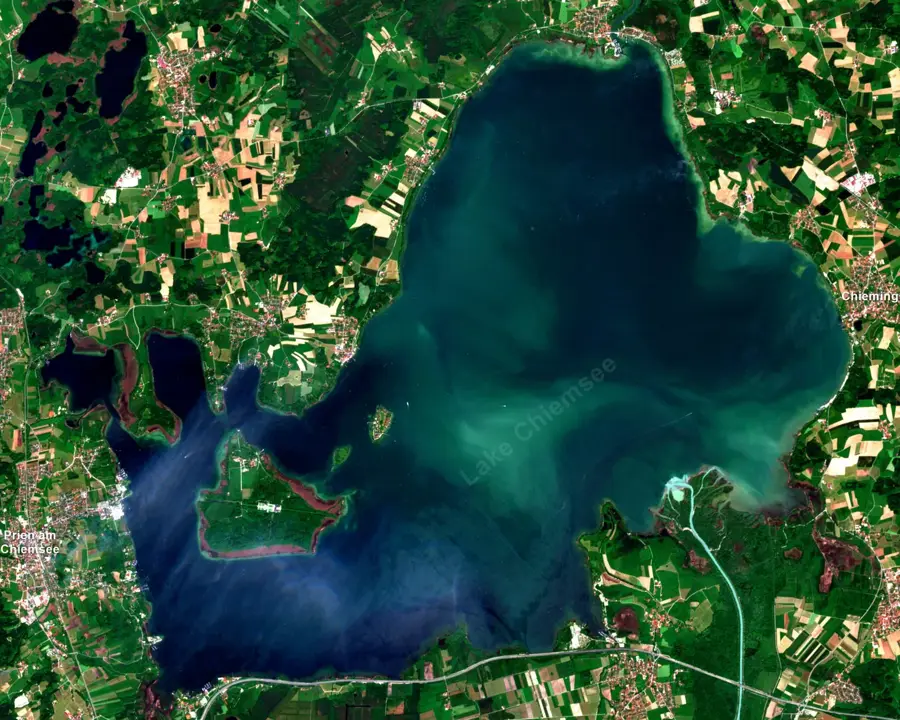
The Bavarian Alpine Foreland extends as a vast plateau between the Danube River to the north and the edge of the Alps to the south. The landscape was significantly shaped by ice masses during the Pleistocene glaciations, which left behind moraine ridges, gravel plains, and deep lake basins upon their retreat. Characteristically, the region features numerous large lakes such as Chiemsee, Lake Starnberg, and Ammersee, which originated as glacial tongue basins. Elevation varies from 400 meters at the Danube to over 800 meters at the Alpine fringe. Economically, the region is defined by a mix of productive agriculture, especially dairy farming, and major industrial centers like Munich. The Foreland also serves as an important recreational area and is renowned for its baroque monastery architecture and traditional Bavarian villages. Climatically, the area is often influenced by the Foehn wind, which provides warm downslope winds and exceptionally clear views of the Alpine range.

Best time to visit & climate

The most pleasant time to visit is Jun–Aug.

JanFebMarAprMayJunJulAugSepOctNovDec
Avg °C-2-1491317181814940
Rain mm82657771129150141147102836471

📋 Practical info

🧭
Getting there
Easily reached from Munich via the Autobahn network (A8, A95) or frequent regional railway connections. Bicycles can usually be transported on local trains for wider exploration.
📅
Best season
Summer is the peak season for water sports on the large lakes like Ammersee, while spring is excellent for cycling. Winter transforms the area into a peaceful destination for winter hiking.
⛰️
Terrain & paths
The area is characterized by rolling hills, expansive moors, and deep river valleys formed by ancient glaciers. Trails range from flat lakeside promenades to slightly more challenging hill paths.
🎒
What to bring
Waterproof footwear is highly recommended if you plan to explore the moorlands. A sturdy bicycle is a fantastic asset for covering larger distances between the pretty lakes and villages.
🅿️
Parking
Abundant parking options are generally found at major train stations, tourist information centers, and designated lake parking areas. Early arrival is suggested during sunny summer weekends.
⚠️
Safety
When traversing the moorlands, strictly adhere to wooden boardwalks and marked paths to avoid sinking into unstable ground. Swimming should be restricted to officially supervised beach zones.
⏱️
Time needed
You can easily spend anything from a pleasant half-day walking around a specific lake to a full week exploring the varied natural and cultural sights across the entire foreland territory.

Geography

Coordinates
47.95000, 12.30000

Facts

  • The region covers an area of approximately 22,000 square kilometers.
  • Lake Chiemsee is the largest lake in the Bavarian Alpine Foreland at 80 sq km.
  • The gravel plains were formed by meltwater rivers at the end of the ice age.
  • Munich is situated at an average elevation of about 519 meters.
  • The Foehn wind can cause temperature rises of over 10 degrees within a few hours in the Foreland.
  • The area includes significant moorlands such as the Murnauer Moos.

Explore nearby

Notable places around

Route planner — Car & Motorhome

Where do you start? We build the route here, with stops and country notes along the way.

Vehicle
Only stops with (optional):

© OpenStreetMap contributors · OpenRouteService

Sights in the town Bavarian Alpine Foreland (8)

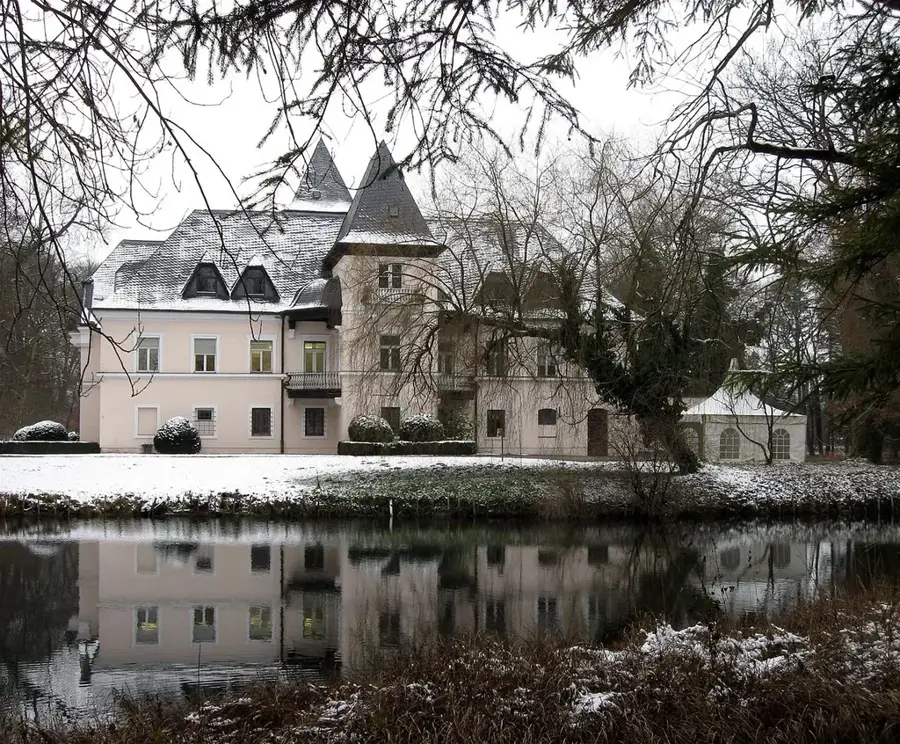
Schloss Amerang🏰 castle

A Renaissance castle in the Chiemgau region, famous for its courtyard concerts.
🕒 closed "geöffnet nur für Veranstaltungen "

Ehemaliges Schloss Forchteneck🏺 historical

The archaeological site of a former castle complex near Amerang.

Gut Immling🎭 culture

A cultural estate in the Chiemgau, known for its opera festival.

Aussichtsplattform Hochmoor🌿 nature

An observation deck providing views of the moorland flora and fauna.

Aussichtspunkt Alpenpanorama🌿 nature

A viewpoint in the Bavarian Alpine Foreland with wide views of the mountains.

Alpenpanorama - vom Chiemgau bis Garmisch🌿 nature

A scenic overlook with a wide panorama of the Bavarian Alpine chain.

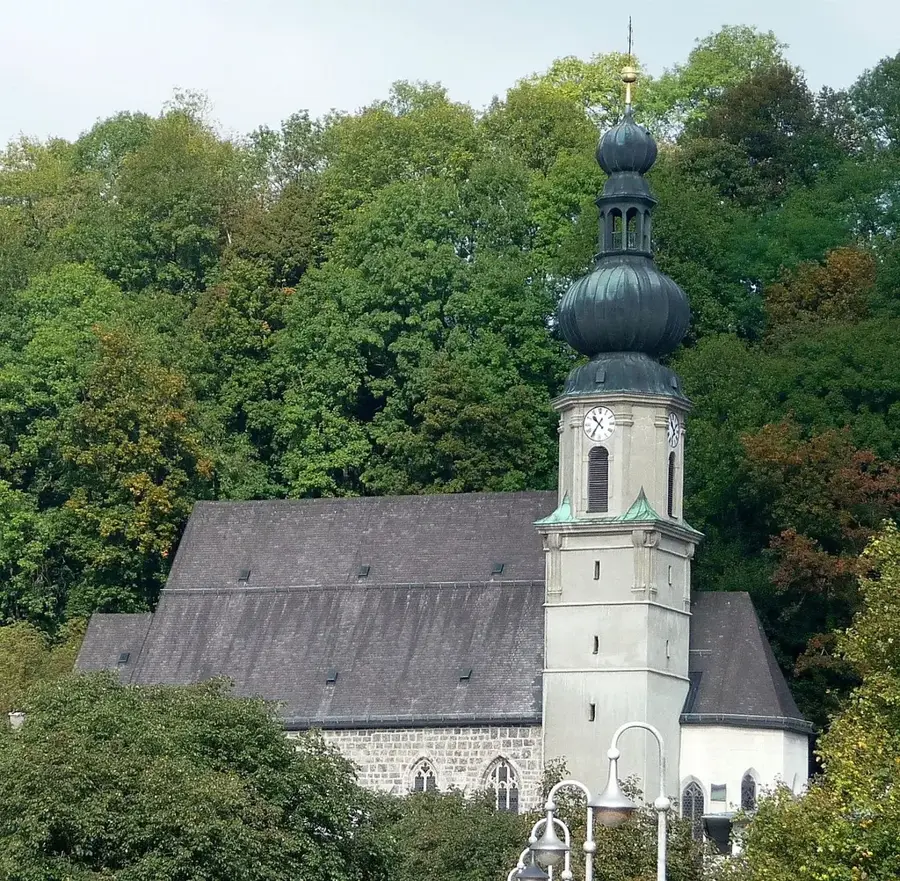
St. Bartholomäus⛪ religious

A historic Catholic church in the Bavarian Alpine Foreland.

Kapelle St. Maria⛪ religious

A small chapel dedicated to Mary in the Bavarian Alpine Foreland.

Sights nearby

Frequently asked questions

What is the difference compared to Alpenvorland?
It refers specifically to the Bavarian part of this region, famous for its lakes and monasteries.
Which lakes should one visit?
Tegernsee, Ammersee, and Kochelsee offer great swimming opportunities and hiking trails.
Are there famous monasteries?
Andechs Monastery and Ettal Abbey are significant pilgrimage sites and breweries.
What is the weather usually like?
Temperate, but Foehn winds from the Alps often bring clear skies and warm temperatures.
Can one see royal castles here?
Neuschwanstein and Hohenschwangau are located right at the edge of the foothills near Füssen.
Bavarian Alpine Foreland: where is it located?
Bavarian Alpine Foreland is located in Bavaria, Germany.
Bavarian Alpine Foreland: what is there to see?
Highlights include Schloss Amerang, Ehemaliges Schloss Forchteneck, Gut Immling.
Bavarian Alpine Foreland: when is the best time to visit?
The most pleasant time to visit is Jun, Aug.
Bavarian Alpine Foreland: why is it worth visiting?
The Bavarian Alpine Foreland extends as a vast plateau between the Danube River to the north and the edge of the Alps to the south.
View on map → The Top 50 Attractions → OpenStreetMap →
Europe
Explore with Plizio Discover more places in Europe
More places in Germany →

Nearby cities