Plizio Visual Lab
Alpine Foreland
Weather…
Water temperature…
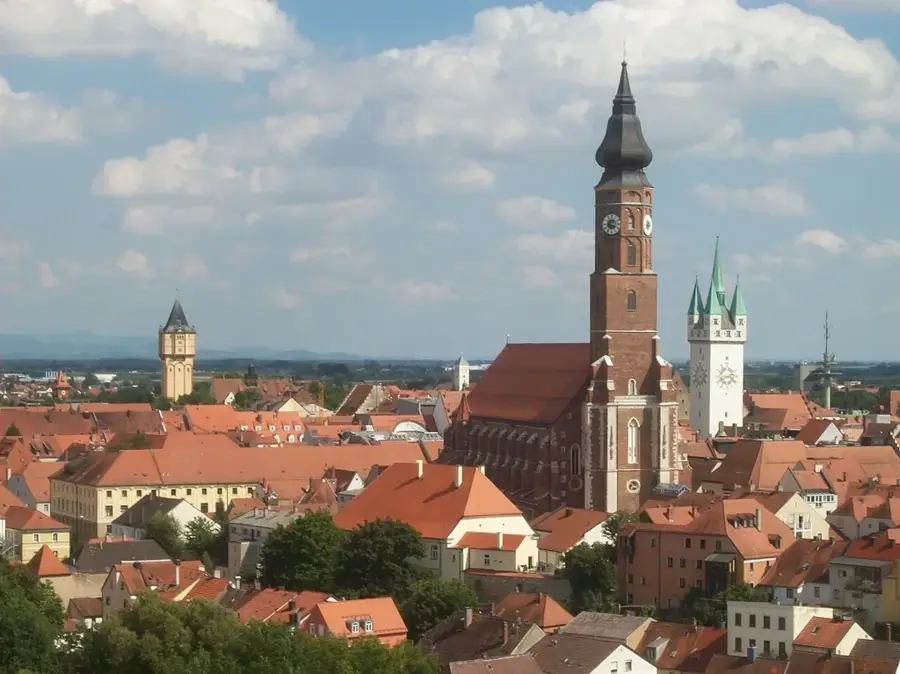
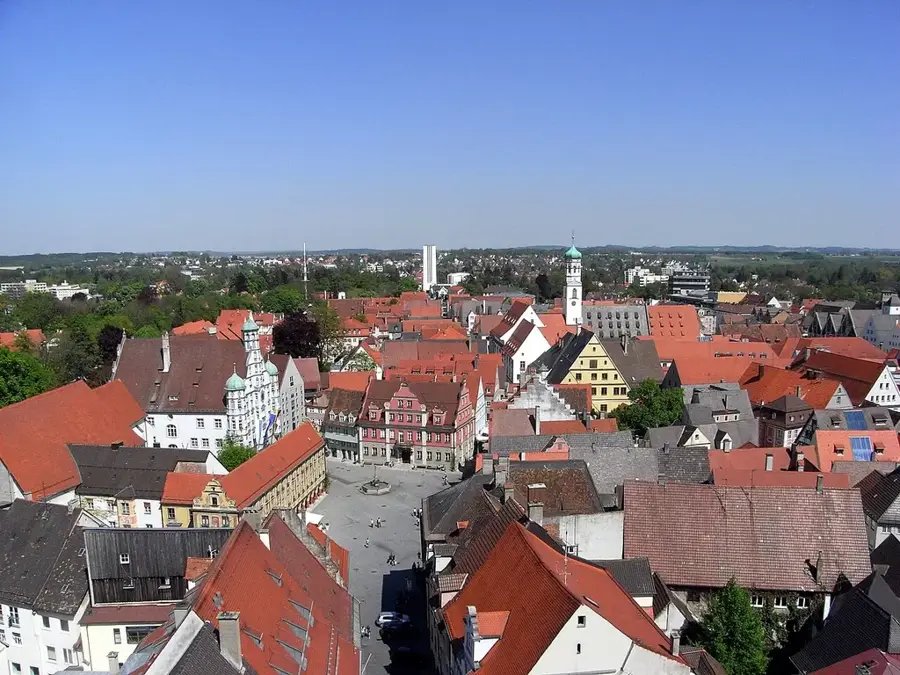
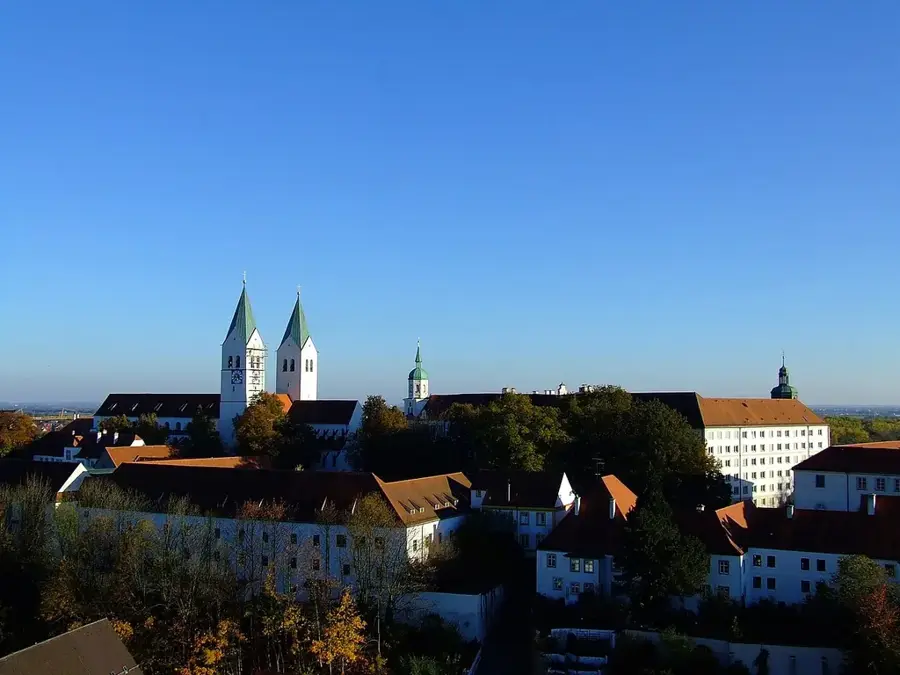
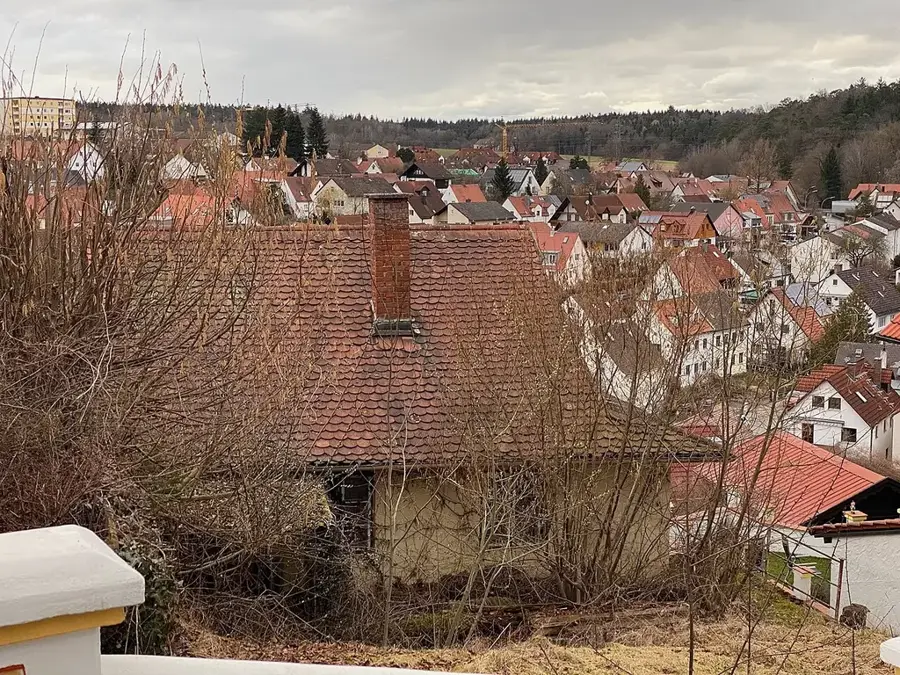
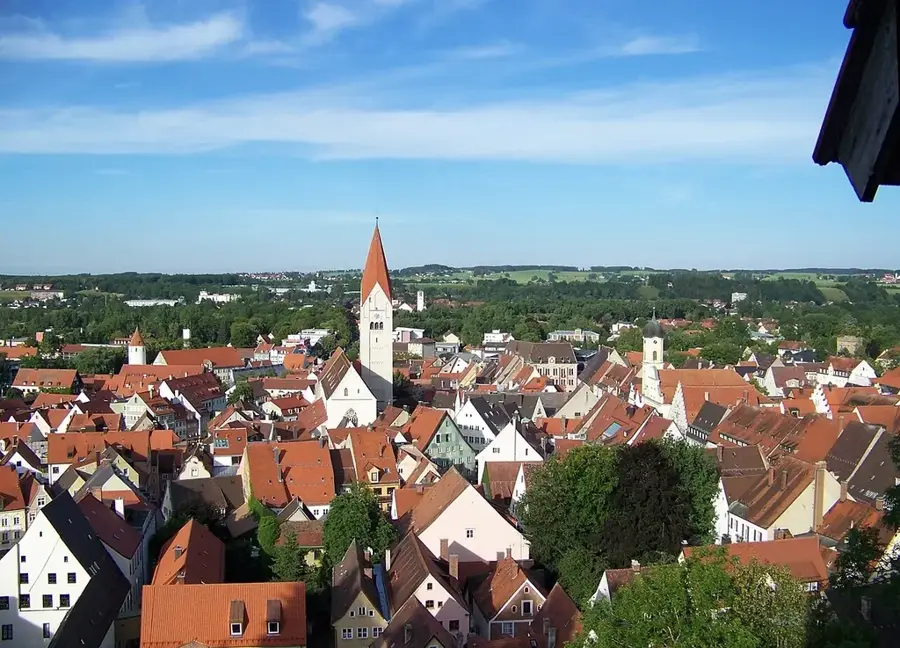
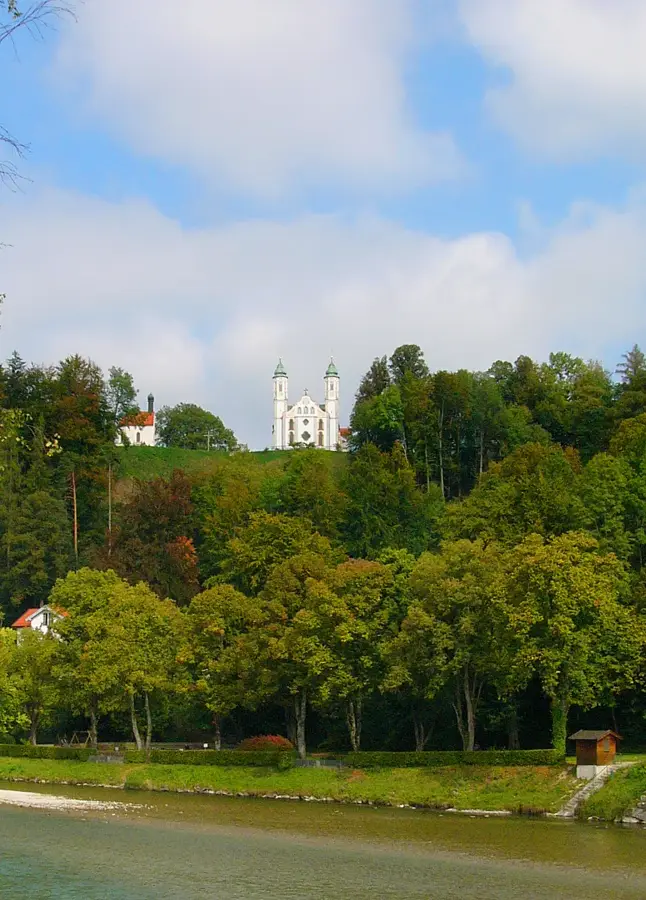
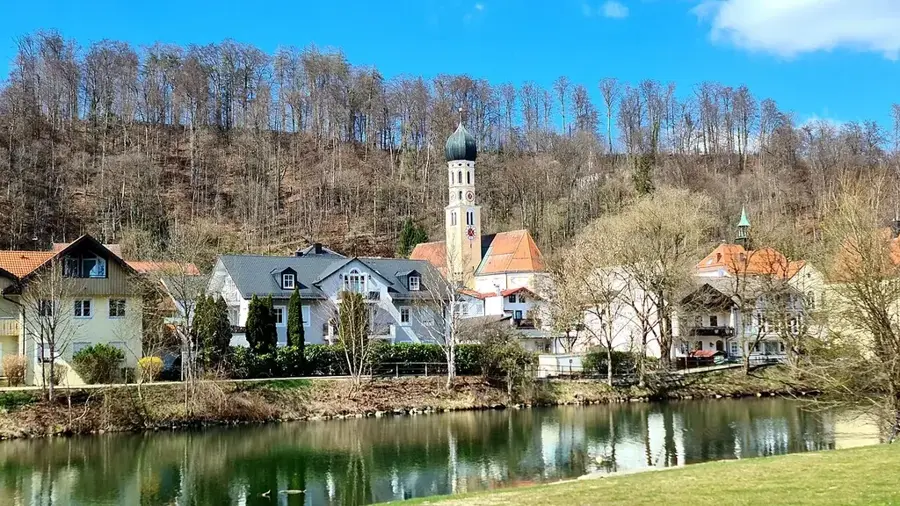
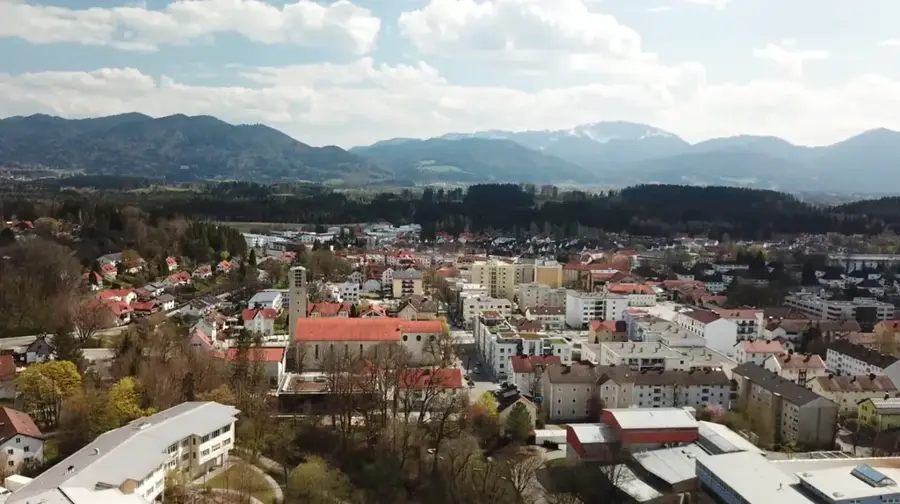
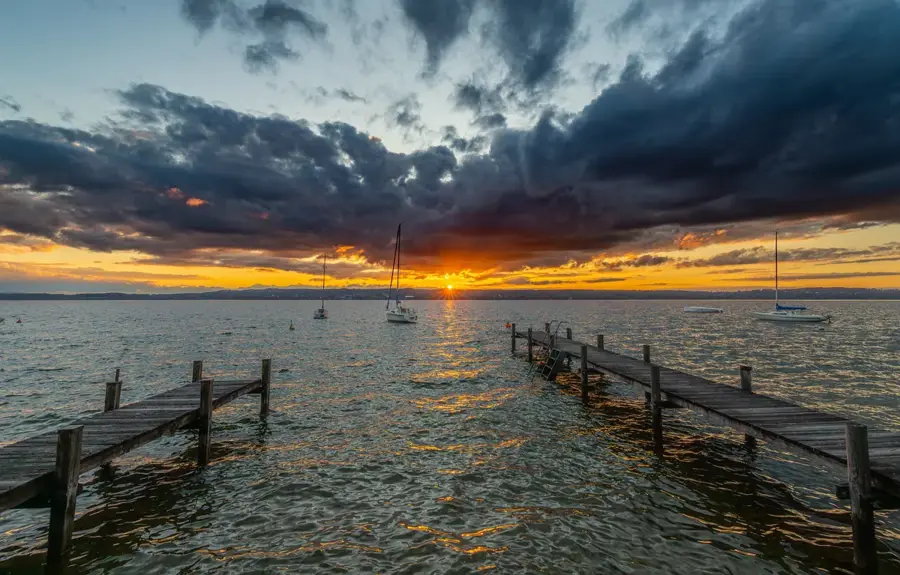
The Alpine Foreland in Southern Germany is an extensive hilly and high plateau region stretching between the Danube River in the north and the Alps in the south. This region was heavily shaped by Pleistocene glaciations, during which foreland glaciers carved out deep basins that now form famous lakes such as Chiemsee and Lake Starnberg. The surface largely consists of moraine debris, gravel plains, and fertile loess layers, enabling diverse agricultural use, particularly dairy farming and hop cultivation. The average elevation rises from about 300 metres near the Danube to over 800 metres at the edge of the Alps. In addition to its ecological diversity with numerous moors and bogs, the Alpine Foreland is a significant economic area with Munich as its dynamic centre and is considered one of Germany's most attractive tourist regions.
Explore on the map
How well do you know Germany?
Find cities, landscapes and regions in 10 varied challenges on the interactive map.
Your journey, your memory
A postcard from Alpine Foreland
Turn your own photo into a personal postcard with a local stamp. Free and no sign-up required.
Create a postcard- Location: Bavaria, Germany
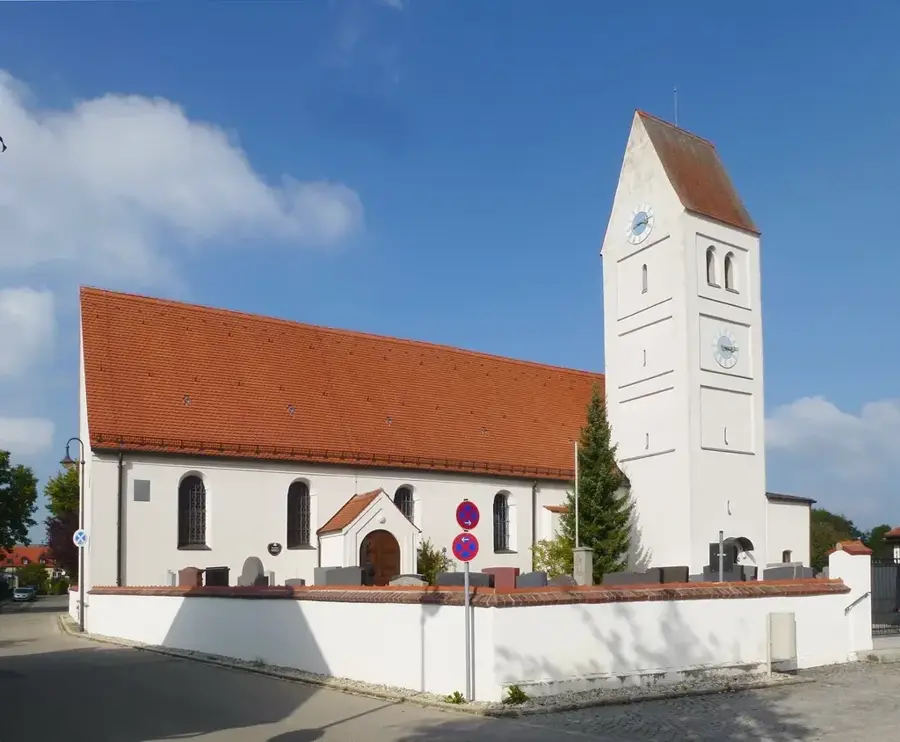
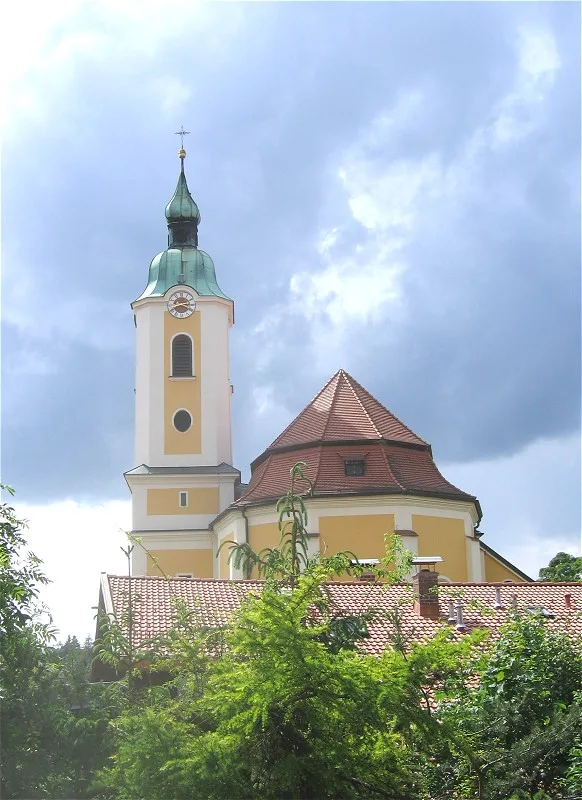
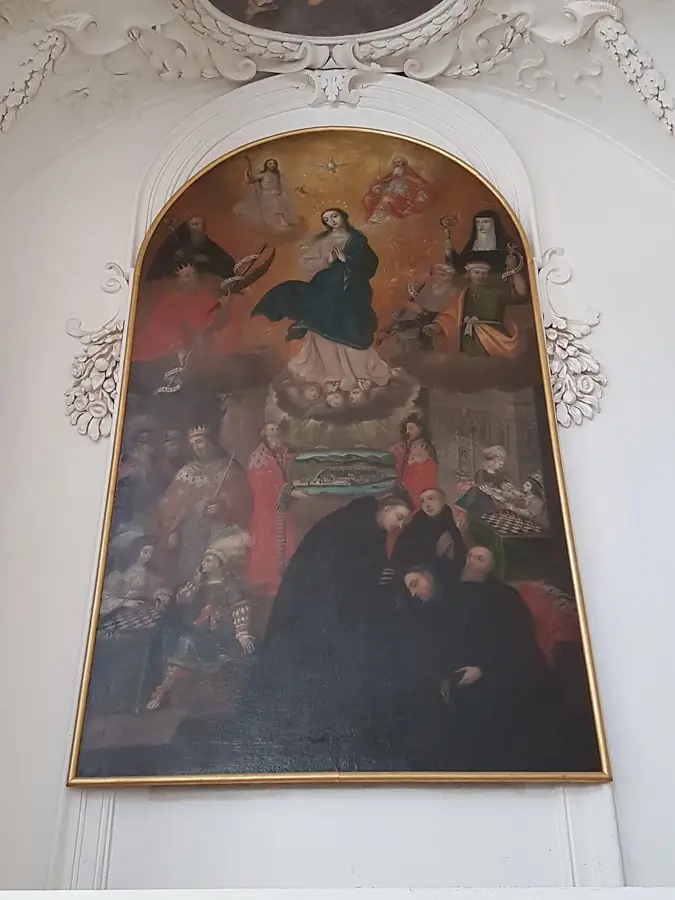
- Highlights: Mariä Geburt · Klosterkirche Dietramszell · Kloster Dietramszell
- Nearby: Geretsried (9 km)
Best time to visit & climate
The most pleasant time to visit is Jun–Aug.
| Jan | Feb | Mar | Apr | May | Jun | Jul | Aug | Sep | Oct | Nov | Dec | |
|---|---|---|---|---|---|---|---|---|---|---|---|---|
| Avg °C | -1 | 0 | 4 | 8 | 13 | 17 | 18 | 18 | 13 | 9 | 4 | 0 |
| Rain mm | 76 | 59 | 69 | 68 | 123 | 137 | 134 | 139 | 92 | 77 | 62 | 67 |
📋 Practical info
Geography
Facts
- The Alpine Foreland covers an area of approximately 45,000 square kilometres.
- Lake Constance (Bodensee) in the southwest is the largest lake in the region and in Germany.
- The moraine landscape was mainly formed during the Würm glaciation about 20,000 years ago.
- The region is home to one of the world's largest continuous hop-growing areas (Hallertau).
- Munich, Germany's highest major city, is located at 519 metres within the Alpine Foreland.
- Numerous rivers such as the Iller, Lech, Isar, and Inn cross the foreland from south to north.
Explore nearby
Notable places around
Route planner — Car & Motorhome
Where do you start? We build the route here, with stops and country notes along the way.
© OpenStreetMap contributors · OpenRouteService
Sights in the town Alpine Foreland (7)
Kloster Dietramszell
Cultural heritage monument in Bavaria, former monastery.
Leonhardsfilz
Nature reserve in Bavaria, bog landscape.
Klosterfilz
Nature reserve in Bavaria, marsh area.
Zellbachtal
Nature reserve in Bavaria, stream valley with wetlands.
Sights nearby
Frequently asked questions
What exactly is the Alpenvorland?
What activities are popular here?
When is the best time to visit?
Is the region suitable for families?
What are typical local foods?
Alpine Foreland: where is it located?
Alpine Foreland: what is there to see?
Alpine Foreland: when is the best time to visit?
Alpine Foreland: why is it worth visiting?
Nearby cities