Plizio Visual Lab
Dakka
ℹ️Practical info — Dakka
▾
🌤 Weather — 5 days
📍 Nearby
Sights nearby
💡 Tips
- Be cautious near the railway tracks as trains often pass through unannounced.
- The heat can be extreme, always carry sufficient water with you and avoid the midday sun.
- Ask for permission before taking photos of locals in this small settlement.
- Bring small bills in Djiboutian francs, as card payments are not possible.
- Dress unobtrusively to show respect for local traditions.
🍽 Food
You will find this spongy flatbread at small street vendors, making it well-suited for breakfast.
A warming, highly sweetened drink often offered by merchants near the railway tracks.
Try hearty, local goat meat in the simple food stalls of the settlement.
🛍 Shopping · 🧘 Quiet spots
Buy snacks and cold drinks at the makeshift stalls around the train stop.
Occasionally, passing merchants offer regional spice blends.
Walk a bit out of the settlement to view the barren but tranquil landscape at sunset.
Once the heat subsides, the center of the settlement provides a relaxed place for quiet observation.
Water temperature…
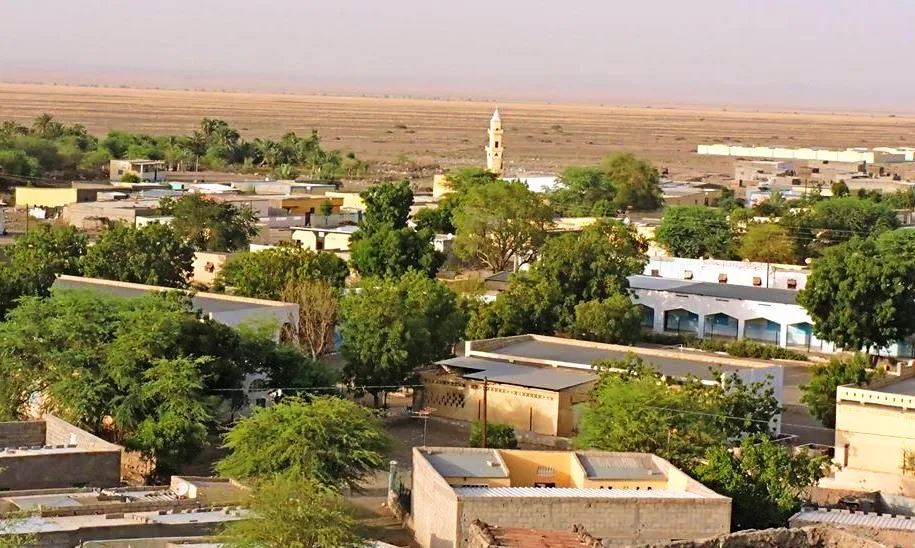
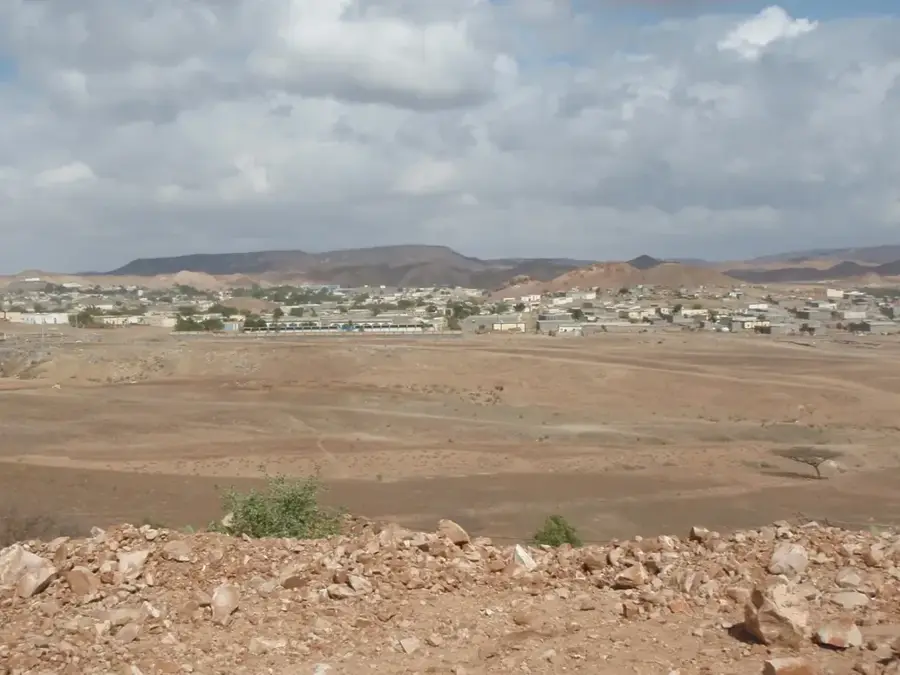
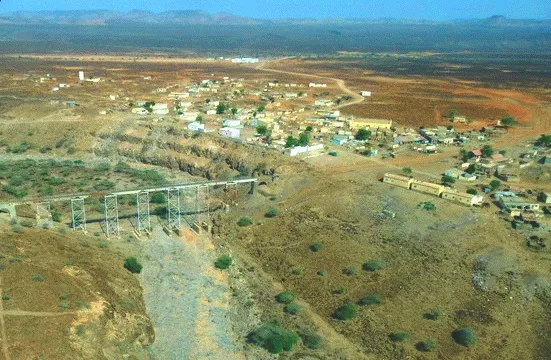
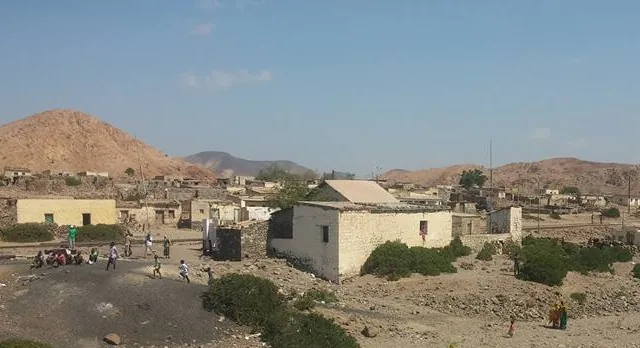
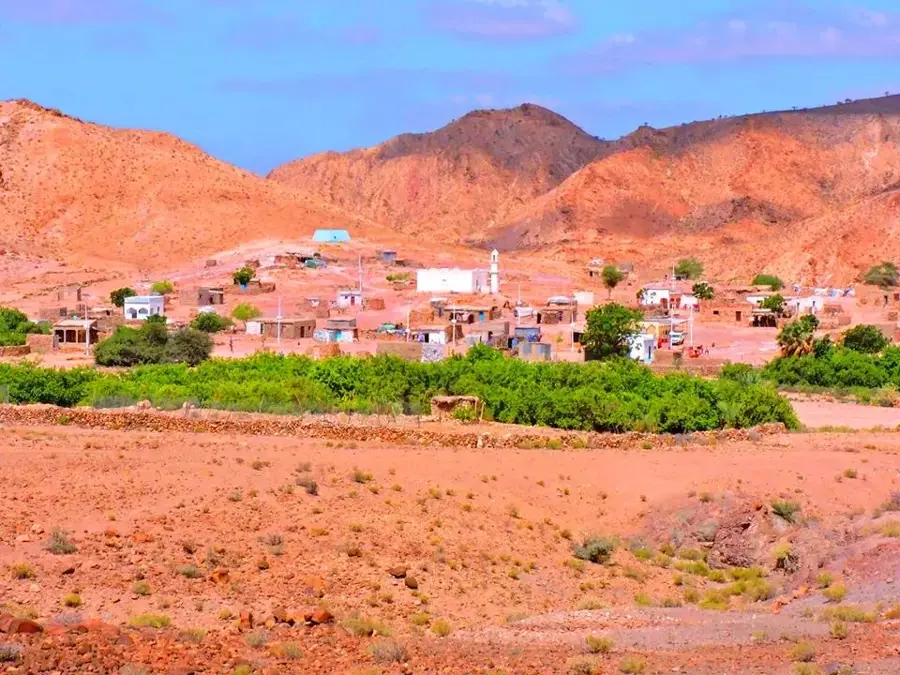
Dakka is a small village in Djibouti, located in the arid transition zone between the coastal mountains and the interior plains. The surrounding area is part of the East African Rift system, a region with significant tectonic activity and a landscape composed of basaltic rocks and sparse scrubland. Historically, Dakka has been a site of seasonal migration, where nomadic communities seek shelter and water during the rare rainy seasons. The local population is predominantly pastoralist and maintains ancient traditions of water management and herd management under extreme conditions. Vegetation consists mainly of acacias and thorny shrubs, which serve as a food source for the residents' goats and camels. Due to its remote location, there is very little modern infrastructure, making the village an example of the traditional way of life in the Horn of Africa. The social structure is based on tribal associations that have ensured survival in this barren environment for generations. Dakka serves as a landmark in the vast semi-desert for travelers moving between regional centers.
Explore on the map
How well do you know Djibouti?
Find cities, landscapes and regions in 10 varied challenges on the interactive map.
Your journey, your memory
A postcard from Dakka
Turn your own photo into a personal postcard with a local stamp. Free and no sign-up required.
Create a postcard- Location: Djibouti
- Nearby: Mouloud (14 km)
Best time to visit & climate
The most pleasant time to visit is Jan, Feb, Dec.
| Jan | Feb | Mar | Apr | May | Jun | Jul | Aug | Sep | Oct | Nov | Dec | |
|---|---|---|---|---|---|---|---|---|---|---|---|---|
| Avg °C | 23 | 24 | 26 | 28 | 31 | 35 | 35 | 34 | 33 | 28 | 26 | 24 |
| Rain mm | 7 | 7 | 25 | 62 | 23 | 7 | 24 | 35 | 29 | 20 | 11 | 17 |
Geography
Facts
- Located in a geologically active zone of the East African Rift.
- A traditional site for the seasonal migration of nomads.
- Vegetation is dominated by acacias and thorny bushes.
- Water supply is primarily sourced from deep traditional wells.
- The social structure is based on the traditional clan system.
- Serves as an important landmark in the Djiboutian semi-desert.
Explore nearby
Notable places around
Route planner — Car & Motorhome
Where do you start? We build the route here, with stops and country notes along the way.
© OpenStreetMap contributors · OpenRouteService
Frequently asked questions
What is Dakka?
Can you stay overnight?
What is the biggest challenge?
Are there wild animals?
When should Dakka be avoided?
Dakka: where is it located?
Dakka: when is the best time to visit?
Dakka: why is it worth visiting?
Nearby cities

More places