Attractions in Djibouti
The finest attractions in Djibouti at a glance: castles, natural wonders, historic old towns and more. Each place links to a detailed page with map, tips and photos.
Culture & History
Stade El Hadj Hassan Gouled Aptidon
The country's largest stadium, named after Djibouti's first president, is a venue for major sporting events.
Learn more →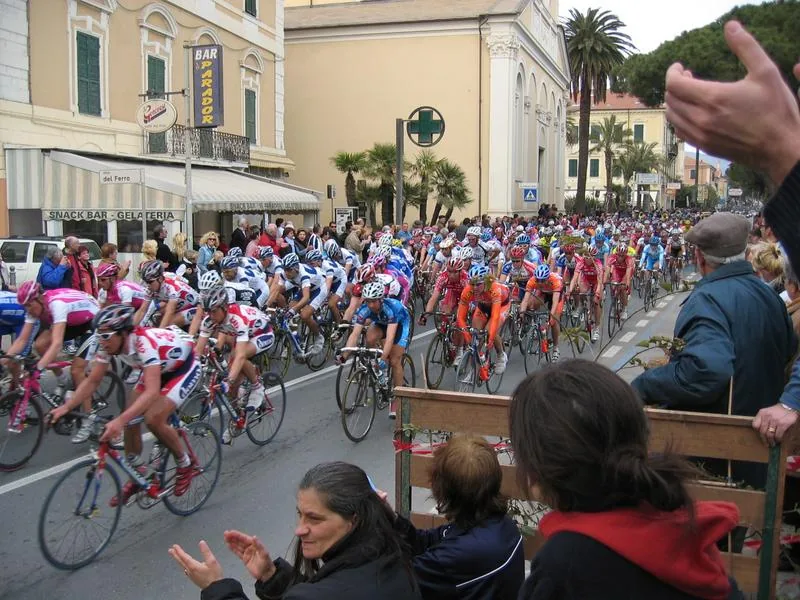
Unity Monument
A prominent monument symbolizing the togetherness of the country's different ethnic groups.
Learn more →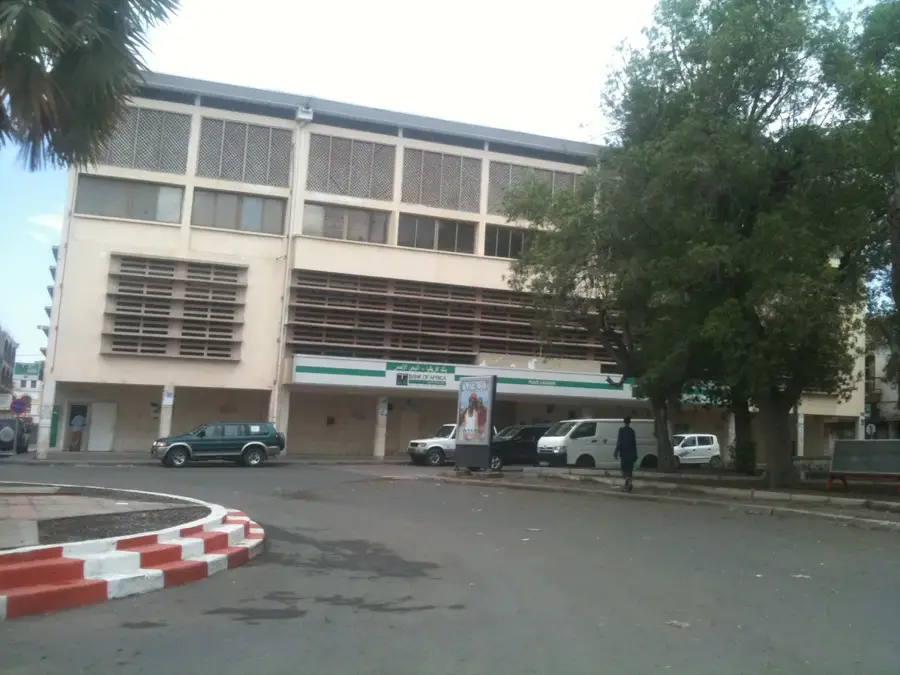
Cathedral of Our Lady of the Good Shepherd
The Roman Catholic Cathedral of Djibouti stands out with its modern yet simple architecture.
Learn more →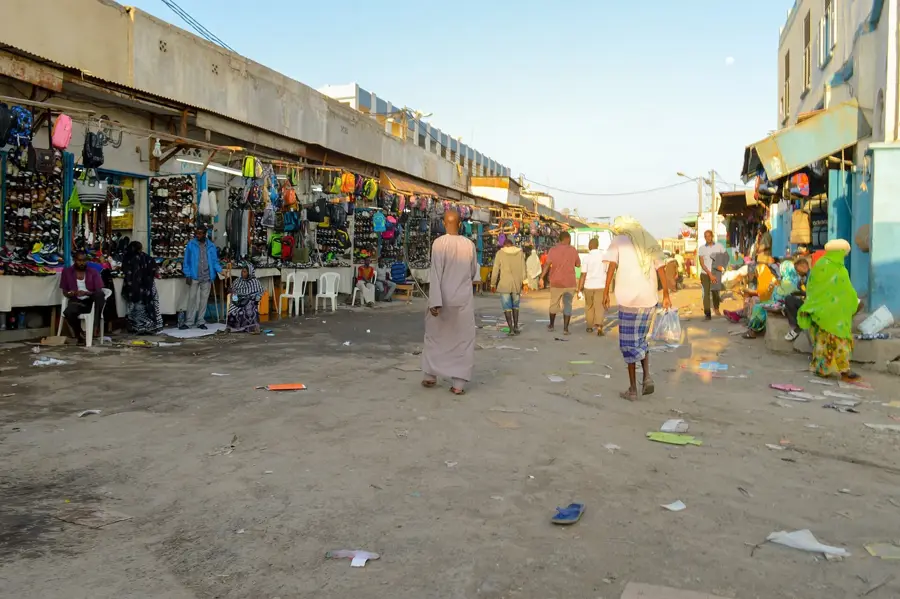
Central Market
A vibrant marketplace offering deep insight into the daily life and culture of Djibouti.
Learn more →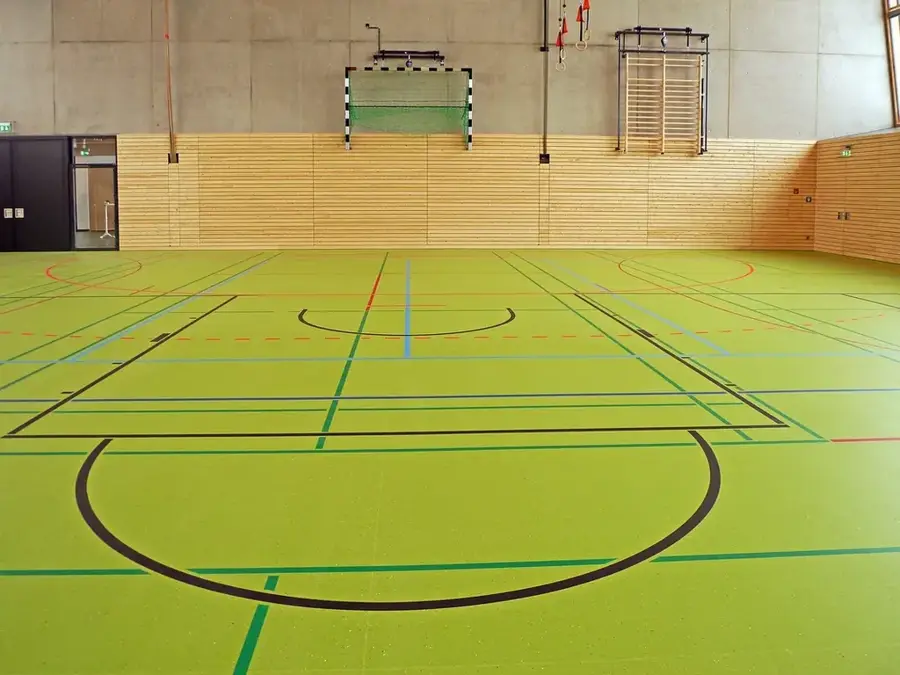
Doraleh Multi-Purpose Port
An ultra-modern expansion port west of the city, capable of handling giant container ships.
Learn more →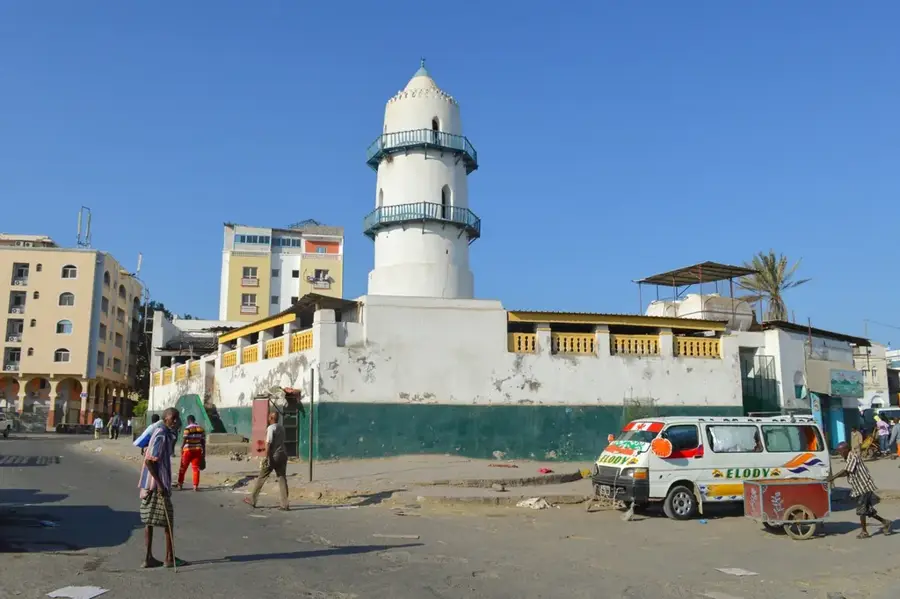
Hamoudi Mosque
One of the oldest and most famous mosques in the city, located in the heart of the bustling market.
Learn more →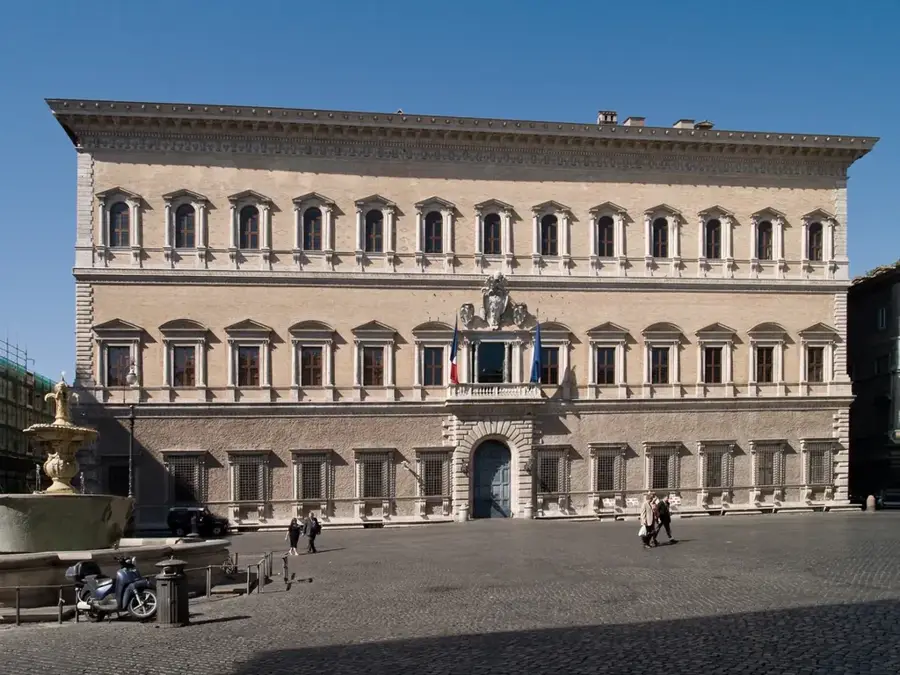
French Embassy
A historic building representing the long-standing relations between France and Djibouti.
Learn more →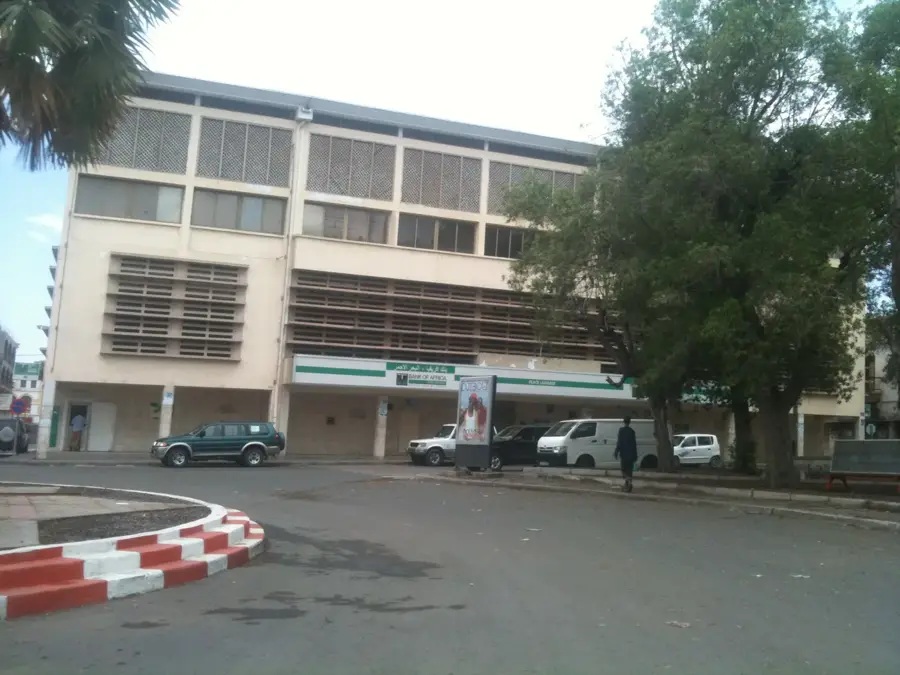
Bank of Africa Tower
One of the tallest and most modern buildings in the city, shaping Djibouti's skyline.
Learn more →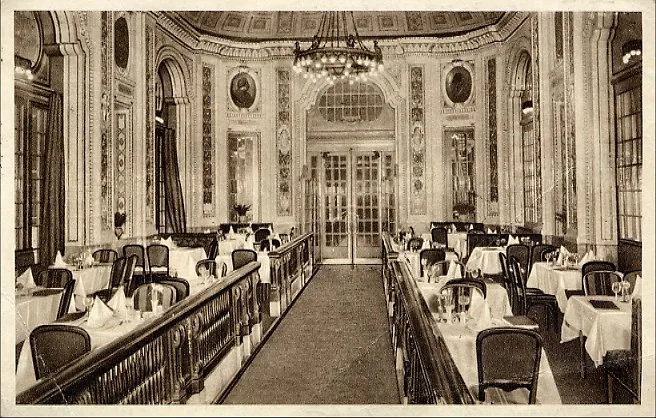
Kempinski Palace Djibouti
A luxury hotel resort considered one of the architectural showcases of the modern city.
Learn more →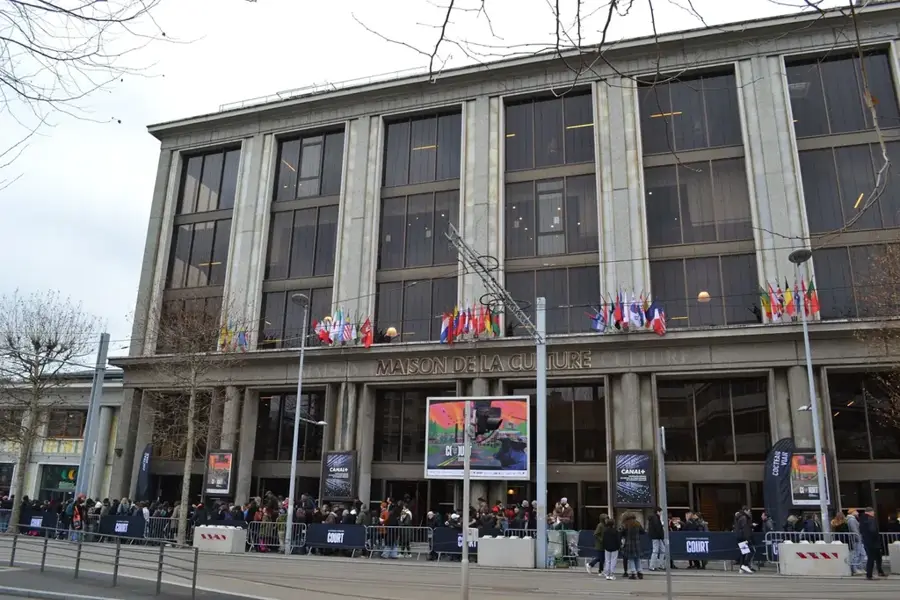
Culture House
A center for art and culture that hosts exhibitions, concerts, and workshops.
Learn more →
Nagad Station
The main railway station of the new electrified line between Djibouti and Addis Ababa.
Learn more →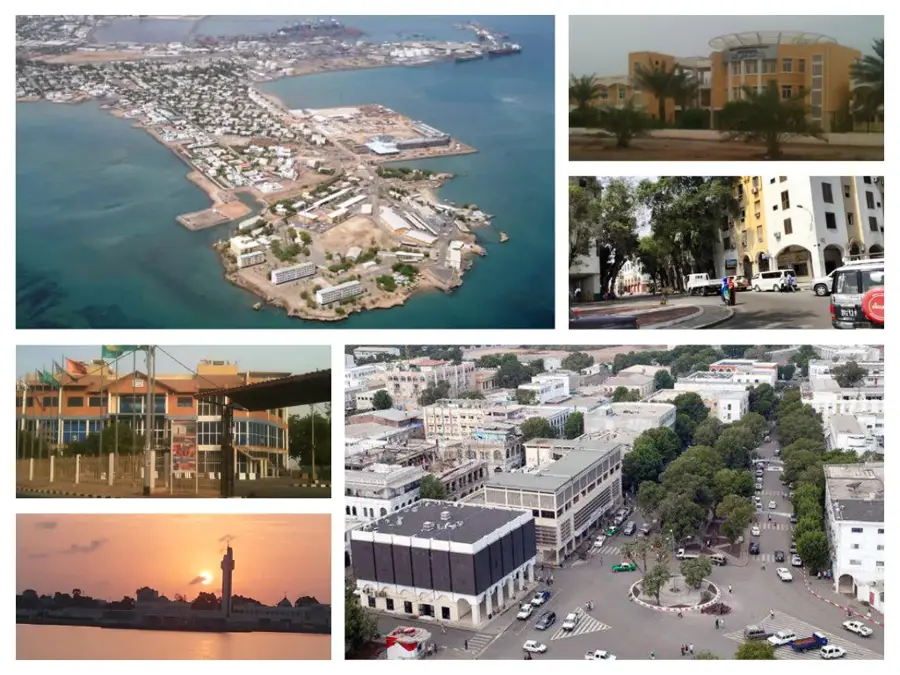
Théâtre des Salines
A prominent open-air theater used for cultural events and concerts.
Learn more →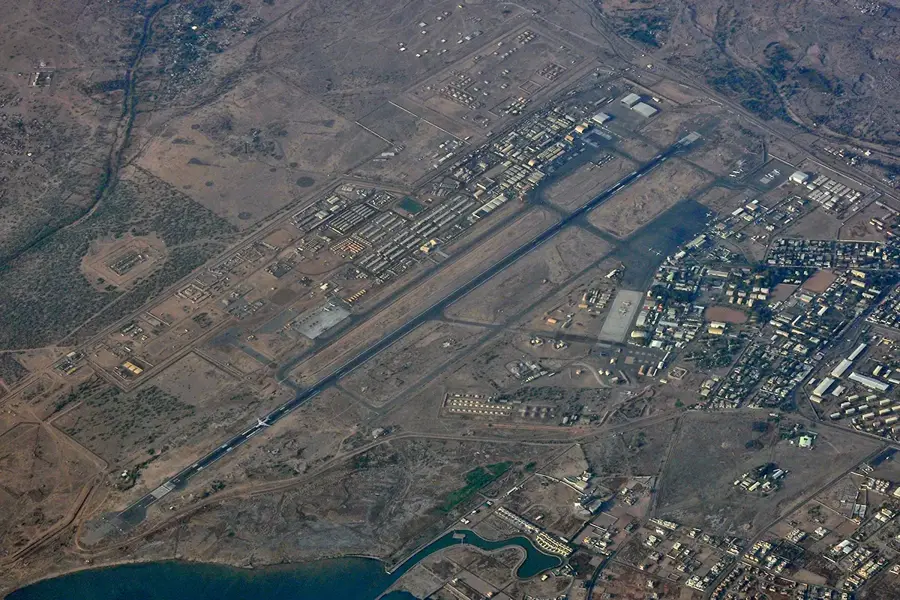
Djibouti Free Zone Building
A modern administrative building symbolizing the economic growth of Djibouti.
Learn more →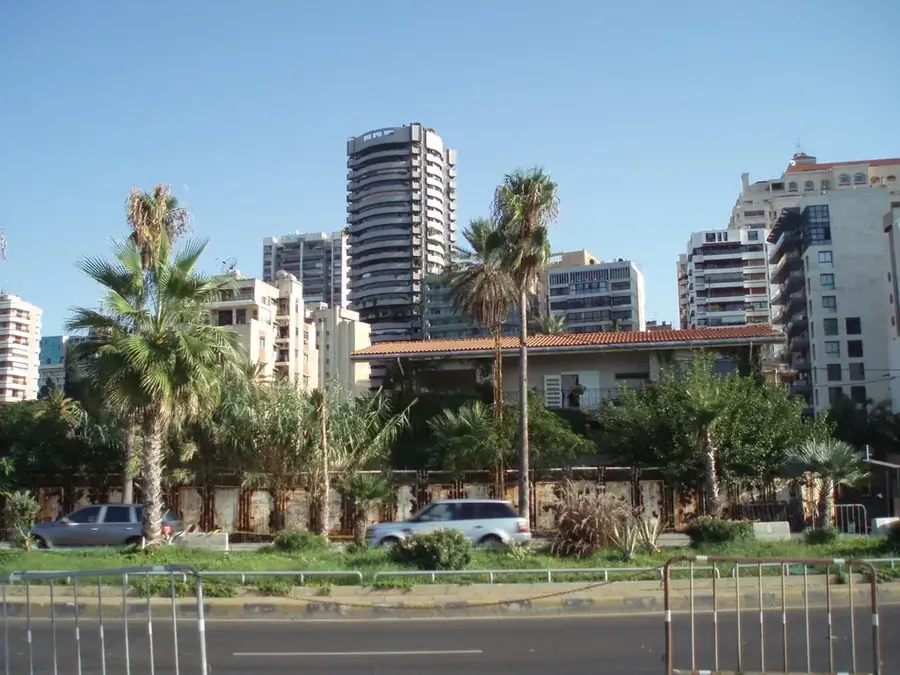
Ras Bir Lighthouse
A distinctive lighthouse on the Obock coast, marking the entrance to the Red Sea.
Learn more →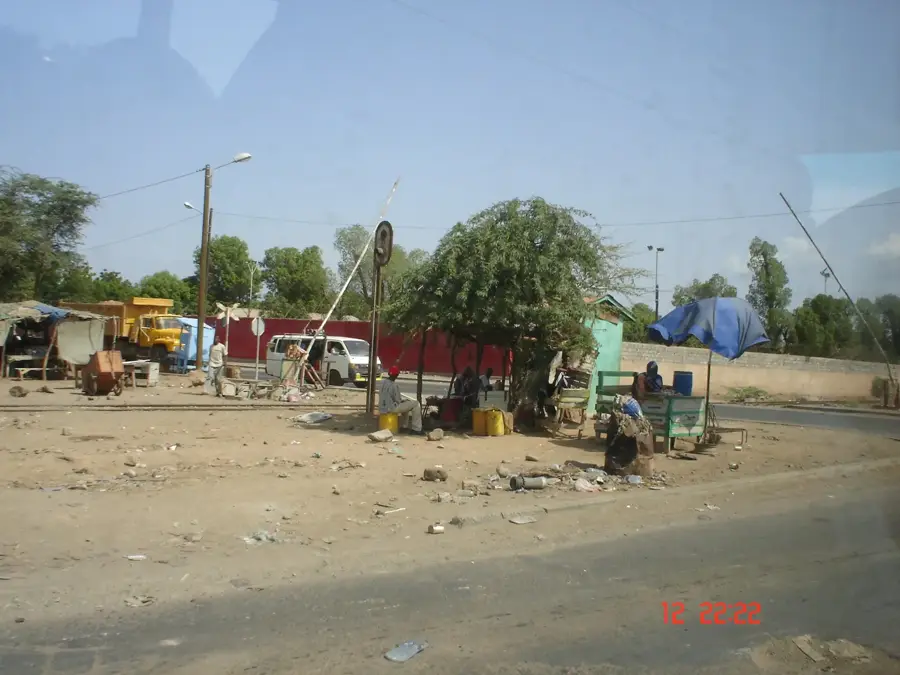
National Assembly
The building of the Djibouti legislature, where political decisions are made.
Learn more →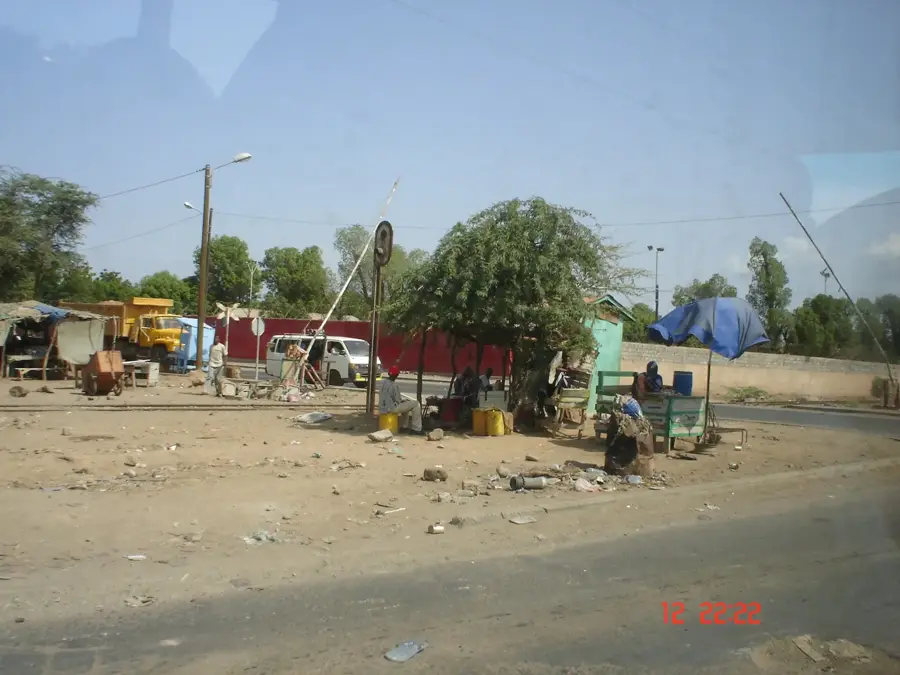
University of Djibouti
The educational center of the country with multiple faculties and an extensive campus.
Learn more →Nature
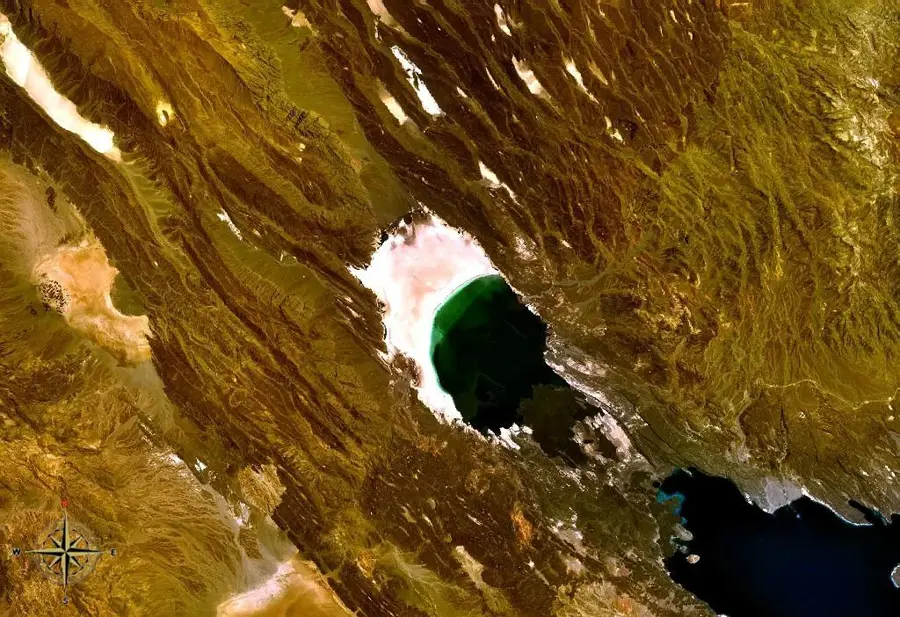
Lake Assal
Lake Assal is a crater lake in central Djibouti, located 155 meters below sea level.
Learn more →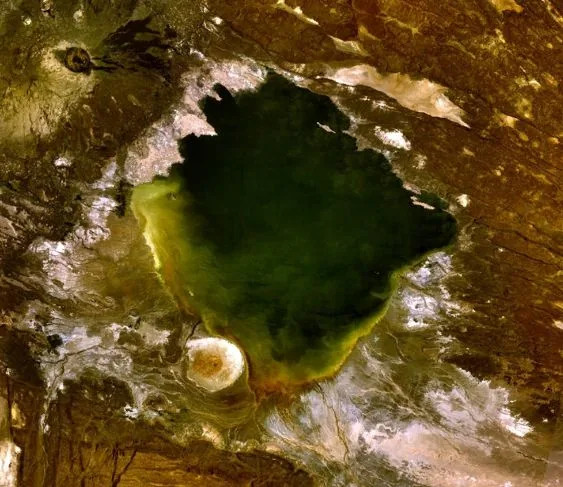
Lake Abbe
A salt lake on the border of Ethiopia and Djibouti, known for its limestone chimneys.
Learn more →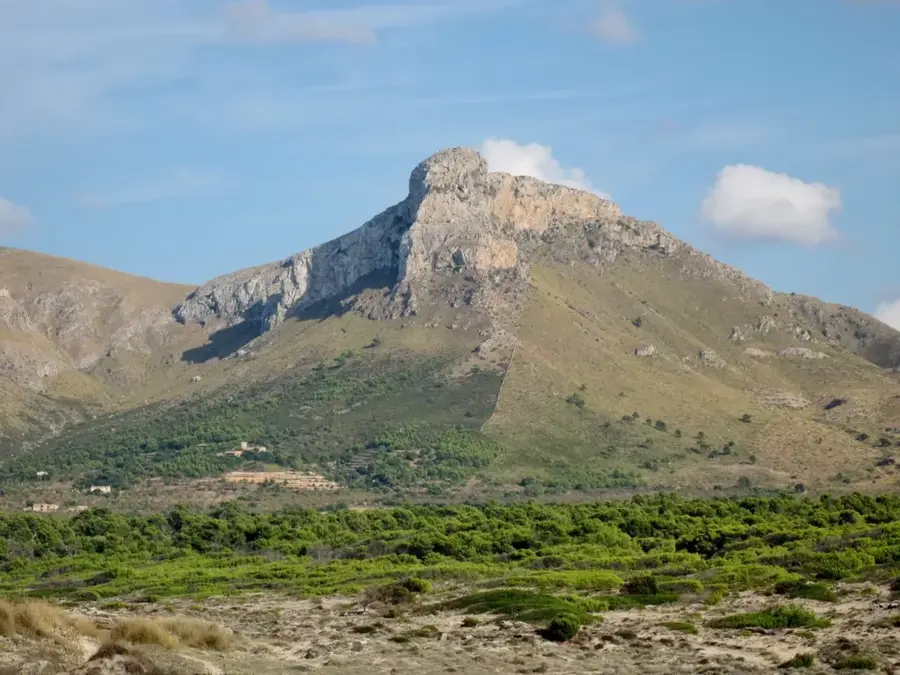
Arta Mountain Ridge
An elevated plateau massif near the coast, known for its cooler microclimate and strategic views.
Learn more →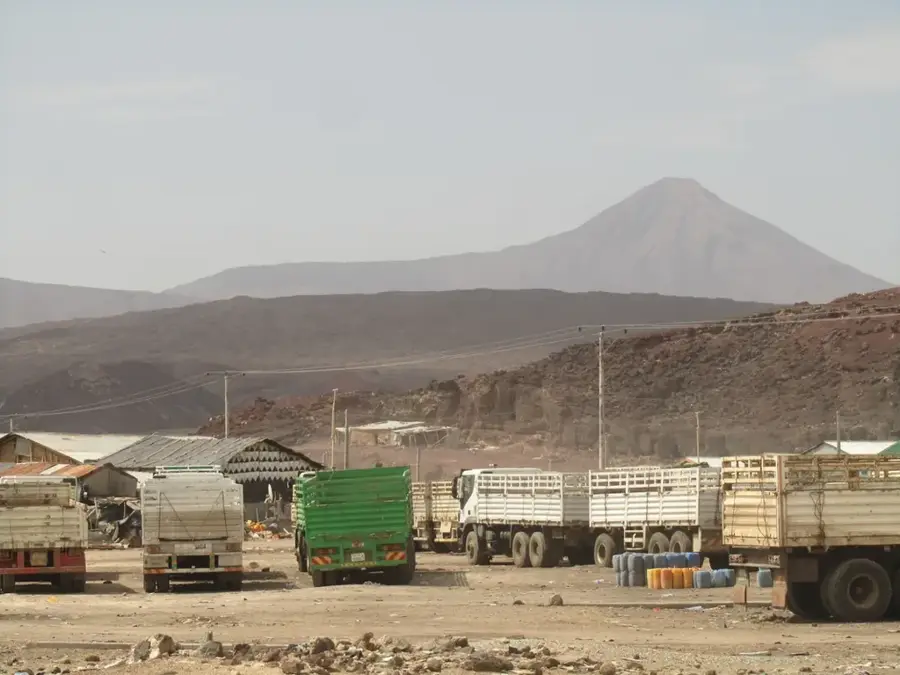
Mount Borawli
An isolated volcanic mountain north of Obock, rising majestically above the arid coastal plain.
Learn more →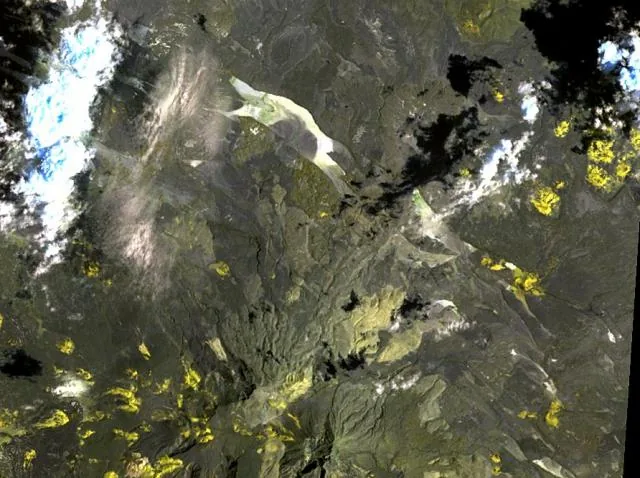
Moussa Ali
The highest mountain in Djibouti, a stratovolcano at the triple point with Ethiopia and Eritrea.
Learn more →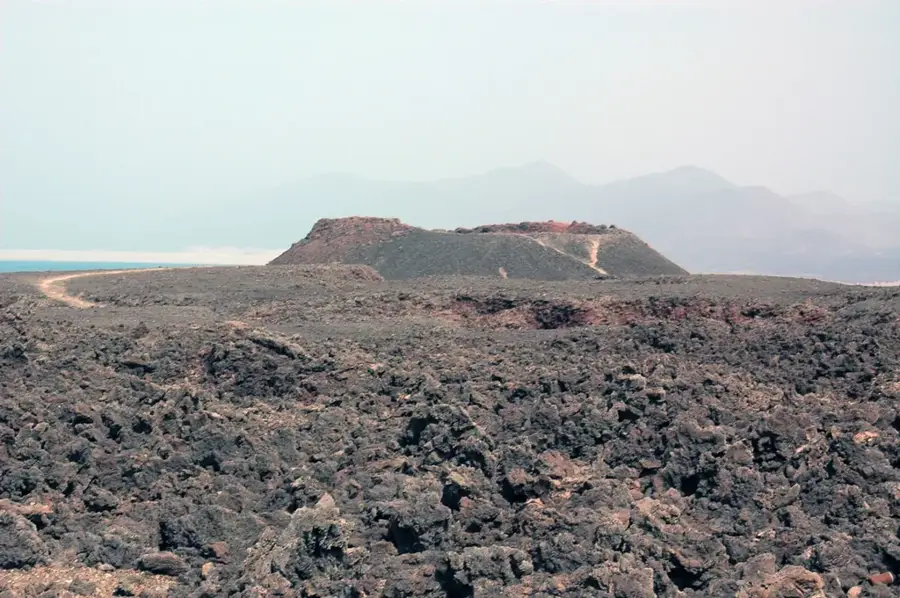
Ardoukoba Volcano
An active volcano that last erupted in 1978 after a long period of dormancy.
Learn more →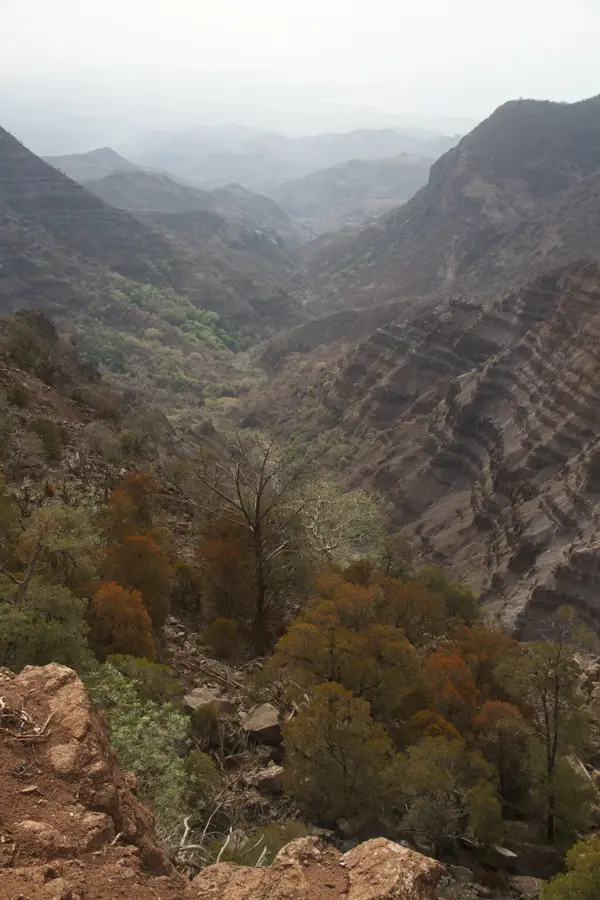
Goda Mountains
A mountain massif in northern Djibouti, known for its cooler climate.
Learn more →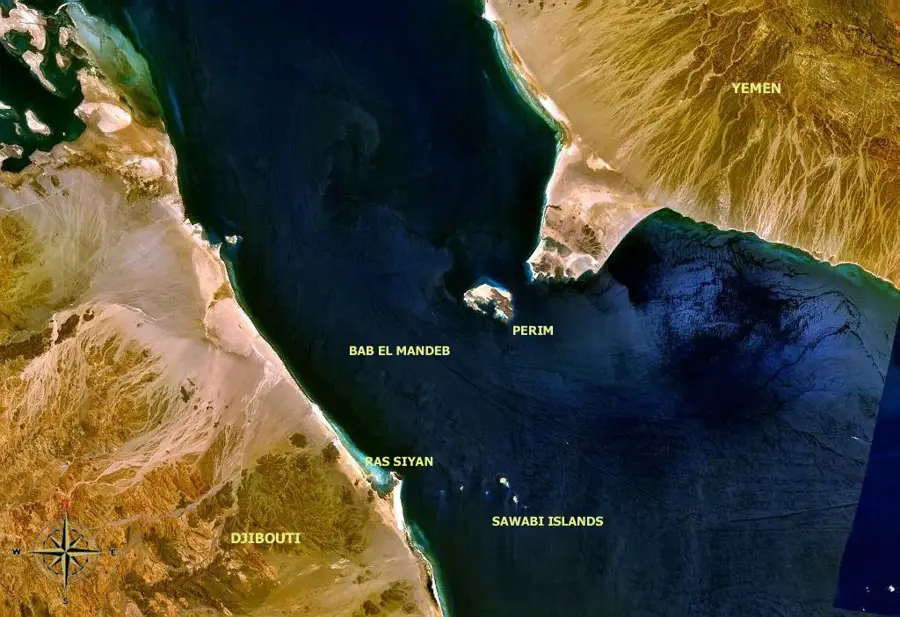
Ras Siyyan
A volcanic hill on a peninsula overlooking the Bab-el-Mandeb strait.
Learn more →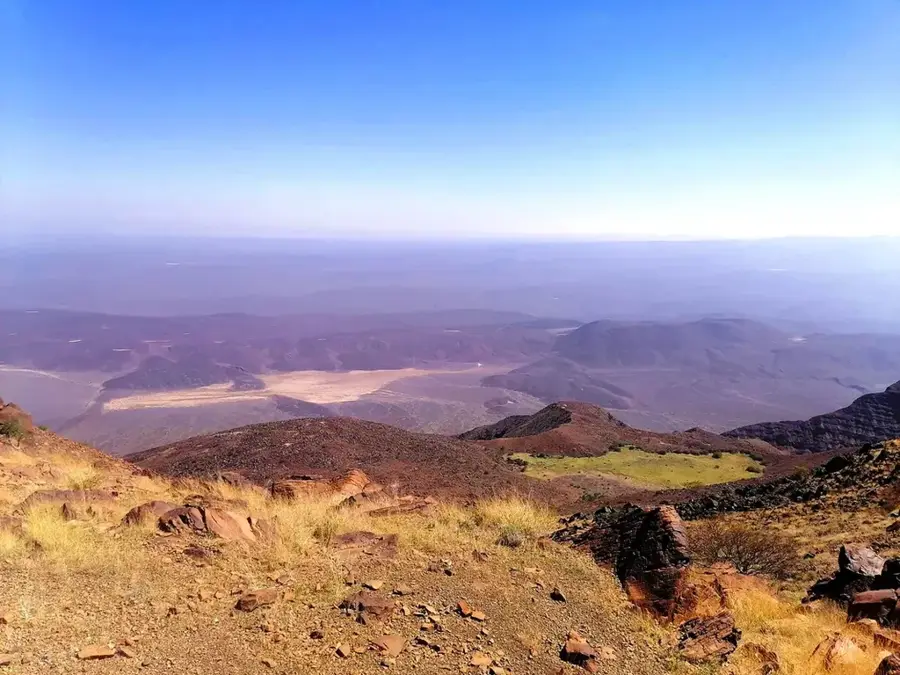
Mount Garbi
A prominent peak in the Dikhil region, surrounded by desert landscapes.
Learn more →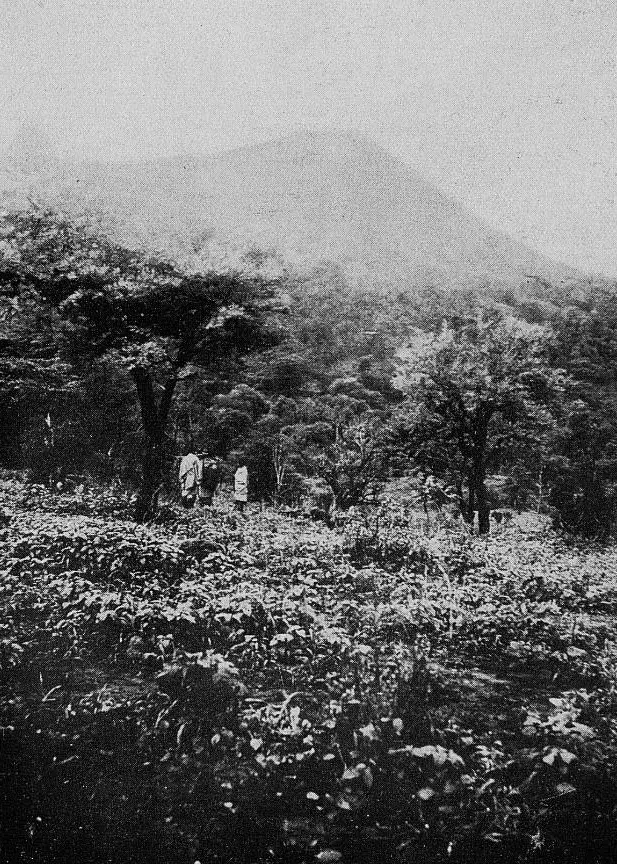
Mabla Mountains
A mountain range in northern Djibouti, known for its rich flora.
Learn more →More highlights
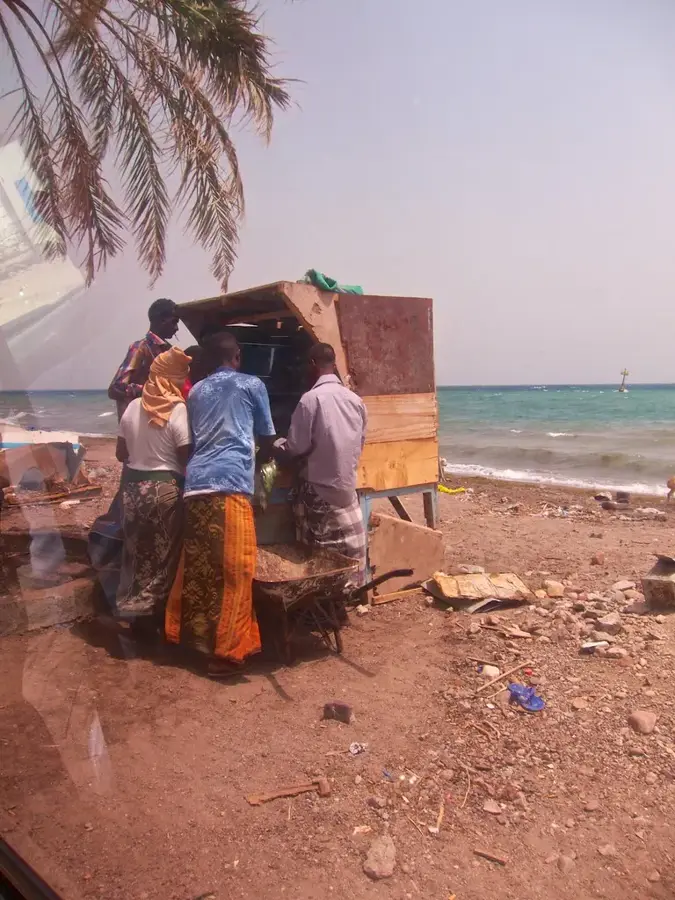
Tadjourah Sultanate Palace
The historical seat of the Sultan of Tadjourah represents the centuries-old tradition of the Adal Sultanate and the cultural identity of the Afar.
Learn more →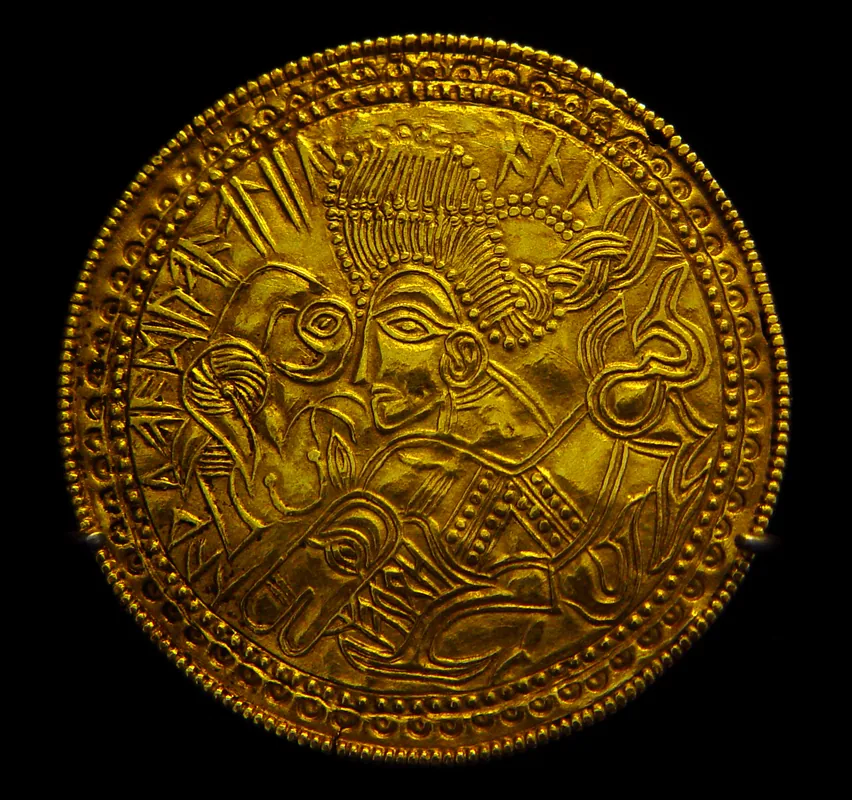
Goda Mountains Megaliths
The Goda Mountains contain numerous enigmatic megalithic tombs and stone structures that testify to pre-Islamic burial rites.
Learn more →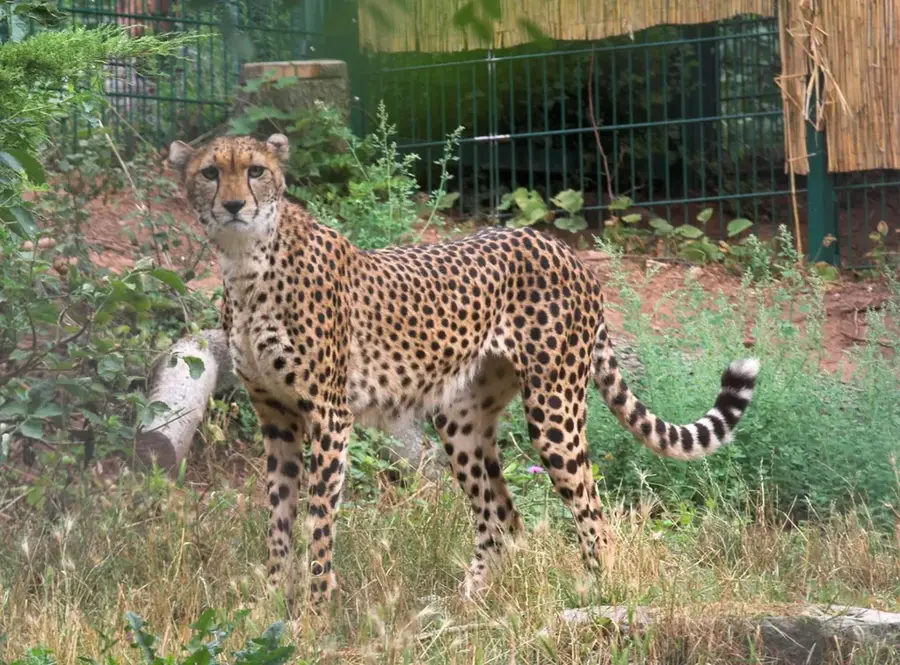
DECAN Wildlife Refuge
A vital sanctuary for confiscated and injured wildlife, such as cheetahs, lions, and antelopes, located near the capital.
Learn more →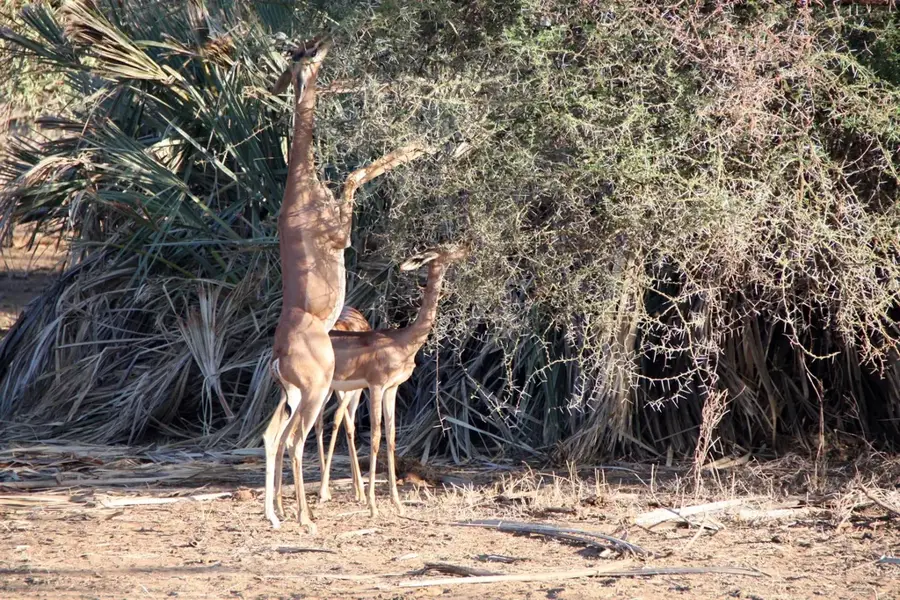
Djalelo Wildlife Reserve
This reserve protects the unique flora and fauna of the arid hilly landscape, including birds of prey and rare antelopes.
Learn more →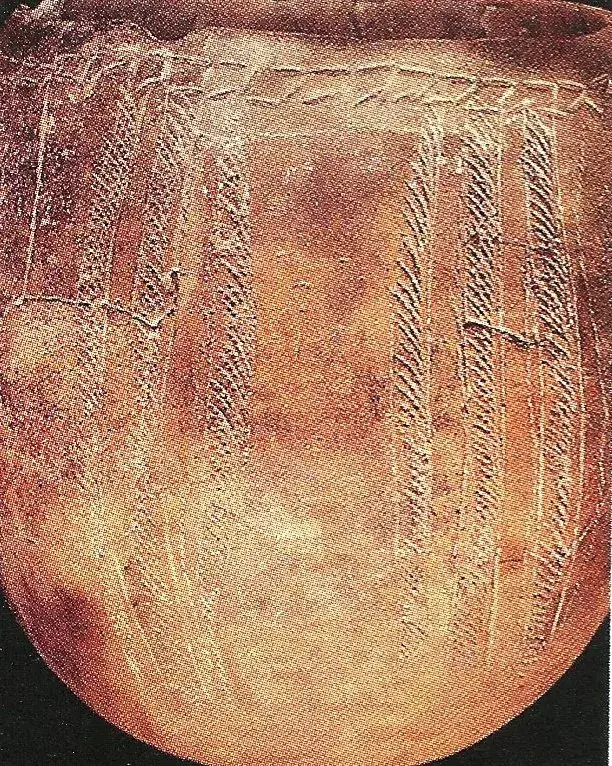
Asa Koma
A Neolithic site near Lake Abbe that provides insights into the life of early fishers and herders from 4,000 years ago.
Learn more →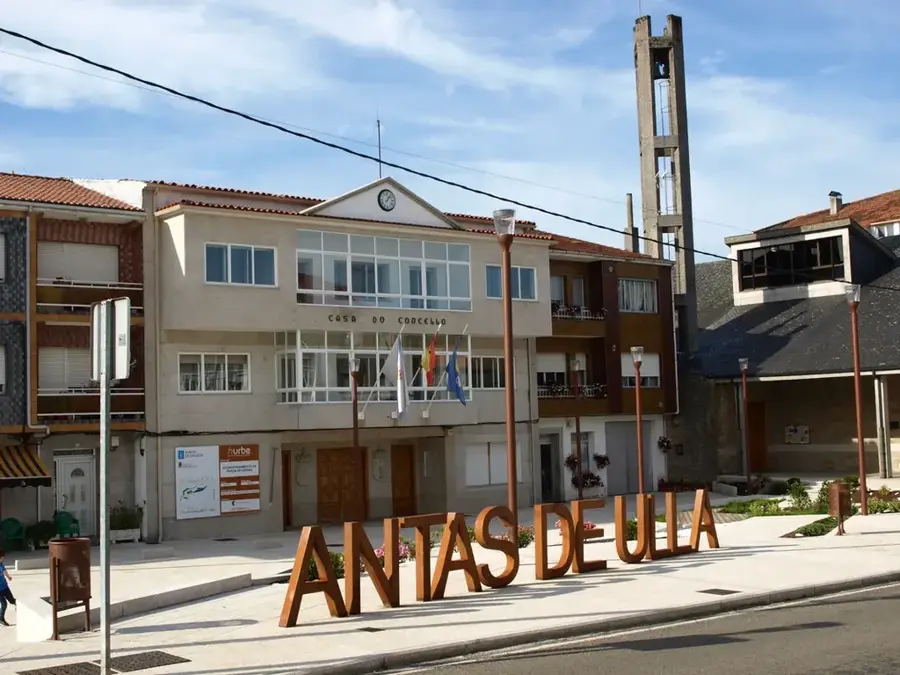
Ancient Wells of Dorra
These centuries-old wells in the arid Dorra region are vital historical infrastructures of the nomadic Afar culture.
Learn more →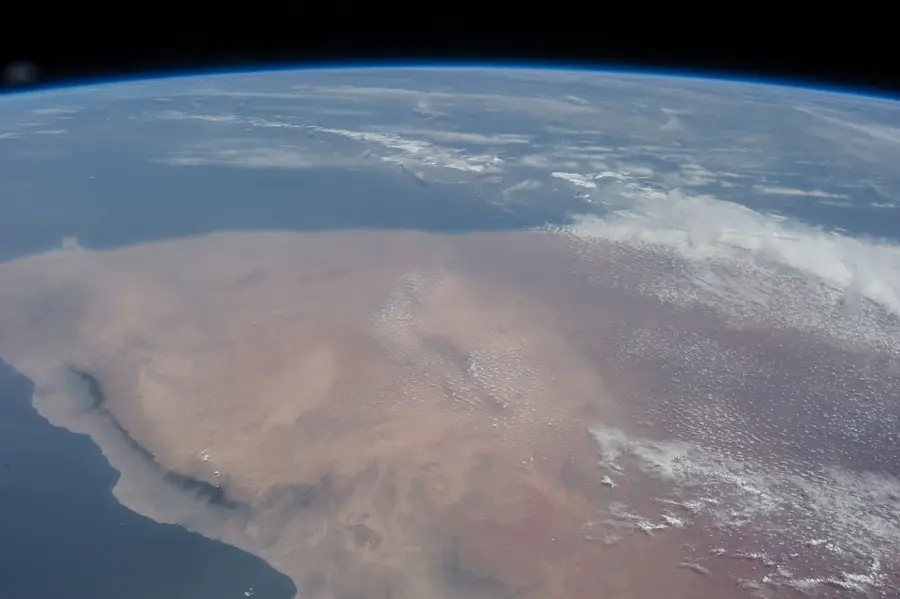
Ghoubbet Cliffs
Steep, dark basalt cliffs surrounding the Ghoubbet-el-Kharab, creating a dramatic contrast with the blue water.
Learn more →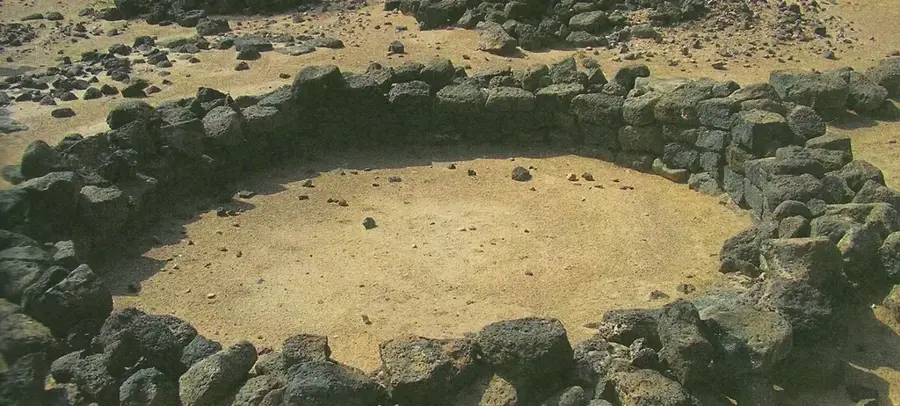
Handoga Archaeological Site
An important excavation area near Dikhil, featuring finds from a millennia-old settlement by early nomadic cultures.
Learn more →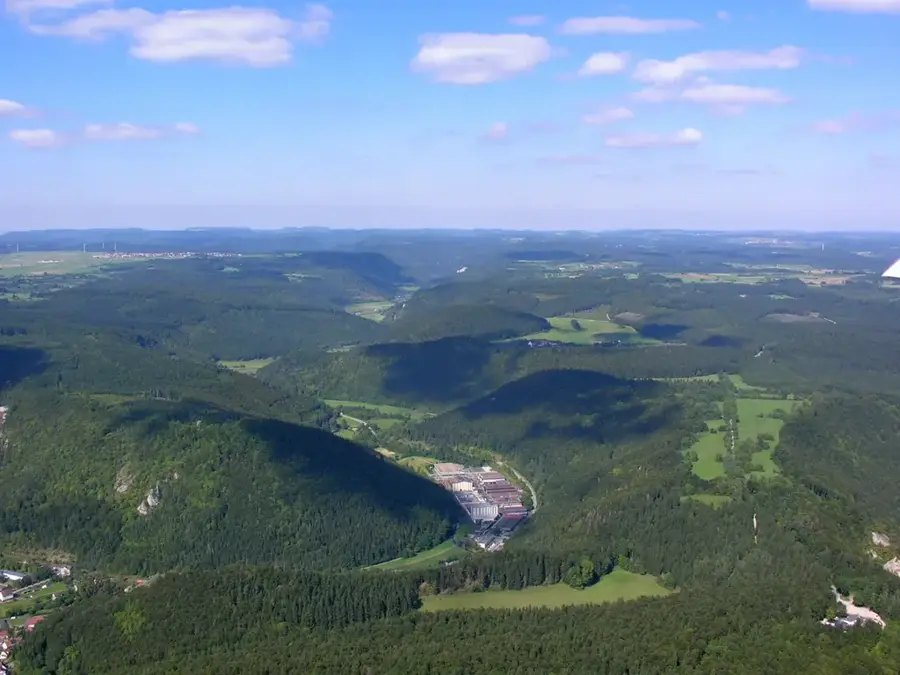
Petit Bara Depression
The smaller sibling of the Grand Bara depression, consisting of a hard, cracked earth surface typical of the arid region.
Learn more →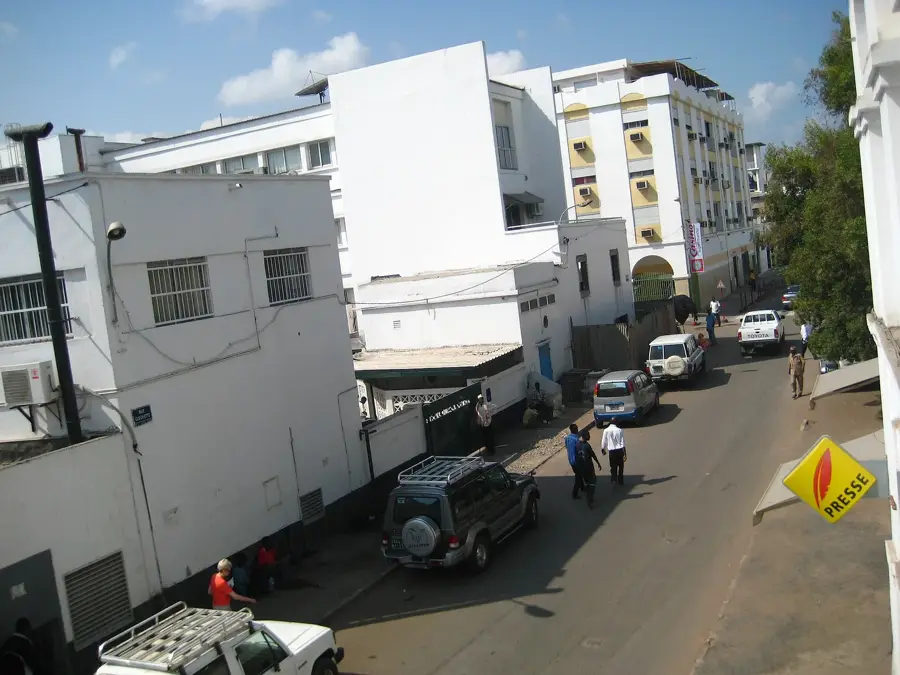
Djibouti Aquarium
An exciting destination for children to see the rich marine world of the Red Sea and the Gulf of Aden up close.
Learn more →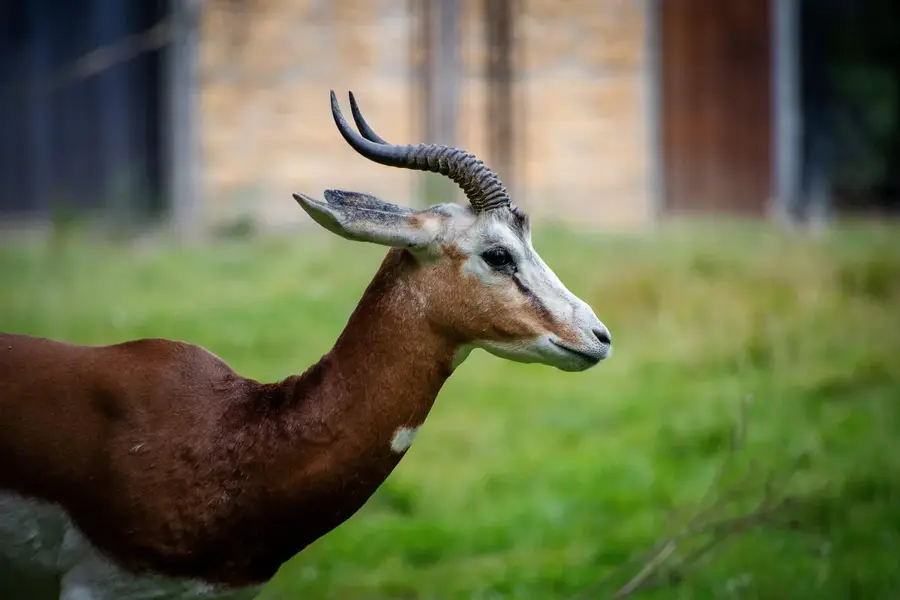
Assamo Gazelle Sanctuary
A protected area in the south of the country dedicated to the conservation of the endangered Pelzeln's gazelle.
Learn more →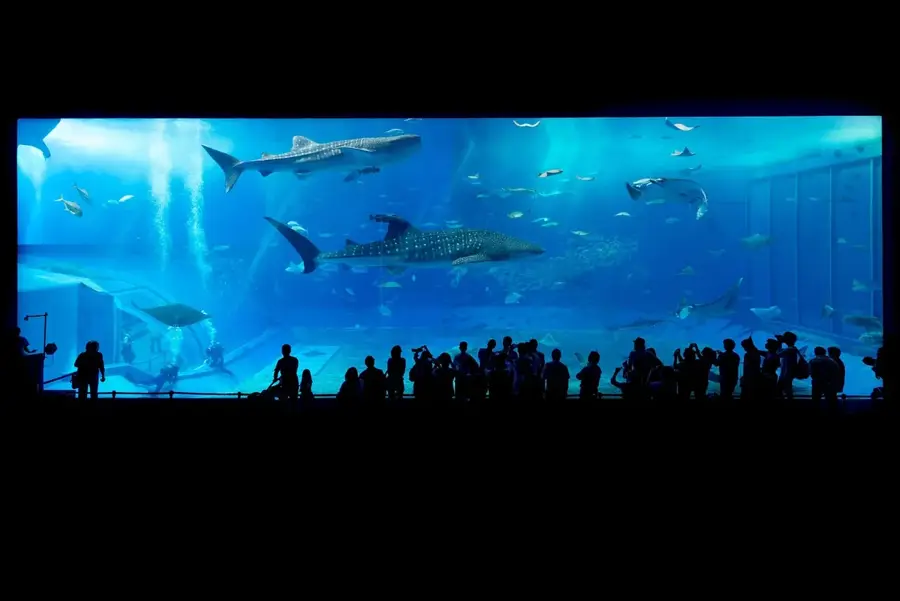
Ghoubbet Whale Shark Sanctuary
The plankton-rich waters of Ghoubbet Bay attract numerous whale sharks every year for feeding and mating.
Learn more →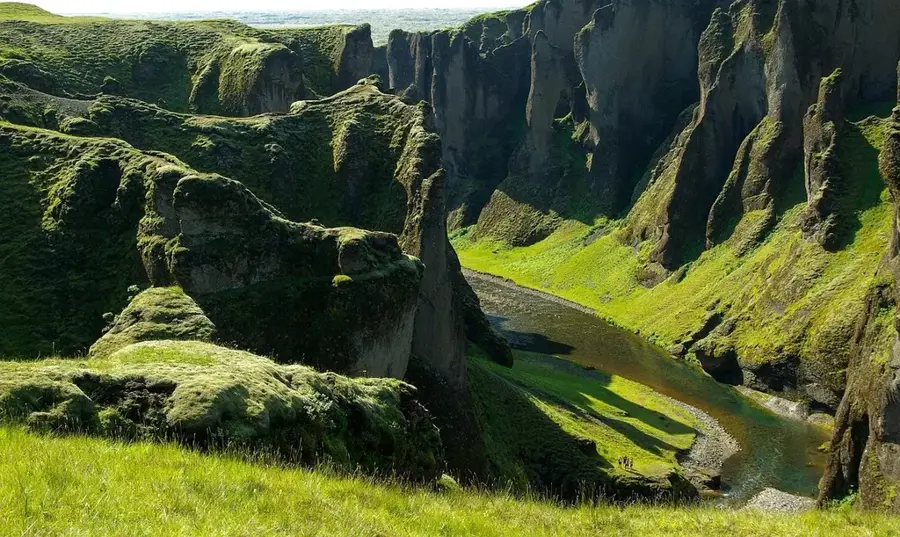
As Eyla Fault
A striking tectonic fault line near As Eyla, reflecting the dynamic earth crust in the Afar Triangle.
Learn more →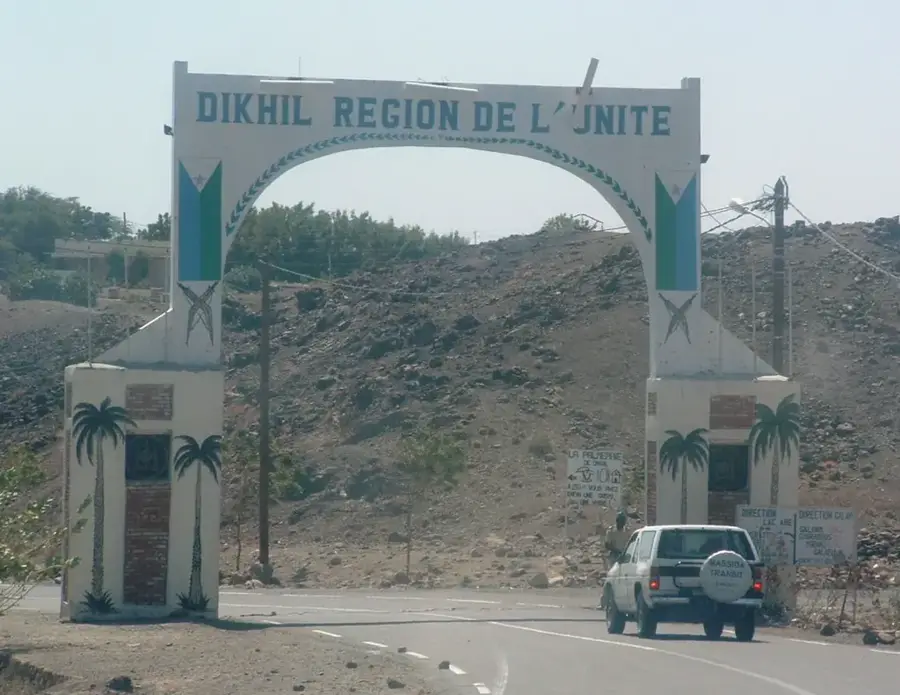
Dikhil Plateau
An extensive sandstone and basalt plateau in the southwest, dominating the landscape around the town of Dikhil.
Learn more →
Doumera Seabird Colony
The cliffs and islands near Doumera are a major breeding ground for various species of seabirds on the Red Sea.
Learn more →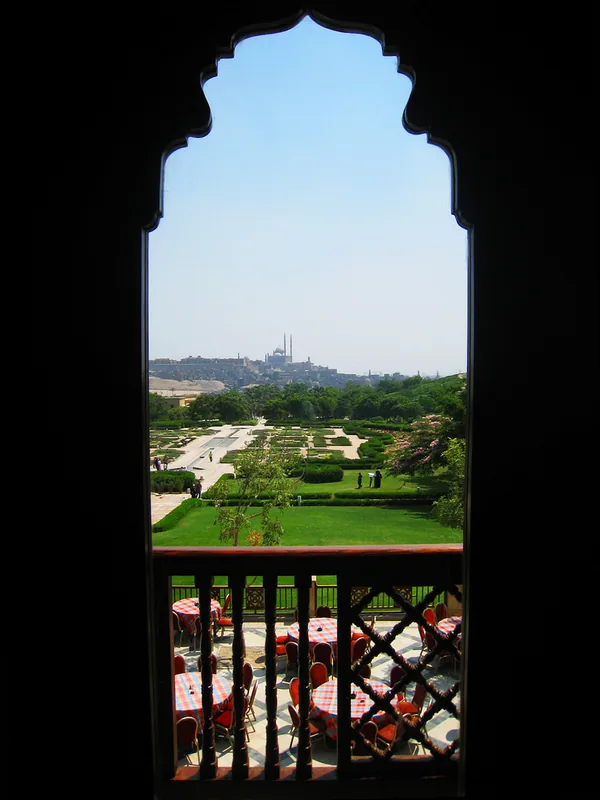
Randa Fruit Orchards
Thanks to the cooler mountain climate, various fruits such as citrus and guavas are grown in Randa.
Learn more →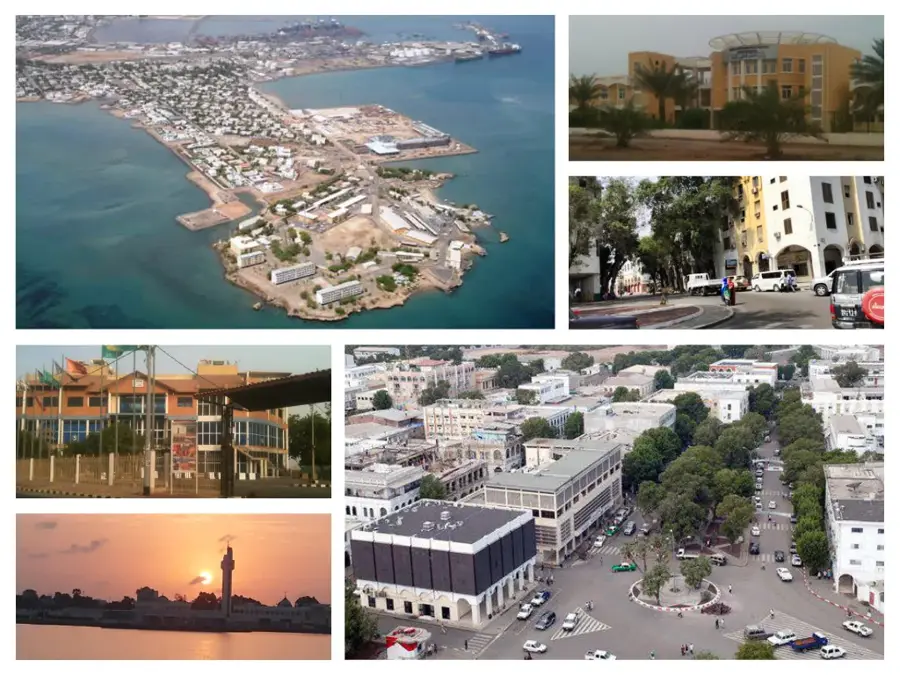
Ambouli Oasis
A green belt of fertile land where fruits and vegetables are grown to supply the capital.
Learn more →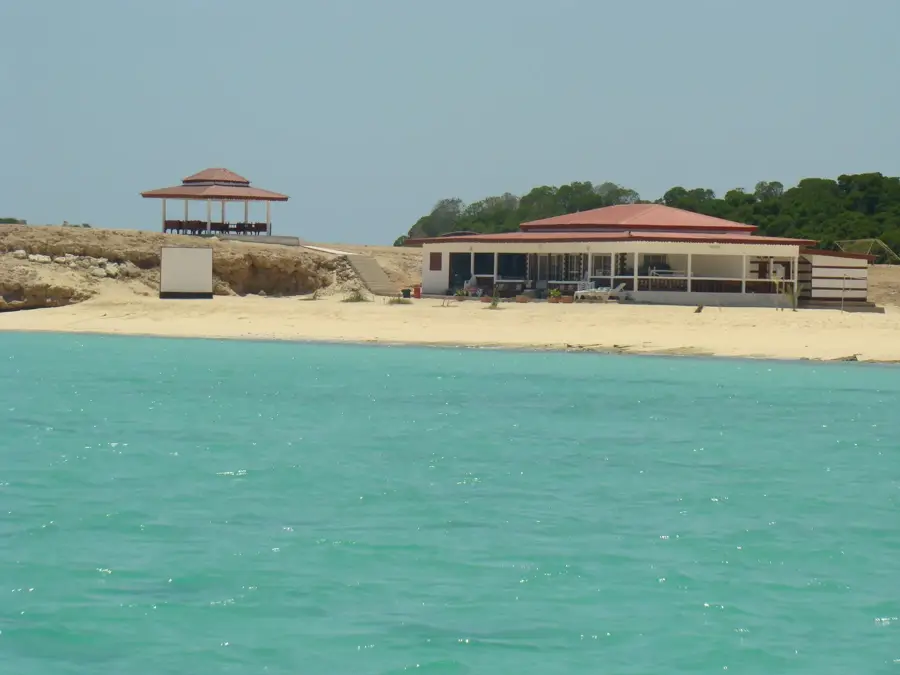
Moucha Islands Coral Reefs
A colorful underwater habitat that hosts an enormous variety of tropical fish and corals.
Learn more →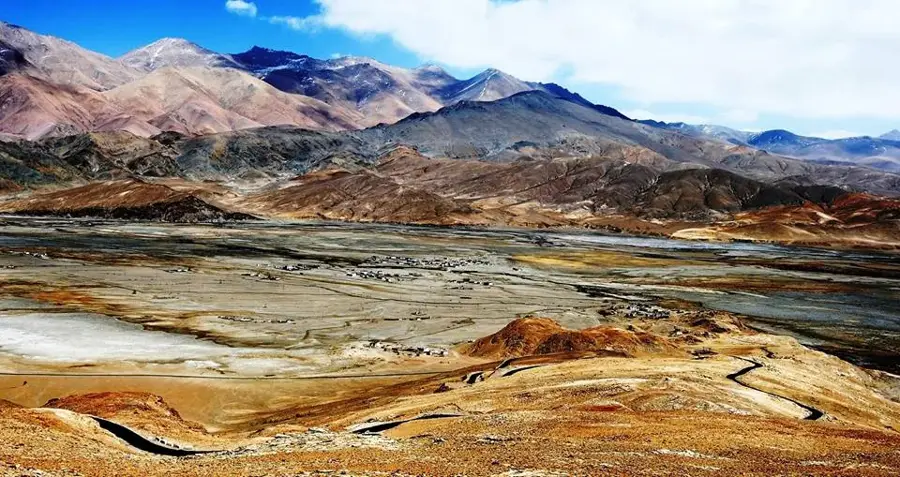
Hanle Plain Grazing Grounds
One of the most fertile plains in the country, serving as a key grazing area for nomadic livestock herding.
Learn more →
Doda Plain
A semi-arid plain in the north, forming the transition between the highlands and the coastal zone.
Learn more →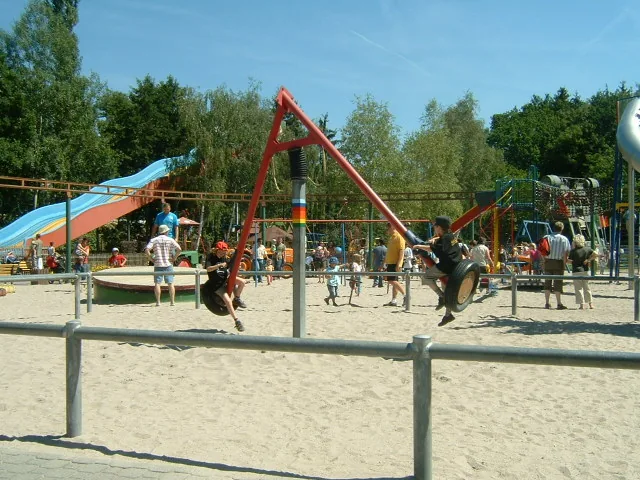
Parc de l'Unité
A popular park in the capital with playgrounds and green spaces, ideal for family outings.
Learn more →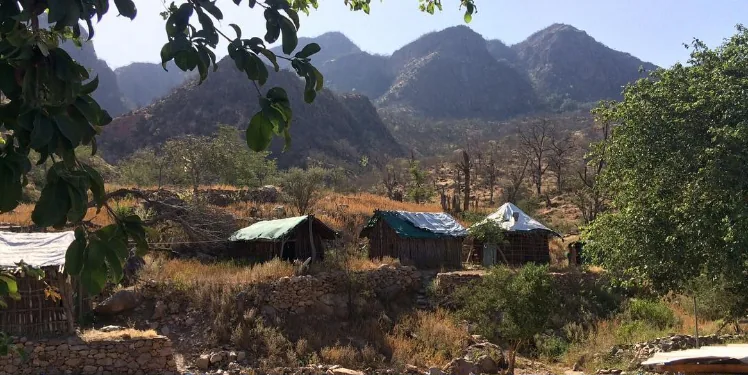
Bankoualé Gardens
Terraced gardens in the Goda Mountains, known for growing palms and producing local honey.
Learn more →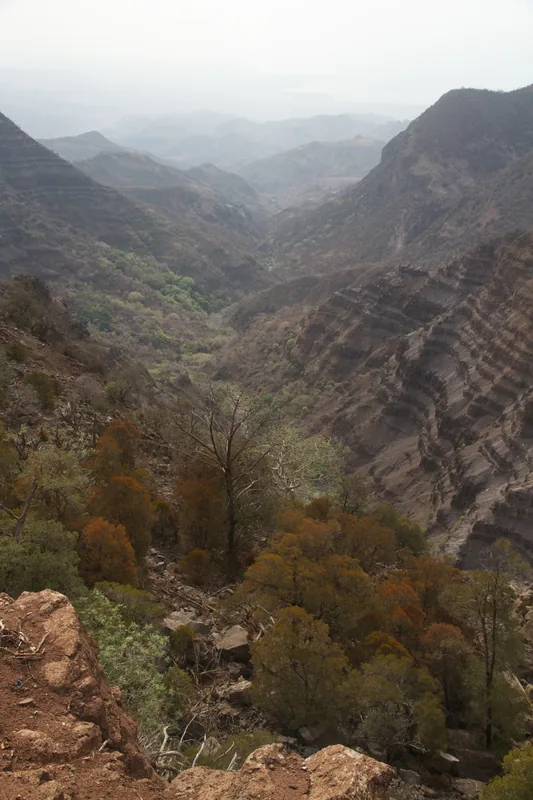
Day Forest
A national park in the Goda Mountains, protecting one of the few forested areas in the country.
Learn more →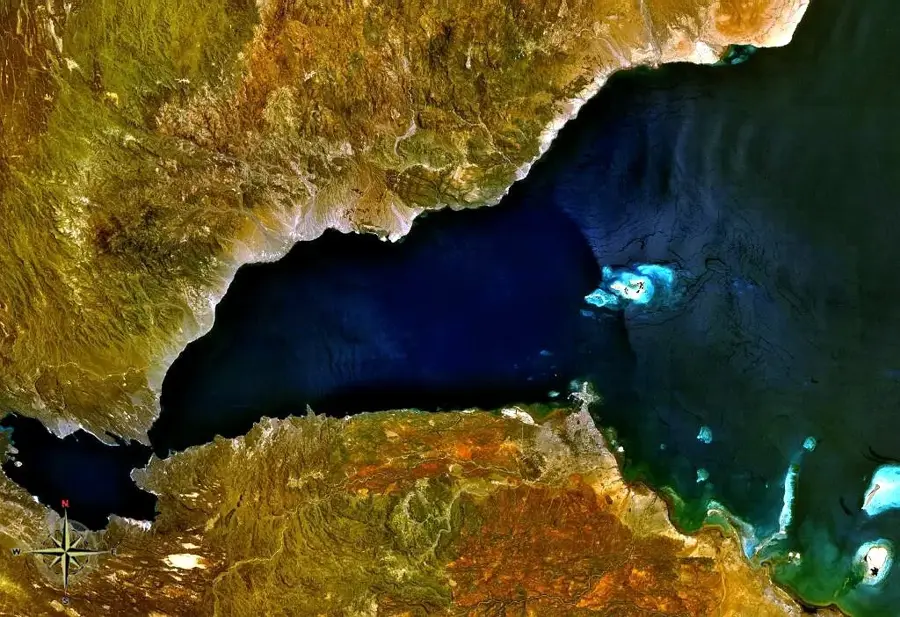
Gulf of Tadjoura
A deep gulf of the Indian Ocean, surrounded by coral reefs and coastal towns.
Learn more →Frequently asked questions
What are the top attractions in Djibouti?
Among the most popular are Stade El Hadj Hassan Gouled Aptidon, Unity Monument, Cathedral of Our Lady of the Good Shepherd, Central Market, Doraleh Multi-Purpose Port and many more – the full top 50 list is on this page.
When is the best time to visit Djibouti?
May to October offers the most pleasant weather; July and August are warmest and busiest.