Plizio Visual Lab
Ciego de Ávila

ℹ️Practical info — Ciego de Ávila
▾
🌤 Weather — 5 days
📍 Nearby
Sights nearby
💡 Tips
- Stroll down Calle Independencia in the late afternoon to see the bustling city life and arcades.
- Rent a horse-drawn carriage (coche de caballo) for a traditional way to get around the city.
- Check the schedule for the Teatro Principal for an authentic local cultural evening.
- Internet access may require ETECSA scratch cards purchased at designated public spots.
- Bring your own water bottle as finding bottled water can sometimes be challenging.
🍽 Food
Look for this classic Cuban shredded beef dish at private paladares near the center.
Try them at local juice stands along the main avenues.
A staple roasted pork dish to enjoy in family-run restaurants.
🛍 Shopping · 🧘 Quiet spots
Available at small artisan stalls near the central park.
Best purchased at official state-run stores to guarantee authenticity.
A spacious central park with shade, great for people-watching.
Take a short trip outside the city for a peaceful natural lake setting.
Water temperature…
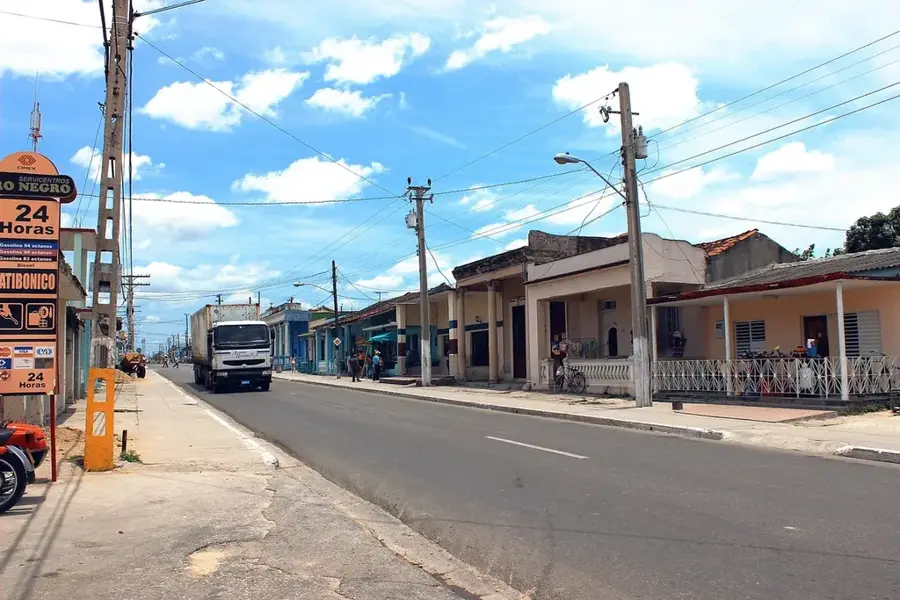
Ciego de Ávila, located in central Cuba, is the capital of the province that shares its name and is recognized as one of the most modern and well-planned cities on the island. Founded in 1840, it gained municipal status in 1877, growing significantly with the arrival of the Central Railroad and the construction of the Carretera Central. The city is colloquially known as the 'City of Portals' due to the widespread neoclassical arches and covered walkways that characterize its urban architecture, designed to shelter pedestrians from the intense heat and heavy tropical rains. Geographically, it sits on a vast, flat plain with red soils that are among the most fertile in Cuba. This has made the region an agricultural powerhouse, particularly famous for its pineapple production, the pineapple is even featured in the city's symbols. Historically, the area is noted for the 'Trocha de Júcaro a Morón,' a massive 68-kilometer defensive line built by the Spanish in the 19th century to bisect the island and prevent revolutionary forces from moving westward. Today, Ciego de Ávila serves as the essential logistics and supply hub for the Jardines del Rey tourism development on the northern coast, including Cayo Coco and Cayo Guillermo. Cultural landmarks include the Teatro Principal, one of the finest theaters in the country, and the Galería de Arte Raúl Martínez. The city's atmosphere is industrious and orderly, with a strong focus on community life centered around Parque Martí. Its strategic location makes it a vital junction for national trade and transportation, while its educational institutions contribute to the region's development in agricultural sciences and technology.
Explore on the map
How well do you know Cuba?
Find cities, landscapes and regions in 10 varied challenges on the interactive map.
Your journey, your memory
A postcard from Ciego de Ávila
Turn your own photo into a personal postcard with a local stamp. Free and no sign-up required.
Create a postcard- Location: Cuba
- Highlights: Roman Catholic Diocese of Ciego de Ávila · José Ramón Cepero Stadium · Ciro Redondo Municipal Museum
- Nearby: Venezuela (12 km)
- Population: ~142.027 (2026)
Best time to visit & climate
The most pleasant time to visit is Jan, Feb, Dec.
| Jan | Feb | Mar | Apr | May | Jun | Jul | Aug | Sep | Oct | Nov | Dec | |
|---|---|---|---|---|---|---|---|---|---|---|---|---|
| Avg °C | 23 | 24 | 25 | 27 | 27 | 28 | 28 | 28 | 28 | 27 | 25 | 24 |
| Rain mm | 16 | 21 | 36 | 53 | 142 | 154 | 84 | 128 | 137 | 116 | 40 | 19 |
Geography
Facts
- Founded in 1840; became a provincial capital in 1976.
- Known as the 'City of Portals' for its unique architecture.
- The pineapple is the official city fruit and symbol.
- Home to the historic 'Trocha de Júcaro a Morón' fortifications.
- Strategic stop on the Carretera Central and Central Railway.
- The Teatro Principal is a major regional cultural venue.
- Population of the municipality is approximately 155,000.
- Located 460 km east of Havana.
Explore nearby
Notable places around
Route planner — Car & Motorhome
Where do you start? We build the route here, with stops and country notes along the way.
© OpenStreetMap contributors · OpenRouteService
Sights in the town Ciego de Ávila (3)
Frequently asked questions
What is the city center?
How to get to the Cayos?
Are there cultural centers?
Is it worth a stop?
What is the local art like?
Ciego de Ávila: where is it located?
Ciego de Ávila: what is there to see?
Ciego de Ávila: when is the best time to visit?
Ciego de Ávila: why is it worth visiting?

Nearby cities
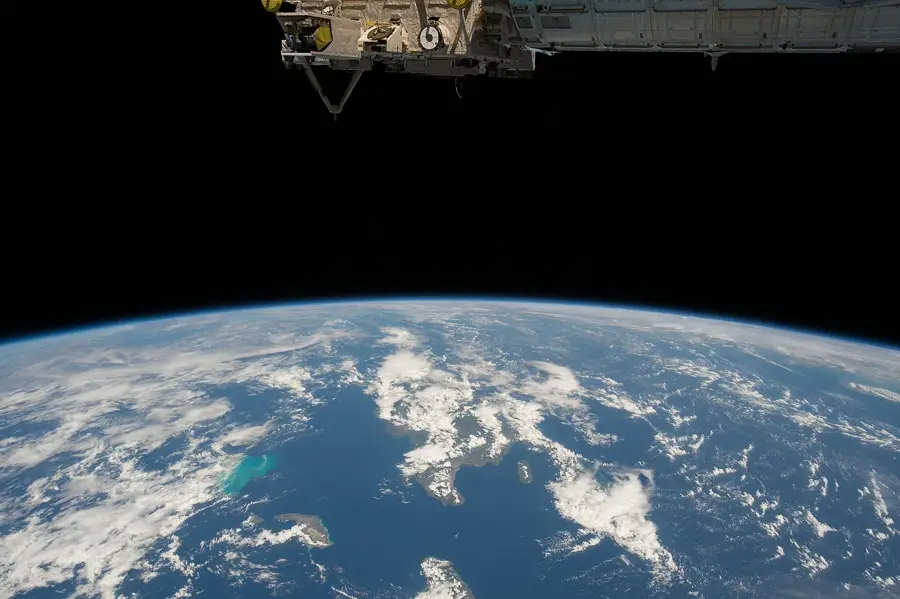
History & landmarks
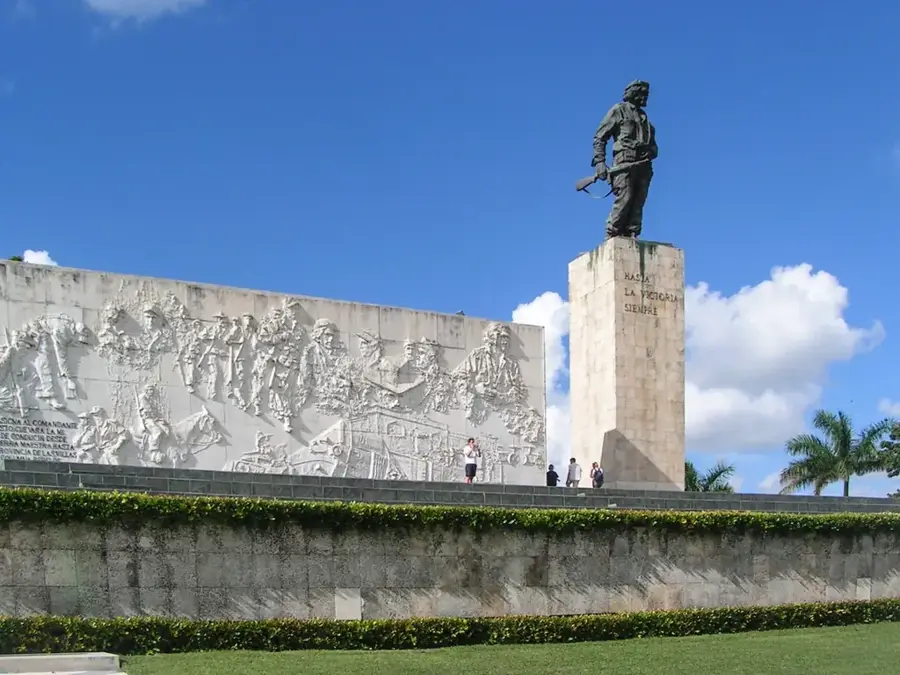
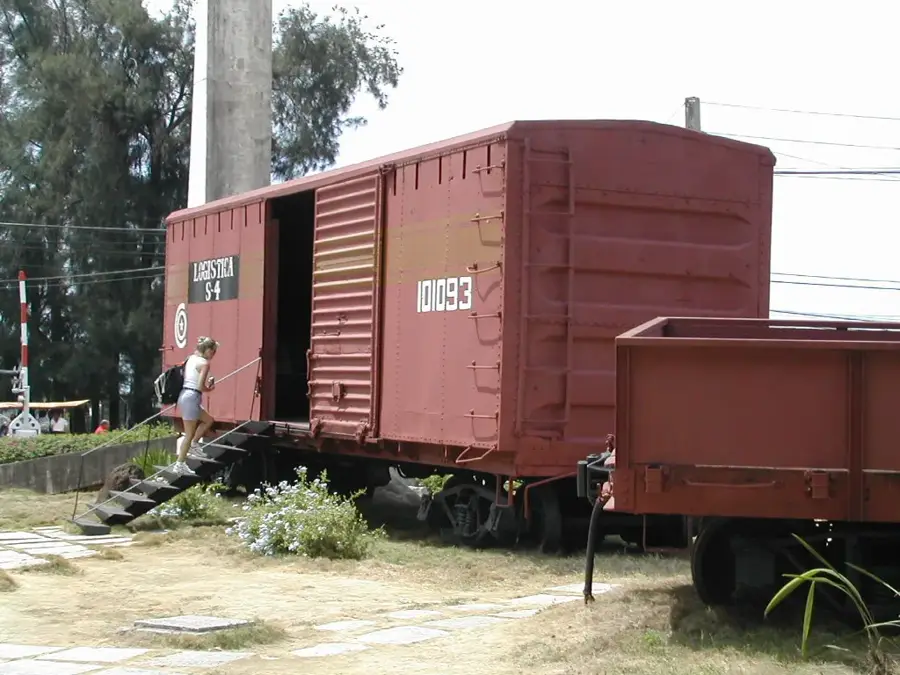
Nature
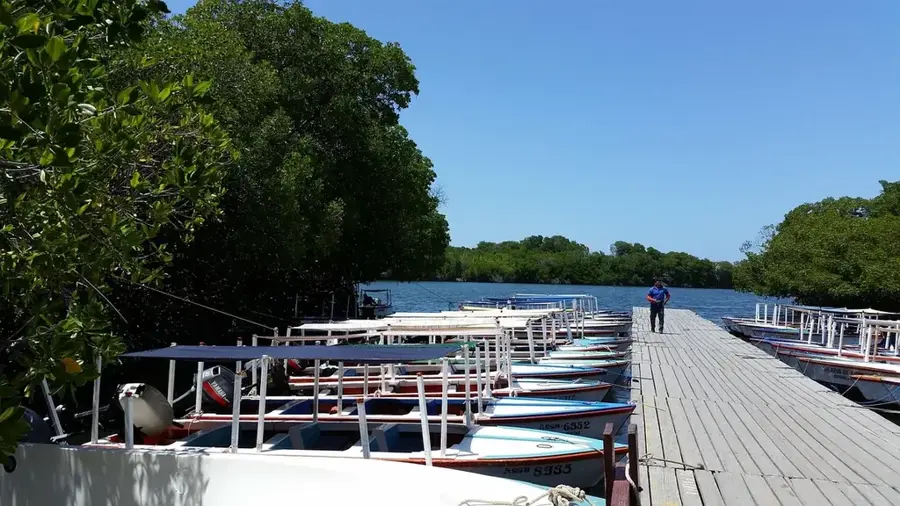
More places