Plizio Visual Lab
Omoka
ℹ️Practical info — Omoka
▾
🌤 Weather — 5 days
📍 Nearby
Sights nearby
💡 Tips
- Omoka is highly remote and access is mostly by irregular cargo ships or infrequent flights; flexibility with travel dates is essential.
- The local economy is largely based on pearl farming and fishing; take the opportunity to observe these daily activities at the lagoon.
- Bring everything you might need from Rarotonga, including basic medicines, toiletries, and extra snacks, as the local store has limited stock.
- The community is deeply religious; refrain from swimming or loud activities on Sundays out of respect for local customs.
- Tap water is typically rain-caught; it is highly recommended to boil or filter it before drinking.
🍽 Food
Locally caught seafood is the absolute staple here, often grilled over open fires.
Try various local preparations using fresh coconut meat and milk, available at any guesthouse.
Though rare, root vegetables brought by ship are treasured and cooked in communal ovens.
🛍 Shopping · 🧘 Quiet spots
World-renowned, finely woven hats made from coconut fiber, buy directly from the local women weavers.
Penrhyn is famous for its pearl farming; inquire with local farmers for high-quality, authentic pearls.
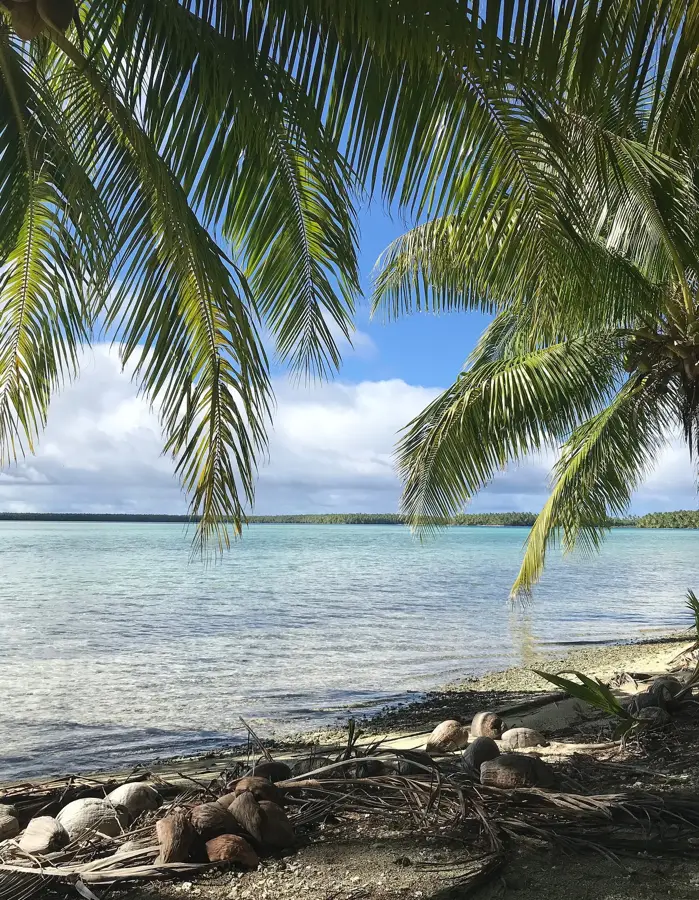
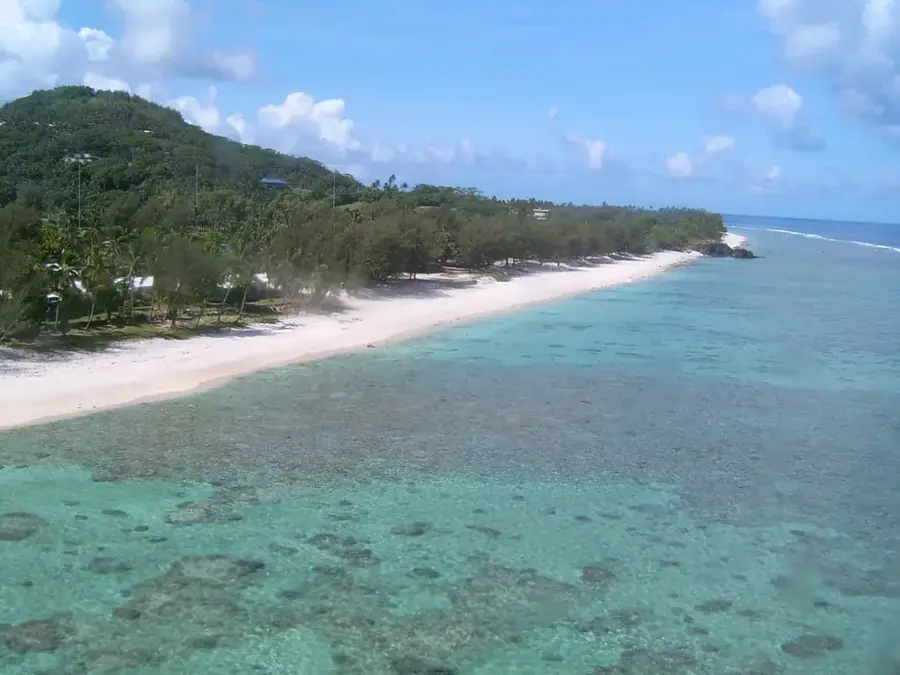
Walk along the vast, crystal-clear lagoon at dawn for total isolation and striking reflections.
Wander around the village to see historic coral stone walls and remnants of old churches.
Water temperature…
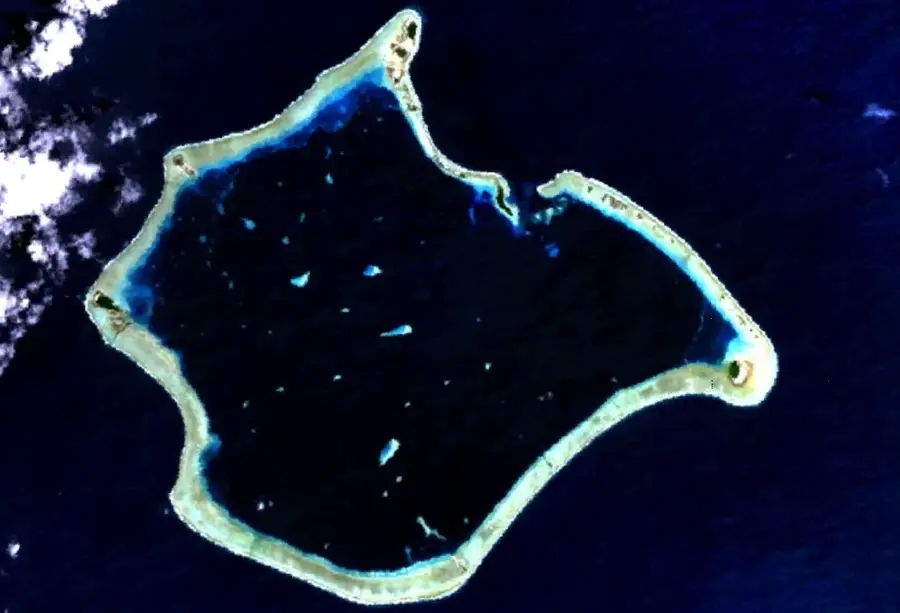
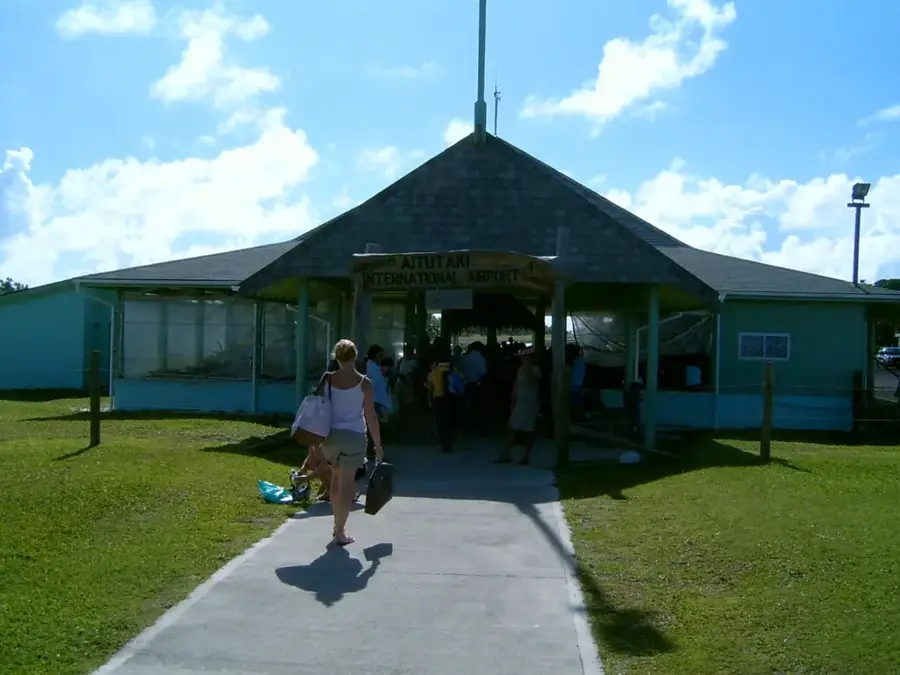
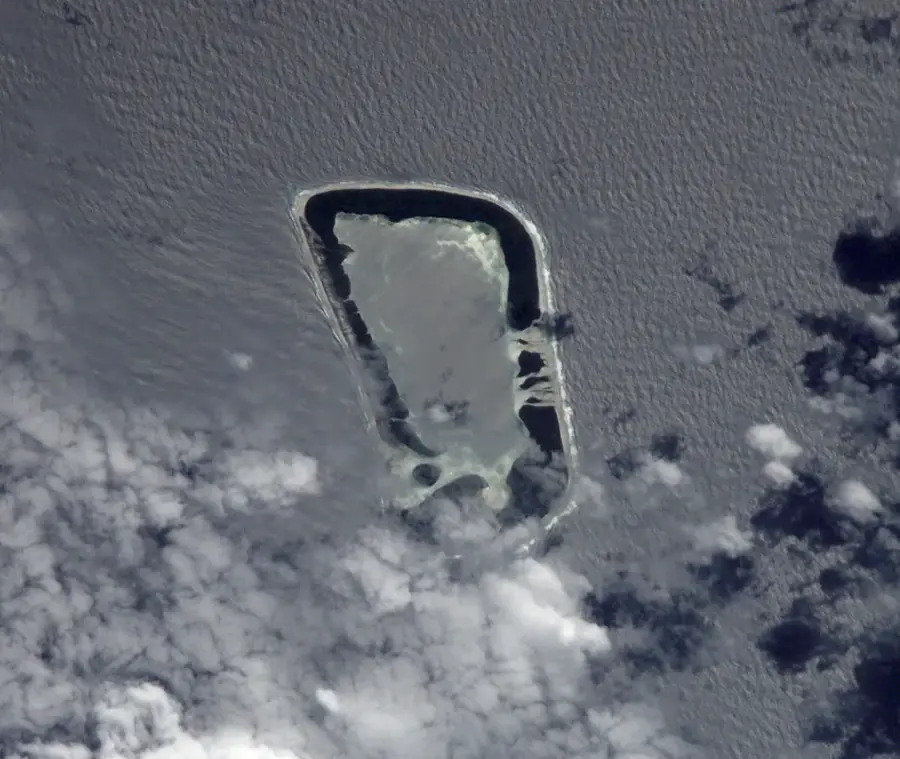
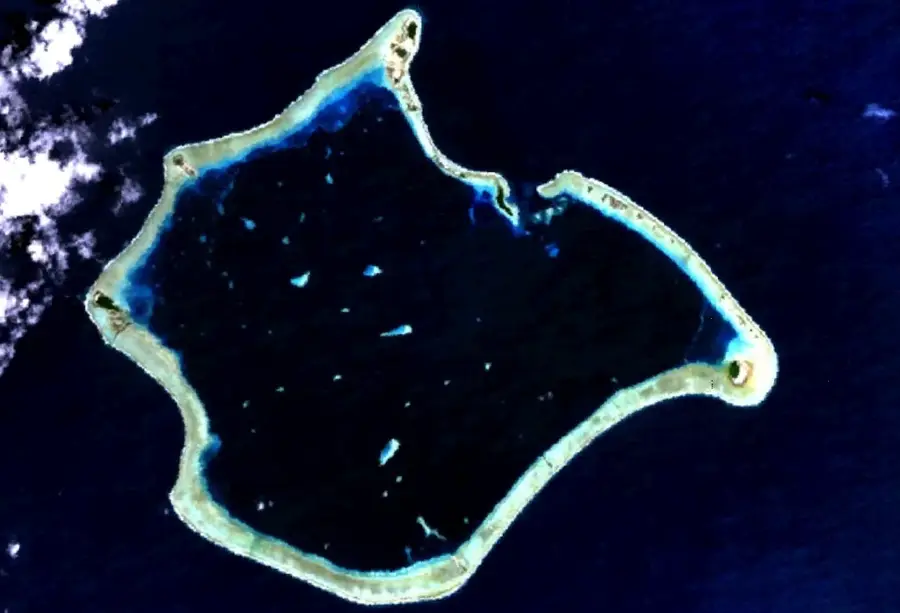
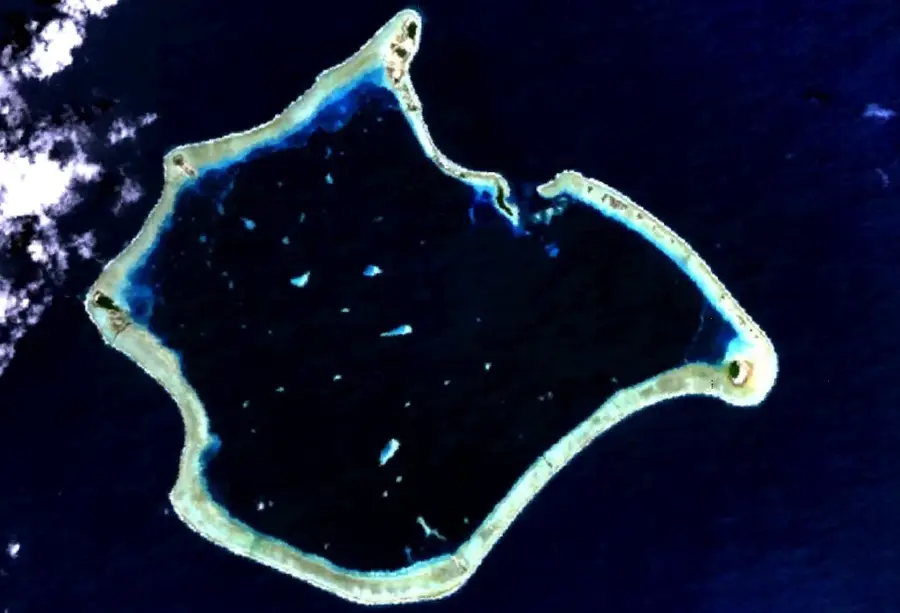
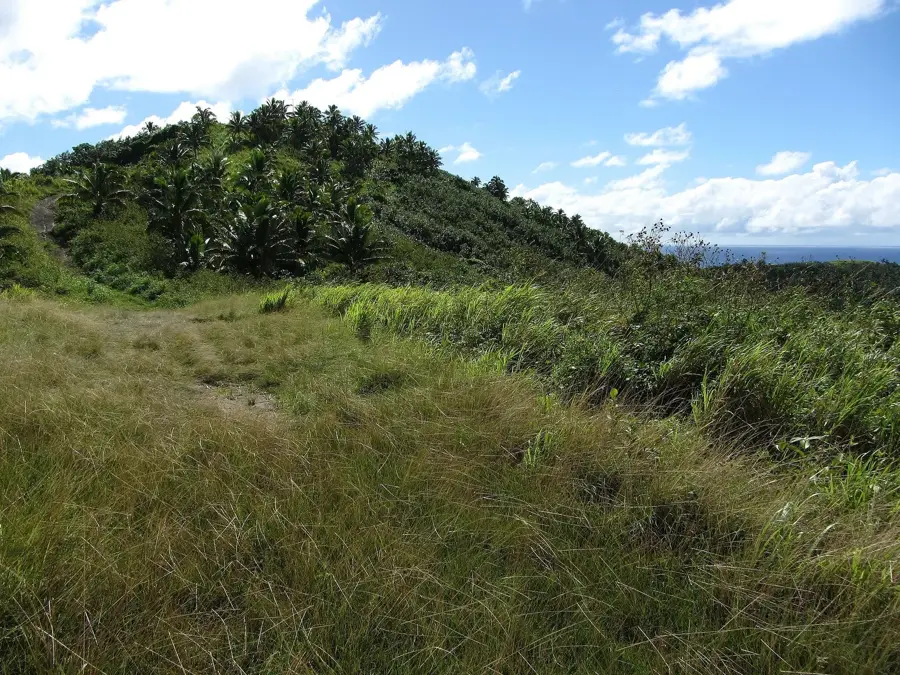
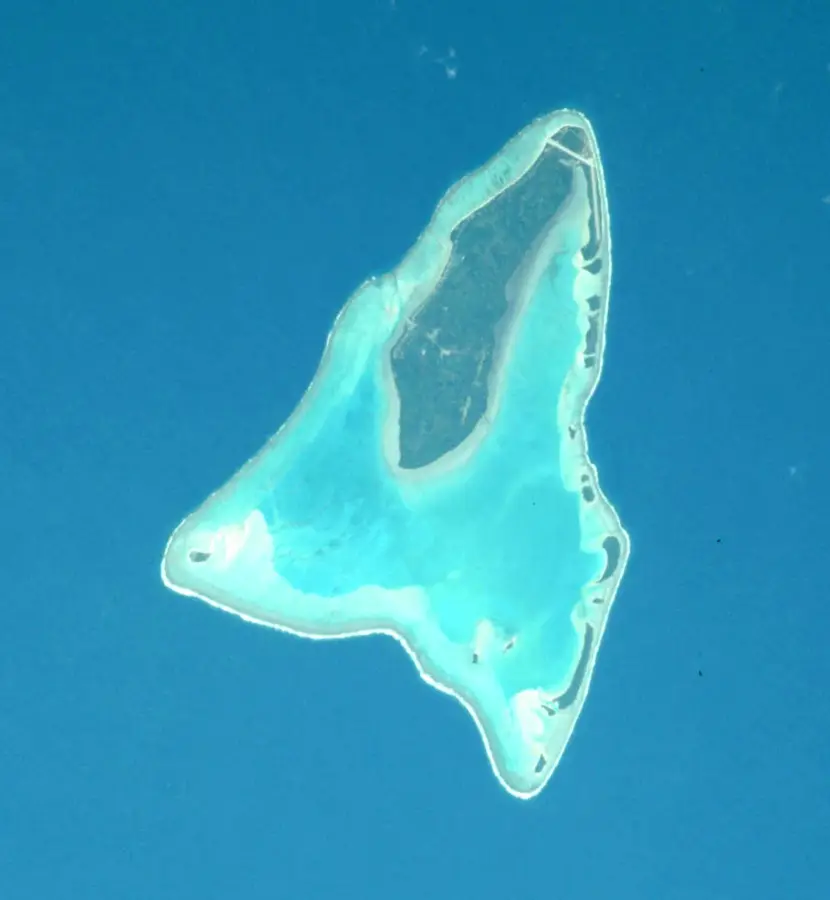
Omoka is the principal village of Penrhyn Atoll, also known as Tongareva, the northernmost and most remote inhabited island of the Cook Islands. Located on a slender motu on the western rim of a vast lagoon, the village is the heart of a community deeply connected to the sea. The local economy revolves around the black pearl industry and subsistence fishing, with the lagoon providing a bounty of marine resources. Culturally, Omoka is famous for its intricate Rito weaving; hand-crafted hats made from the fine white fibers of young coconut leaves are highly prized throughout the Pacific. The village also features a historic airstrip built during World War II, which remains a vital link to the outside world. Despite its extreme isolation, Omoka maintains a lively Polynesian heritage. For the few travelers who reach these distant shores, it features a glimpse into a traditional way of life where the rhythms of the tides and the warmth of island hospitality define the daily experience.
Explore on the map
How well do you know Cook Islands?
Find cities, landscapes and regions in 10 varied challenges on the interactive map.
Your journey, your memory
A postcard from Omoka
Turn your own photo into a personal postcard with a local stamp. Free and no sign-up required.
Create a postcardBest time to visit & climate
The most pleasant time to visit is Aug–Oct.
| Jan | Feb | Mar | Apr | May | Jun | Jul | Aug | Sep | Oct | Nov | Dec | |
|---|---|---|---|---|---|---|---|---|---|---|---|---|
| Avg °C | 28 | 28 | 28 | 28 | 28 | 28 | 28 | 28 | 28 | 28 | 28 | 28 |
| Rain mm | 178 | 152 | 146 | 87 | 100 | 81 | 75 | 53 | 44 | 79 | 78 | 118 |
Geography
Facts
- Population: 150
- Atoll: Penrhyn
- Lagoon max depth: 30 m
- Annual copra production: 50 tons
- Church built: 1850
- Pearl farms: 3
Explore nearby
Notable places around
Route planner — Car & Motorhome
Where do you start? We build the route here, with stops and country notes along the way.
© OpenStreetMap contributors · OpenRouteService
Frequently asked questions
Where is Omoka located?
Is Omoka a tourist destination?
What is the main activity of the residents?
How is communication on Penrhyn?
Is there an airport there?
Omoka: where is it located?
Omoka: when is the best time to visit?
Omoka: why is it worth visiting?
Nearby cities
History & landmarks
Nature
More places