Plizio Visual Lab
Suwarrow National Park
Weather…
Water temperature…
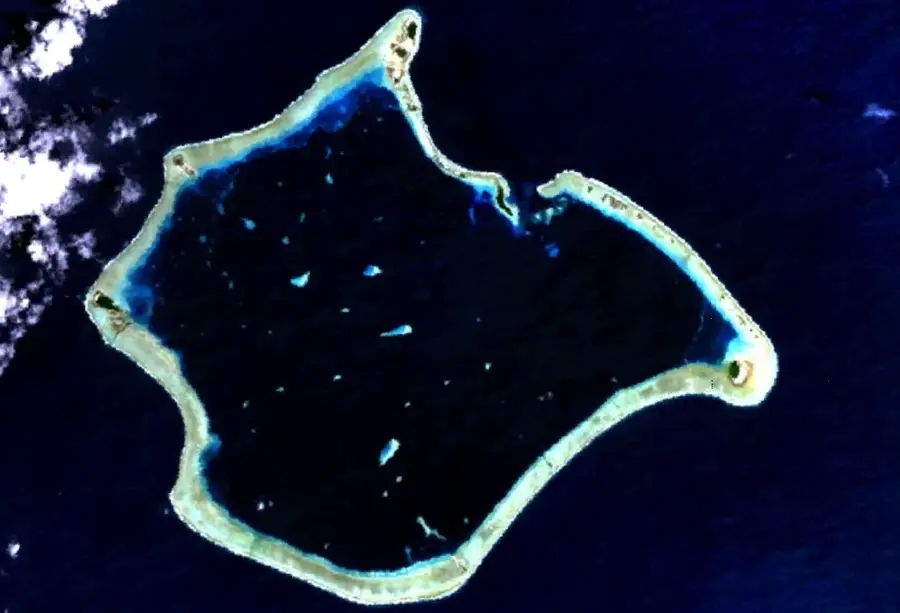
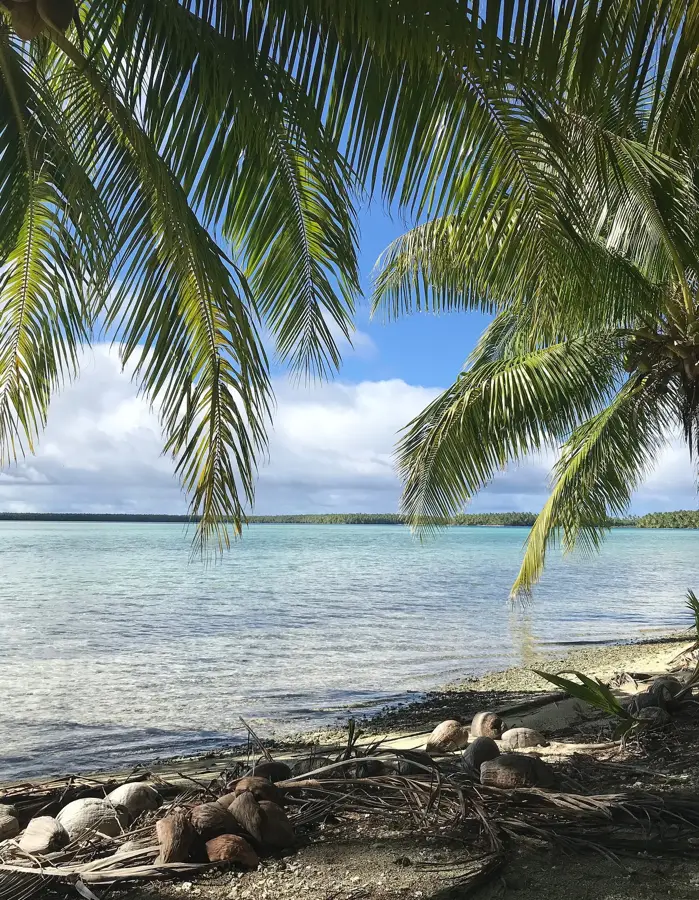
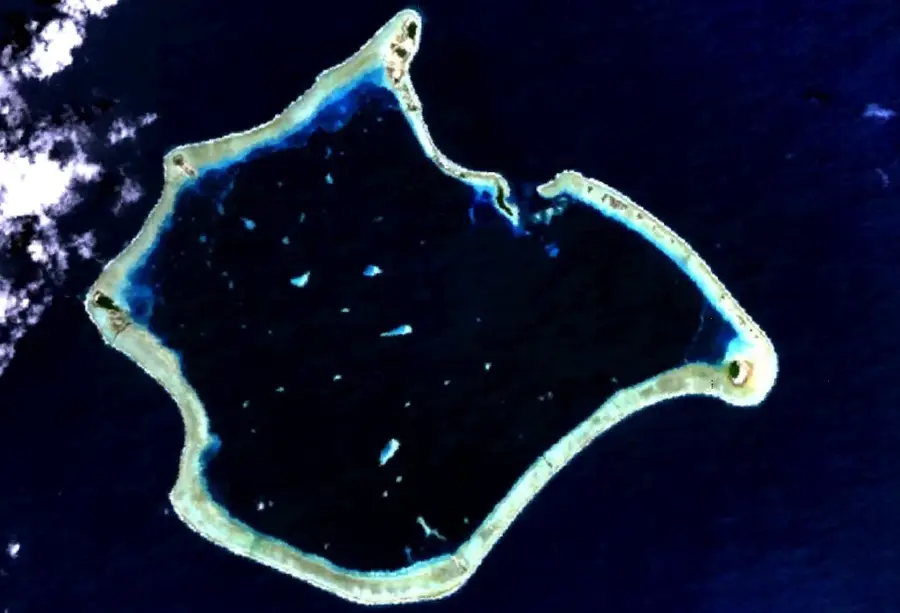
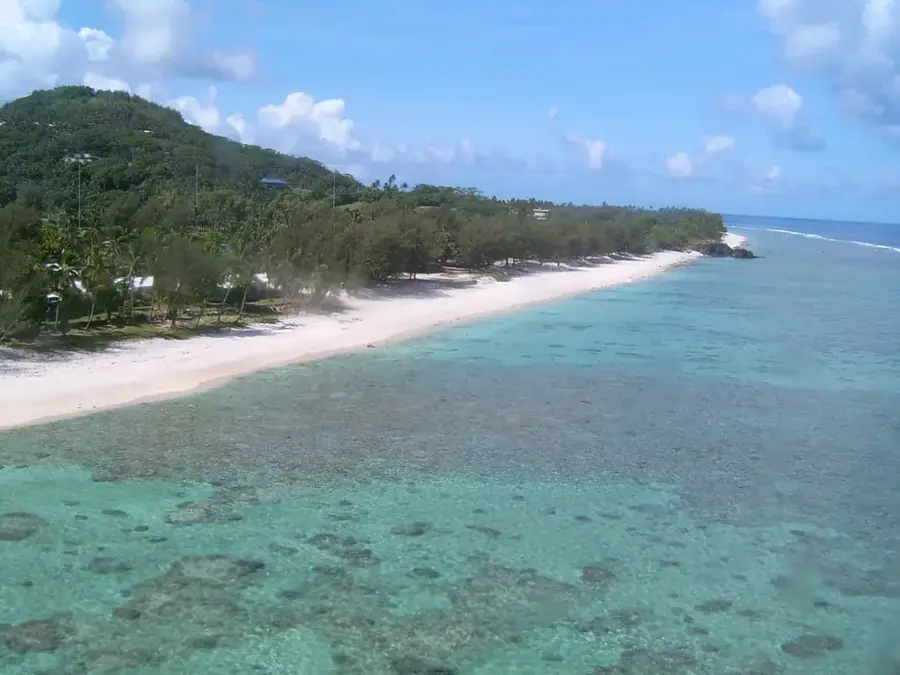
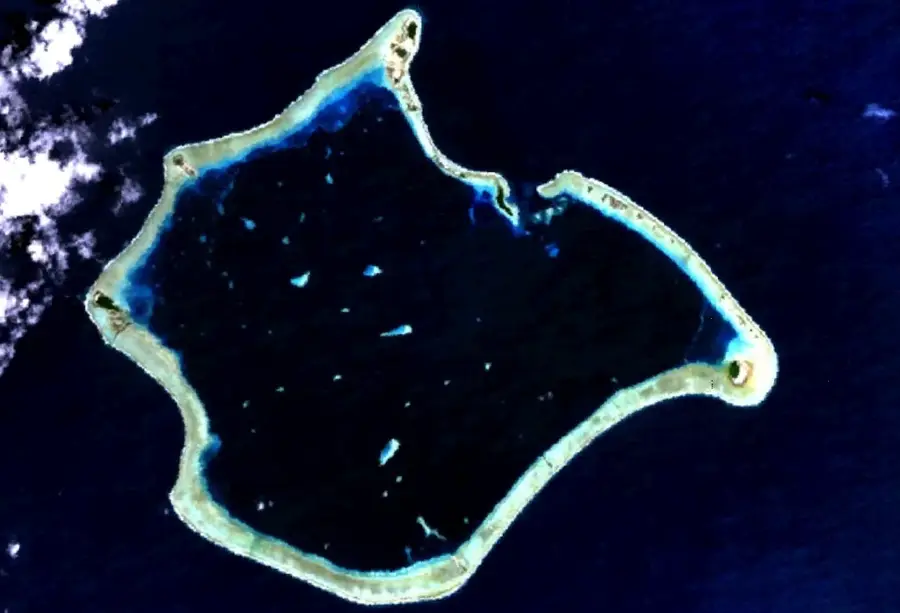
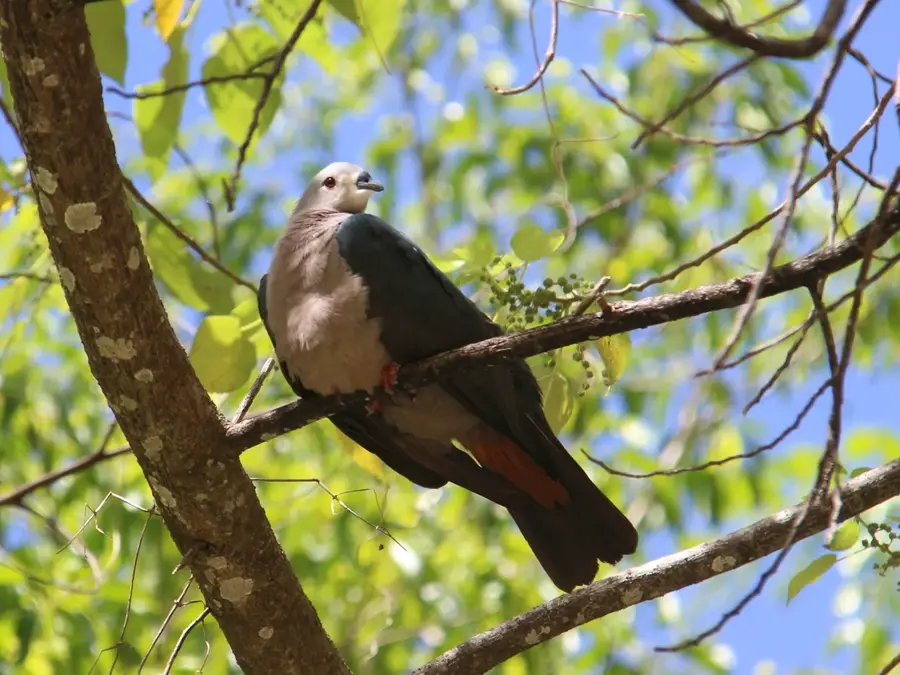
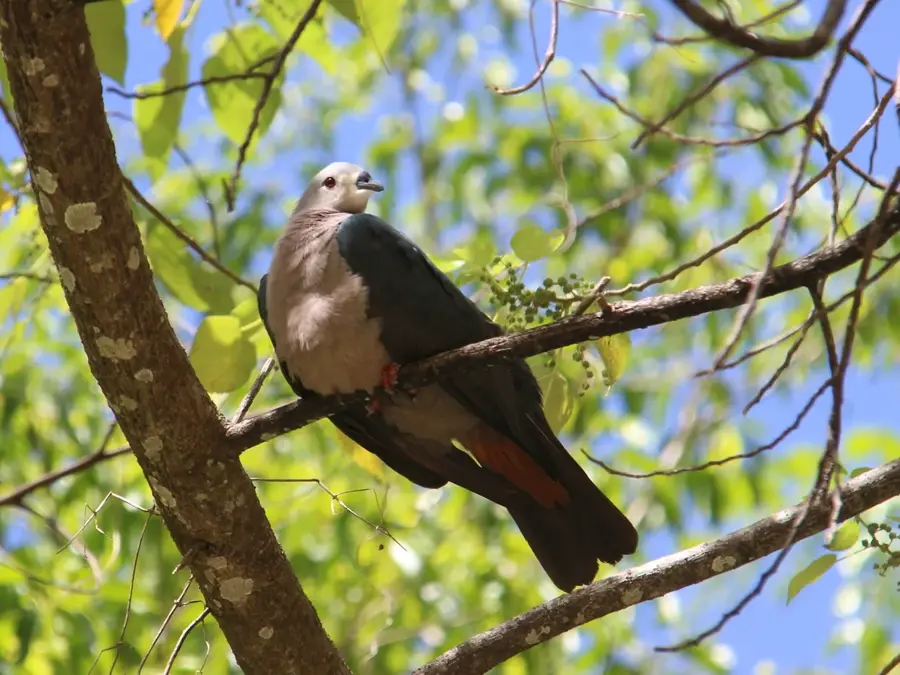
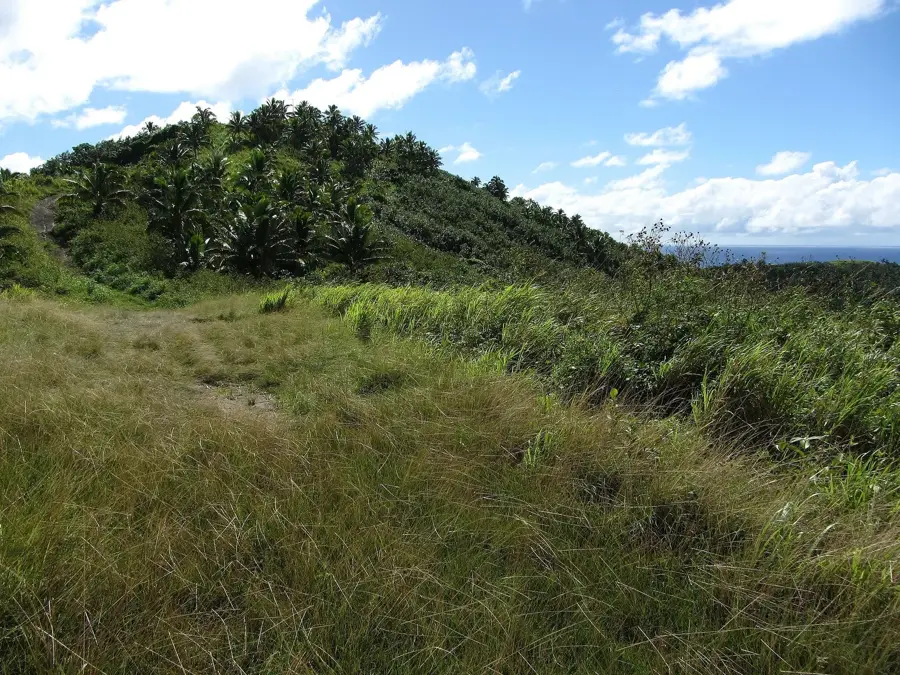
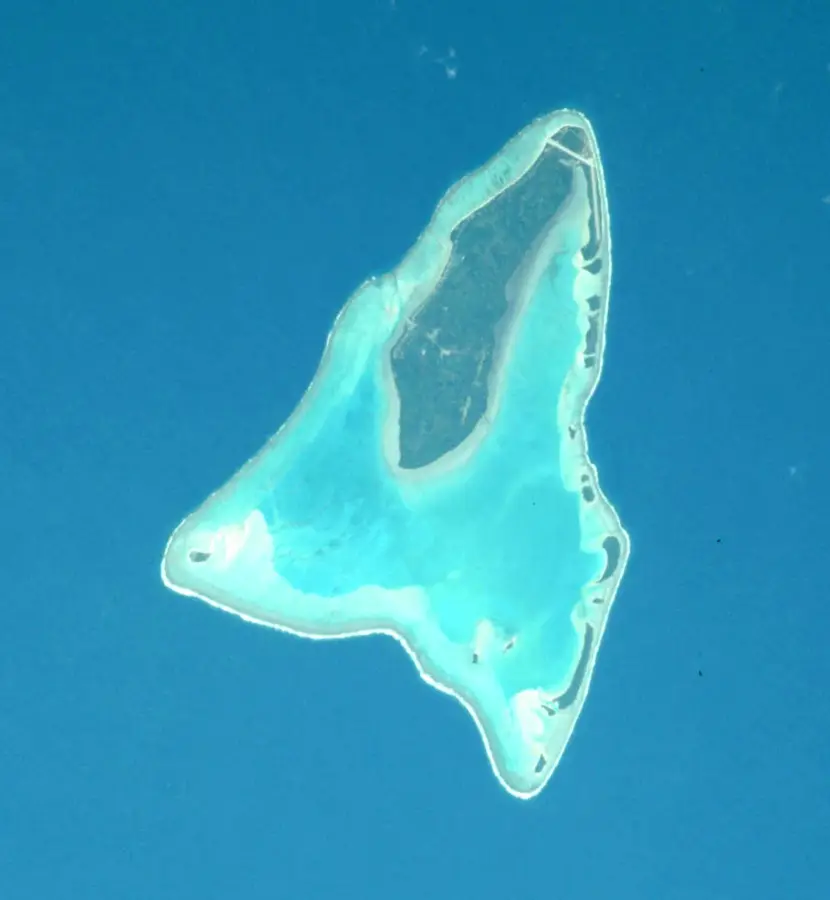
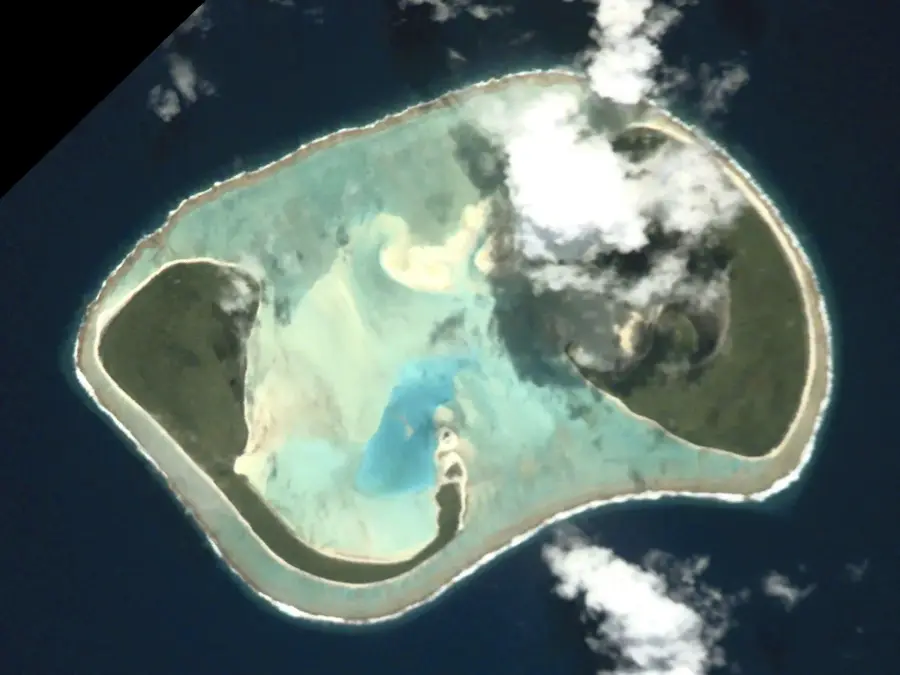
Suwarrow National Park stands as the first protected area in the Cook Islands, serving as a pristine ecological sanctuary in the heart of the Pacific. This remote coral atoll is entirely uninhabited, making it one of the most important breeding grounds for seabirds in the region. Thousands of frigatebirds, boobies, and terns nest here undisturbed by human activity. Beyond its avian inhabitants, the atoll is renowned for its large population of coconut crabs, the world's largest land-dwelling arthropods. Due to its high conservation value, the park is only manned by rangers during the sailing season to monitor visitor impact and prevent illegal fishing. The atoll gained international fame through the memoirs of Tom Neale, a New Zealander who lived here as a hermit for several years in the 1950s. His book, 'An Island to Oneself', chronicled the challenges and rewards of living in such extreme isolation, cementing Suwarrow's reputation as the ultimate Pacific hideaway for modern-day explorers.
Explore on the map
How well do you know Cook Islands?
Find cities, landscapes and regions in 10 varied challenges on the interactive map.
Your journey, your memory
A postcard from Suwarrow National Park
Turn your own photo into a personal postcard with a local stamp. Free and no sign-up required.
Create a postcardBest time to visit & climate
The most pleasant time to visit is Jun, Aug, Sep.
| Jan | Feb | Mar | Apr | May | Jun | Jul | Aug | Sep | Oct | Nov | Dec | |
|---|---|---|---|---|---|---|---|---|---|---|---|---|
| Avg °C | 28 | 28 | 28 | 28 | 28 | 28 | 27 | 27 | 27 | 28 | 28 | 28 |
| Rain mm | 263 | 249 | 158 | 135 | 114 | 74 | 90 | 58 | 82 | 127 | 158 | 234 |
📋 Practical info
Geography
Facts
- National park since 1978.
- Total area: 160 km² (of which 1.8 km² land).
- Nesting sea turtles: 50–100 green turtles annually.
- Bird species: 15 seabird species breed here.
- Largest colony of sooty terns in the Pacific: up to 100,000 pairs.
- Annual visitors: fewer than 100 (researchers and licensed tours).
Route planner — Car & Motorhome
Where do you start? We build the route here, with stops and country notes along the way.
© OpenStreetMap contributors · OpenRouteService
Sights in the town Suwarrow National Park (1)
Sights nearby
Frequently asked questions
How do you reach Suwarrow National Park?
Is overnight stay allowed in the national park?
What animals can be seen here?
Is the park open year-round?
Who manages the island?
Suwarrow National Park: where is it located?
Suwarrow National Park: when is the best time to visit?
Suwarrow National Park: why is it worth visiting?
Nearby cities

History & landmarks
Nature
More places