Plizio Visual Lab
Notsé Plain
Weather…
Water temperature…
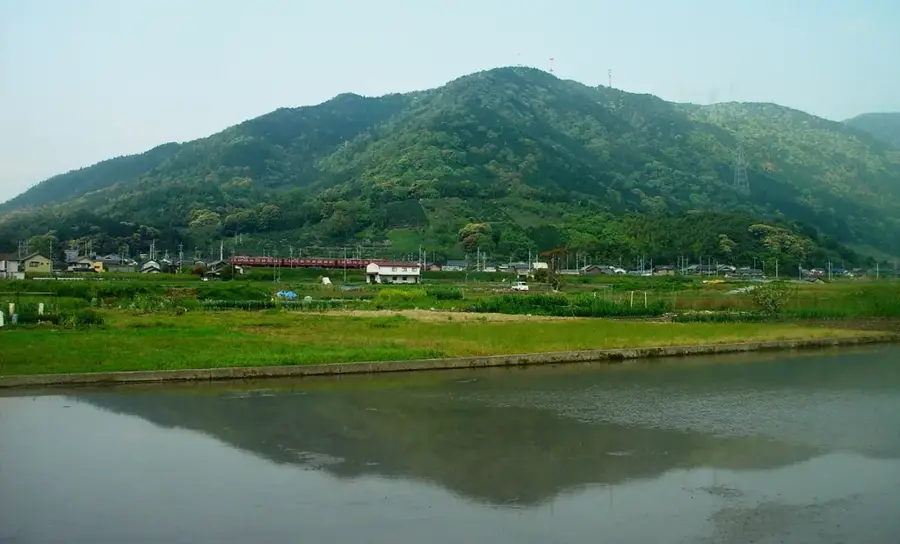
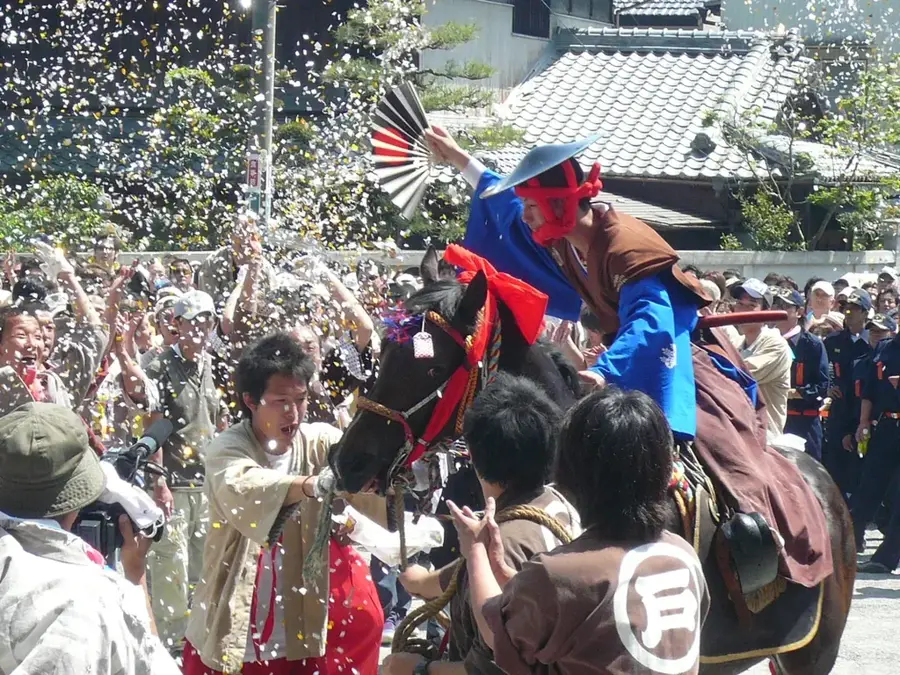
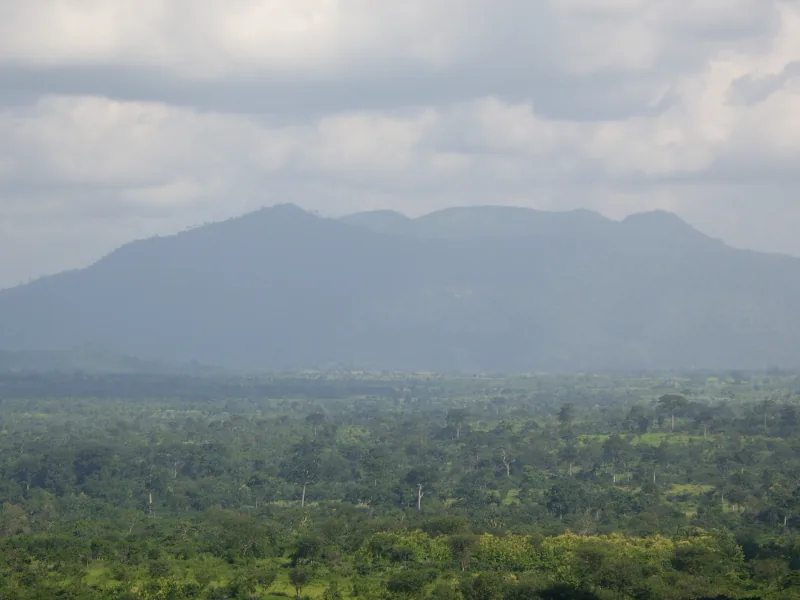
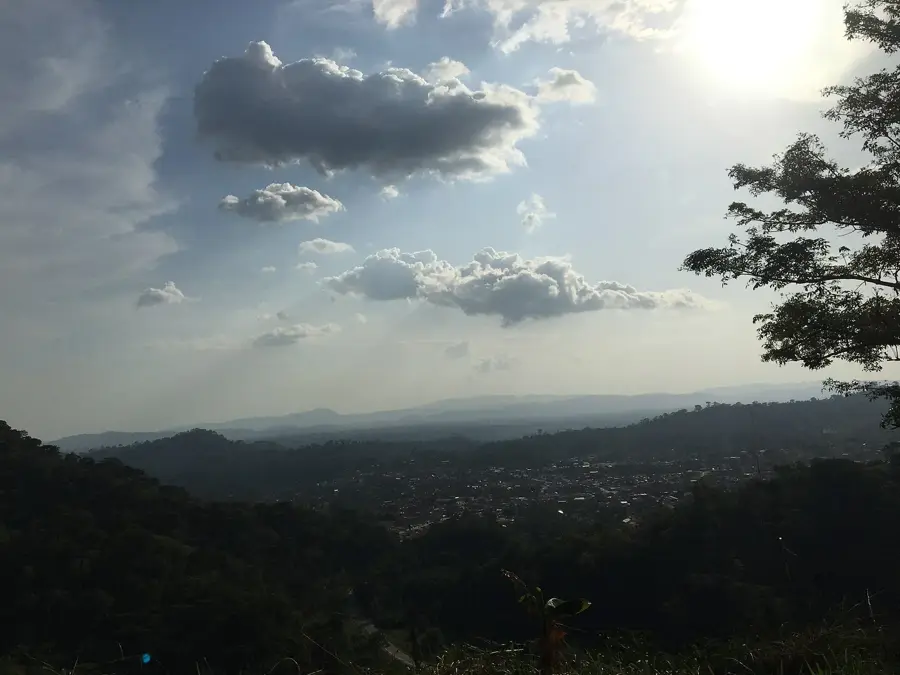
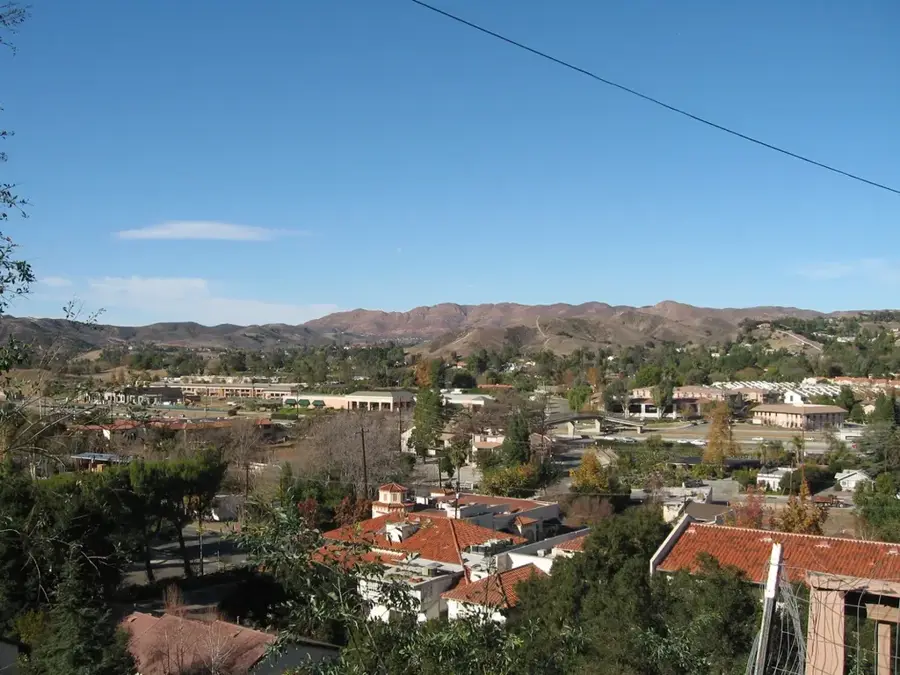
The Notsé Plain is a vast, fertile landscape in southern Togo, extending around the historic city of the same name in the Haho Prefecture. This geographic unit is of central importance to the identity of the Ewe people, as Notsé was the heart of their kingdom in the 17th century under the legendary King Agokoli. Geologically, the plain is characterized by deep alluvial soils and ferruginous clays deposited by the Haho River system and its tributaries. The vegetation of the plain consists predominantly of cultivated savannah, with maize, cotton, and cassava as the primary agricultural products. A striking feature of the region is the remains of the ancient mud walls (Agbogbo) that once protected the city of Notsé. The plain serves as the economic hub of the Maritime Region and is the venue for the Agbogbo-Zan festival, where thousands of Ewe gather annually. The climate is tropical wet-and-dry with two rainy seasons, facilitating intensive agricultural use.
Explore on the map
How well do you know Togo?
Find cities, landscapes and regions in 10 varied challenges on the interactive map.
Your journey, your memory
A postcard from Notsé Plain
Turn your own photo into a personal postcard with a local stamp. Free and no sign-up required.
Create a postcard- Location: Togo
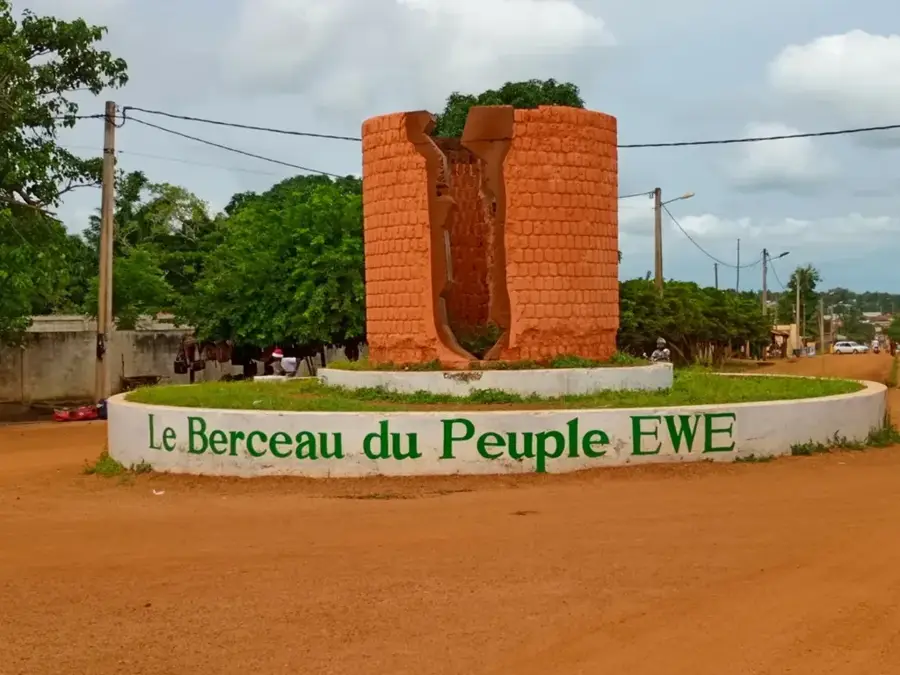
- Highlights: Le berceau du Peuple Ewe · Pavements de Dakpodji
- Nearby: Wahala (28 km)
Best time to visit & climate
The most pleasant time to visit is Jan, Nov, Dec.
| Jan | Feb | Mar | Apr | May | Jun | Jul | Aug | Sep | Oct | Nov | Dec | |
|---|---|---|---|---|---|---|---|---|---|---|---|---|
| Avg °C | 27 | 28 | 28 | 28 | 27 | 26 | 25 | 25 | 25 | 26 | 26 | 26 |
| Rain mm | 15 | 30 | 72 | 104 | 143 | 177 | 189 | 145 | 214 | 149 | 32 | 14 |
📋 Practical info
Geography
Facts
- The plain lies at an average elevation of 150 meters.
- Notsé is regarded as the spiritual capital of the Ewe peoples.
- The historic mud walls once had a circumference of 14 kilometers.
- The Haho River is the most important water source for the plain.
- Cotton is the primary commercial export crop of this region.
- The Agbogbo-Zan festival is held every year in September.
Explore nearby
Notable places around
Route planner — Car & Motorhome
Where do you start? We build the route here, with stops and country notes along the way.
© OpenStreetMap contributors · OpenRouteService
Sights in the town Notsé Plain (2)
Sights nearby
Frequently asked questions
What is special about the Notsé-Ebene?
Can one visit the historical sites?
What is the best season?
Is the area family-friendly?
Do I need a guide?
Notsé Plain: where is it located?
Notsé Plain: what is there to see?
Notsé Plain: when is the best time to visit?
Notsé Plain: why is it worth visiting?
Nearby cities
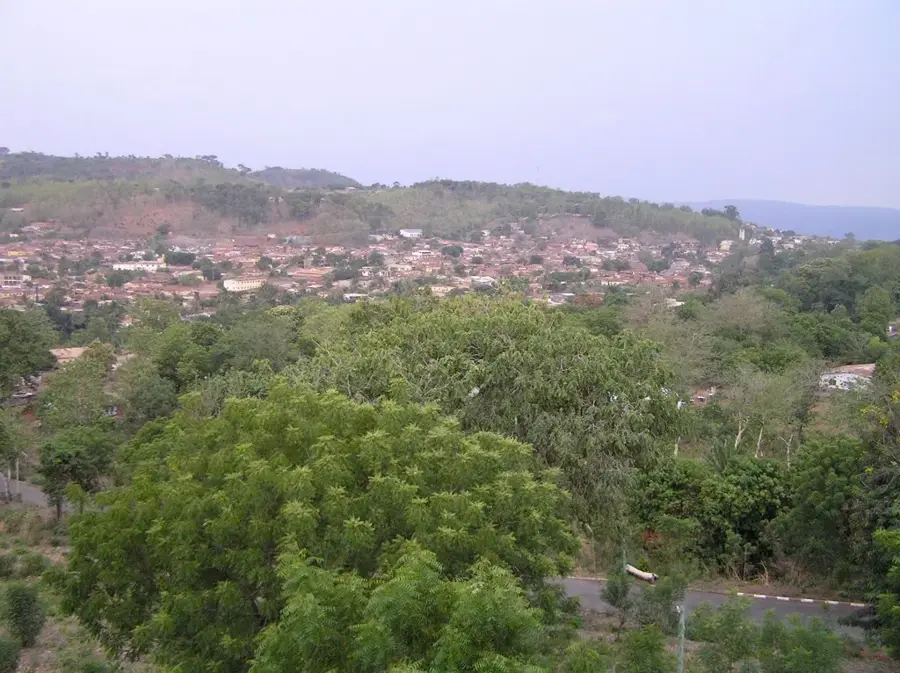
History & landmarks
Nature
More places