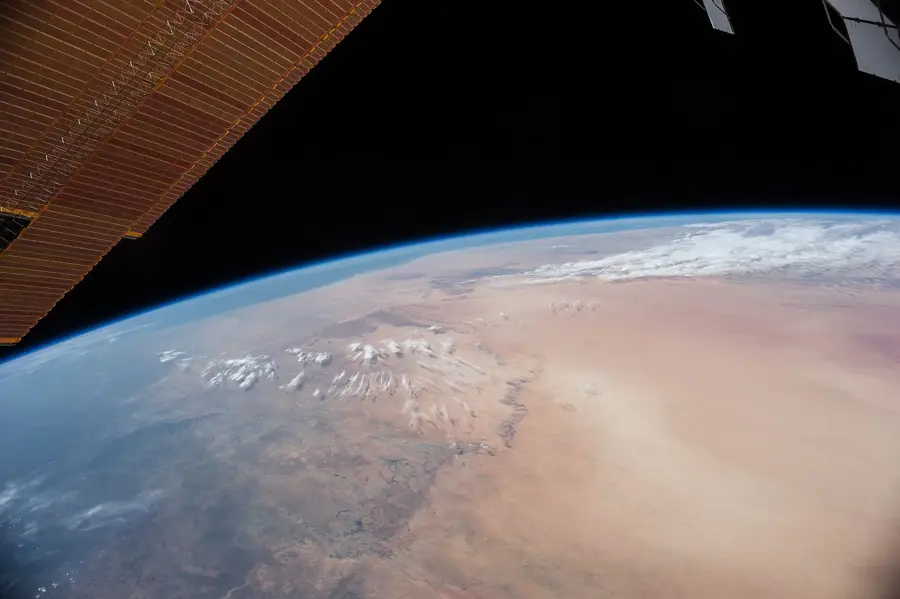
Cities in Mali
The most important cities in Mali at a glance – from the bustling metropolis to the charming small town. Each city links to a detailed page with map, attractions and travel tips.
Hombori
A spectacular village at the foot of the Hombori Mountains, known for its dramatic rock formations and the highest mountain in Mali.
Learn more →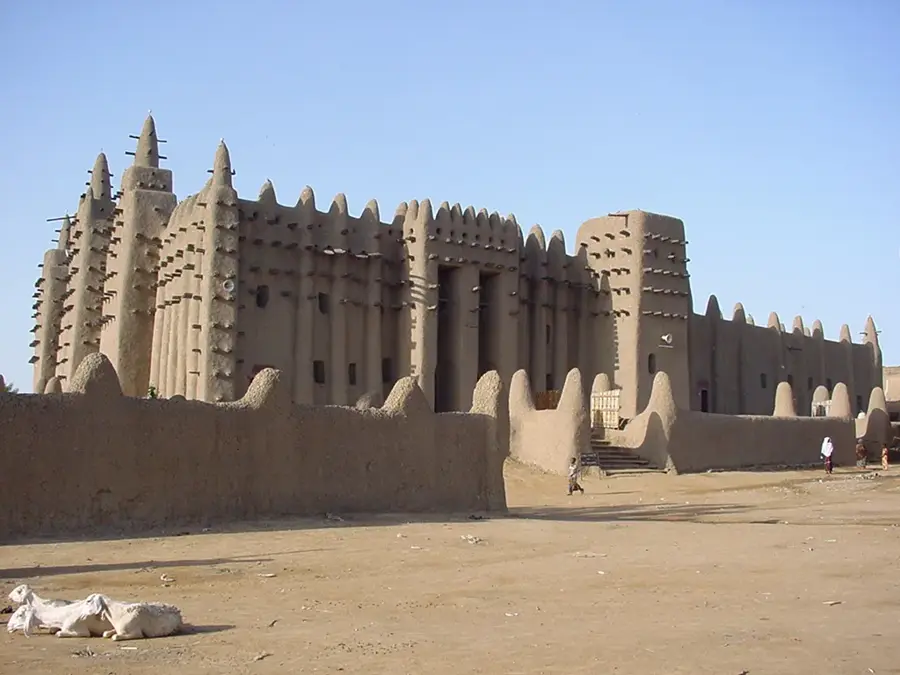
Djenné
World-famous for its spectacular Great Mosque, the largest mud building in the world and a UNESCO World Heritage Site.
Learn more →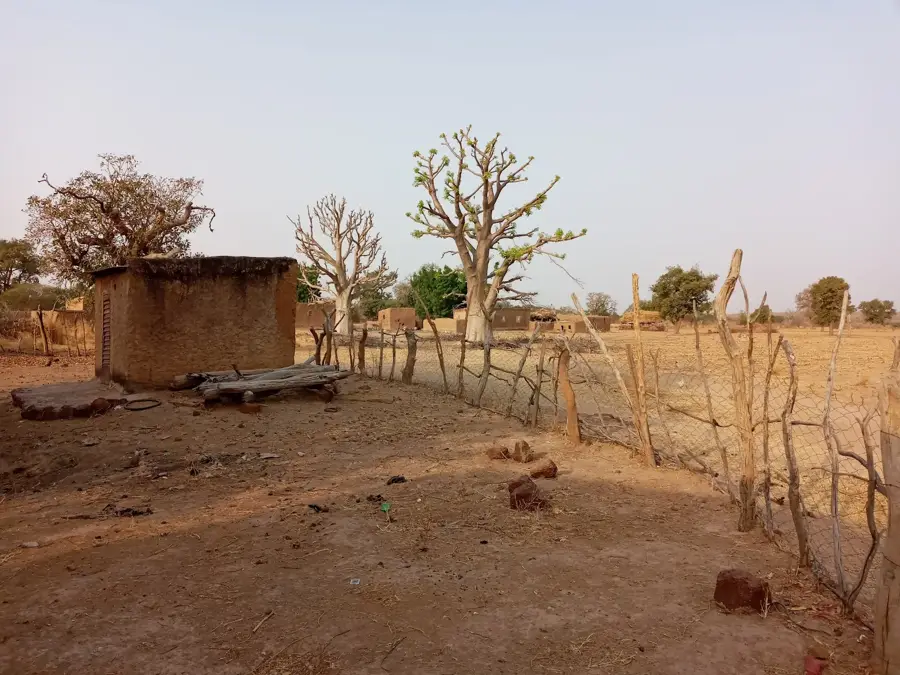
Banamba
A historic town in the Koulikoro region known for its agricultural traditions and large peanut fields.
Learn more →
Gao
The former capital of the powerful Songhai Empire on the eastern edge of Mali is characterized by historical monuments.
Learn more →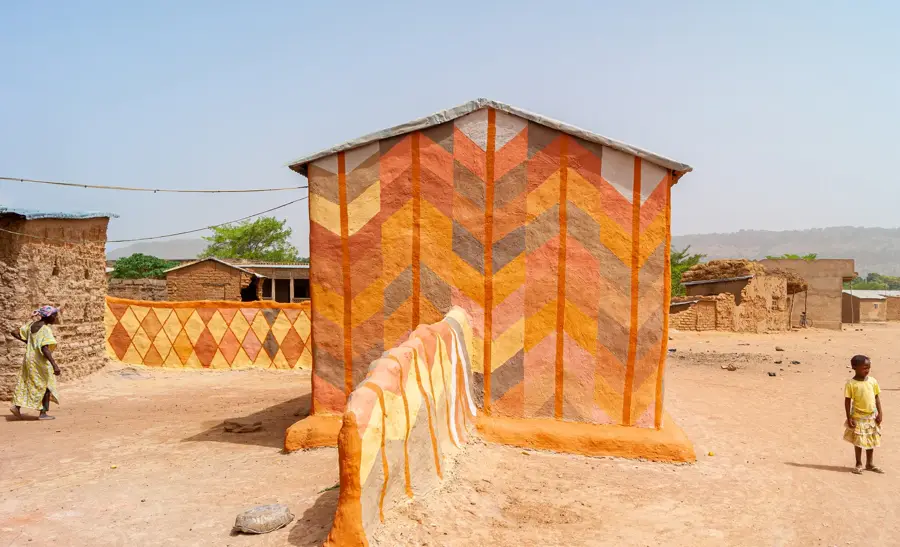
Siby
A cultural heartland in the Manding Mountains, famous for its stone arches and as the founding site of the Mali Empire.
Learn more →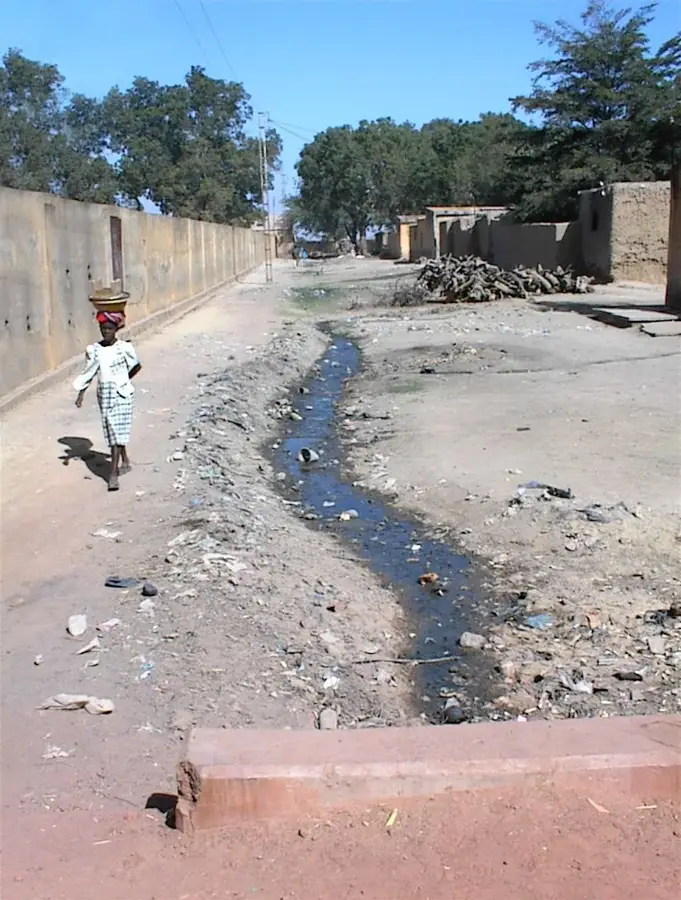
Niono
Center of the Office du Niger, a massive irrigation project that transformed the region into an agricultural oasis.
Learn more →
Goundam
Nestled in the lake district of northern Mali, the town is a meeting point between nomadic and settled peoples.
Learn more →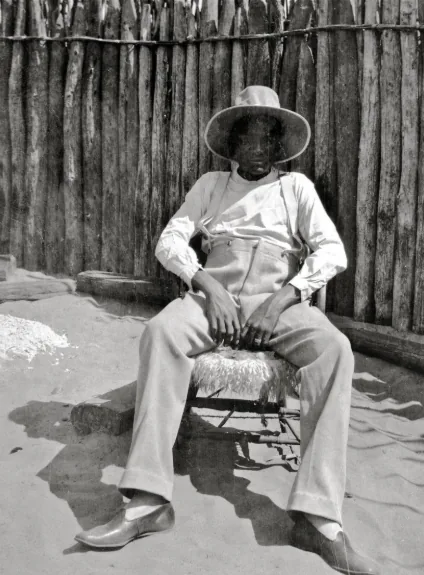
Nampala
A deserted garrison town in the no-man's-land between the green Niger basin and the dry Mauritanian border.
Learn more →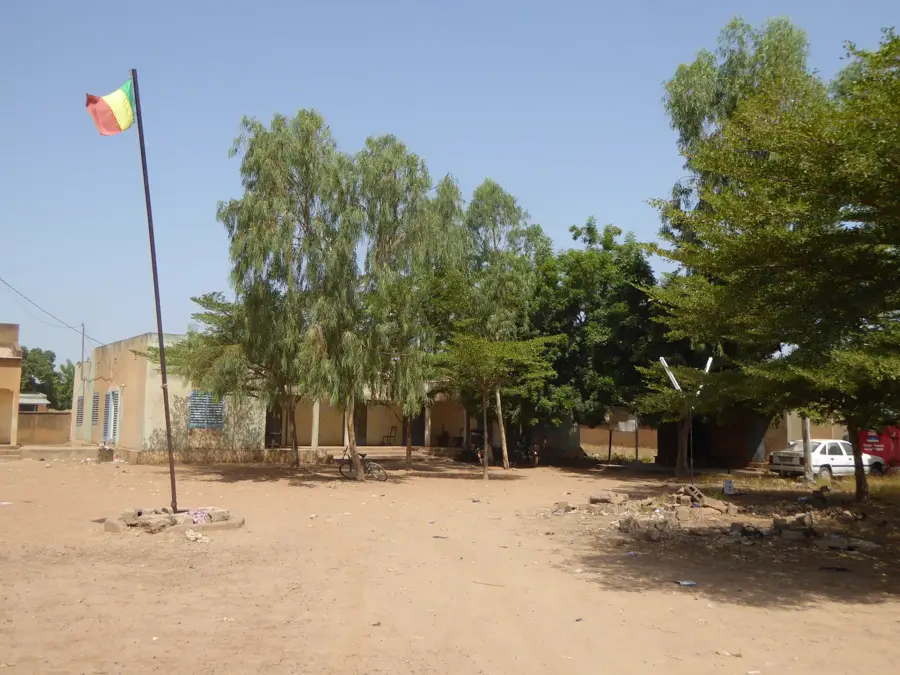
Fana
One of the largest industrial cotton processing plants in West Africa is located in this dynamic city.
Learn more →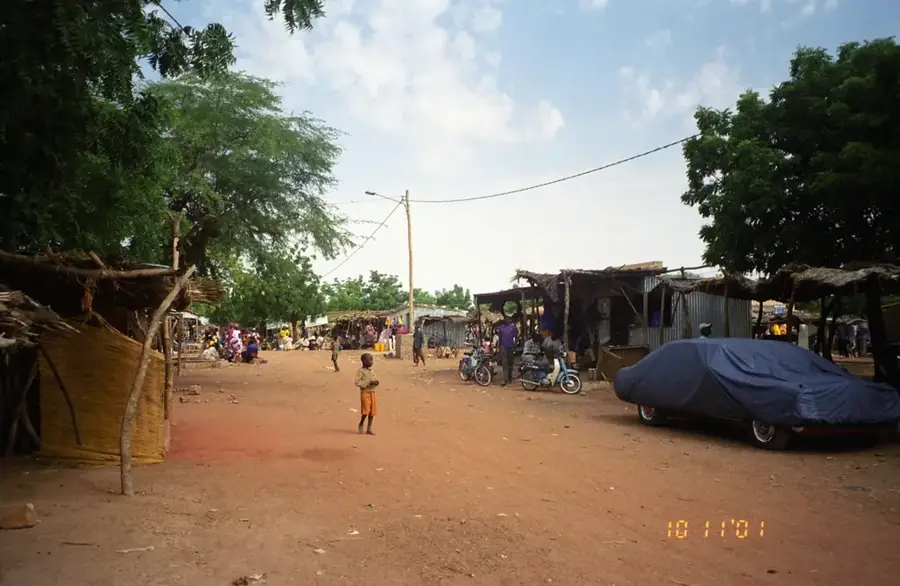
Bandiagara
The administrative capital of the Dogon region provides access to the spectacular escarpment and unique villages.
Learn more →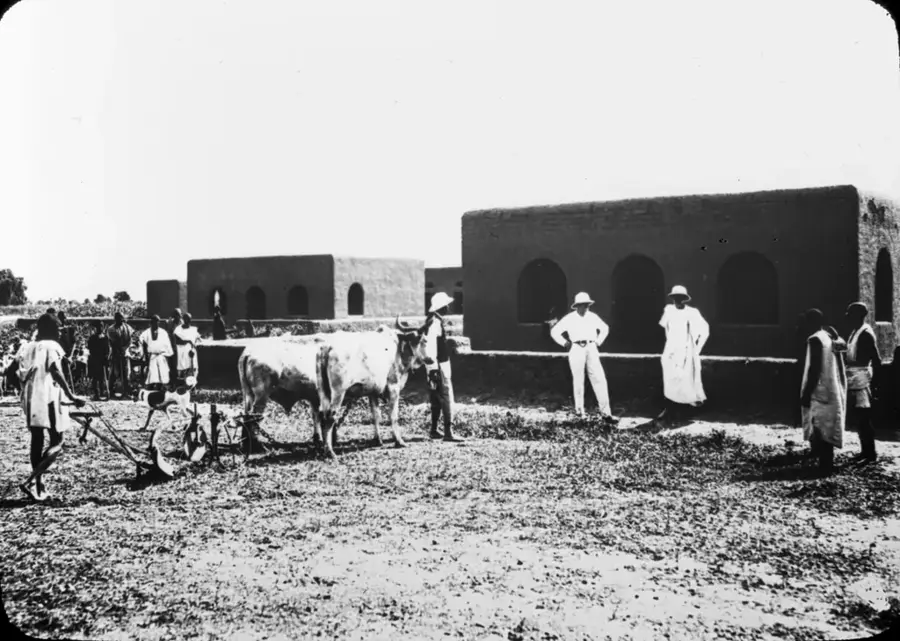
Sofara
A picturesque village on the Bani River known for its bustling weekly market and colorful fabric trade.
Learn more →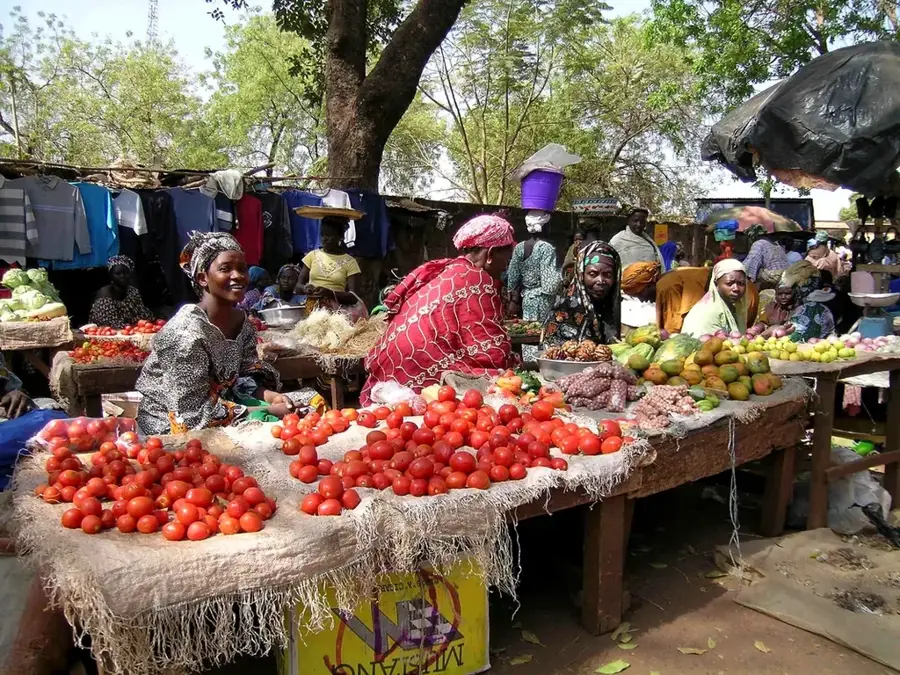
Sikasso
One of the largest cities in Mali, known for its thriving agriculture and historic defensive walls.
Learn more →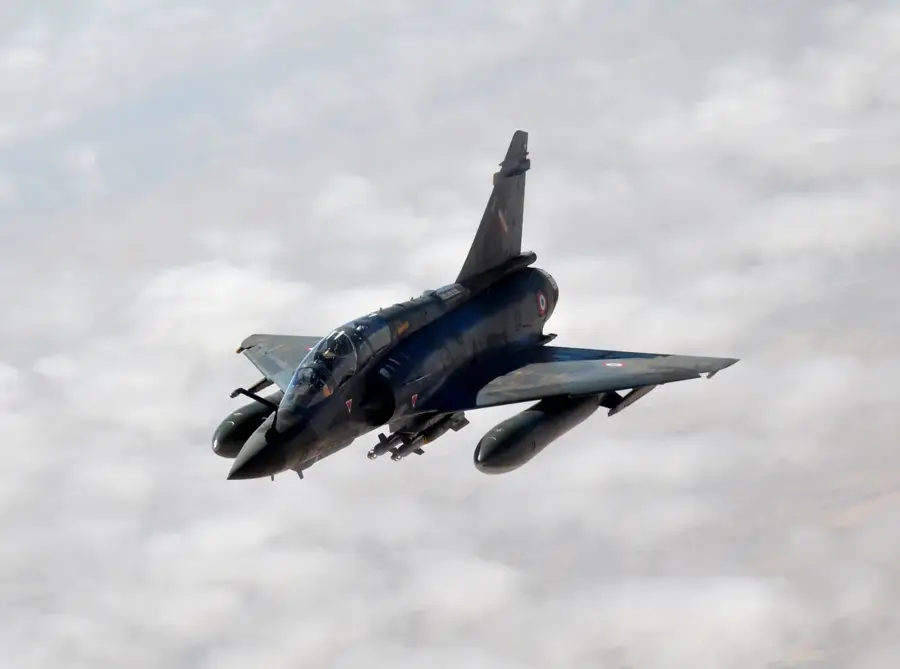
Diabaly
An agricultural town completely dependent on the huge artificial irrigation system of the Office du Niger.
Learn more →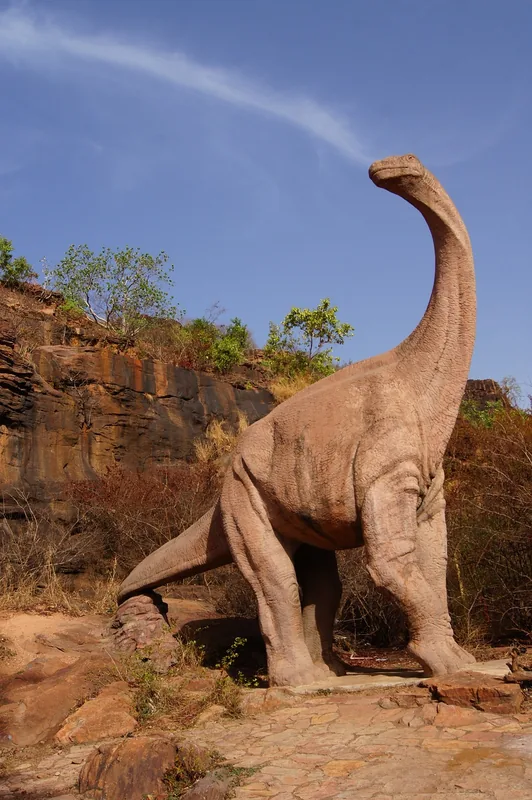
Bamako
The vibrant capital of Mali on the banks of the Niger River is the political and economic center of the country.
Learn more →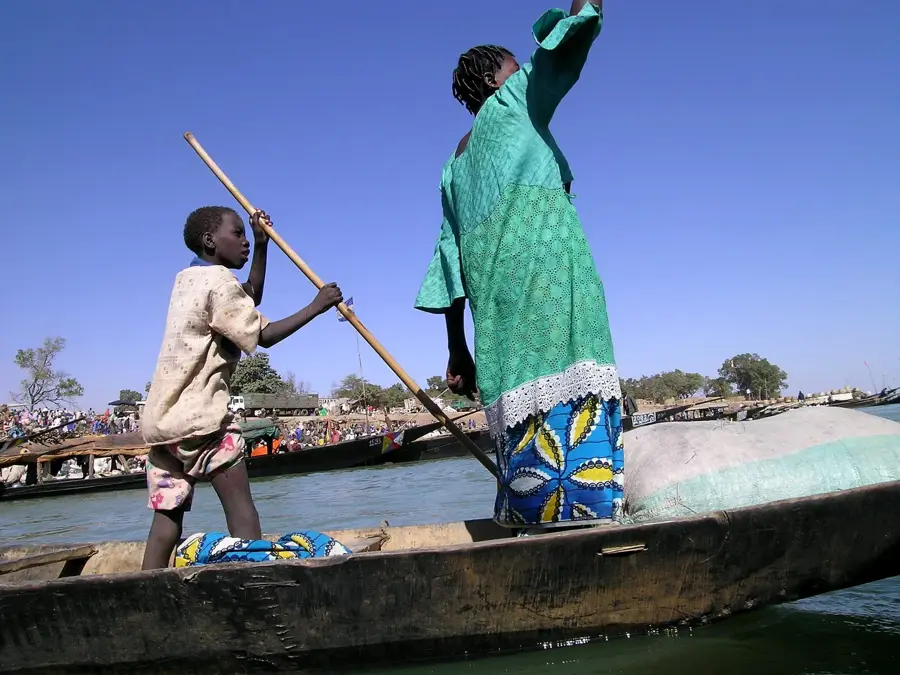
Macina
The historic capital of the Massina Empire is located in the middle of the water-rich Inner Niger Delta.
Learn more →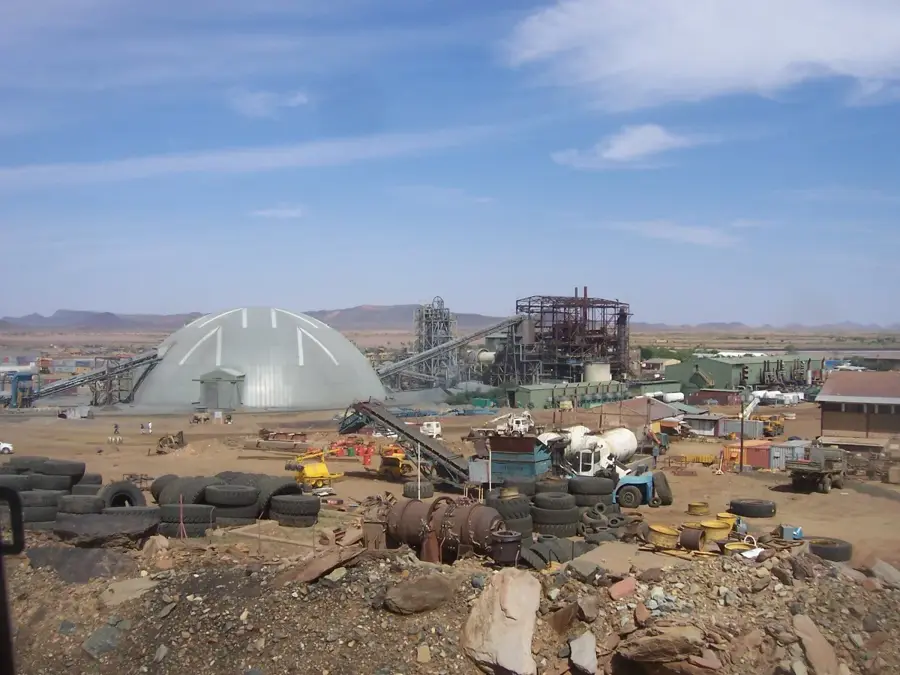
Taoudenni
The famous salt center in the extreme north of Mali is one of the most remote mining camps in the world.
Learn more →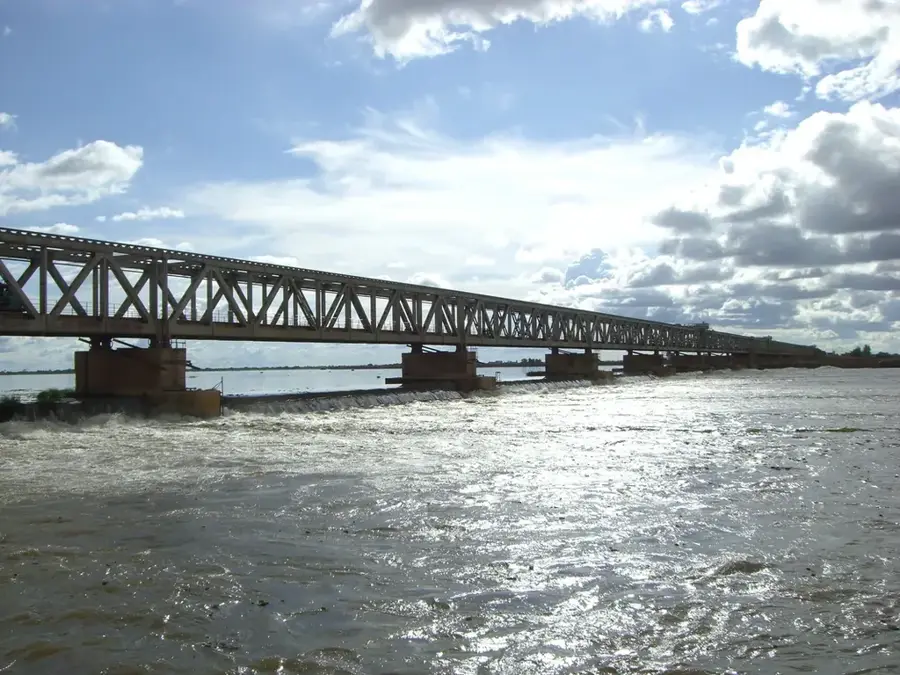
Markala
The city is famous for its large dam on the Niger, which feeds the extensive irrigation canals.
Learn more →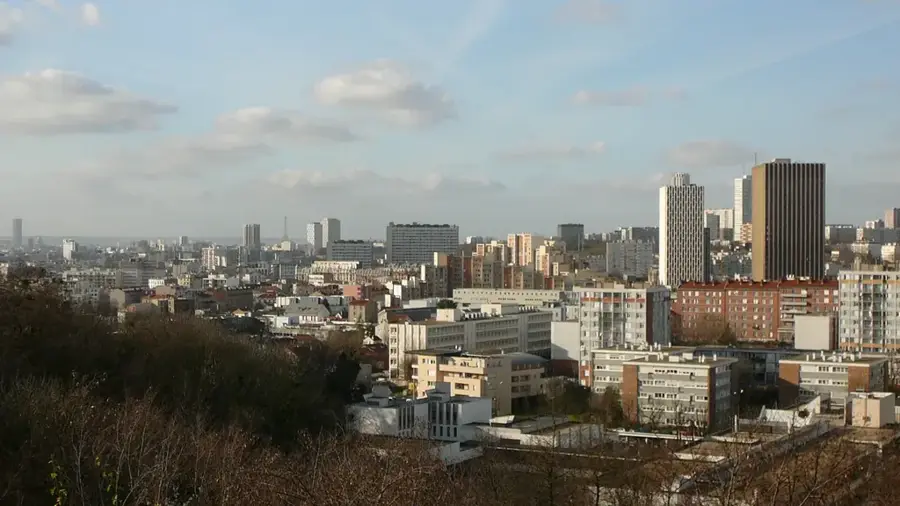
Yélimané
A quiet Soninke town near the Mauritanian border, marked by strong emigration to Europe.
Learn more →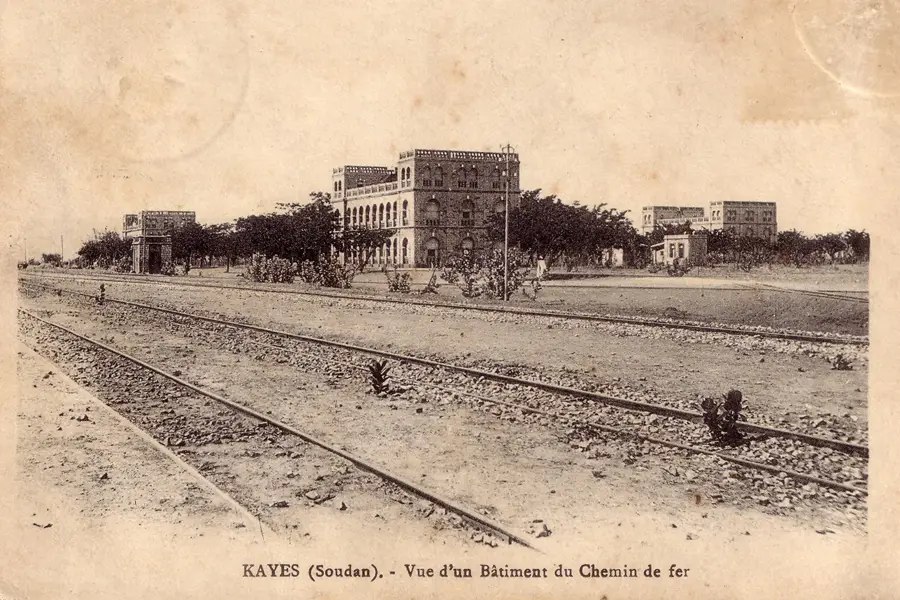
Kayes
The city in the west of the country on the Senegal River is considered one of the hottest places in Africa.
Learn more →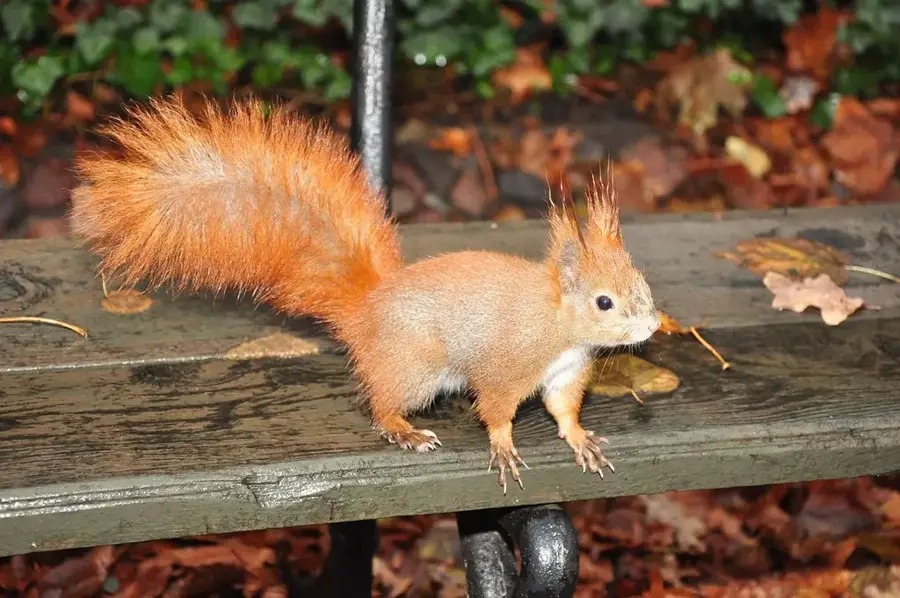
Kita
The capital of peanut cultivation at the foot of a large mountain is also known for a pilgrimage site.
Learn more →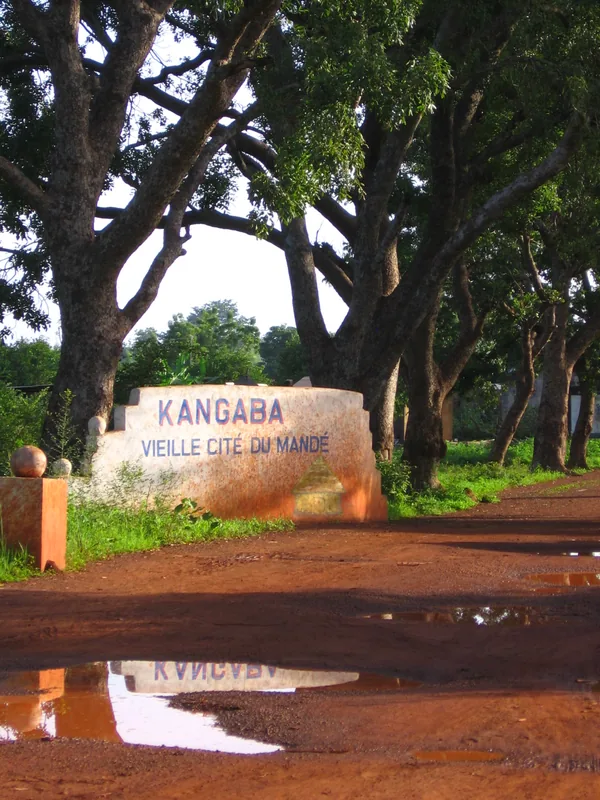
Kangaba
This city is considered the cradle of the historic Mali Empire and preserves important sacred sites.
Learn more →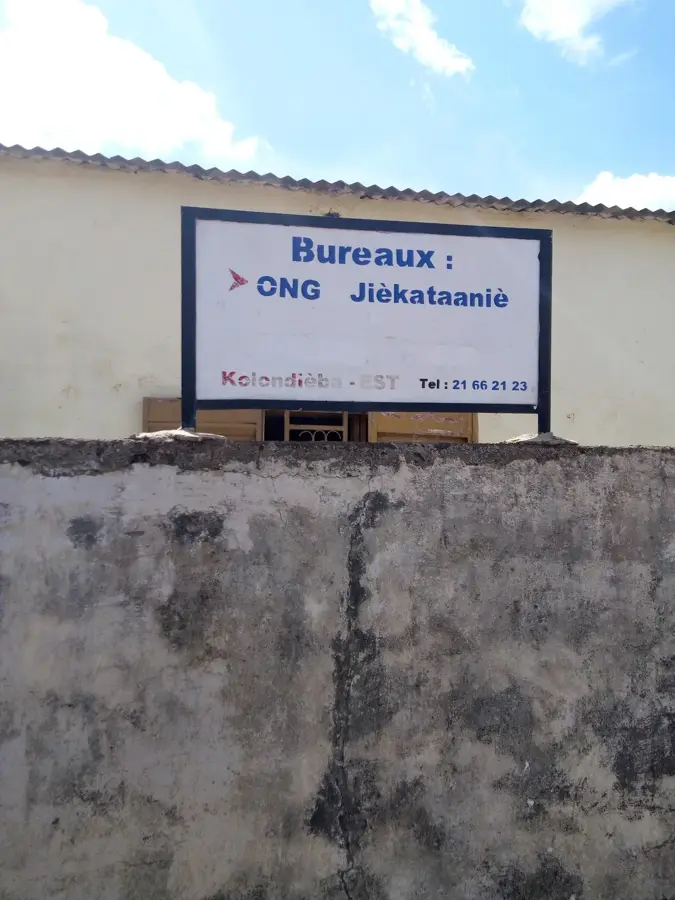
Kolondiéba
A quiet rural town in the south of the country, characterized by traditional crafts and farming.
Learn more →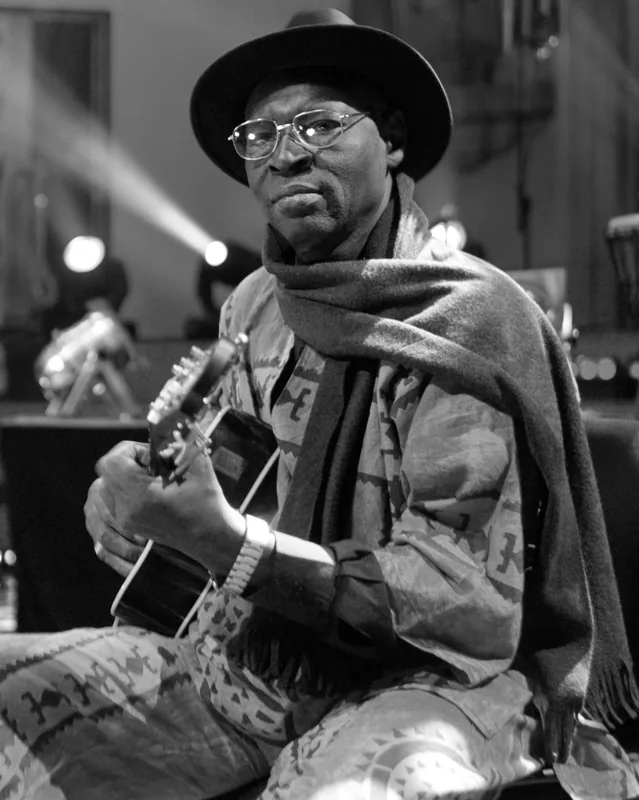
Niafunké
Known as the hometown of legendary blues musician Ali Farka Touré, who was also mayor here.
Learn more →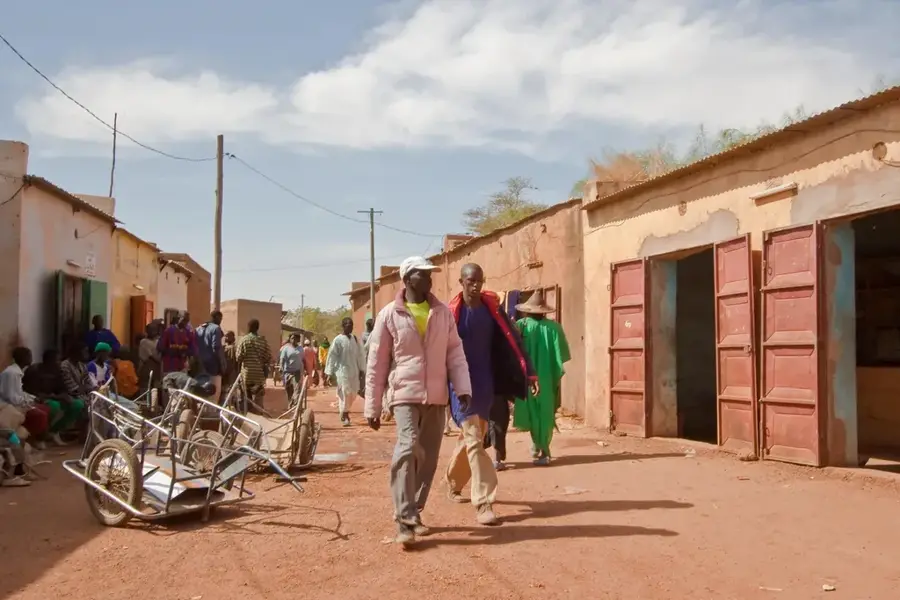
Douentza
Encircled by dramatic cliffs, this city is an oasis on the edge of the Sahara and a nomad market.
Learn more →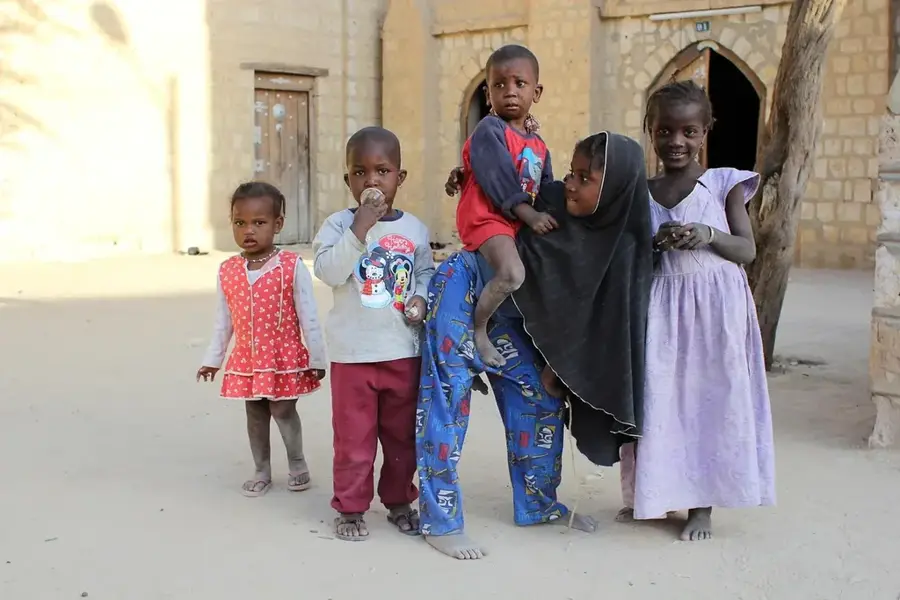
Timbuktu
The legendary caravan city on the edge of the Sahara was once a center of Islamic scholarship.
Learn more →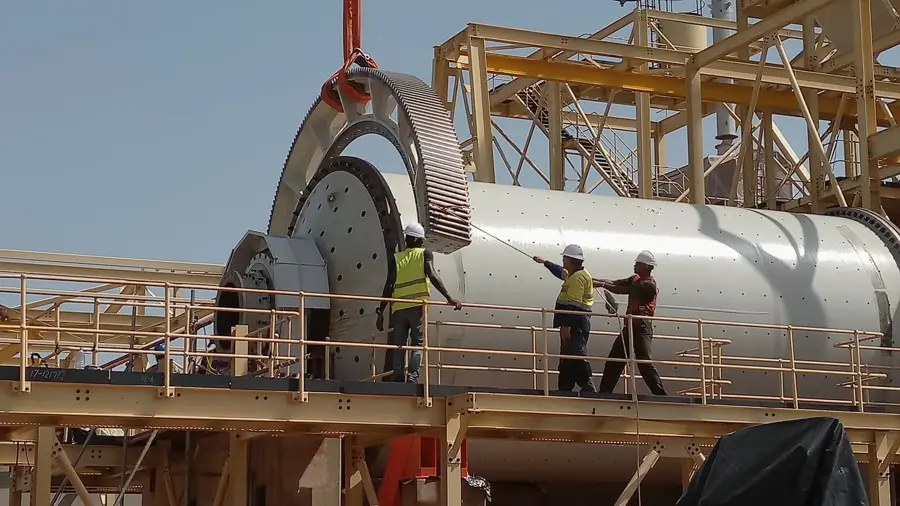
Yanfolila
The idyllic town on Lake Sélingué benefits greatly from fishing and the nearby dam.
Learn more →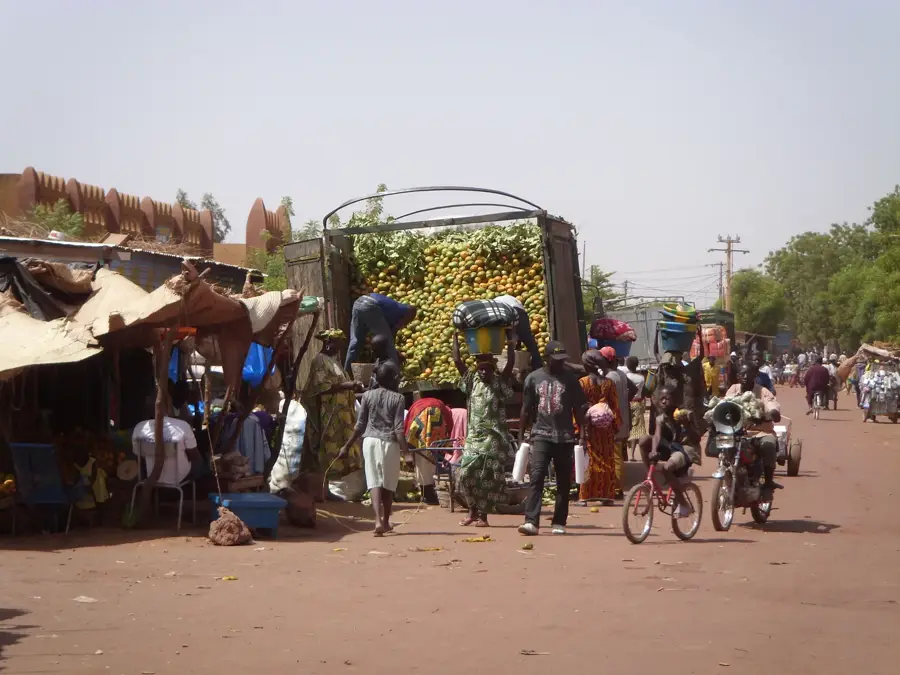
Mopti
The city on three islands is often called the Venice of Mali and is an important river port.
Learn more →
Bla
As a transport hub between Ségou, Sikasso and Mopti, the city is a bustling transit center.
Learn more →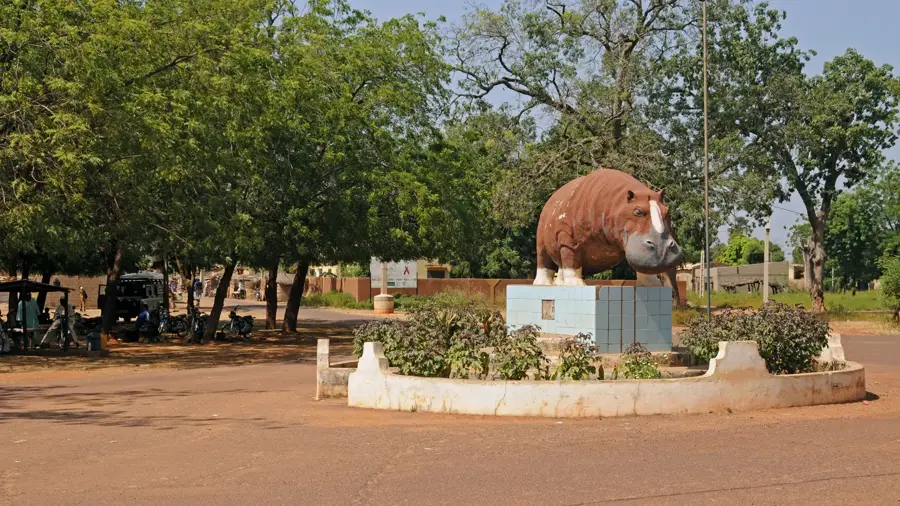
Bafoulabé
Located at the confluence of the Bafing and Bakoy rivers, which join here to form the Senegal River.
Learn more →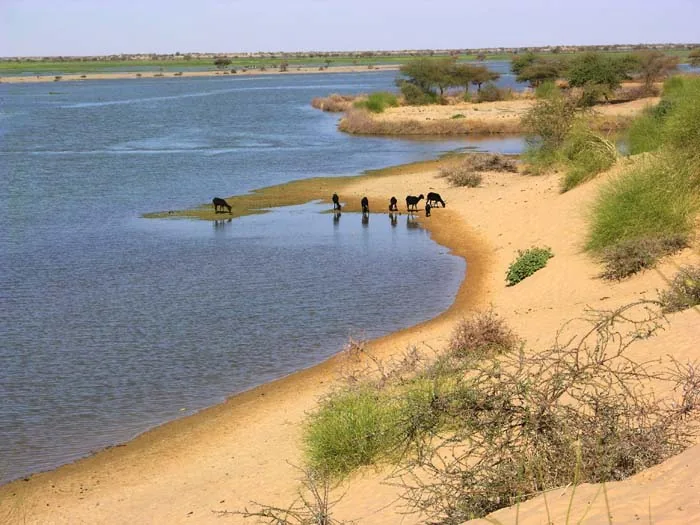
Gourma-Rharous
A remote desert outpost east of Timbuktu where the Sahara meets the banks of the Niger.
Learn more →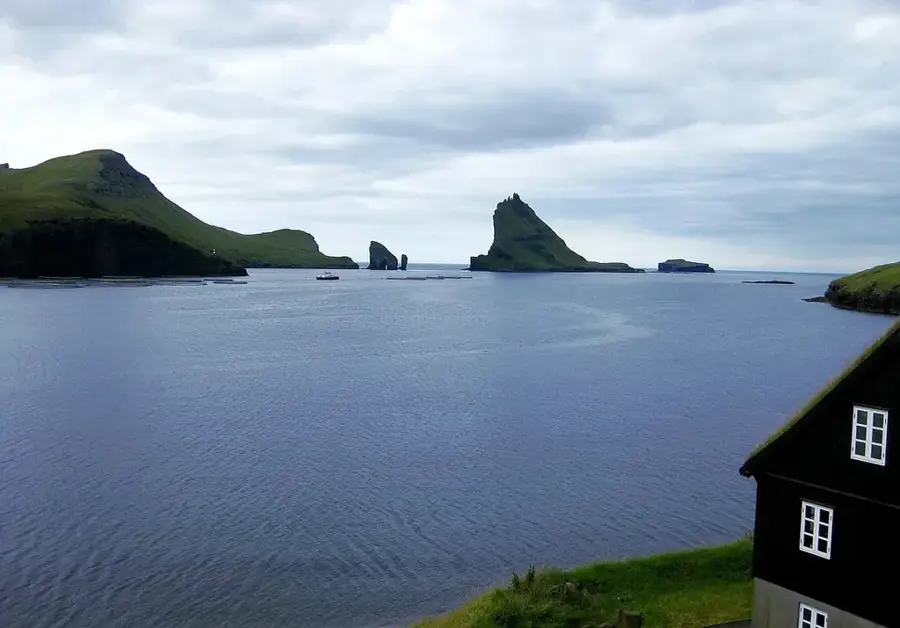
Bourem
The city marks the most northeastern curve of the Niger River before it turns southeast.
Learn more →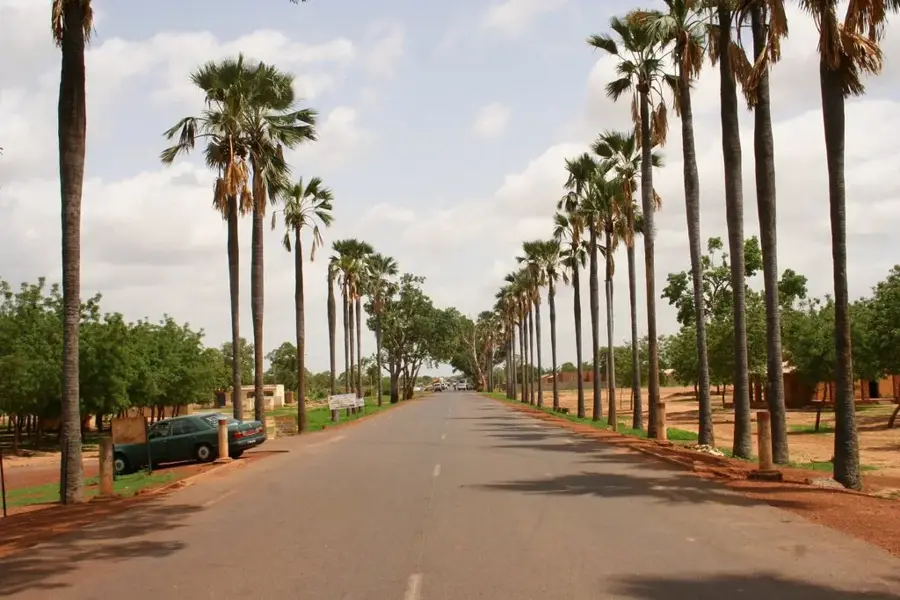
Kolokani
The heart of the traditional Bélédougou area, known for the cultivation of millet and peanuts.
Learn more →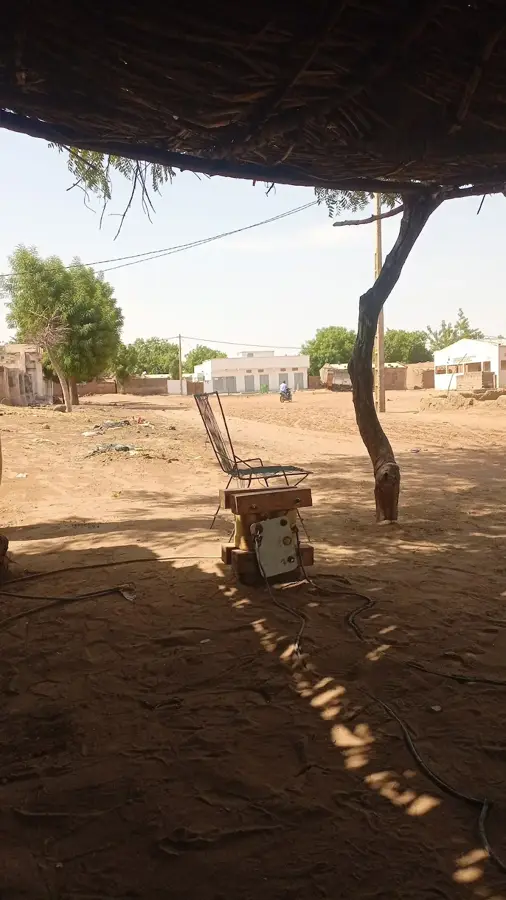
Diéma
A strategic transit town on the important road connection between Bamako and Senegal.
Learn more →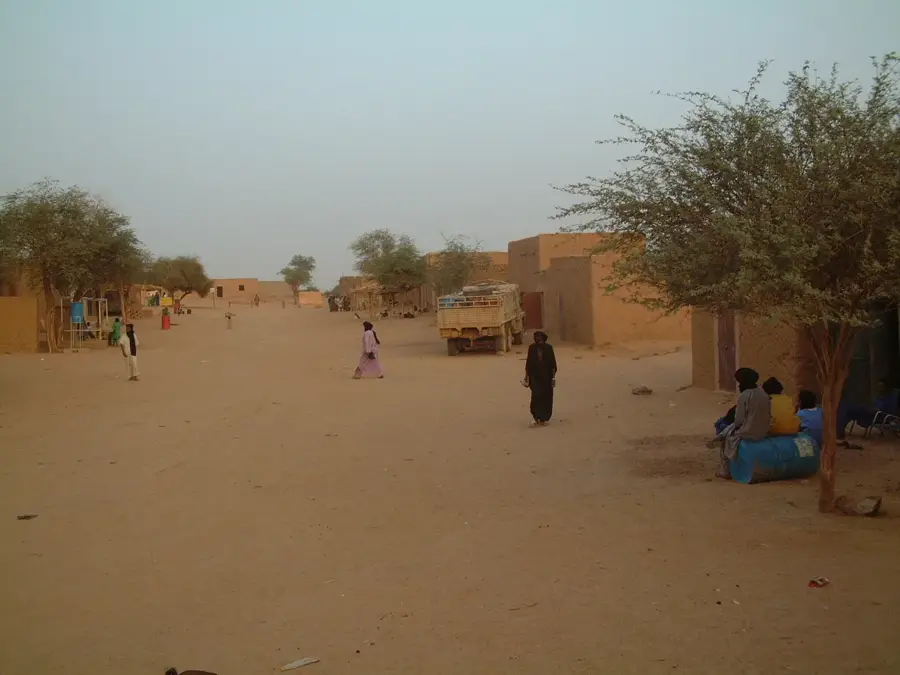
Aguelhok
This small but significant oasis is located in the dry Adrar des Ifoghas mountain massif.
Learn more →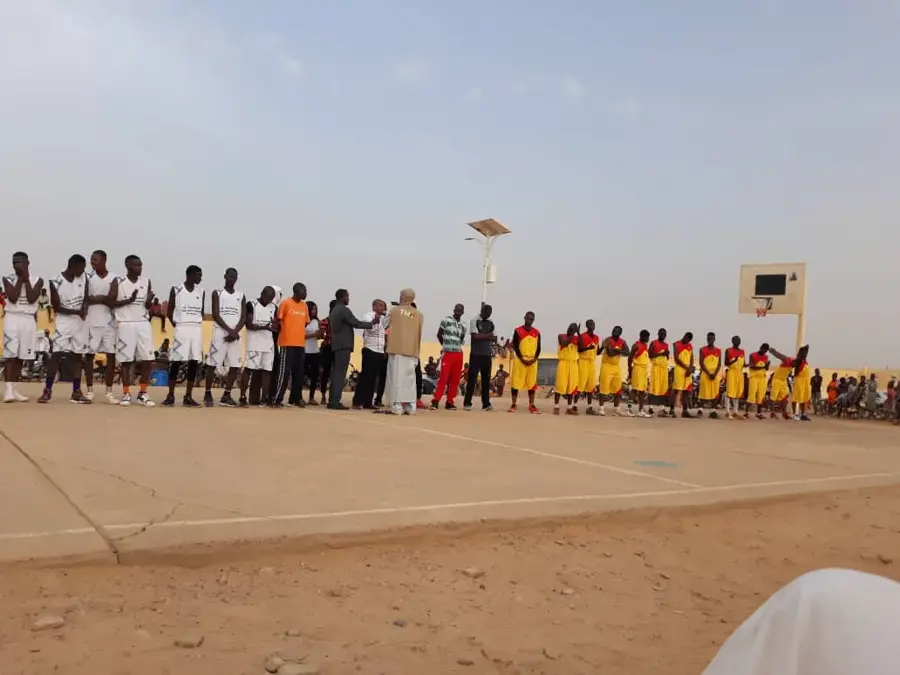
Ansongo
Located south of Gao, this place is the center of the Ansongo-Ménaka Nature Reserve.
Learn more →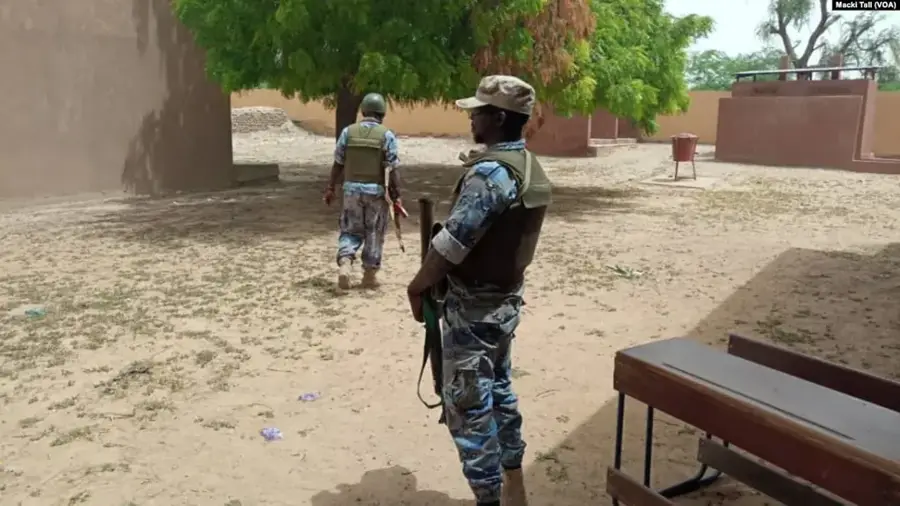
Youwarou
A remote lake settlement on Lake Debo that relies almost exclusively on fishing.
Learn more →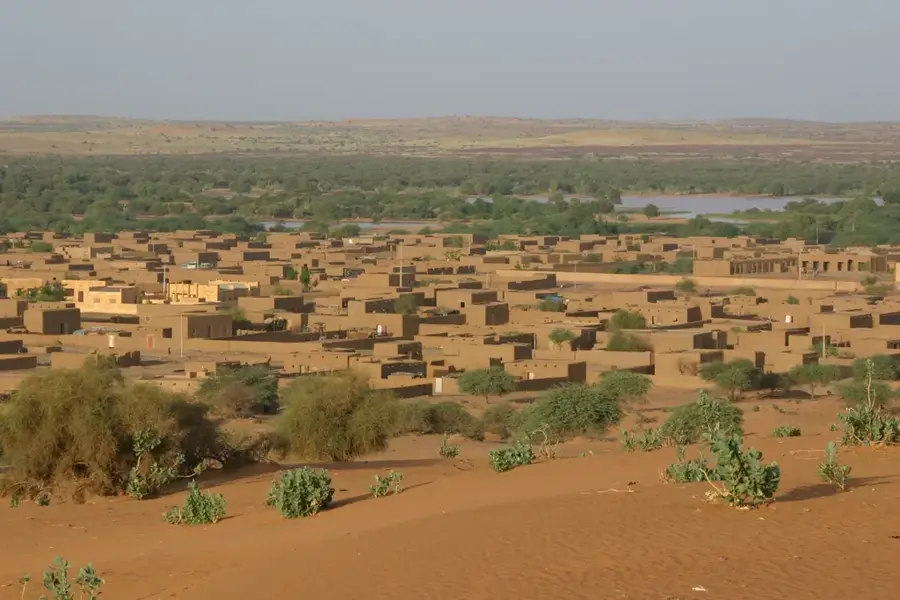
Ménaka
A new regional capital in the far east of Mali near the Nigerien border.
Learn more →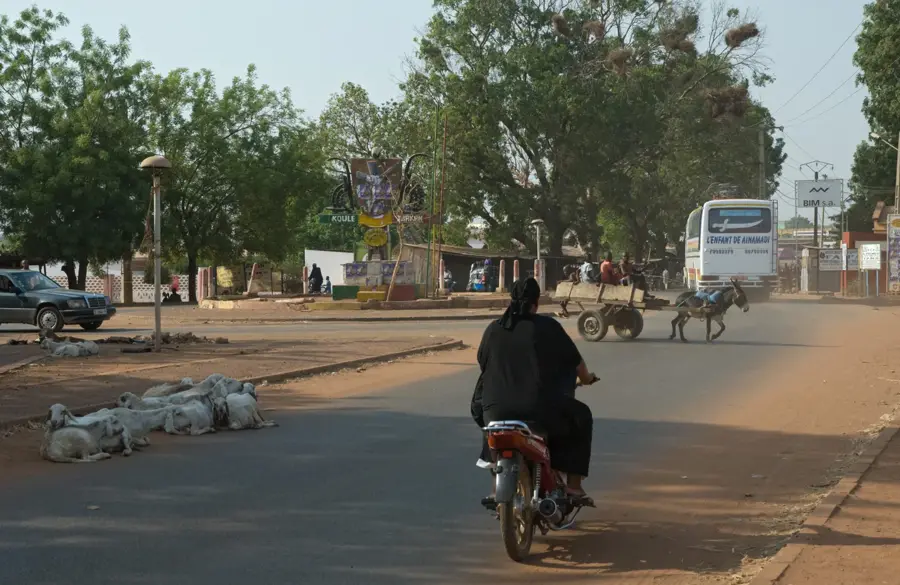
Koutiala
As the capital of white gold, this city is the center of Malian cotton production.
Learn more →
Diré
An important market town on the left bank of the Niger in the dry Timbuktu region.
Learn more →Frequently asked questions
What are the largest cities in Mali?
This page lists the most important cities by population – each with its own detail page, map and attractions.
How do I find attractions per city?
Click a city – the detail page lists the top attractions, a map and travel tips.