Plizio Visual Lab
Terekeka

ℹ️Practical info — Terekeka
▾
🌤 Weather — 5 days
📍 Nearby
Sights nearby
💡 Tips
- Visit the Mundari cattle camps at dawn or dusk to witness the traditional ash rituals with the cows.
- Always hire a local guide who can facilitate introductions to the cattle camp elders.
- Carry a high-quality mosquito net and repellent, as the town's proximity to the Nile means many insects.
- Respect the wrestling culture; it is a major social event usually held in the late afternoons.
- A photography permit is essential and strictly enforced by local authorities here.
🍽 Food
Freshly caught fish from the White Nile, fried to order at riverside stalls.
Savory local stew made with dried fish, okra, and peanut paste.
Rich, unpasteurized milk often available directly from the Mundari herders.
🛍 Shopping · 🧘 Quiet spots
A great place to see the variety of Nile fish and buy fresh catches from the morning boats.
Look for traditional beadwork and unique carved wooden items in the town center shops.
The riverbank at sunset provides a serene view of the flowing water and local birdlife.
The peaceful atmosphere of the camps during the quiet midday hours, away from the dust.
Water temperature…
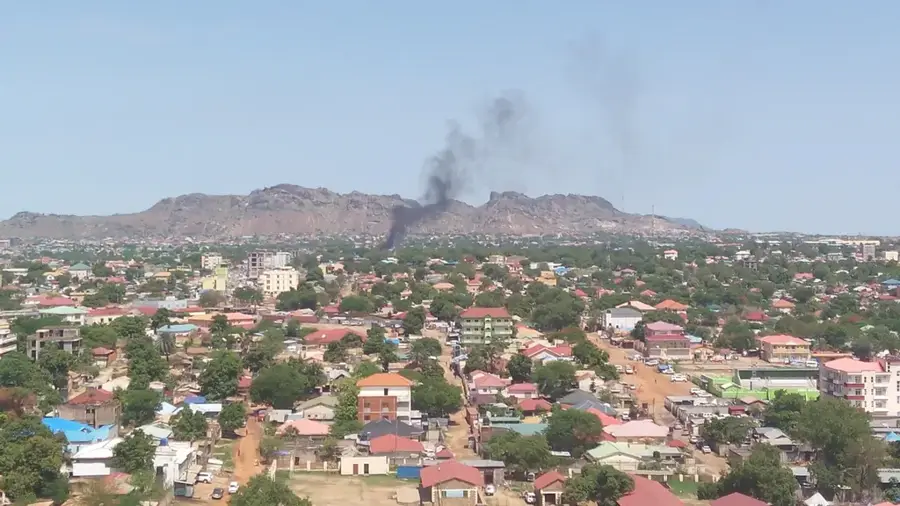
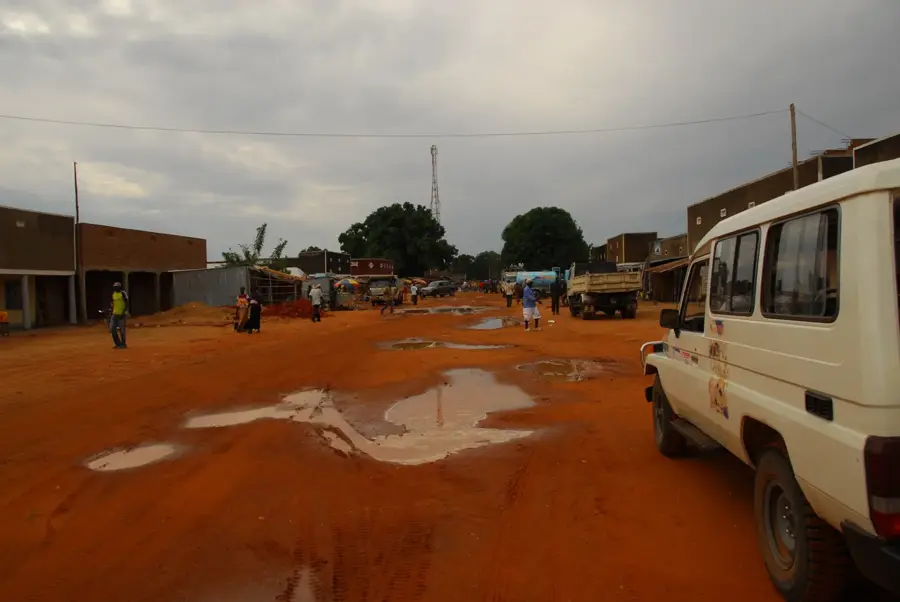
Terekeka is the capital of Terekeka County in Central Equatoria State, South Sudan, located about 75 kilometers north of the national capital, Juba. The town sits on the western bank of the White Nile and is the cultural hub of the Mundari community, an ethnic group renowned for its unique and deeply rooted cattle culture. For the Mundari, cattle are not merely an economic resource but a central symbol of status, identity, and social cohesion. Geographically, Terekeka is defined by its proximity to the Nile, granting the town an important role in the fishing industry and regional trade. The completion of the Juba-Terekeka road has significantly improved the town's economic connectivity and facilitated the transport of goods and people. Visitors to Terekeka can witness the impressive Mundari cattle camps, where animals are tended with great care. The landscape surrounding the town features seasonal floodplains and fertile arable land used for grain cultivation. Terekeka serves as a vital regional hub for administration and education and is a living example of the preservation of traditional ways of life in a modernizing environment.
Explore on the map
How well do you know South Sudan?
Find cities, landscapes and regions in 10 varied challenges on the interactive map.
Your journey, your memory
A postcard from Terekeka
Turn your own photo into a personal postcard with a local stamp. Free and no sign-up required.
Create a postcardBest time to visit & climate
The most pleasant time to visit is Jan, Nov, Dec.
| Jan | Feb | Mar | Apr | May | Jun | Jul | Aug | Sep | Oct | Nov | Dec | |
|---|---|---|---|---|---|---|---|---|---|---|---|---|
| Avg °C | 30 | 32 | 32 | 31 | 28 | 27 | 26 | 26 | 27 | 27 | 28 | 29 |
| Rain mm | 3 | 5 | 22 | 56 | 145 | 127 | 125 | 137 | 123 | 104 | 38 | 22 |
Geography
Facts
- Capital of Terekeka County along the White Nile.
- Cultural center of the Mundari ethnic community.
- Famous for its traditional Mundari cattle camps.
- Located approximately 75 kilometers north of Juba.
- Major site for the local fishing industry.
- Features an improved road connection to Juba.
Explore nearby
Notable places around
Route planner — Car & Motorhome
Where do you start? We build the route here, with stops and country notes along the way.
© OpenStreetMap contributors · OpenRouteService
Frequently asked questions
Why is Terekeka an interesting place?
How much time should I spend in Terekeka?
Is Terekeka safe for tourists?
What is the best season for Terekeka?
Is there local food in Terekeka?
Terekeka: where is it located?
Terekeka: when is the best time to visit?
Terekeka: why is it worth visiting?
Nearby cities
History & landmarks
Nature
More places