Plizio Visual Lab

Uljin Geopark

Plizio editorial teamData Sources
national-park
—°3
Uljin Geopark (South Korea)

Weather…

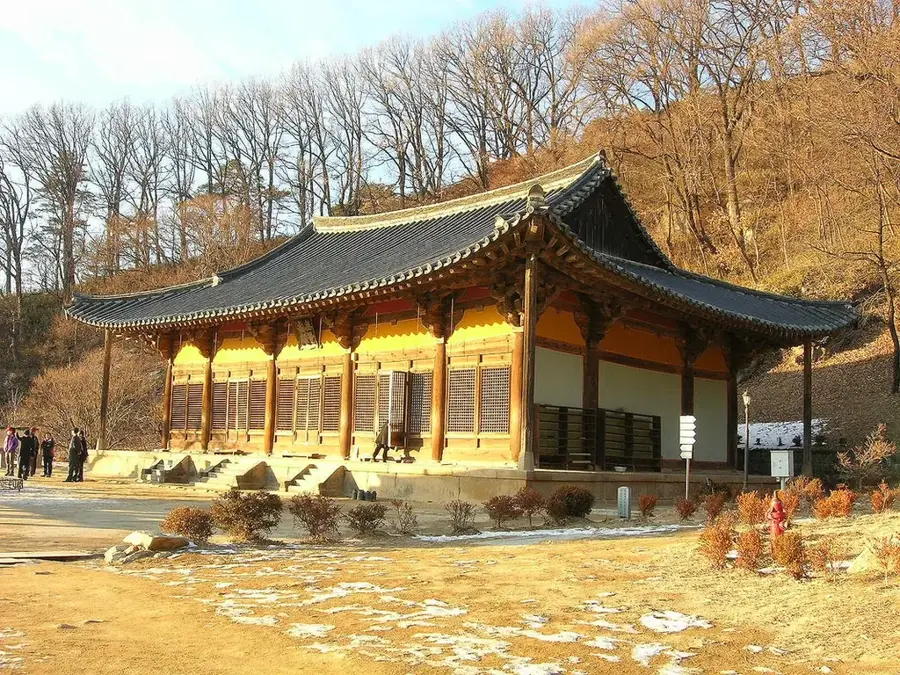
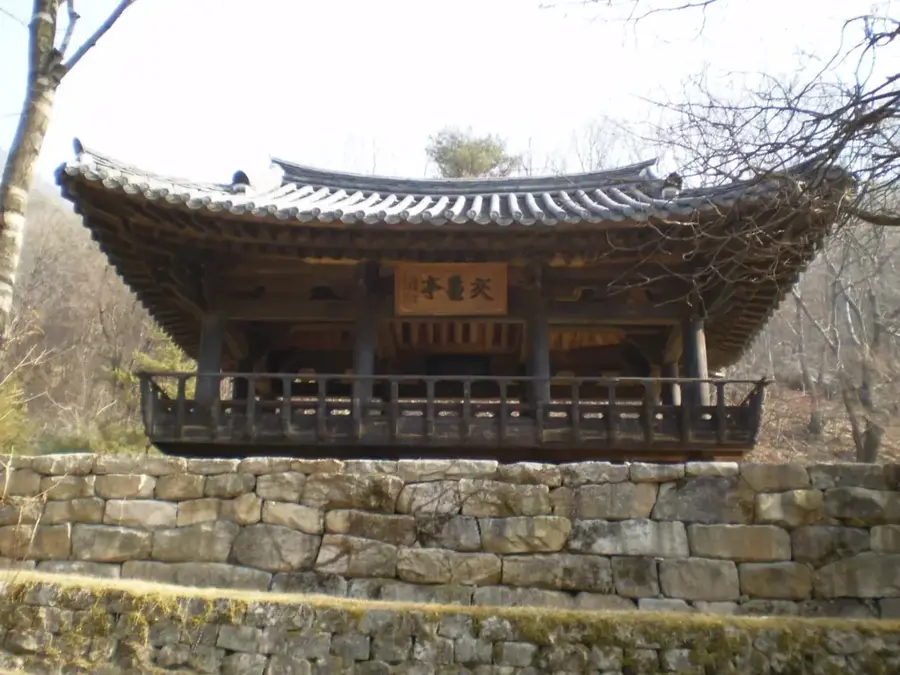
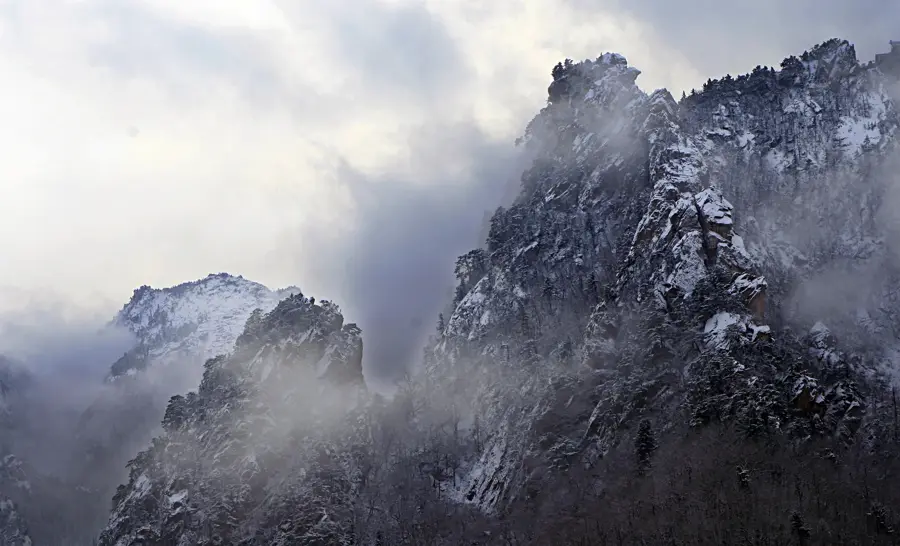
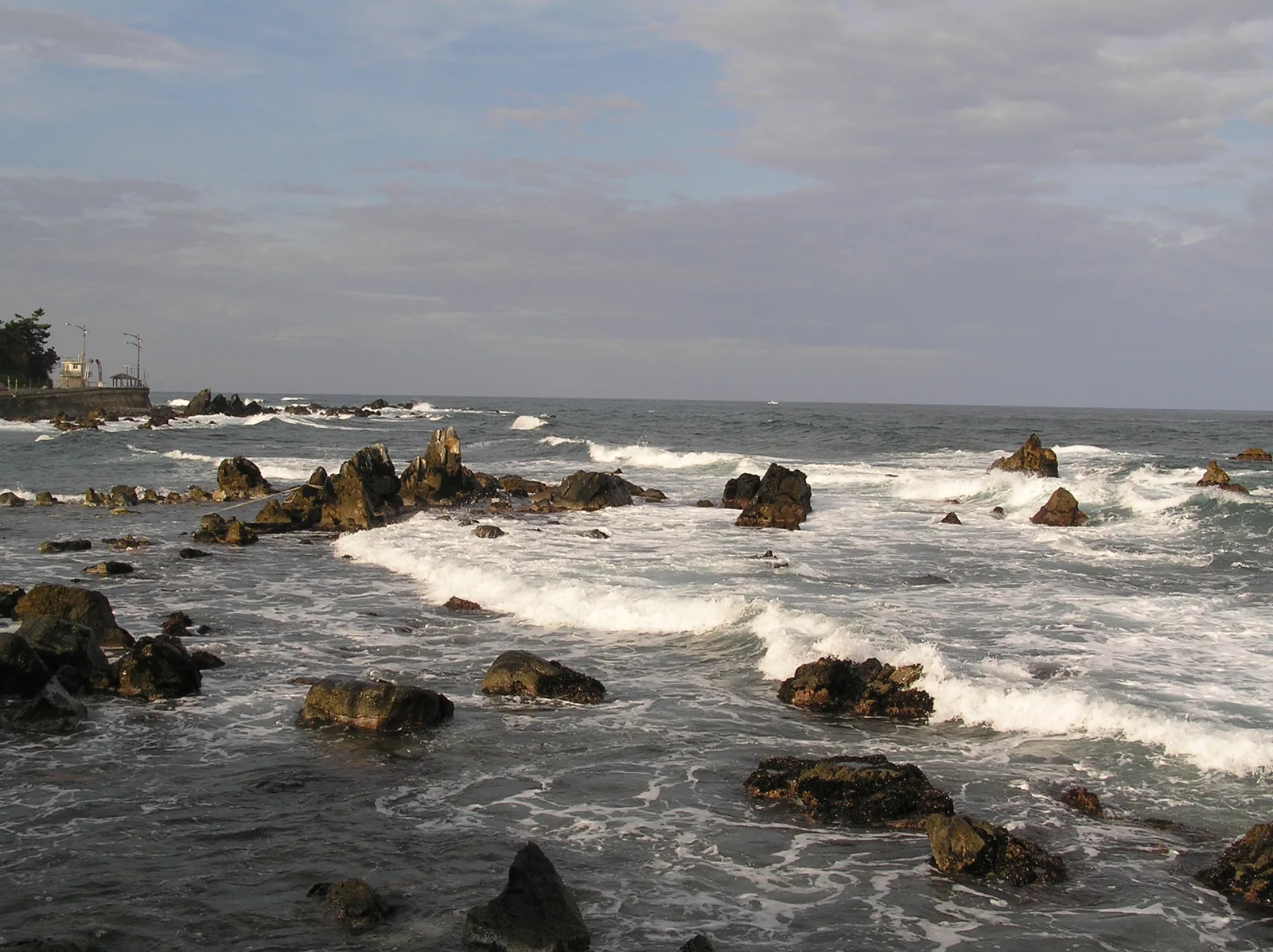
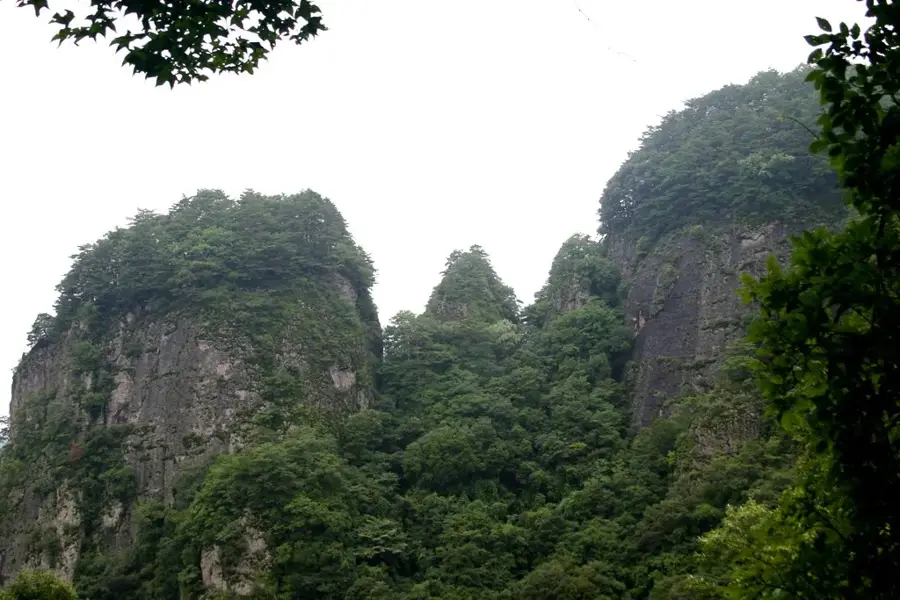
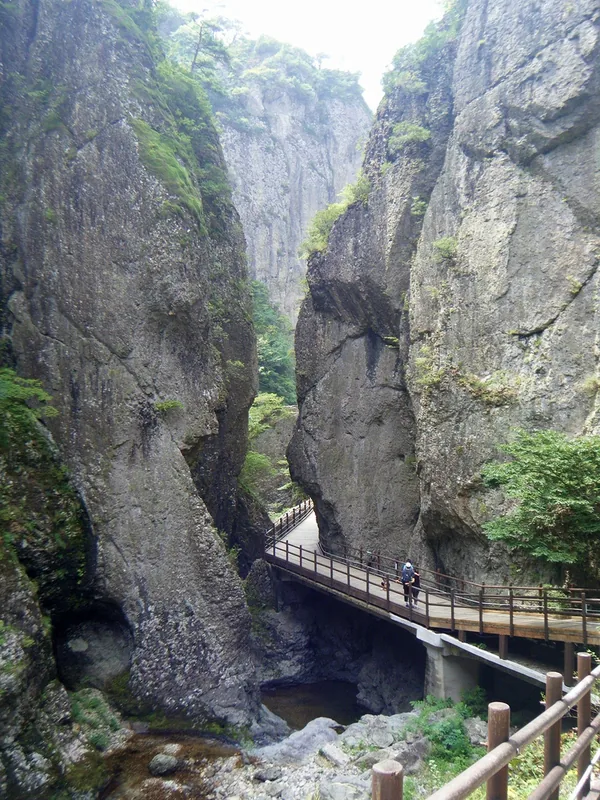
Uljin Geopark is a significant part of the Gyeongbuk Geopark, renowned for its extraordinary geological formations along South Korea's eastern coastline. The park's centerpiece is Seongnyugul Cave, a limestone cave estimated to be over 250 million years old, featuring spectacular stalactites and stalagmites. The cave spans 870 meters and is officially registered as Natural Monument No. 155. Additionally, the geopark encompasses the Bul-yeong Valley, famous for its deep canyons and crystal-clear rivers flowing through metamorphic rock layers. This valley provides a direct look into the tectonic shifts of the peninsula over millions of years. The park serves as an open-air museum for geology and biology, hosting rare lichens and ferns. It plays a vital role in preserving Korea's geological heritage while promoting sustainable geotourism in the region.

Best time to visit & climate

The most pleasant time to visit is May, Jun, Oct.

JanFebMarAprMayJunJulAugSepOctNovDec
Avg °C1361116202325211693
Rain mm3440528173112243223172784931

📋 Practical info

🧭
Getting there
Arriving at the diverse geological sites scattered along the scenic east coast generally requires navigating via the coastal highways utilizing a personal car or regional intercity buses. Local transportation networks between the specific natural monuments like the massive limestone caves might be limited, making independent transport highly advantageous.
📅
Best season
The coastal landscapes and underground geological formations are generally accessible and visually striking throughout the entire year, though the crisp autumn months provide particularly pleasant conditions for outdoor coastal walks. Summer can bring heavy rains and significant humidity, while winter winds sweeping off the sea are often bitterly cold.
⛰️
Terrain & paths
The environment presents a stark contrast between relatively flat, paved coastal pathways designed for easy walking and the often damp, uneven, and slippery environments found inside the deep subterranean caverns. Certain viewpoints overlooking the rugged cliffs involve ascending steep wooden staircases or navigating uneven rocky outcrops along the shoreline.
🎒
What to bring
When planning to explore the major cave systems, visitors must invariably equip themselves with a light jacket, as the subterranean temperatures remain decidedly cool and damp regardless of the blistering summer heat above ground. Sensible, non-slip footwear is absolutely essential to safely traverse the wet walkways inside the caverns and the rough coastal rocks.
🅿️
Parking
Designated parking lots are routinely situated adjacent to the most prominent geological attractions and major coastal trailheads, typically accommodating both individual cars and large tour buses. These official parking zones are generally well-maintained and clearly signposted from the main coastal thoroughfares to facilitate easy navigation for arriving tourists.
⚠️
Safety
A primary safety concern involves respecting all designated barriers within the cave networks to avoid treacherous drop-offs and fiercely protecting the fragile limestone formations from damage. Additionally, along the exposed coastline, tourists must pay strict attention to sudden powerful waves and completely avoid venturing near unguarded cliff edges during strong winds.
⏱️
Time needed
Exploring a single prominent site, such as taking a comprehensive walking tour through the massive cavern structures, typically consumes roughly one to two hours. To truly appreciate the wider geological park and journey between several dispersed natural monuments along the shoreline, visitors should sensibly allocate at least half a day or more.

Geography

Coordinates
37.03000, 129.40600

Facts

  • Seongnyugul Cave length: 870 meters
  • Geological age: approx. 250 million years
  • Natural Monument No. 155 since 1963
  • Bul-yeong Valley length: 15 kilometers
  • Home to rare Metasequoia fossils
  • Part of the Gyeongbuk East Coast Geopark

Explore nearby

Notable places around

Route planner — Car & Motorhome

Where do you start? We build the route here, with stops and country notes along the way.

Vehicle
Only stops with (optional):

© OpenStreetMap contributors · OpenRouteService

Sights in the town Uljin Geopark (3)

Pokpungsokeuroseteujang📍 landmark

This clifftop house was specially built as a filming set for the popular drama series 'Into the Storm'.

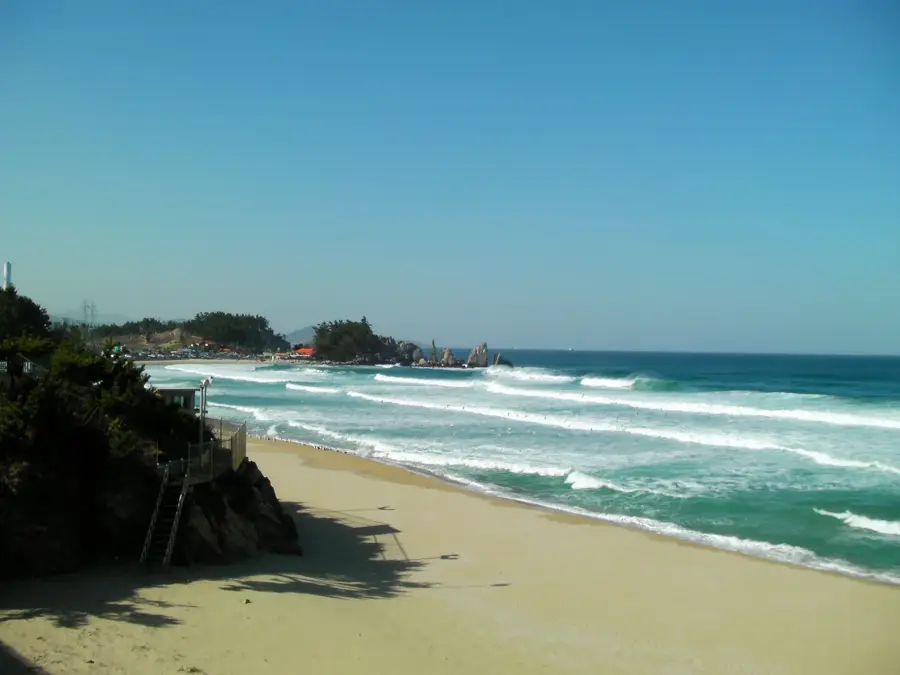
Mangyang Beach🎡 recreation

A sandy beach on the East Sea coast known for its clear waters.

Sandol Baptist Church📍 landmark

A local Baptist church located near the Uljin coastline.

Sights nearby

Frequently asked questions

What makes Uljin Geopark special?
It is famous for its impressive limestone caves like Seongnyugul and the spectacular coastal scenery along the East Sea.
Is Seongnyugul Cave open year-round?
Yes, the cave is open year-round, typically from 09:00 to 17:00 or 18:00, except for some Mondays.
What clothing is recommended for visiting the caves?
Wear comfortable walking shoes and a light jacket, as the cave temperature is constant around 15°C.
Are there dining options near the geopark?
Near the park entrances and the nearby Hupo Port, there are many restaurants specializing in fresh seafood.
How much time should I plan for the geopark?
A half to full day is sufficient to visit the main cave and explore the coastal trails.
Uljin Geopark: where is it located?
Uljin Geopark is located in South Korea.
Uljin Geopark: what is there to see?
Highlights include Pokpungsokeuroseteujang, Mangyang Beach, Sandol Baptist Church.
Uljin Geopark: when is the best time to visit?
The most pleasant time to visit is May, Jun, Oct.
Uljin Geopark: why is it worth visiting?

Uljin Geopark is a significant part of the Gyeongbuk Geopark, renowned for its extraordinary geological formations along South Korea's eastern coastline.
View on map → The Top 50 Attractions → OpenStreetMap →
Asia
Explore with Plizio Discover more places in Asia
More places in South Korea →

Nearby cities

History & landmarks
Nature
More places