Plizio Visual Lab
Yeongju
ℹ️Practical info — Yeongju
▾
🌤 Weather — 5 days
📍 Nearby
Sights nearby
💡 Tips
- The hike up to Buseoksa Temple is quite steep, so take your time and enjoy the old gingko trees along the path.
- Sosu Seowon is beautifully preserved; hiring an English guide or using an audio guide greatly enhances the historical experience.
- Yeongju can get chilly in the evenings, even in spring and autumn, so bring layers.
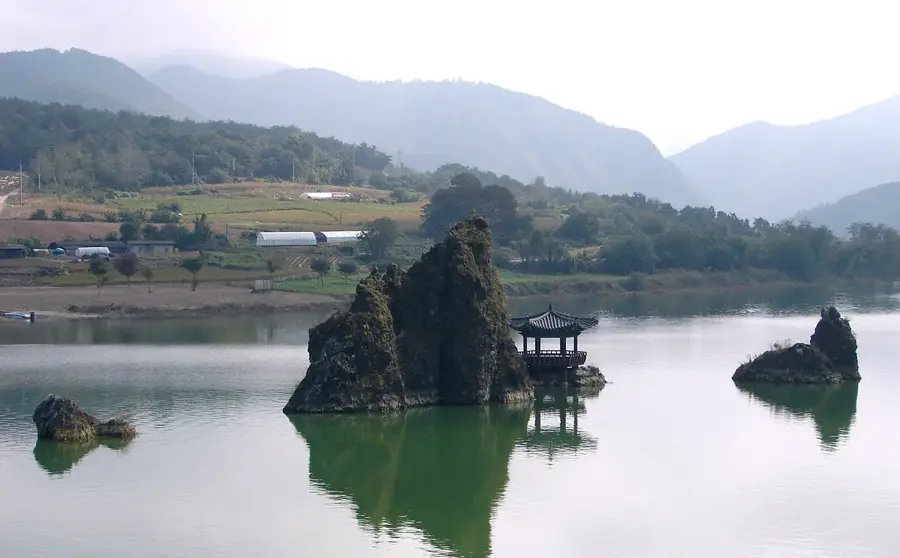
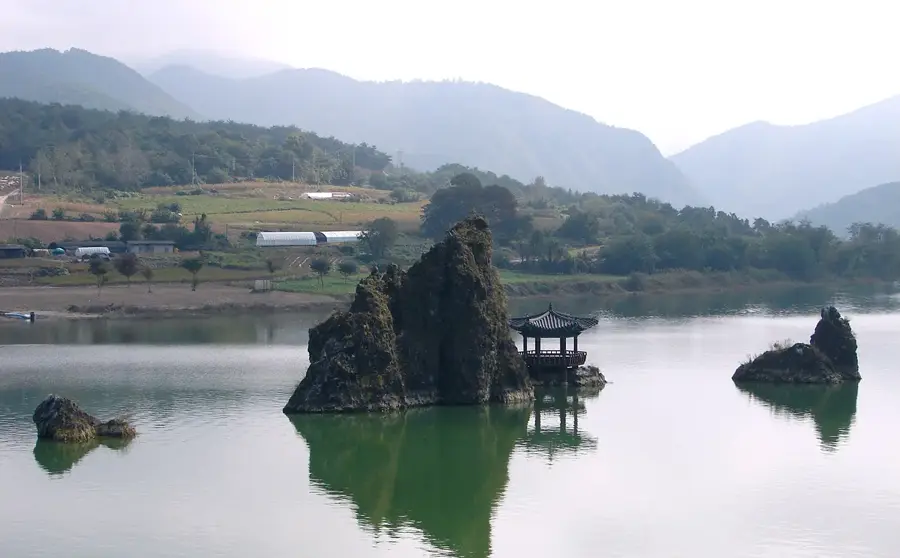
- If you want to walk the single-log bridge at Museom Village, try visiting on a weekday to avoid crowds.
🍽 Food
Korean Beef: Renowned for its quality, look for specialized Hanu BBQ restaurants in the city center.
Ginseng Chicken Soup: A nourishing dish featuring the famous local ginseng, best enjoyed in the Punggi area.
Fermented Soybean Paste Stew: A rustic and hearty local dish available at traditional eateries near Sosu Seowon.
🛍 Shopping · 🧘 Quiet spots
The best place to buy high-quality fresh ginseng and red ginseng extracts.
Rayon: Traditional cooling summer fabric, available in local textile shops.
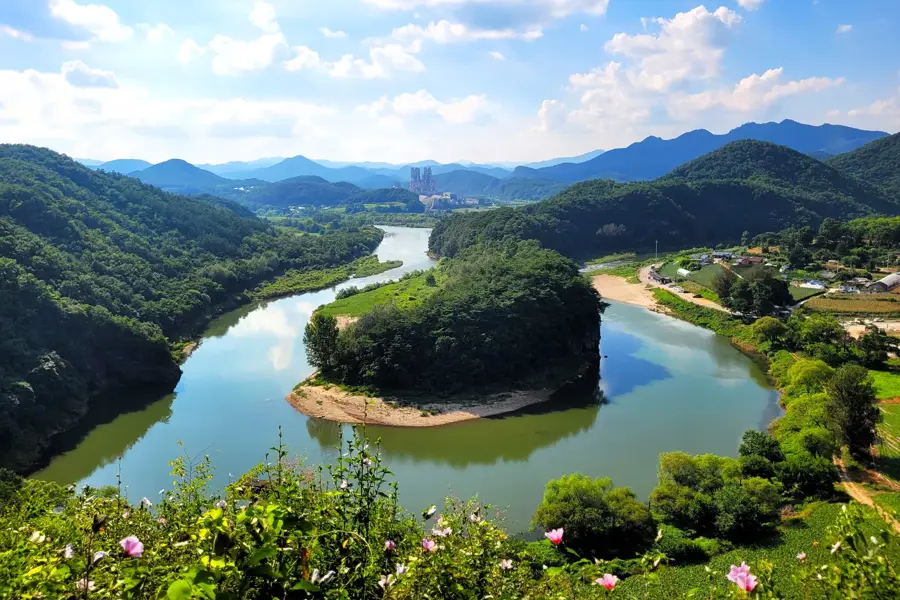
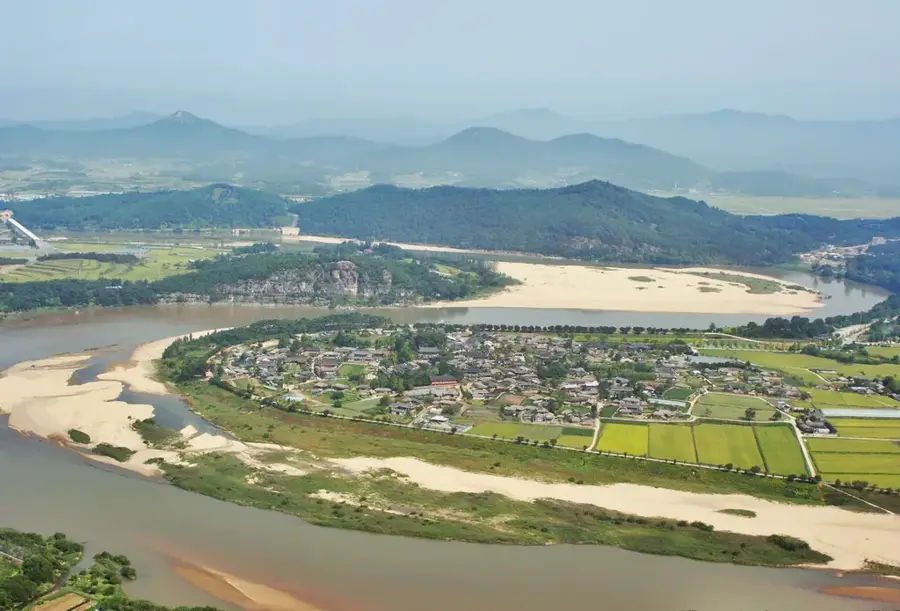
The sandy riverbanks and traditional hanok houses offer a deeply tranquil atmosphere.
Watch the sun set over the Sobaeksan mountain range from the temple courtyard.
Water temperature…
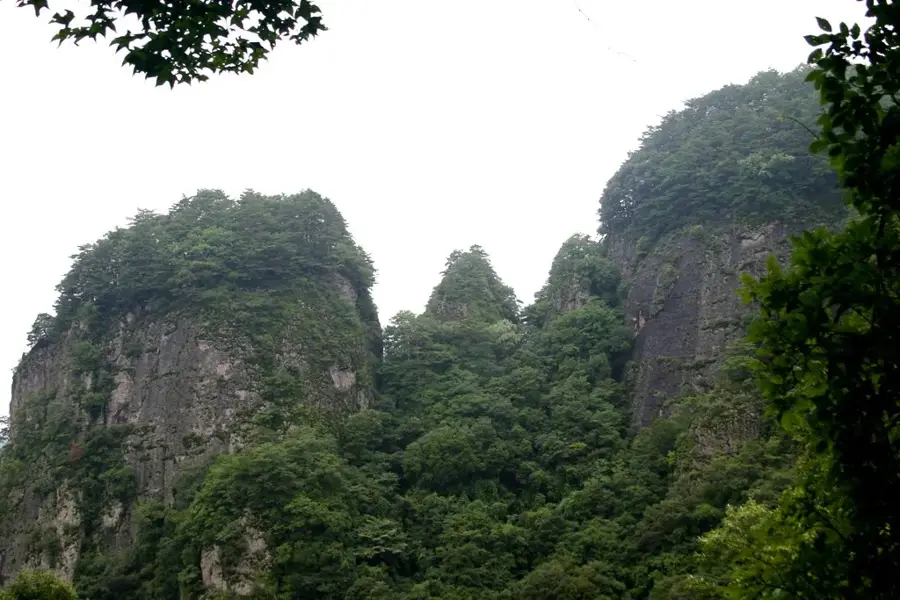
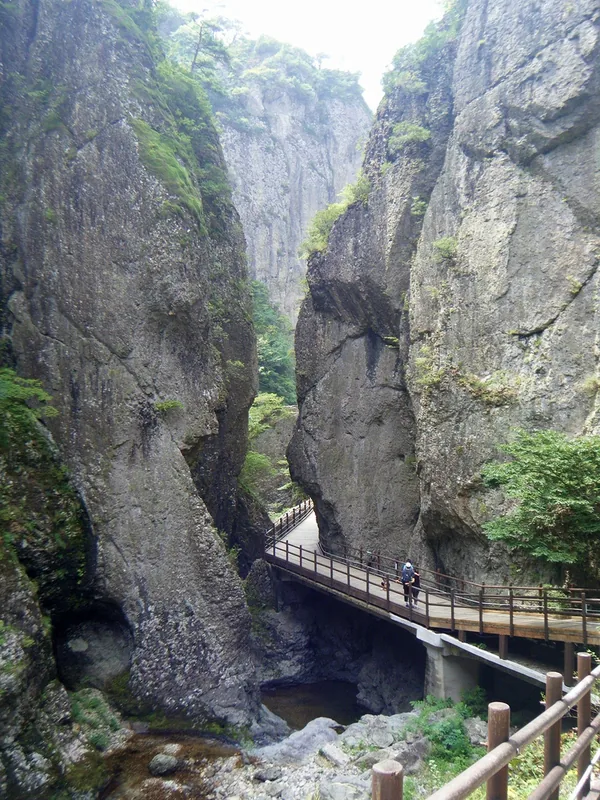
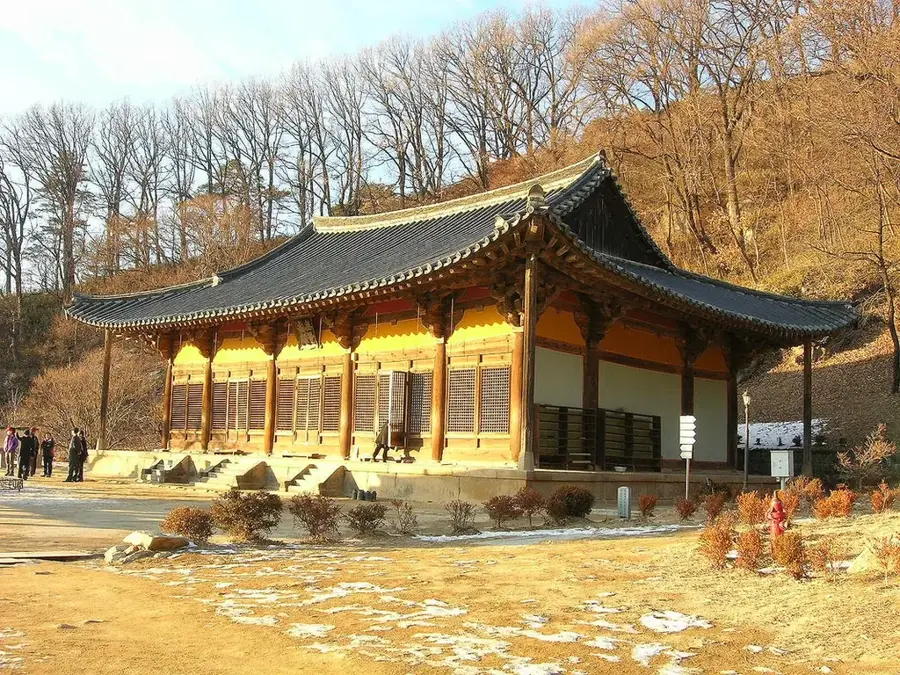
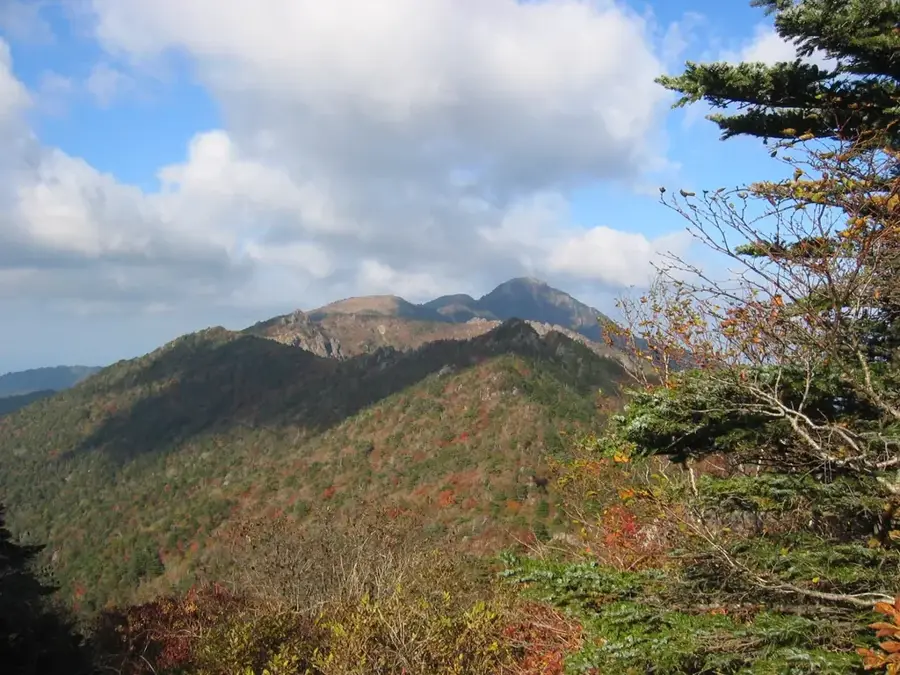
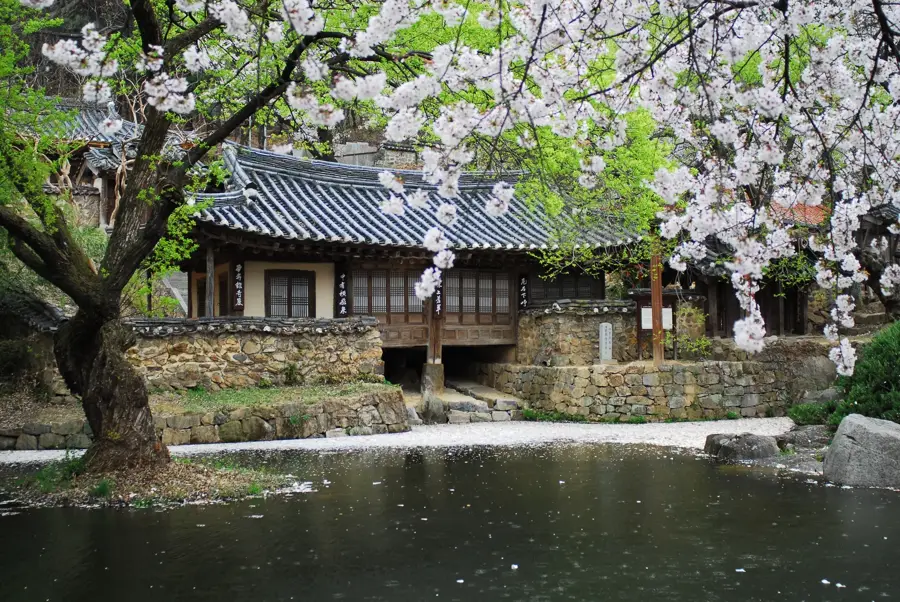
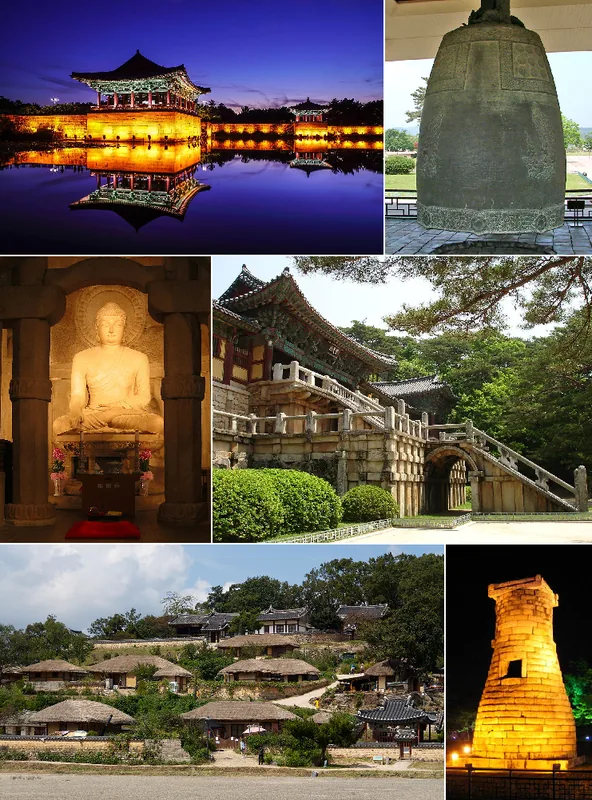
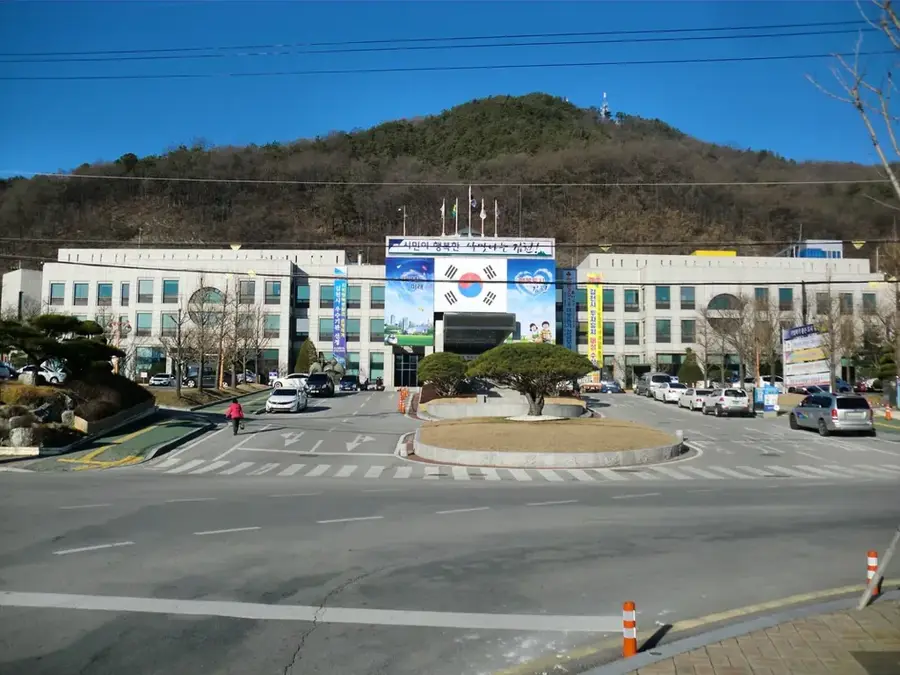
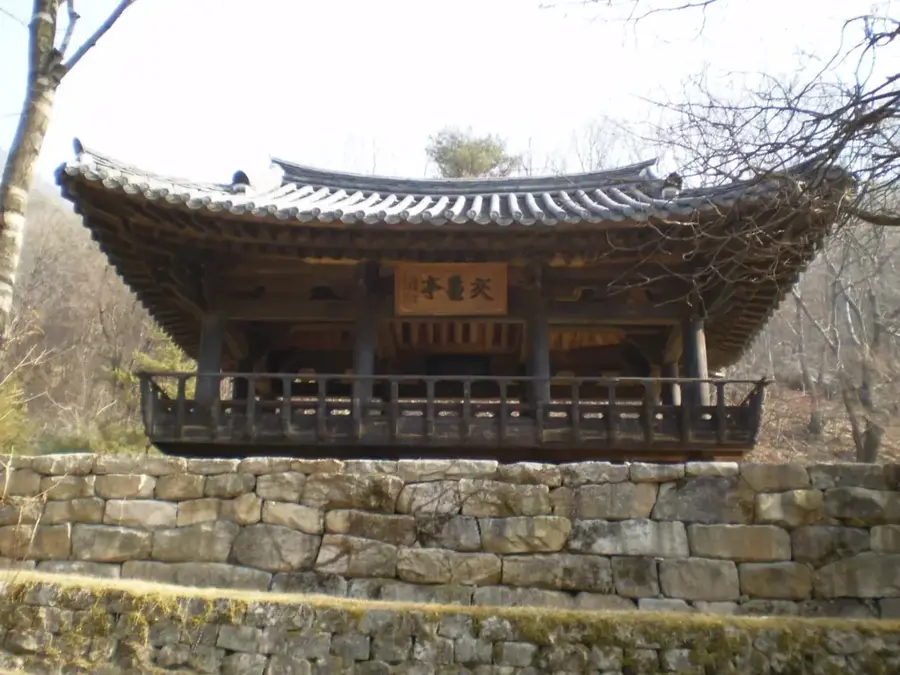
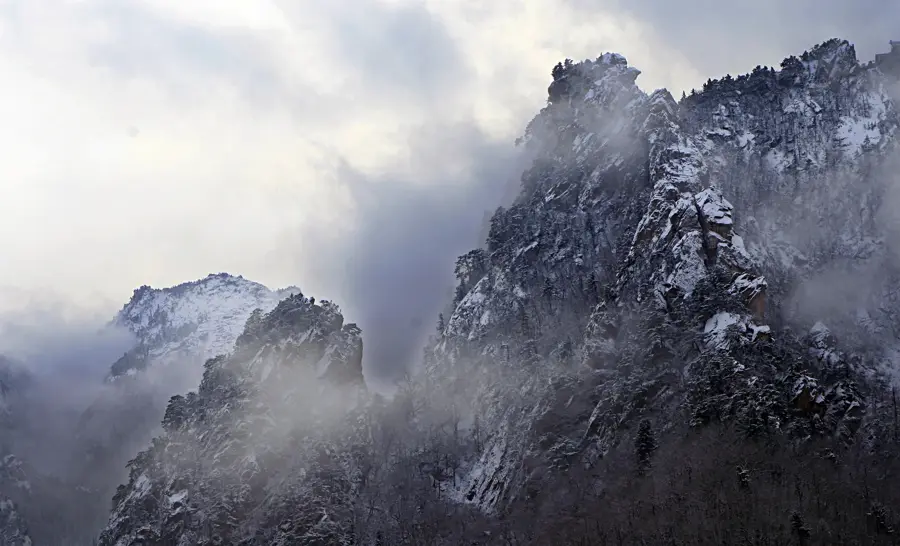
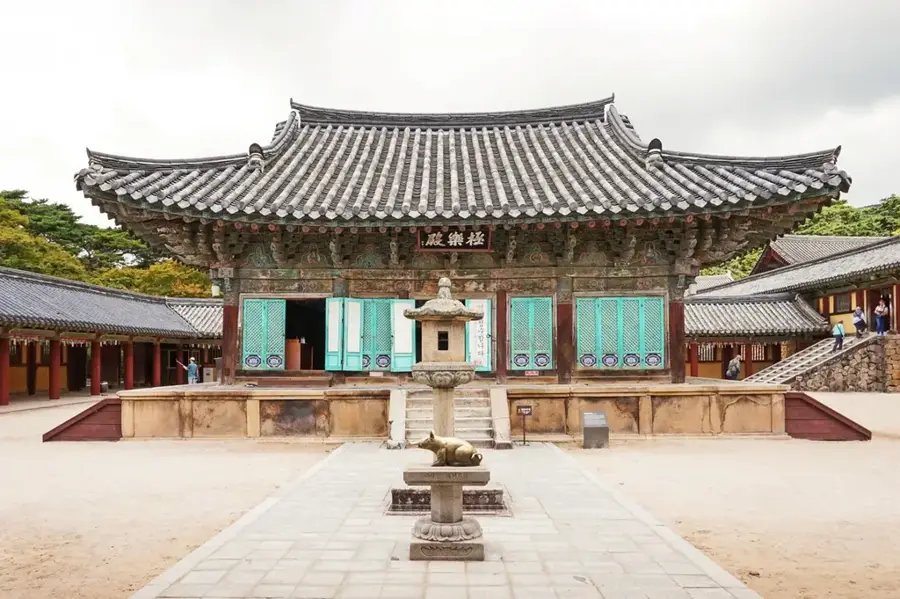
Yeongju is located in northern Gyeongsangbuk-do province and functions as a vital railway hub at the base of the Sobaek Mountains. The city's history is deeply intertwined with Korean Confucianism, home to Sosu Seowon, the first private academy in Korea to receive royal recognition in 1543. Another landmark of immense historical value is Buseoksa Temple, established in 676 AD by the monk Uisang, renowned for its ancient wooden architecture and panoramic mountain views. In the modern era, Yeongju has established itself as a center for high-quality agriculture, with Punggi ginseng and local apples being highly regarded across the country. The city actively preserves the 'Seonbi' (Confucian scholar) heritage through cultural sites like Seonbichon Village, which recreates the lifestyle of the Joseon Dynasty elite. Geographically, the region benefits from Sobaeksan National Park, providing significant natural resources and supporting the city's growing eco-tourism sector.
Explore on the map
How well do you know South Korea?
Find cities, landscapes and regions in 10 varied challenges on the interactive map.
Your journey, your memory
A postcard from Yeongju
Turn your own photo into a personal postcard with a local stamp. Free and no sign-up required.
Create a postcard- Location: South Korea
- Highlights: Geumgang Art Museum · Yeongju Art Hall · Hamangdong Catholic Church
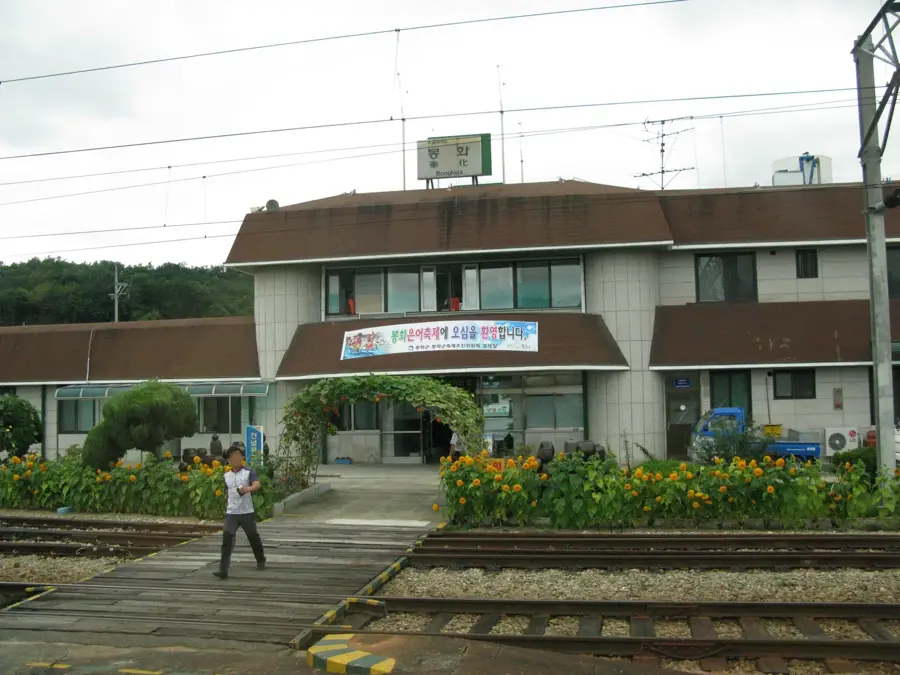
- Nearby: Bonghwa (14 km)
- Population: ~84.625 (2023)
Best time to visit & climate
The most pleasant time to visit is May, Jun, Sep.
| Jan | Feb | Mar | Apr | May | Jun | Jul | Aug | Sep | Oct | Nov | Dec | |
|---|---|---|---|---|---|---|---|---|---|---|---|---|
| Avg °C | -6 | -4 | 2 | 8 | 14 | 19 | 22 | 22 | 17 | 11 | 3 | -4 |
| Rain mm | 27 | 35 | 48 | 82 | 75 | 124 | 286 | 242 | 161 | 70 | 45 | 25 |
Geography
Facts
- Sosu Seowon was established in 1543 as the first state-chartered Confucian academy in Korea.
- Buseoksa Temple contains the Muryangsujeon Hall, one of Korea's oldest surviving wooden buildings from the 13th century.
- Punggi ginseng has been cultivated in the region for over 500 years and is famous for its high quality.
- The city acts as a major junction for the Jungang Line, connecting Seoul to the southeastern regions.
- Yeongju covers an area of approximately 669 square kilometers and has a population of around 100,000.
- The city hosts the annual Punggi Ginseng Festival to celebrate its primary agricultural export.
Explore nearby
Notable places around
Route planner — Car & Motorhome
Where do you start? We build the route here, with stops and country notes along the way.
© OpenStreetMap contributors · OpenRouteService
Sights in the town Yeongju (5)
Frequently asked questions
What is the main attraction in Yeongju?
What is Sosu Seowon?
Can you stay overnight in Seonbichon Village?
What is Yeongju famous for culinarily?
When is the best time to visit Buseoksa Temple?
Yeongju: where is it located?
Yeongju: what is there to see?
Yeongju: when is the best time to visit?
Yeongju: why is it worth visiting?
Nearby cities
History & landmarks
Nature
More places