Sighisoara Medieval Festival
Annual medieval festival held in late July in Sighisoara's UNESCO old town. Knight tournaments, costumed parades, medieval music and craft markets fill the cobbled streets.
Plizio Visual Lab
A Romanian classic tripe soup, widely available in traditional restaurants inside the Citadel or in the lower town.
Treat yourself to this delicious fried dough pastry served with sour cream and jam in a cafe around the Citadel Square.
Due to the Transylvanian heritage, this hearty meat stew is a staple in many local taverns.
Look for beautiful handmade Romanian or Saxon pottery in the souvenir shops along the Citadel streets.
Available in specialized shops or local markets in the lower town.
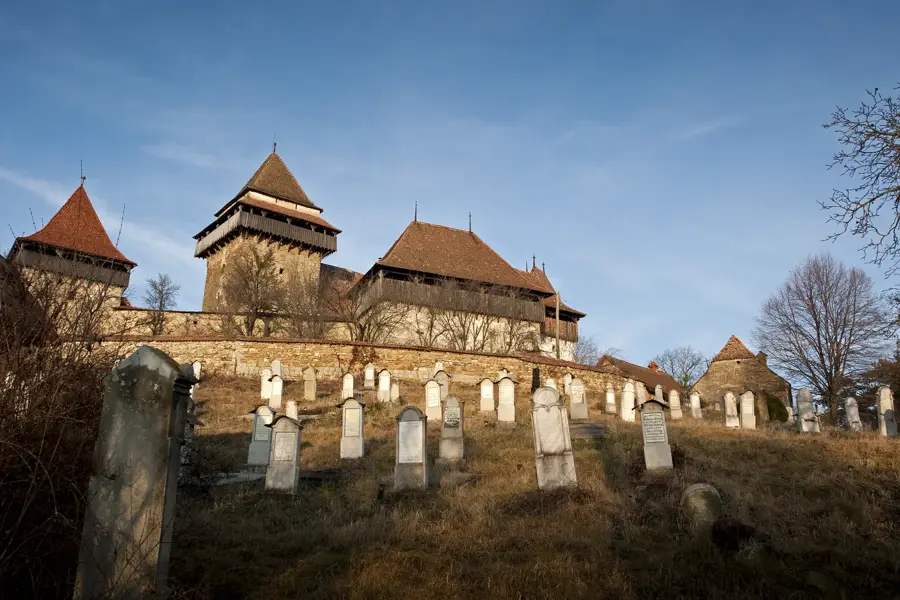
A peaceful, shaded historical cemetery with old Saxon gravestones and a calm atmosphere.
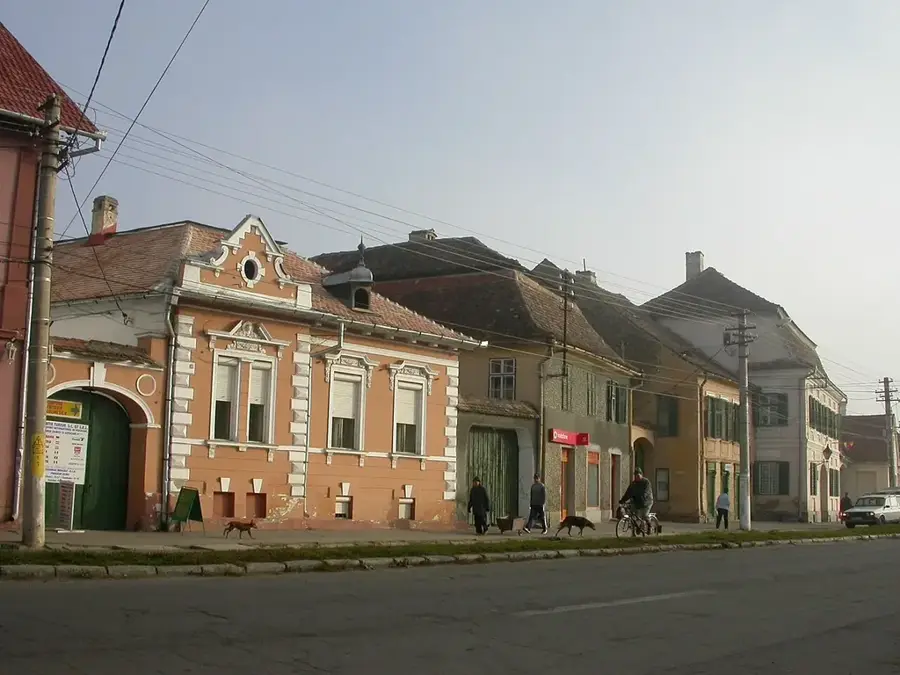
The lower town along the river is a nice place for a quiet stroll away from the tourist-heavy Citadel.
Water temperature…
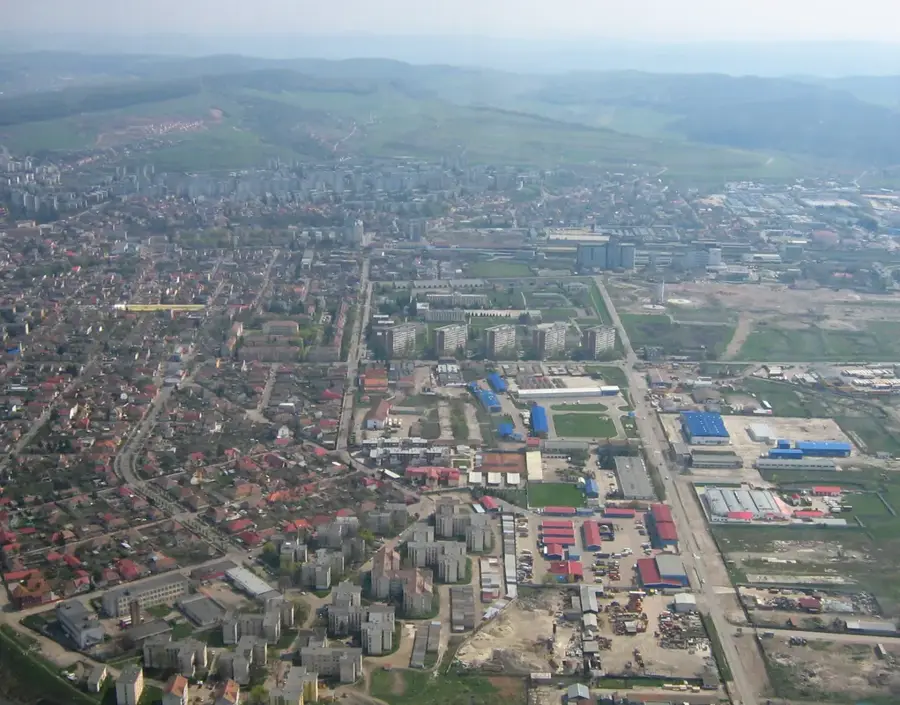
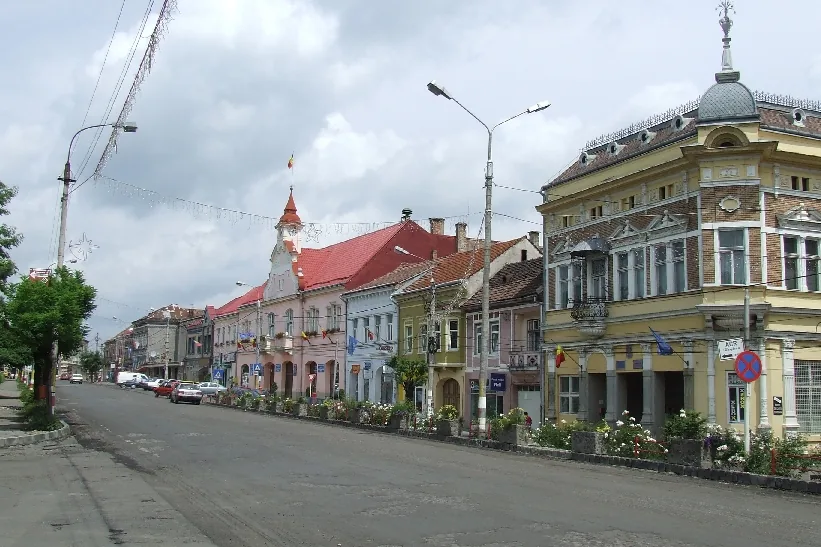
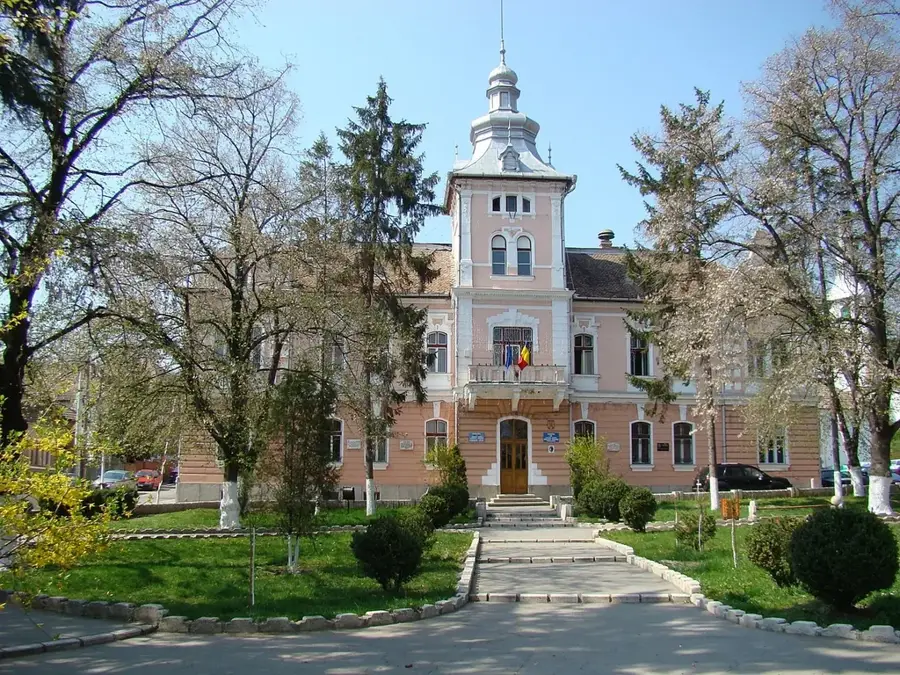
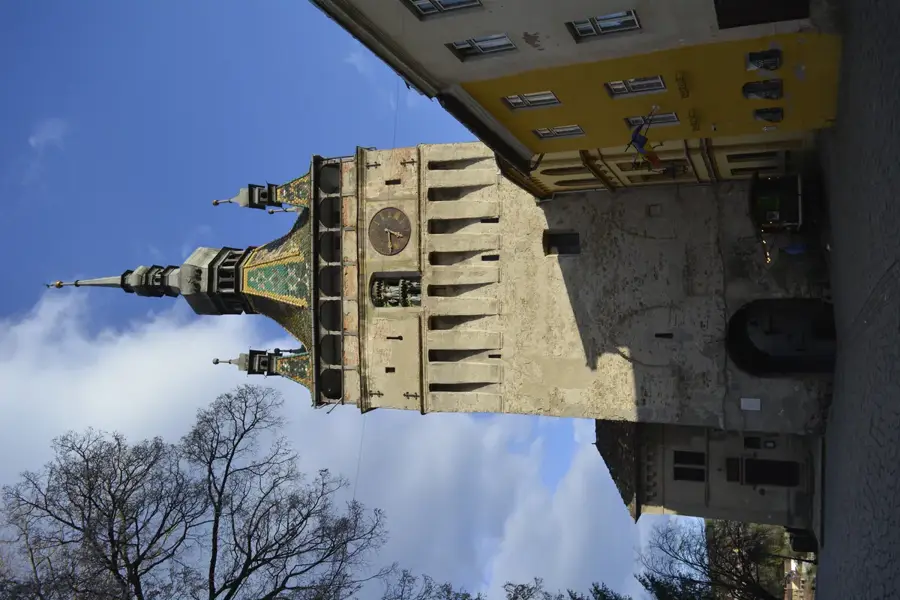
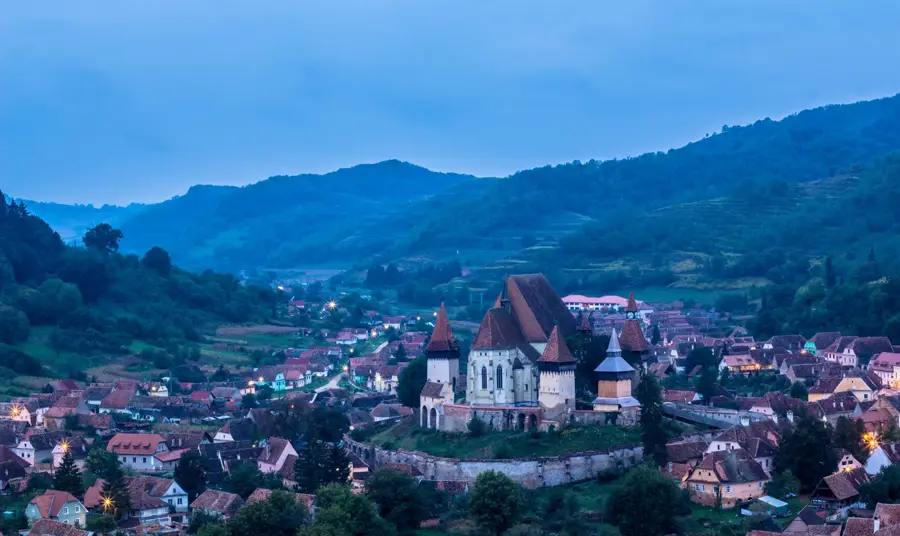
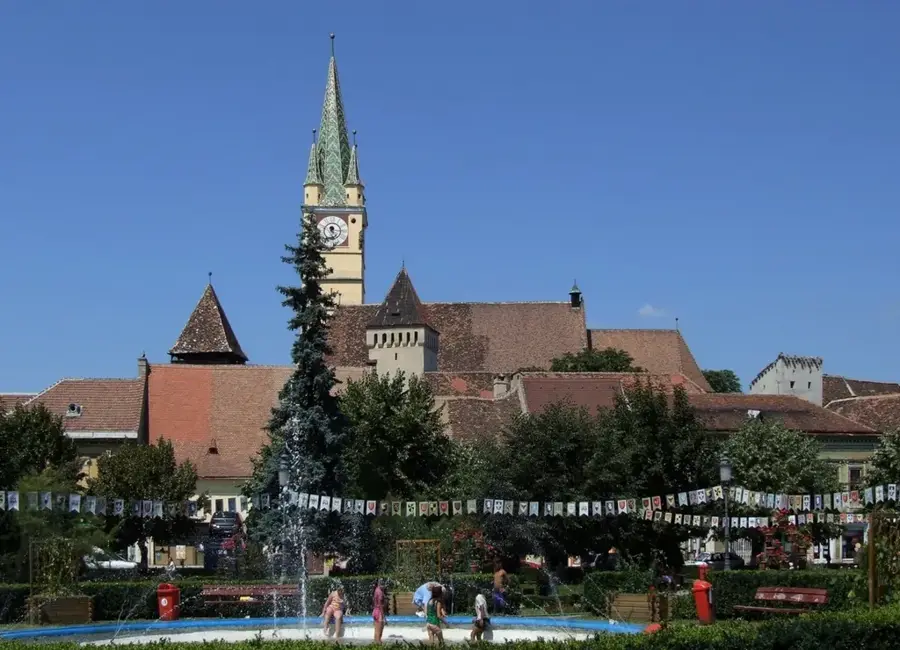
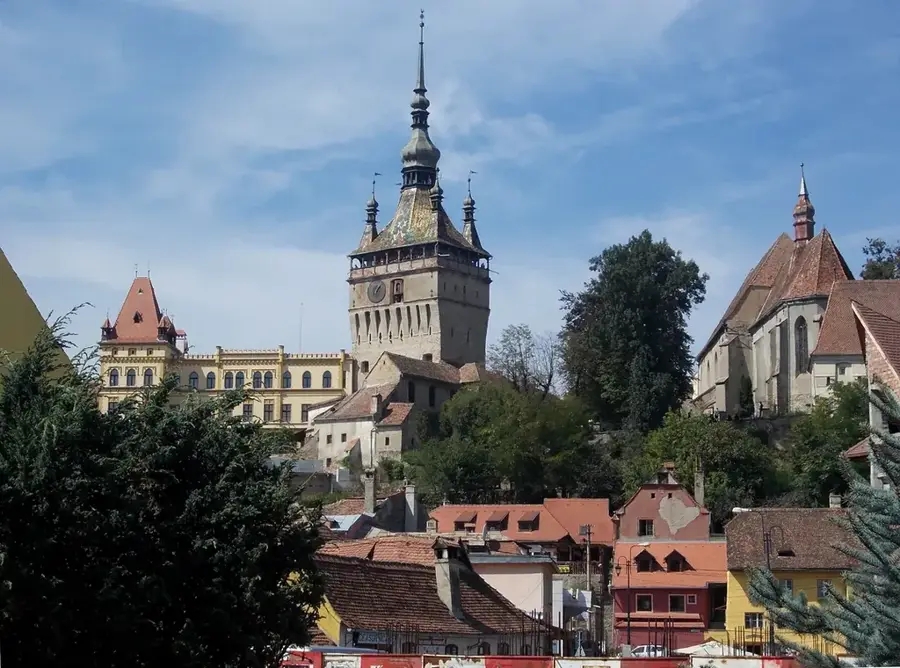
Sighișoara is one of the most beautifully preserved medieval citadels in Europe and has been a UNESCO World Heritage site since 1999. Founded by Transylvanian Saxons in the 12th century on the banks of the Târnava Mare River, it served as a vital commercial and defensive hub. The hilltop citadel is characterized by its fortification system, which originally featured 14 guild towers, nine of which still stand today, including the iconic 14th-century Clock Tower. The city is historically significant as the birthplace of Vlad III the Impaler, the ruler who inspired the Dracula legend, and his natal home is now a popular landmark. Notable architectural features include the gothic Church on the Hill and the covered Scholars' Stairs, built in 1642 to facilitate access to the school during winter. Today, Sighișoara remains a living museum, hosting annual medieval festivals that celebrate its rich Saxon heritage and centuries-old traditions in a photogenic, cobblestoned setting. In December 2024, Sighișoara's historic centre marked the 25th anniversary of its UNESCO World Heritage inscription. Schengen accession in early 2025 further boosted international visitor numbers.
Explore on the map
Find cities, landscapes and regions in 10 varied challenges on the interactive map.
Your journey, your memory
Turn your own photo into a personal postcard with a local stamp. Free and no sign-up required.
Create a postcardThe most pleasant time to visit is Jul–Sep.
| Jan | Feb | Mar | Apr | May | Jun | Jul | Aug | Sep | Oct | Nov | Dec | |
|---|---|---|---|---|---|---|---|---|---|---|---|---|
| Avg °C | -4 | -2 | 3 | 9 | 15 | 18 | 21 | 21 | 16 | 10 | 4 | -2 |
| Rain mm | 35 | 32 | 43 | 56 | 85 | 108 | 98 | 72 | 56 | 52 | 40 | 38 |
middle-ages
Notable places around
Where do you start? We build the route here, with stops and country notes along the way.
© OpenStreetMap contributors · OpenRouteService
Morning: Start with coffee at Citadel Square, then climb the Clock Tower. Midday: Visit the Church on the Hill and the History Museum. Afternoon: Enjoy a traditional lunch at Casa Vlad Dracul, then stroll through Citadel Park. Evening: End the day with a glass of wine on the terrace.
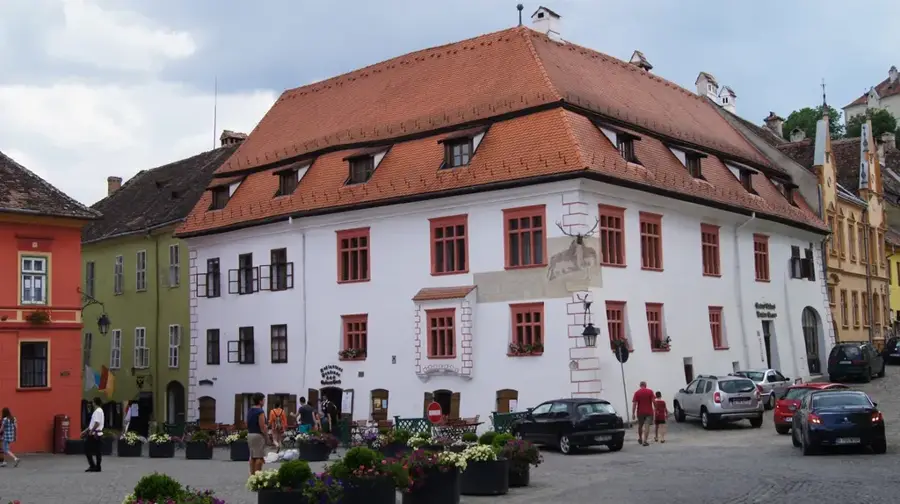
Morning: Cycle to Citadel Square and visit the Clock Tower. Midday: Bike to the cathedral and have lunch at Casa cu Cerb. Afternoon: Follow the riverside path to the Breite viewpoint. Evening: Ride back through the old town – take some photos.
Morning: Park at the edge of the old town, visit the Clock Tower and the cathedral. Midday: Lunch at Casa Vlad Dracul. Afternoon: Drive to the Breite viewpoint, then to the fortified church in Saschiz. Evening: Return and dinner in Sighișoara.
The city's landmark built in the 14th century, it houses a history museum and gives panoramic views of the citadel.