Plizio Visual Lab
Miercurea Ciuc
ℹ️Practical info — Miercurea Ciuc
▾
🌤 Weather — 5 days
📍 Nearby
Sights nearby
💡 Tips
- Miercurea Ciuc is known as a 'pole of cold'; dress warmly if you visit outside of summer.
- The Csíksomlyó Pilgrimage at Pentecost brings hundreds of thousands of visitors; book accommodation months in advance.
- Visit the Mikó Castle which often hosts fascinating local history exhibitions.
- Public transport is limited, but the town is small enough to explore mostly on foot.
🍽 Food
Don't miss the freshly baked chimney cake, easily found at stalls in the town center.
Taste the famous local craft beer at a pub near the central square.
Try this traditional tripe soup in the restaurants along the main boulevard.
🛍 Shopping · 🧘 Quiet spots
Look for local pottery and woven textiles at the souvenir shops near the center.
Visit the local market for homemade cheeses, sausages, and fresh produce.
A lovely green space in the middle of town, well-suited for a relaxed afternoon walk.
Outside of the pilgrimage days, this hill is incredibly peaceful and features great views.
Water temperature…
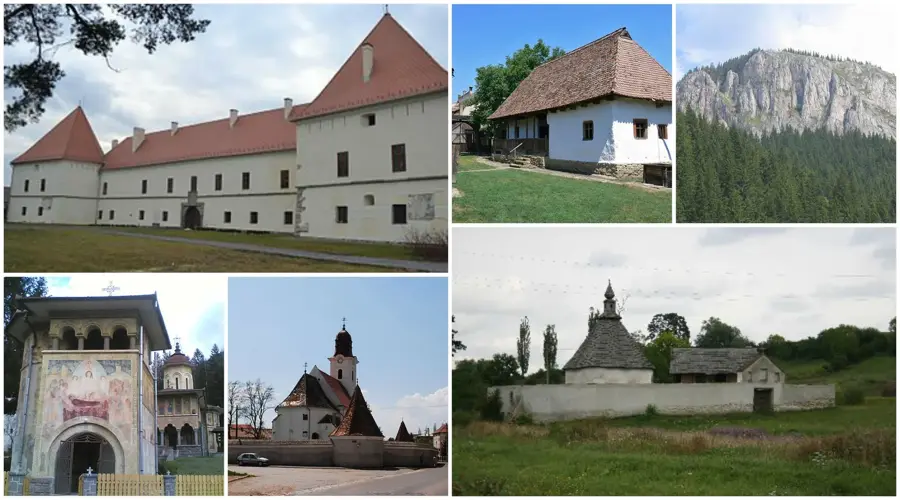
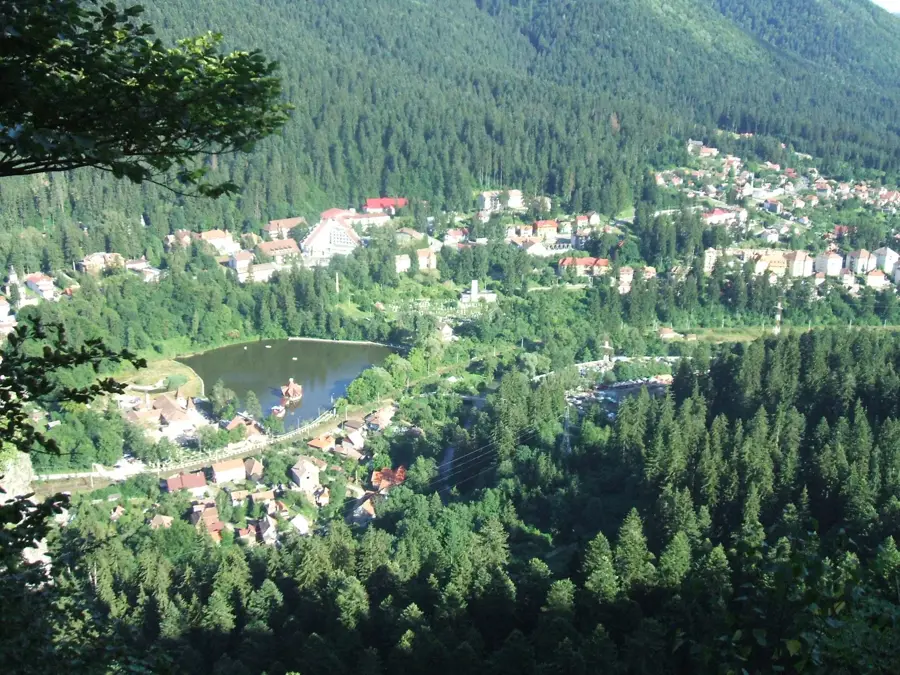
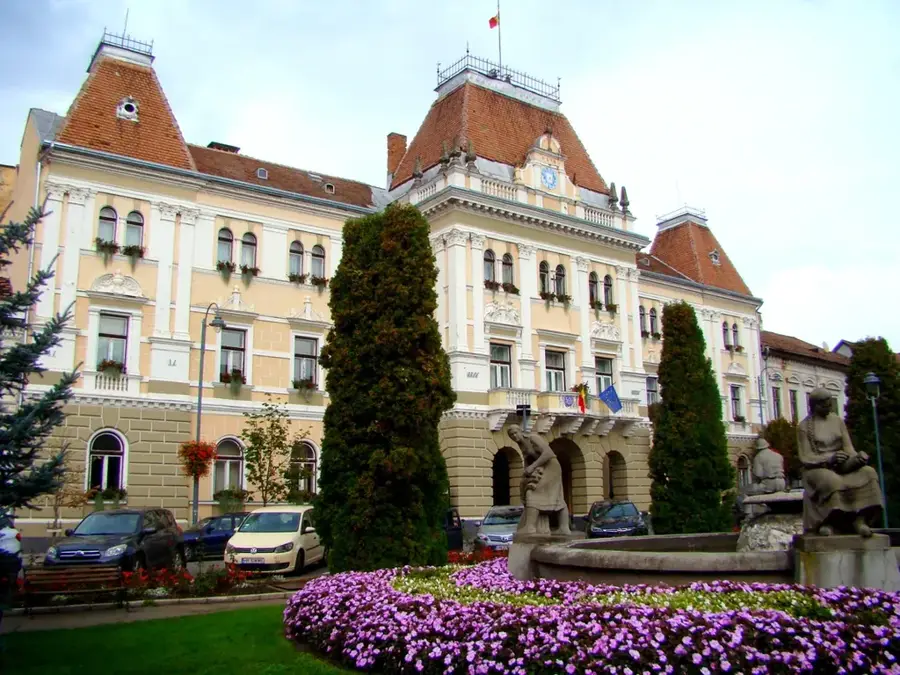
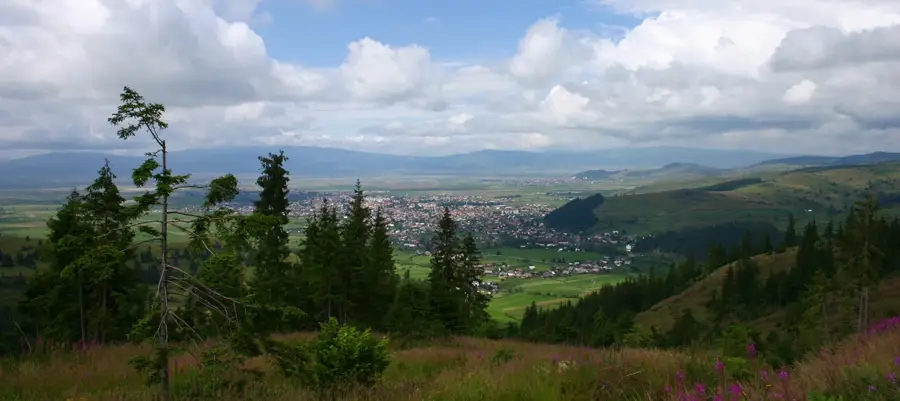
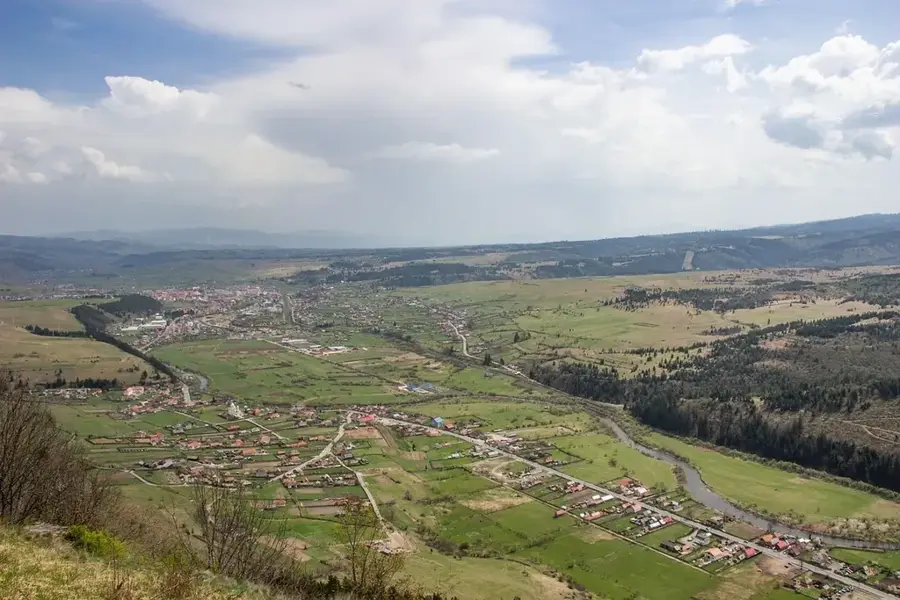
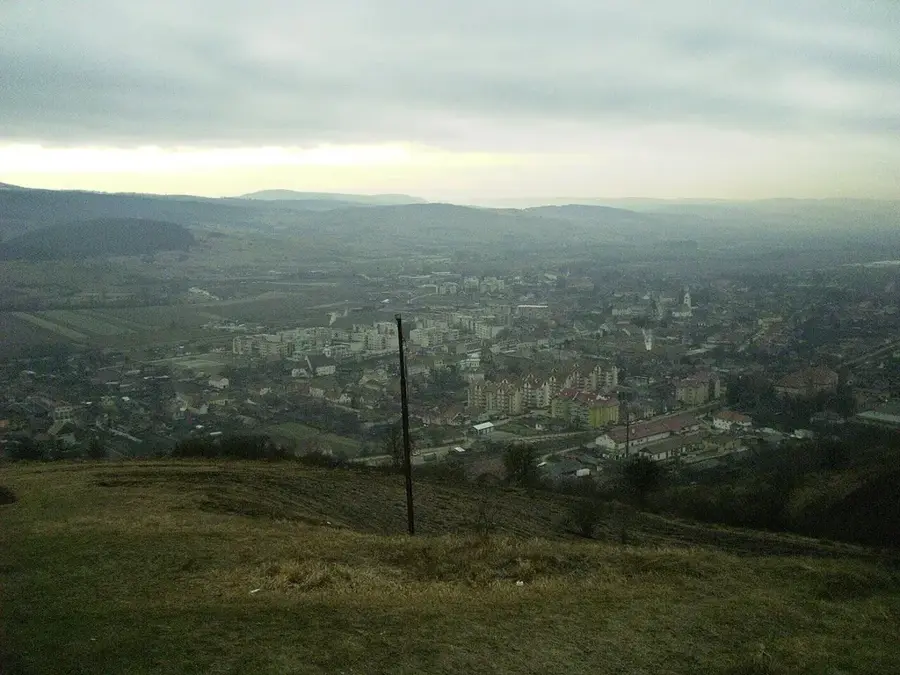
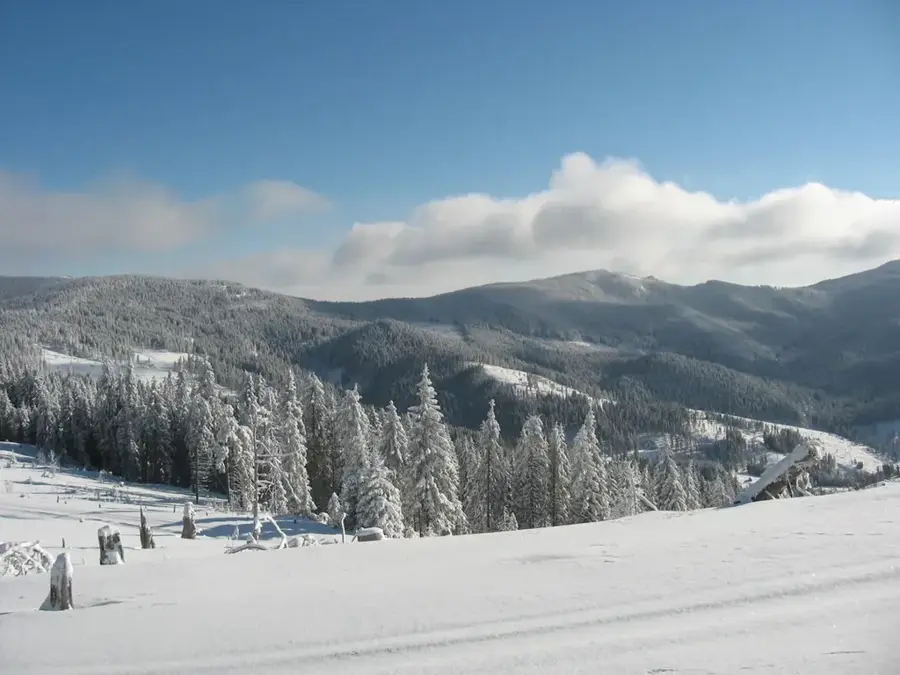
Miercurea Ciuc, located in the scenic Ciuc Basin along the Olt River, serves as the administrative center of Harghita County. Known for its extreme winter temperatures, it is often called the 'Little Siberia' of Romania, a characteristic that has fostered a strong tradition in winter sports, particularly ice hockey. The city is a spirited cultural hub for the Szekler community, with a history that comes alive at the Mikó Castle. Built in the 1630s, this Renaissance-style fortress now houses the Szekler Museum of Ciuc, preserving the unique folk art and history of the region. Perhaps its most famous landmark is the Franciscan Monastery in Șumuleu Ciuc, a major site of Catholic pilgrimage. The annual Whit Sunday pilgrimage attracts hundreds of thousands of faithful from across the globe to honor the miracle-working statue of the Virgin Mary. Economically, the city is famous for its beer production and timber industry, while the Sapientia Hungarian University of Transylvania adds a dynamic intellectual atmosphere. The architectural landscape is a blend of historical Szekler styles and modern landmarks like the Millennium Church, designed by the renowned architect Imre Makovecz. For nature enthusiasts, Miercurea Ciuc is a well-suited gateway to the Harghita Mountains, offering pristine landscapes and traditional spas. The city remains a bastion of tradition, where local festivals and the Hungarian language are integral parts of the social fabric, making it a unique destination in the heart of the Eastern Carpathians.
Explore on the map
How well do you know Romania?
Find cities, landscapes and regions in 10 varied challenges on the interactive map.
Your journey, your memory
A postcard from Miercurea Ciuc
Turn your own photo into a personal postcard with a local stamp. Free and no sign-up required.
Create a postcard- Location: Harghita, Romania
- Highlights: Mikó Castle · Millennium Church · Sumuleu Ciuc Monastery
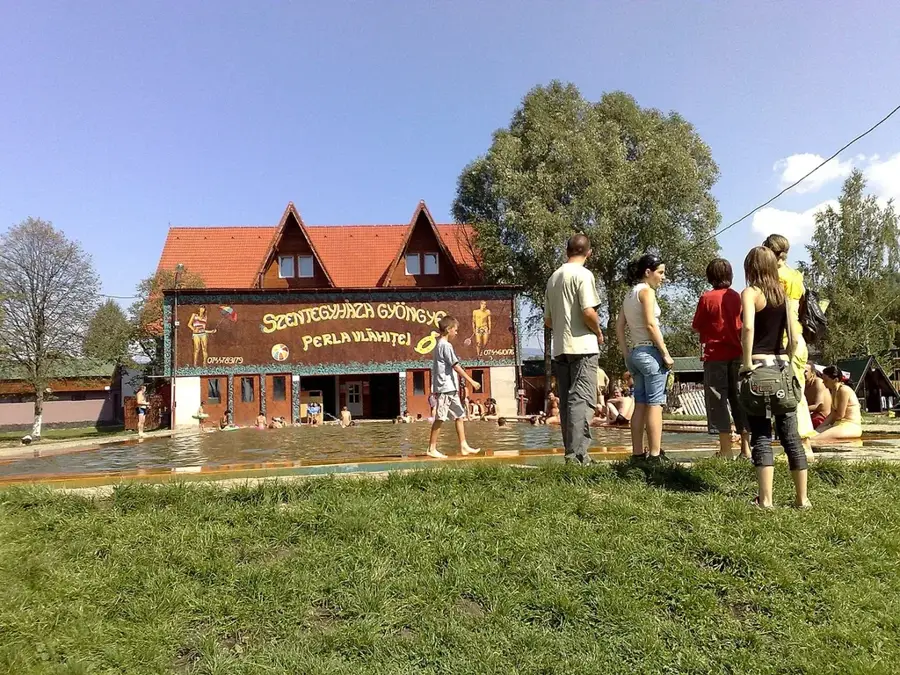
- Nearby: Vlăhița (21 km)
- Population: ~34.484
Best time to visit & climate
The most pleasant time to visit is Jul–Sep.
| Jan | Feb | Mar | Apr | May | Jun | Jul | Aug | Sep | Oct | Nov | Dec | |
|---|---|---|---|---|---|---|---|---|---|---|---|---|
| Avg °C | -5 | -4 | 1 | 7 | 13 | 17 | 19 | 19 | 13 | 8 | 2 | -3 |
| Rain mm | 30 | 31 | 39 | 53 | 83 | 113 | 96 | 69 | 51 | 54 | 34 | 35 |
Geography
Facts
- Miercurea Ciuc has an average elevation of 662 meters above sea level.
- The Mikó Castle serves as a strategic point in the Eastern Carpathians.
- Over 81% of the population identifies as Hungarian.
- The city is a traditional center for the processing of mineral waters.
- The Millennium Church features distinctive organic architectural elements.
- The town was granted city status in 1968.
- Șumuleu Ciuc is home to a world-famous 2.27-meter tall wooden statue.
- Ice hockey is considered the city's national sport.
Explore nearby
Notable places around
Route planner — Car & Motorhome
Where do you start? We build the route here, with stops and country notes along the way.
© OpenStreetMap contributors · OpenRouteService
Sights in the town Miercurea Ciuc (6)
Frequently asked questions
What is the most significant event in Miercurea Ciuc?
What can you visit at Mikó Castle?
Is it really that cold there?
What local drinks are famous?
What is a typical Szekler specialty?
Miercurea Ciuc: where is it located?
Miercurea Ciuc: what is there to see?
Miercurea Ciuc: when is the best time to visit?
Miercurea Ciuc: why is it worth visiting?
Nearby cities
History & landmarks
Nature
More places