Plizio Visual Lab
Carpathian Wolf
Weather…
Water temperature…
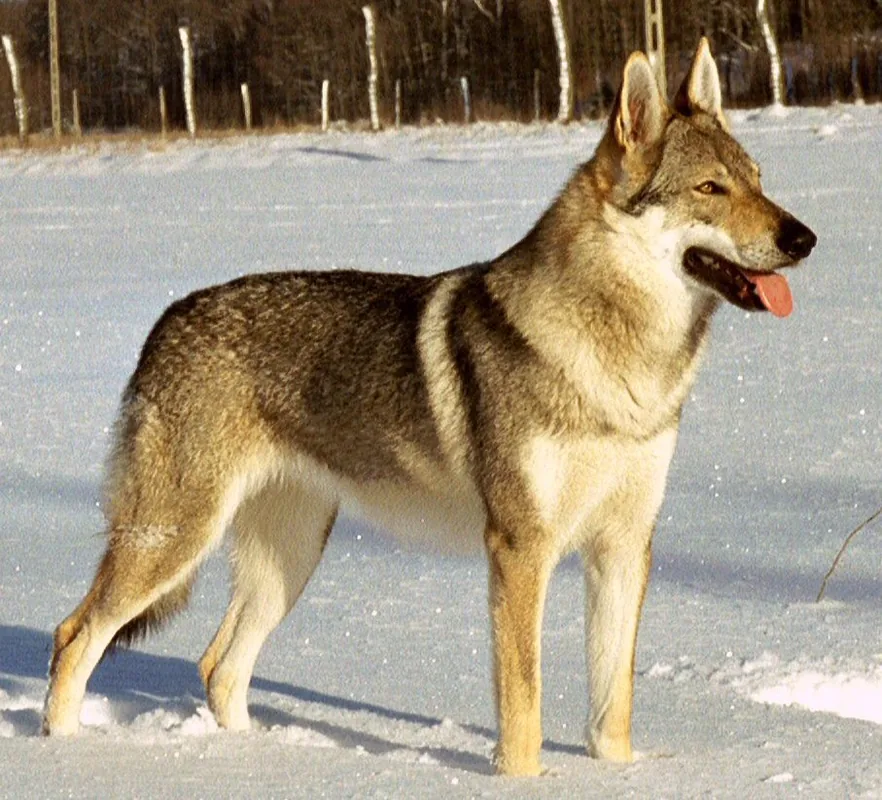
The Carpathian wolf (Canis lupus) is one of the most significant members of Romania's wildlife, with the country hosting one of the largest populations in Europe, estimated at approximately 2,500 to 3,000 individuals. This subspecies has perfectly adapted to the mountainous terrain of the Carpathians, where it plays a crucial role as an apex predator in maintaining ecological balance. Wolves live in hierarchical packs, typically consisting of an alpha pair and their offspring, covering territories that can exceed hundreds of square kilometers. Their diet consists primarily of large ungulates such as red deer, roe deer, and wild boar, thereby contributing to the natural selection of herbivore populations. Throughout history, the wolf held a central place in Daco-Roman mythology, being represented on the famous Dacian banner (draco). Today, the species is protected by international laws and is considered essential for the biodiversity of European forest ecosystems.
Explore on the map
How well do you know Romania?
Find cities, landscapes and regions in 10 varied challenges on the interactive map.
Your journey, your memory
A postcard from Carpathian Wolf
Turn your own photo into a personal postcard with a local stamp. Free and no sign-up required.
Create a postcard- Location: Harghita, Romania
- Nearby: Sândominic (9 km)
Best time to visit & climate
The most pleasant time to visit is Jul–Sep.
| Jan | Feb | Mar | Apr | May | Jun | Jul | Aug | Sep | Oct | Nov | Dec | |
|---|---|---|---|---|---|---|---|---|---|---|---|---|
| Avg °C | -5 | -4 | 1 | 7 | 13 | 17 | 19 | 19 | 13 | 8 | 2 | -3 |
| Rain mm | 30 | 31 | 39 | 53 | 83 | 113 | 96 | 69 | 51 | 54 | 34 | 35 |
📋 Practical info
Geography
Facts
- Romania hosts about 30% of Europe's wolf population (excluding Russia).
- A wolf pack in the Carpathians typically consists of 4 to 10 individuals.
- Adult males can reach a weight of up to 50-60 kilograms.
- Wolves can travel distances of over 50 kilometers in a single night.
- The Dacian banner combined a wolf's head with a dragon or snake's body.
- The species has been strictly protected by law in Romania since 1993.
Explore nearby
Notable places around
Route planner — Car & Motorhome
Where do you start? We build the route here, with stops and country notes along the way.
© OpenStreetMap contributors · OpenRouteService
Sights in the town Carpathian Wolf (1)
Sights nearby
Frequently asked questions
How many wolves live in Romania?
Are wolves dangerous to humans?
Where is the best place to observe wolves?
What is the primary diet of wolves?
How big is a wolf pack?
Carpathian Wolf: where is it located?
Carpathian Wolf: when is the best time to visit?
Carpathian Wolf: why is it worth visiting?
Nearby cities
History & landmarks
Nature