Plizio Visual Lab
Dzibilchaltún
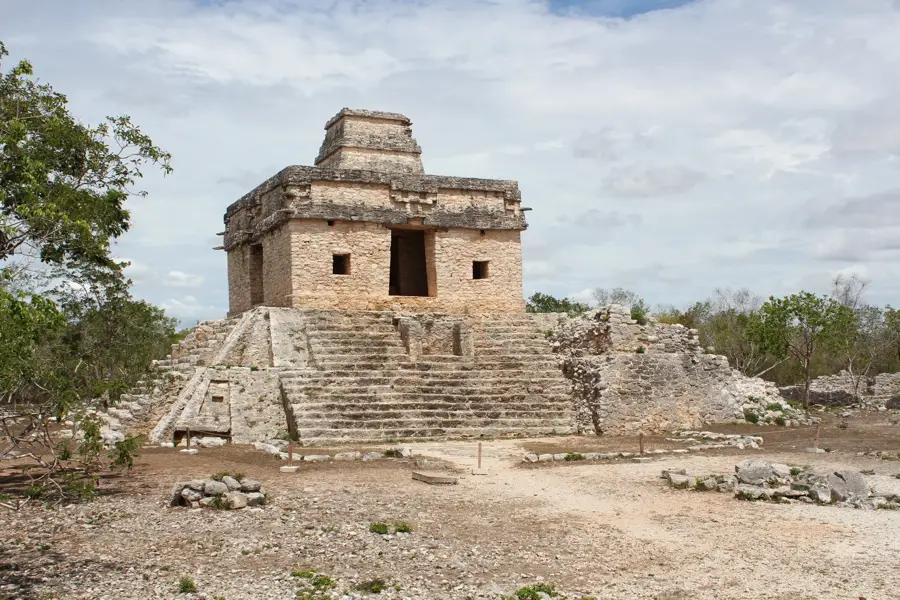
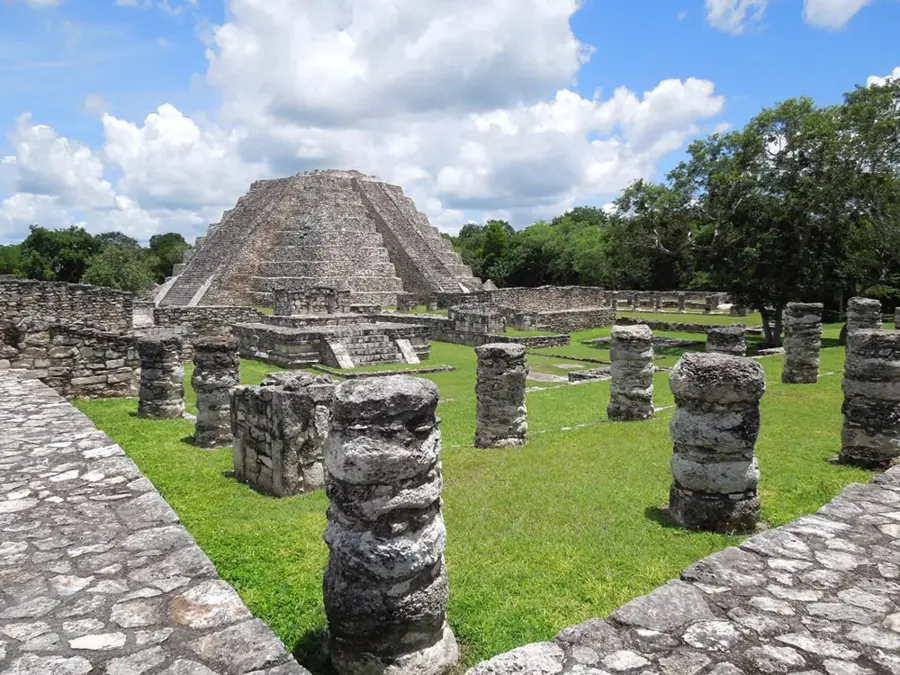
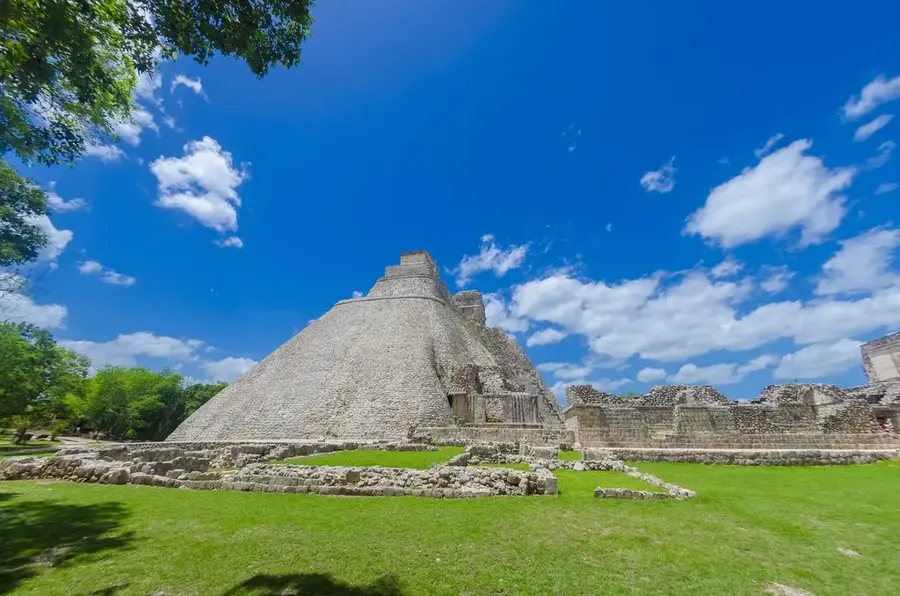
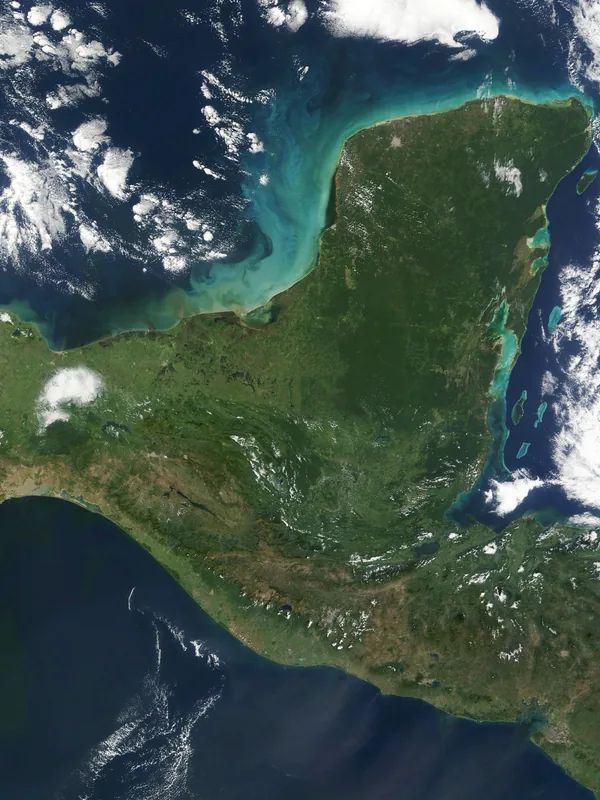
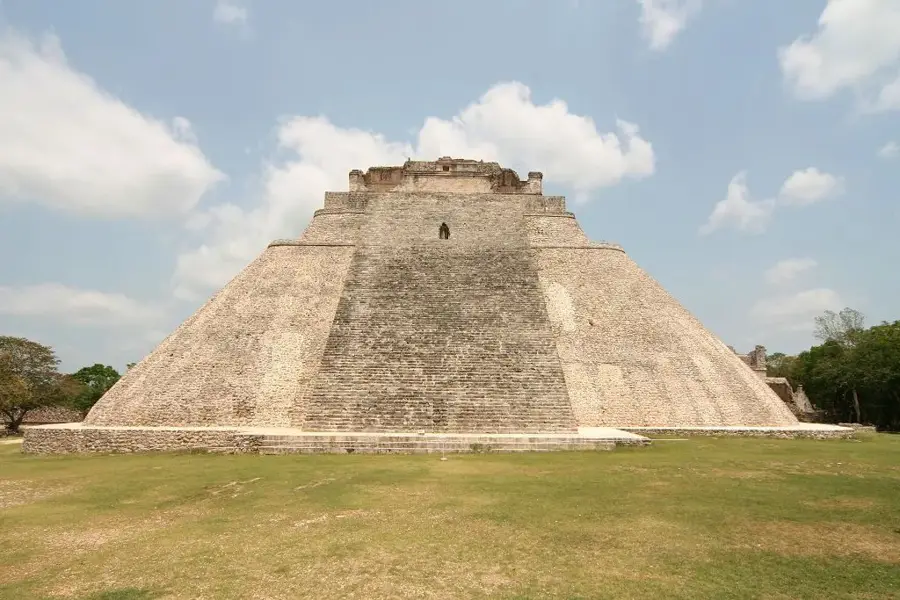
Dzibilchaltún is one of the most enduringly inhabited Maya archaeological sites in the Yucatan Peninsula, located just fifteen kilometers north of Mérida. Founded around 500 BC, the city remained occupied until the arrival of the Spaniards in the 16th century, representing over two millennia of history. Its most famous landmark is the Temple of the Seven Dolls, named after seven small clay figurines discovered beneath the structure's floor. The temple is celebrated for its precise astronomical alignment, where the sun shines directly through its main portals during the spring and autumn equinoxes. The site also features the Xlacah Cenote, a deep natural sinkhole that served as the primary water source and a sacred site for religious offerings. Uniquely, a 16th-century open-air Spanish chapel stands amidst the ancient ruins, marking the era of cultural conquest and conversion. Today, Dzibilchaltún is a major cultural attraction that includes a museum dedicated to preserving the artifacts and heritage of the Maya people.
Explore on the map
How well do you know Mexico?
Find cities, landscapes and regions in 10 varied challenges on the interactive map.
Your journey, your memory
A postcard from Dzibilchaltún
Turn your own photo into a personal postcard with a local stamp. Free and no sign-up required.
Create a postcard- Location: Mexico
- Highlights: Hogar · Río Salvaje Balneario · Komchén
Best time to visit & climate
The most pleasant time to visit is Jan, Feb, Dec.
| Jan | Feb | Mar | Apr | May | Jun | Jul | Aug | Sep | Oct | Nov | Dec | |
|---|---|---|---|---|---|---|---|---|---|---|---|---|
| Avg °C | 23 | 25 | 27 | 29 | 30 | 28 | 28 | 28 | 27 | 26 | 24 | 24 |
| Rain mm | 33 | 29 | 20 | 26 | 73 | 183 | 128 | 152 | 188 | 127 | 52 | 34 |
📋 Practical info
Geography
Facts
- Dzibilchaltún was settled around 500 BC and remained active until the 16th century.
- The name translates to 'place where there is writing on flat stones' in Yucatec Maya.
- The Temple of the Seven Dolls is famous for its solar alignment during equinoxes.
- Cenote Xlacah is one of the largest and deepest cenotes on the Yucatan Peninsula.
- More than 8,000 architectural structures have been mapped throughout the site.
- The site features a rare 16th-century 'open chapel' built by Spanish colonizers.
Explore nearby
Notable places around
Route planner — Car & Motorhome
Where do you start? We build the route here, with stops and country notes along the way.
© OpenStreetMap contributors · OpenRouteService
Sights in the town Dzibilchaltún (10)
Sights nearby
Frequently asked questions
What is special about Dzibilchaltún?
What is the best way to get there?
Is there a museum?
Should I bring swimwear?
When is the sunrise most spectacular?
Dzibilchaltún: where is it located?
Dzibilchaltún: what is there to see?
Dzibilchaltún: when is the best time to visit?
Dzibilchaltún: why is it worth visiting?

Nearby cities
More places