Plizio Visual Lab
Melita Honey
Melita Honey represents the pinnacle of Malta's beekeeping tradition, an industry with roots stretching back to antiquity. The Romans famously referred to the island as 'Melite,' a name likely derived from the Greek word for honey, highlighting its historical importance. Maltese honey is distinct due to the islands' unique endemic flora, with wild thyme honey (Saghtar) being the most sought-after for its intense aroma and health benefits. The archipelago is home to its own endemic subspecies of honeybee, Apis mellifera ruttneri, which is uniquely adapted to thrive in the hot, dry Maltese summers. Local apiarists often operate small family estates, employing traditional cold-extraction methods to produce raw, high-quality honey. Production seasons include wild thyme in early summer, carob blossom in autumn, and varied wildflowers in spring. Beyond its culinary uses, Maltese honey is a staple in local folk medicine, valued for its antibacterial properties. Sustaining the beekeeping sector is critical for the pollination of local crops and the overall health of the Maltese ecosystem.
Explore on the map
How well do you know Malta?
Find cities, landscapes and regions in 10 varied challenges on the interactive map.
Your journey, your memory
A postcard from Melita Honey
Turn your own photo into a personal postcard with a local stamp. Free and no sign-up required.
Create a postcard- Location: Malta
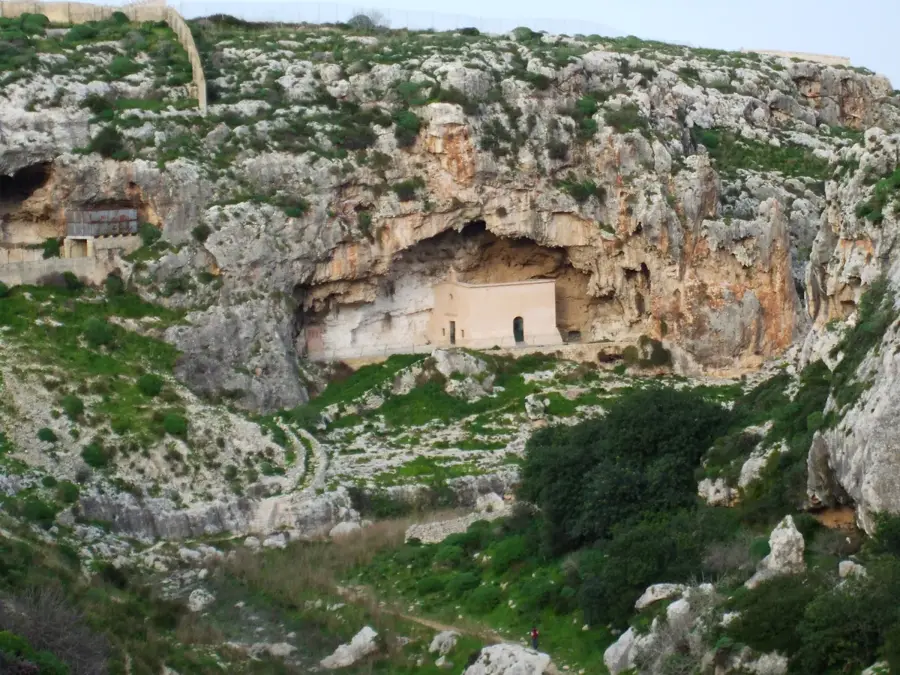
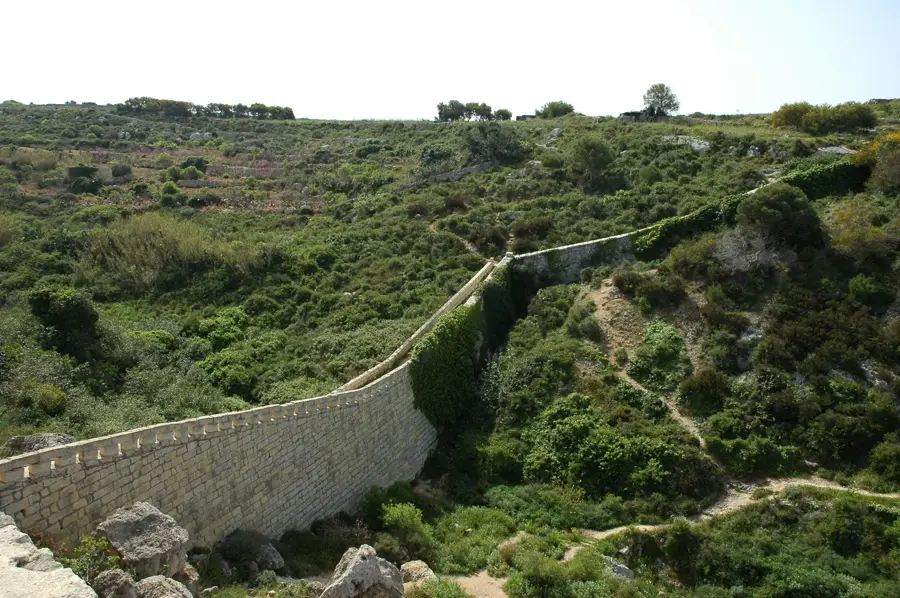
- Highlights: Saint Anne · Villa Bologna · Wignacourt Aqueduct
- Nearby: Ħamrun (4 km)
Best time to visit & climate
The most pleasant time to visit is May–Jul.
| Jan | Feb | Mar | Apr | May | Jun | Jul | Aug | Sep | Oct | Nov | Dec | |
|---|---|---|---|---|---|---|---|---|---|---|---|---|
| Avg °C | 15 | 14 | 15 | 16 | 19 | 23 | 26 | 27 | 25 | 23 | 20 | 16 |
| Rain mm | 74 | 65 | 51 | 33 | 17 | 11 | 4 | 10 | 63 | 82 | 95 | 82 |
📋 Practical info
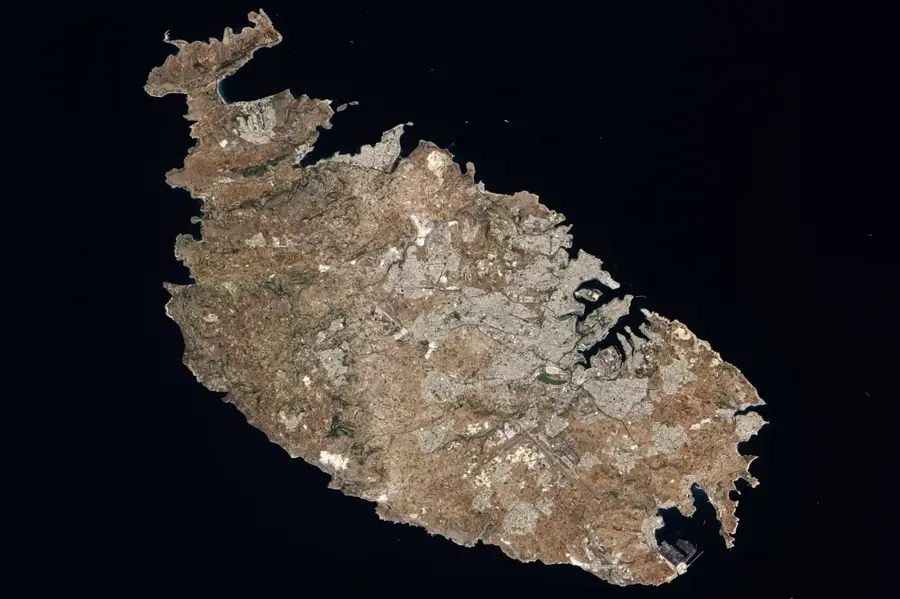
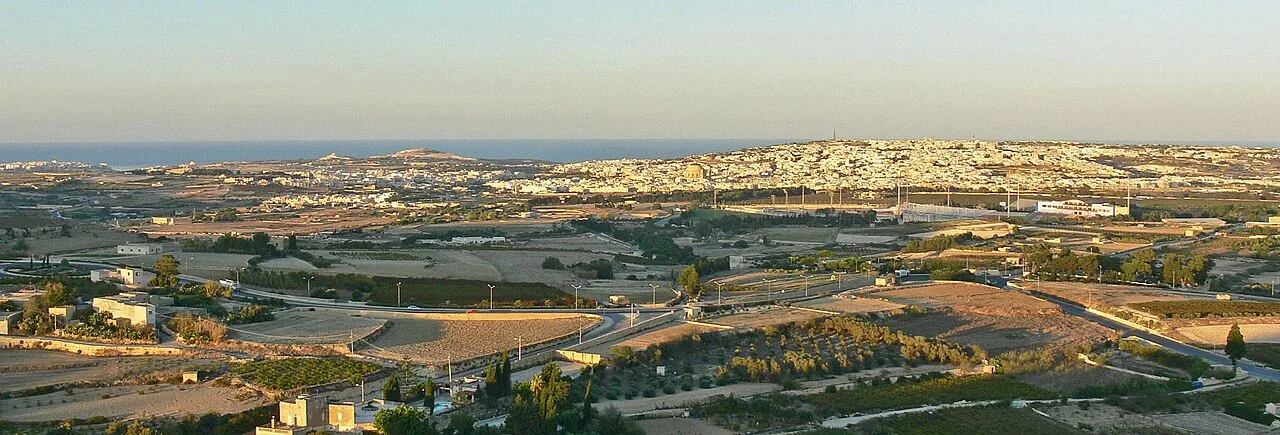
Geography
Facts
- The ancient name for Malta, 'Melite,' is widely believed to mean 'Honey Island.'
- Malta is home to the endemic honeybee subspecies Apis mellifera ruttneri.
- Wild thyme (Saghtar) is the primary nectar source for premium Maltese honey.
- Carob honey is a rare seasonal variety produced during the autumn bloom.
- Traditional Maltese honey is raw, unprocessed, and often sold unfiltered.
- Beekeeping has been a continuous agricultural activity in Malta for over two millennia.
Explore nearby
Notable places around

Route planner — Car & Motorhome
Where do you start? We build the route here, with stops and country notes along the way.
© OpenStreetMap contributors · OpenRouteService
Sights in the town Melita Honey (10)
San Anton Gardens
Garden in Malta. Public park with flowers, fountains and shaded paths.
Good Shepherd Convent
Church building of a monastery in Ħal Balzan, Malta. Place for reflection and prayer.
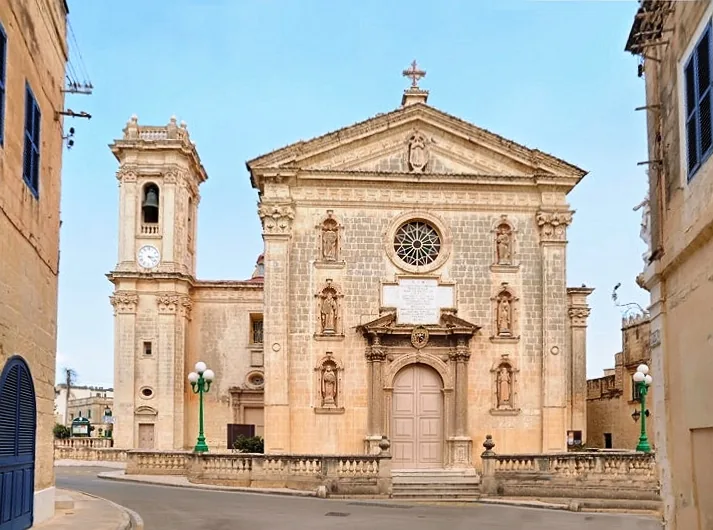
Parish Church of Our Lady of Annunciation
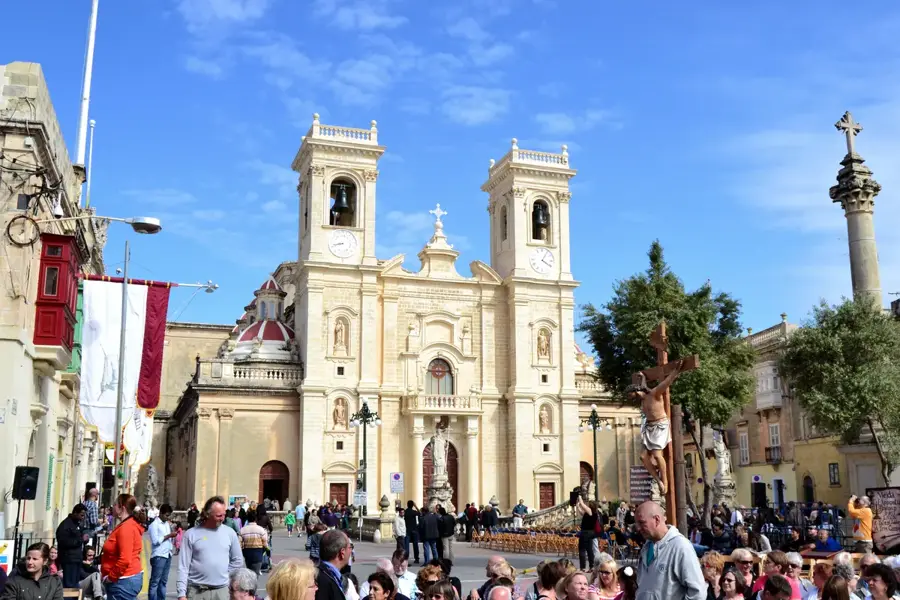
Church building in Balzan, Malta. Parish church of the community.
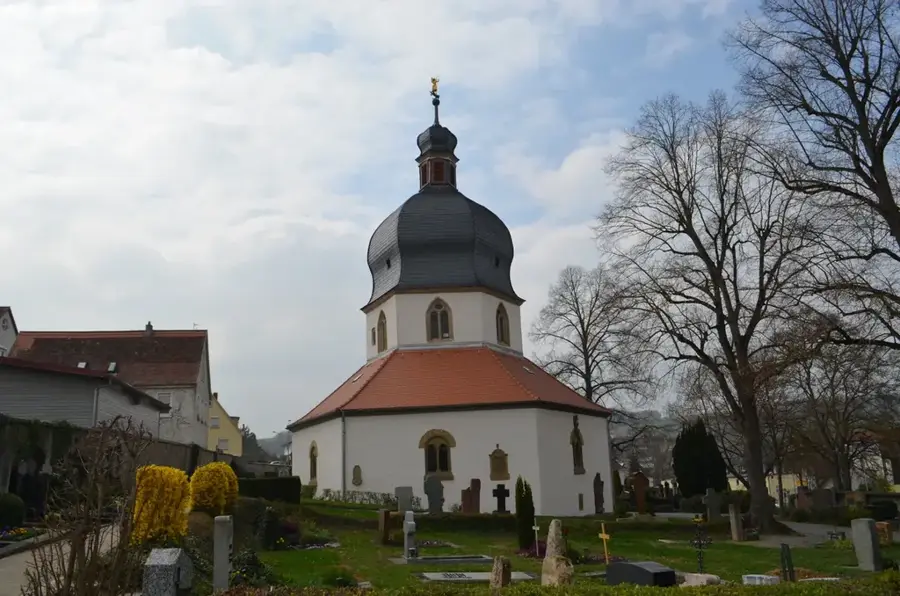
Lija Parish
Church building in Lija, Malta. Parish church for the local community.
Rosa Kwir
Gallery in Attard, Malta. Exhibitions of contemporary art.
Ta' Qali National Park🌳 park
Public park in central Malta. Green spaces, walking paths and recreation areas.
Sights nearby
Frequently asked questions
What makes Melita honey so special?
Are there different honey types depending on the season?
Can you visit the apiary?
Where can I buy Melita honey?
Is the honey natural and unprocessed?
Melita Honey: where is it located?
Melita Honey: what is there to see?
Melita Honey: when is the best time to visit?
Melita Honey: why is it worth visiting?
Nature
More places