Plizio Visual Lab
Ruggell Lake
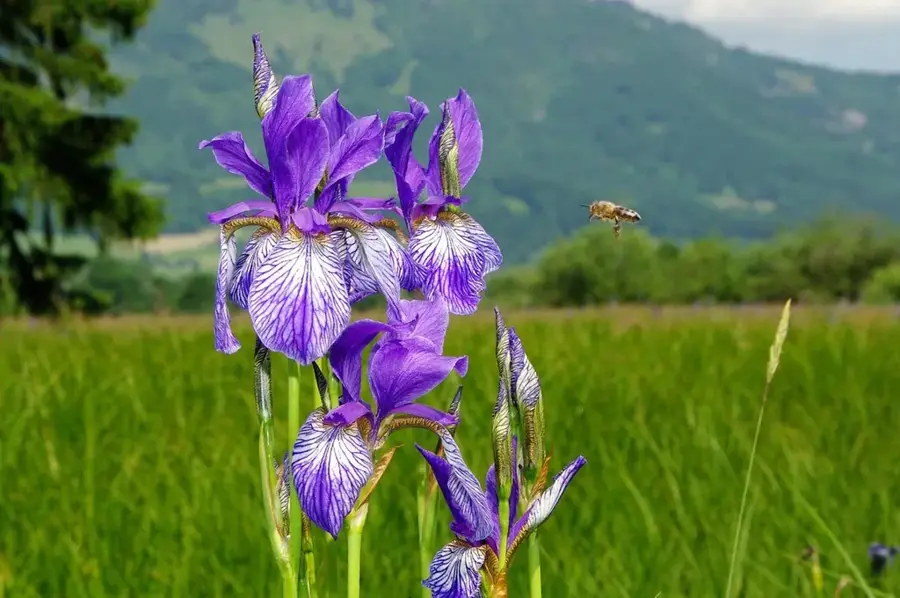
The lake in the Ruggeller Riet represents a unique low-moor body of water located in the northernmost part of Liechtenstein in a wide Rhine plain. Geographically, this area is characterized by the transition from intensively used farmland to strictly protected wetlands, which remained as a marshy landscape after the retreat of ice-age glaciers. Historically, the Riet was used for peat extraction, which continues to influence the topography of the small ponds and watering holes today. Since being declared a protected area in 1978, the region has developed into a sanctuary for endangered animal and plant species, including the white stork and the Siberian iris. The standing water provides an important resting place for migratory birds on their journey along the Alpine valley. The landscape is flat, offering wide vistas to the Alpstein and the mountains of Vorarlberg. Especially in late spring, when the irises bloom, the area around the lake transforms into a sea of blue-violet flowers, attracting nature enthusiasts from across the region.
Explore on the map
How well do you know Liechtenstein?
Find cities, landscapes and regions in 10 varied challenges on the interactive map.
Your journey, your memory
A postcard from Ruggell Lake
Turn your own photo into a personal postcard with a local stamp. Free and no sign-up required.
Create a postcard- Location: Liechtenstein
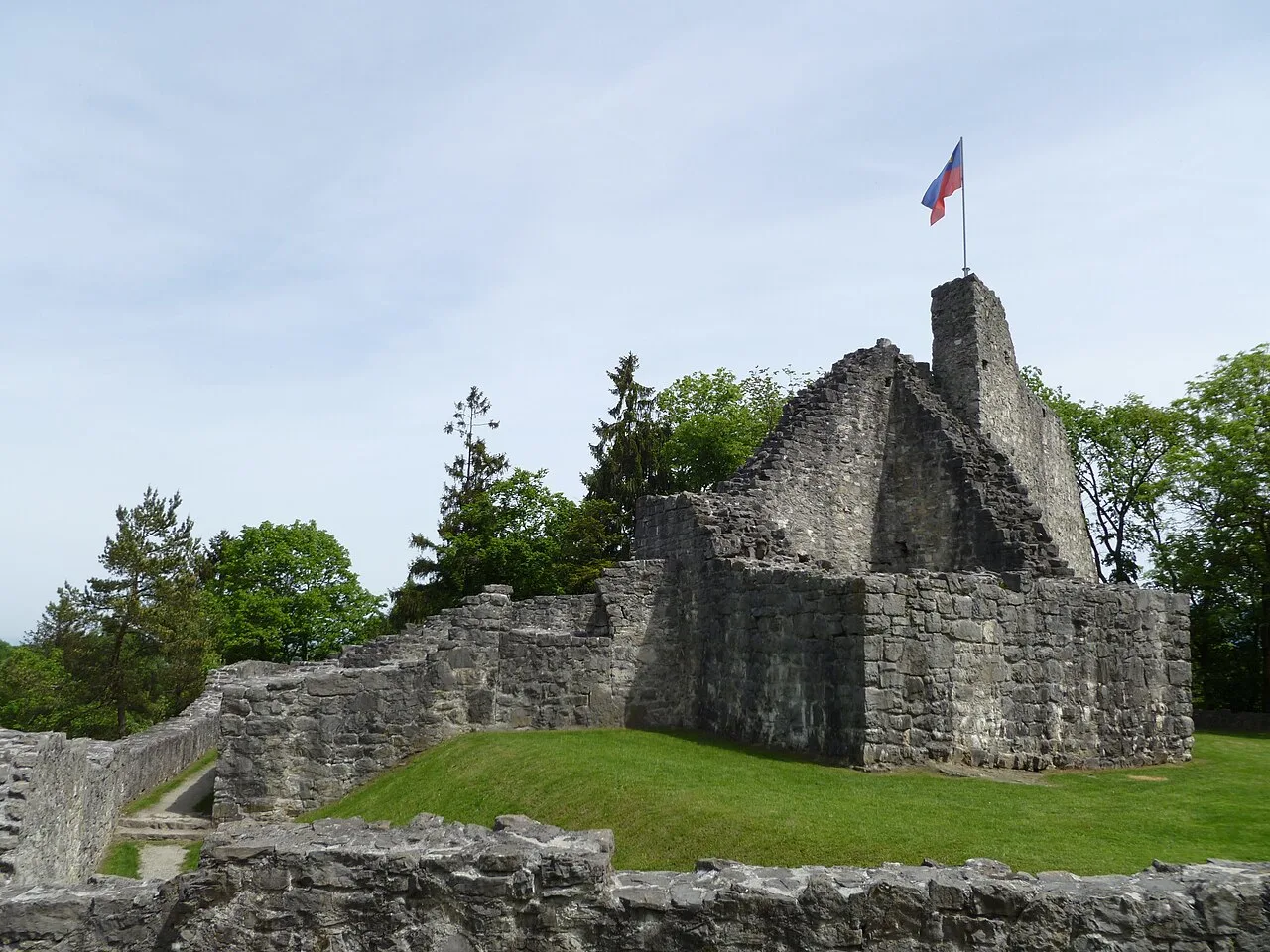
- Highlights: St. Fridolin · Ruine Alt-Schellenberg · Naturschutzgebiet Schneckenäule
- Nearby: Under Au (4 km)
Best time to visit & climate
The most pleasant time to visit is Jul–Sep.
| Jan | Feb | Mar | Apr | May | Jun | Jul | Aug | Sep | Oct | Nov | Dec | |
|---|---|---|---|---|---|---|---|---|---|---|---|---|
| Avg °C | -6 | -5 | -1 | 4 | 8 | 13 | 14 | 14 | 10 | 6 | 0 | -4 |
| Rain mm | 92 | 70 | 91 | 93 | 147 | 173 | 169 | 185 | 121 | 103 | 91 | 93 |
📋 Practical info
Geography
Facts
- The Ruggeller Riet encompasses approximately 90 hectares of protected moorland.
- The Siberian iris blooms here every year between May and June.
- Peat cutting was practiced well into the 20th century.
- Over 160 different bird species have been observed in the nature reserve.
- The area is located at Liechtenstein's lowest point at 433 meters above sea level.
- The entire Riet has been under official nature protection since 1978.
Explore nearby
Notable places around
Route planner — Car & Motorhome
Where do you start? We build the route here, with stops and country notes along the way.
© OpenStreetMap contributors · OpenRouteService
Sights in the town Ruggell Lake (10)
Biedermannhaus🏛 museum
Museum in Liechtenstein, displaying historical artifacts of regional culture.
Ruine Neu-Schellenberg🏰 castle
Castle in Liechtenstein, a medieval fortress ruin.
Naturschutzgebiet Au
Protected area in Ruggell, preserving floodplain landscapes.
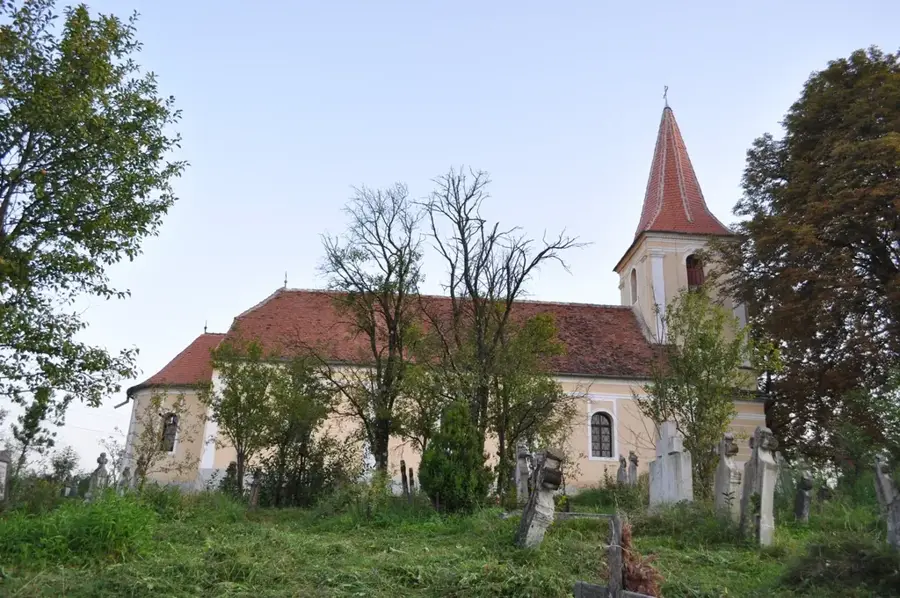
Kapelle zu den Heiligen Martin und Magnus
Building in Feldkirch, Austria, a chapel dedicated to Saints Martin and Magnus.
Eschnerberg
Mountain ridge in Liechtenstein and Vorarlberg, a popular hiking area.
Kapelle Heilige Sebastian und Fridolin
Building in Feldkirch, Austria, a chapel dedicated to Saints Sebastian and Fridolin.
Sights nearby
Frequently asked questions
Is Ruggell Lake a nature reserve?
Are there bird watching stations?
Is swimming allowed in the lake?
How long is the path around the marsh?
Do irises bloom here?
Ruggell Lake: where is it located?
Ruggell Lake: what is there to see?
Ruggell Lake: when is the best time to visit?
Ruggell Lake: why is it worth visiting?
Nature
More places